إذا كنت تحاول معرفة ما يجب وضعه بالضبط داخل برنامج التوصيل المتكرر الجديد الخاص بك، فمن المحتمل أنك أدركت أن الصندوق نفسه هو الذي يحدد قيودك المادية.
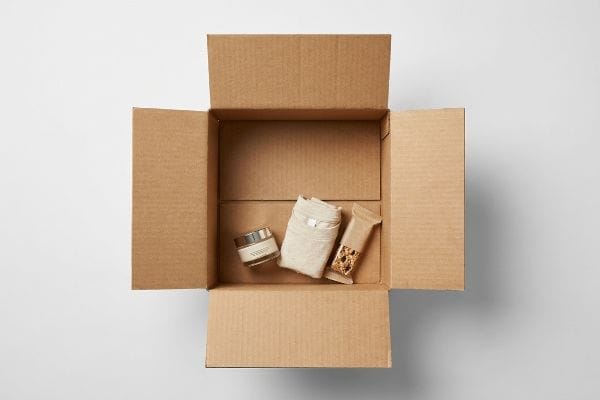
تتنوع المنتجات المشمولة في عبوات اشتراك Cbb عادةً بين مستحضرات التجميل والأطعمة غير القابلة للتلف والملابس. توفر الصناديق الكرتونية المموجة المصممة خصيصًا متانة هيكلية فائقة، مما يسمح بشحن مختلف المنتجات بأمان. يضمن الالتزام بهذه المعايير المادية أقصى حماية وتجربة فتح مميزة.
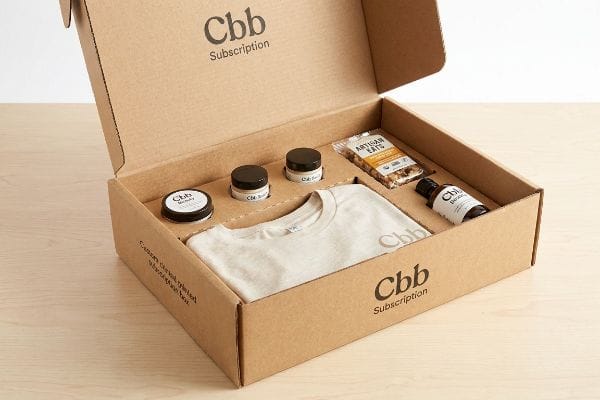
إن فهم ما يمكن وضعه داخل هذه الصناديق ليس سوى البداية. يكمن التحدي الحقيقي في تصميم عبوة تحافظ على سلامة مزيج منتجاتك المحدد أثناء رحلة النقل القاسية.
هل يمكنك أن تعطيني بعض الأمثلة على صناديق الاشتراك؟
يتطلب تصميم حملة توصيل متكررة مرونة مطلقة لتغيير المخزون الشهري.
نعم. تشمل أمثلة صناديق الاشتراك مجموعات مستحضرات التجميل، ووجبات الطعام الجاهزة، ومستلزمات الحيوانات الأليفة. تستخدم هذه المغلفات الكرتونية المموجة متعددة الاستخدامات حشوات هيكلية مصممة خصيصًا لتأمين المنتجات المتنوعة بأمان أثناء النقل، مما يضمن تجربة فتح مثالية وعدم وجود أي تلف عند التسليم النهائي.
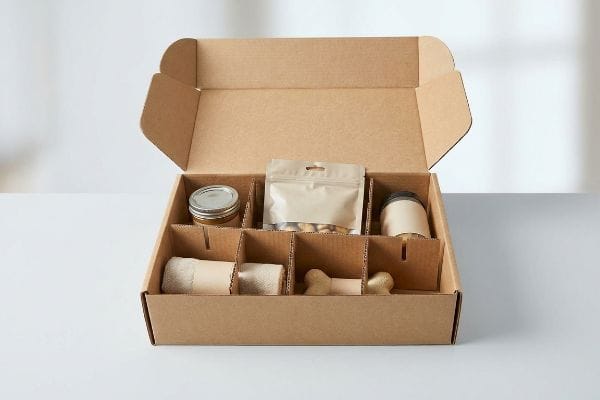
ومع ذلك، فإن الانتقال من إرسال منتج واحد إلى عملية تنسيق معقدة متعددة العناصر يُسبب احتكاكًا لوجستيًا هائلاً إذا كان هيكل التعبئة والتغليف الداخلي الخاص بك ثابتًا بشكل صارم.
السرّ المعياري وراء توسيع نطاق صناديق الاشتراك
الطريقة الشائعة للمبتدئين في تنسيق المنتجات المتعددة هي شراء مغلفات بريدية ذات مقاس واحد وحشو الفراغات بورق رخيص مجعد. مع أن هذا يبدو مقبولاً في التصميمات الحاسوبية، إلا أن الحشو السائب لا يُحدث أي إزاحة للحمل الديناميكي . فعندما تُعبأ البرطمانات الثقيلة بجانب علب كرتونية قابلة للطي هشة ، تتسبب اهتزازات النقل في تحرك المنتجات الأثقل، مما يؤدي إلى سحق المنتجات الأخف قبل وصول الصندوق إلى عتبة المنزل.
أرى علامات تجارية ناشئة في مجال السلع الاستهلاكية المعبأة تحاول حشر مخزونها الشهري المتغير في صوانٍ ثابتة وصلبة مُلصقة مسبقًا، مُفترضةً أن قالبًا واحدًا يناسب الجميع. في العام الماضي، شاهدتُ عاملَ تغليف إحدى العلامات التجارية وهو يُجهد نفسه على خط الإنتاج، مُحاولًا إدخال زجاجة مُستحضر عناية بالبشرة في فتحة مُخصصة لزجاجة سيروم أصغر. كان الاحتكاك شديدًا لدرجة أنني سمعتُ صوت تمزق الورق المقوى الخام. في النهاية، لجأوا إلى استخدام شريط تغليف شفاف قبيح اللون فقط لتثبيت الجزء المُمزق. لتجنب هذا، يجب اعتماد استراتيجية "الفواصل المعيارية". من خلال تصميم فواصل عائمة مُتشابكة من نوع E-flute بدلًا من الصواني الثابتة،تُوفر مرونة في وحدات حفظ المخزون (SKU). هذا التباعد الرياضي الدقيق يُجمّع المنتجات بشكل طبيعي، مما يُقلل وقت التجميع اليدوي بشكل كبير بمقدار 35 ثانية لكل وحدة، ويُوفر آلاف الدولارات من تكاليف إعادة تجهيز المعدات الموسمية.
| أخطاء شائعة للمبتدئين | الحل الاحترافي | فوائد أرضية البيع بالتجزئة |
|---|---|---|
| استخدام حشوات صلبة ثابتة لتغيير العناصر الشهرية | مهندس فواصل معيارية عائمة من نوع E-flute4 | يوفر 35 ثانية لكل وحدة في وقت التعبئة5 |
| ملء الفراغات بورق مجعد سائب | تباعد هيكلي متشابك مستهدف | يمنع السحق الداخلي للأشياء الثقيلة |
| إدخال المنتجات كبيرة الحجم في فتحات ضيقة | تصميم CAD ذو التفاوت التكيفي6 | يمنع تمزق الورق المقوى الخام |
أقوم بإلغاء حاجة عملائي تمامًا لشراء أدوات جديدة كل شهر من خلال جعل البنية الداخلية مرنة.
🛠️ مكتب هارفي: هل أنت غير متأكد من تمزق الفواصل الداخلية أثناء التعبئة السريعة؟ 👉 افحص خط القطع ↗ — تواصل مباشر مع مكتبي. أعدك بعدم تلقي أي رسائل تسويقية آلية مزعجة.
هل لا تزال صناديق الاشتراك تحظى بشعبية في عام 2026؟
يتطلب التنبؤ بمدى استدامة نماذج التوصيل المتكررة تجاوز صيحات المستهلكين والتركيز على قدرة سلسلة التوريد على التحمل.
نعم. لا تزال صناديق الاشتراك تحظى بشعبية كبيرة في عام 2026، مدفوعةً بتجارب التسوق الشخصية والاتجاهات الصديقة للبيئة. وتواصل العلامات التجارية الاستفادة من التغليف الكرتوني المخصص لبناء ولاء مباشر للمستهلكين، مع إيلاء الأولوية للخدمات اللوجستية المستدامة وأداء سلسلة التوريد الموثوق.
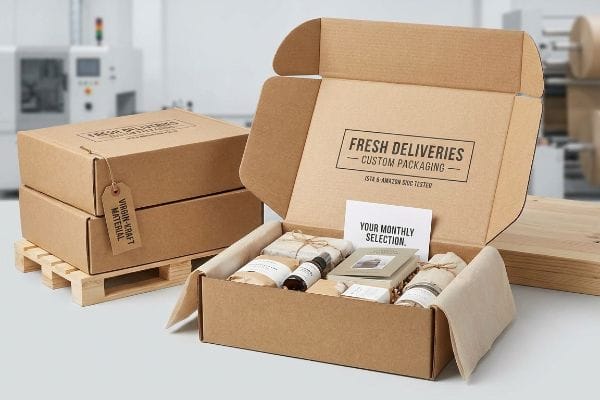
في حين أن الطلب لا يزال مرتفعاً بشكل لا يصدق، فقد أصبح التنفيذ اللوجستي قاسياً؛ لم تعد العلامات التجارية قادرة على تحمل تكاليف التوفير في عمليات الشحن الصادرة.
لماذا يؤدي الإرهاق الناتج عن الشحن بين الشركات إلى القضاء على صناديق الاشتراك الشائعة؟
تحاول العديد من الشركات الناشئة تمويل عملياتها اللوجستية ذاتيًا عن طريق إعادة استخدام صناديق التجارة الإلكترونية الواردة من الشركات إلى المستهلكين (B2C) لتنفيذ عمليات الشحن. ويفترض عادةً أنه إذا بدا الصندوق المتين سليمًا ظاهريًا من الخارج، فإنه يحتفظ بقوته الأصلية من المصنع،آمن تمامًا لإعادة استخدامه عبر شبكة البريد.
من الأسئلة التي تُطرح عليّ باستمرار: "هل يُمكننا ببساطة إعادة تدوير صناديق الموردين الواردة لتلبية طلبات الاشتراك؟" تبدو فكرة رائعة وصديقة للبيئة، لكنها في الواقع فخٌّ هيكلي كبير. تعمل الألواح المموجة كممتصات للصدمات الميكانيكية. خلال رحلتها الأولى، تمتص الصدمات الدقيقة والرطوبة. إذا أُعيد استخدامها، فإن هذه الألياف تتلف بشكل دائم.شاهدتُ ذات مرة أحد العملاء وهو يحاول تكديس مغلفات بريدية مُعاد استخدامها على منصة نقالة؛ وسمعتُ صوت "فرقعة" مسموعًا للألواح الورقية المُستهلكة وهي تنهار تحت وطأة الوزن. انبعجت الطبقة السفلية بأكملها. يجب عليك اشتراط استخدام مواد خام جديدة، واستخدام صناديق شحن جديدة من قِبل ISTA (الرابطة الدولية للنقل الآمن) وAmazon SIOC( الشحن في الحاوية الخاصة) للشحنات الصادرة. هذا يضمن احتفاظ الزوايا بكامل قدرتها على تحمل الأحمال الديناميكية، مما يُزيل تمامًا أضرار النقل ويحافظ على تجربة فتح الصندوق المميزة التي يدفع المشتركون ثمنها.
| أخطاء شائعة للمبتدئين | الحل الاحترافي | فوائد أرضية البيع بالتجزئة |
|---|---|---|
| إعادة استخدام الصناديق الواردة للطلبات الصادرة | تفويض جديد ISTA 6-Amazon SIOC للشاحنين10 | يقضي على التكسير الكارثي أثناء النقل |
| تجاهل الإجهاد المجهري لأنابيب الورق | استخدم نسبًا مُثبتة من المواد الخام والورق المقوى11 | يحافظ على قدرة التحميل الديناميكي بنسبة 100% |
| الاعتماد على عمليات الفحص البصري للصناديق | بروتوكولات صارمة لامتصاص الصدمات الميكانيكية12 | يمنع عمليات استبدال المشتركين المكلفة |
أمنع منعاً باتاً استخدام مغلفات البريد الواردة المعاد تدويرها في طابقي لأن الصندوق المعاد استخدامه "المجاني" سيقضي على هامش ربحك فوراً عندما يتحطم المنتج الموجود بداخله.
🛠️ مكتب هارفي: هل تتساءل عما إذا كانت رسائلك البريدية الحالية ستصمد أمام تحديات شبكة النقل في عام ٢٠٢٦؟ 👉 اطلب تدقيقًا هيكليًا ↗ — حمّل الملف بأمان. صندوق بريدي مفتوح إذا كانت لديك أي أسئلة لاحقًا.
ما هي بعض الأفكار لصناديق الاشتراك؟
غالباً ما يعني توسيع خط إنتاجك المتكرر إدخال مواد ثقيلة أو متطايرة أو معقدة كيميائياً في عبوات ورقية قياسية.
تتضمن أفكار صناديق الاشتراك عادةً شموعًا فاخرة، وزيوتًا عطرية، ومستحضرات تجميل عضوية. تتطلب هذه المنتجات عالية القيمة عبوات كرتونية مموجة مصممة خصيصًا لمنع انتقال المواد الكيميائية وحماية العبوات الأساسية الهشة بشكل فعال أثناء عمليات التوزيع الحديثة.
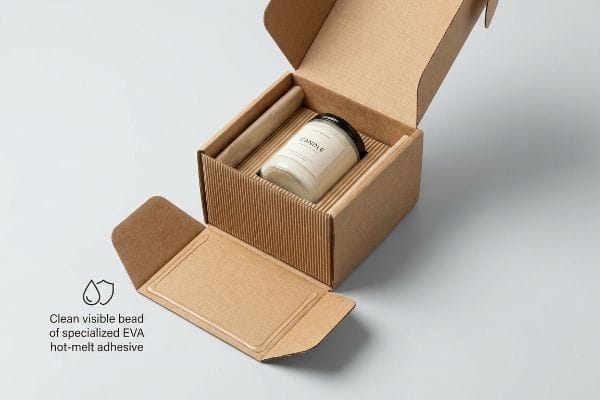
إن تنسيق المنتجات الجميلة أمر سهل، لكن وضع المركبات العضوية في الورق المقوى الخام يؤدي إلى تفاعل كيميائي عنيف لا يتوقعه معظم المصممين.
أفكار تصميم صناديق الاشتراك: فخ كيمياء العطور
كثيراً ما يختار المصممون المبتدئون ورق كرافت خام غير مبطن(رقم 13) لتغليف الشموع ومستحضرات التجميل الفاخرة، سعياً وراء مظهر ريفي وصديق للبيئة. يقومون بتصميم القالب، والموافقة على التصميم الرقمي، ويفترضون أن البرطمانات الزجاجية الثقيلة ستُثبّت بإحكام بواسطة غطاء سفلي لاصق قياسي (رقم 14).
تخيل الأمر كأنك تسكب زيت الزيتون مباشرةً في كيس ورقي بني - تمتص الألياف السائل وينفصل قاع الكيس. القاعدة الأساسية هنا بسيطة: تحقق دائمًا من تقلبات المنتج الكيميائية قبل تحديد نوع الغراء. حتى المصممون المخضرمون غالبًا ما يتجاهلون هذه النقطة. تتسرب الزيوت العطرية المركزة في بيئات التخزين الدافئة وتتغلغل مباشرةً في ألياف الورق المسامية. لقد رأيت مواد لاصقة PVA (أسيتات البولي فينيل) القياسية ذات الأساس المائي0.68 كجم (1.5 رطل) من برطمان زجاجي. لحل هذه المشكلة، أقوم باستبدال جميع علب الكرتون المعطرة بشدة بمواد لاصقة EVA (أسيتات الإيثيلين فينيل) ذاتية الذوبان.هذا البوليمر مقاوم كيميائيًا لانتقال المذيبات العضوية، مما يضمن بقاء العلبة سليمة من التفاعلات الكيميائية الداخلية دون التأثير على مظهر ورق الكرافت الأصلي.
| أخطاء شائعة للمبتدئين | الحل الاحترافي | فوائد أرضية البيع بالتجزئة |
|---|---|---|
| باستخدام مواد لاصقة PVA القياسية ذات الأساس المائي | قم بالترقية إلى غراء EVA المتخصص بالذوبان الساخن17 | يمنع ذوبان المادة اللاصقة أثناء النقل |
| تجاهل انتقال مذيبات الزيوت العطرية | تطبيق مصفوفة ربط مقاومة للمذيبات18 | يقضي على حالات فشل انفجار الغطاء السفلي |
| وضع الزجاج الثقيل في ورق مقوى خام | أقفال احتكاك ميكانيكية ذات قاعدة قابلة للكسر من تصميم المهندس 19 | يؤمن بشكل آمن أحمالًا نقطية بوزن 1.5 رطل |
أرفض السماح بطباعة تصميم شمعة جميل حتى أثبت رياضياً أن المادة اللاصقة يمكنها الصمود أمام التركيب الكيميائي الداخلي للمنتج.
🛠️ مكتب هارفي: هل أنت قلق من أن فكرة اشتراك الشموع الجديدة قد تُذيب غلافها أثناء الشحن؟ 👉 اطلب تقييمك الخاص للمادة اللاصقة ↗ — لا توجد استمارات تُسبب مكالمات مبيعات لا تنتهي. فقط قيمة حقيقية.
ما هي بعض صناديق الاشتراك الشهرية الشائعة؟
لكي تسيطر حقًا على نموذج الإيرادات المتكررة، يجب أن تعمل عبواتك بشكل مثالي على نطاق واسع وآلي.
تتضمن صناديق الاشتراك الشهرية الشائعة ملابس مختارة بعناية، ومجموعات أدوات العناية الشخصية، ووجبات خفيفة مميزة. ولضمان نجاح هذه البرامج المتكررة، يولي مهندسو الإنشاءات أهمية قصوى لآليات فتح الصناديق السلسة ودقة التداخل داخل الكرتون الرئيسي لتجنب اختناقات خطوط التجميع المكلفة.
لكن معرفة نظرية التنفيذ بكميات كبيرة لا تكفي عندما تبدأ الآلات بالعمل وتصل آلاف الصناديق إلى خط التجميع.
لماذا تفشل صناديق الاشتراك الشهرية الشائعة في اختبار فتح الصندوق؟
كثيراً ما تصمم فرق المشتريات صناديق الشحن الرئيسية لتتوافق تماماً مع الأبعاد الخارجيةمسبقاً . والافتراض المنطقي ظاهرياً هو أن التطابق التام والمحكم يوفر أقصى حماية أثناء النقل ويمنع العناصر الداخلية من الاهتزاز أثناء التوصيل.
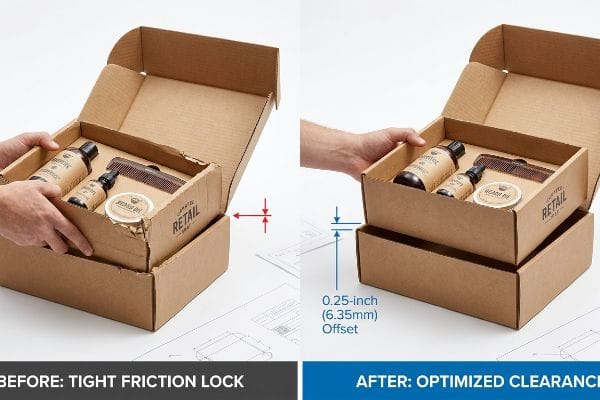
هذا ليس مجرد كلام نظري، بل أرى هذا الفخ يتسبب في اختناقات هائلة في قسم اختبارات ما قبل الإنتاج. فعندما يتم وضع غلاف مموج بحجم 12 بوصة (30.48 سم) داخل صندوق شحن بنفس الحجم دون أي مسافة فاصلة، فإنك تتجاهل الاحتكاك السطحي الشديد لورق الاختبار الخام 32ECT. أقوم بقياس هذا الاحتكاك بشكل روتيني أثناء تجارب خط الإنتاج؛ فعندما يحاول عامل التعبئة في المستودع سحب هذا الغلاف المحكم، تتشابك جدران الورق المقوى معًا. ويمكنك سماع صوت احتكاك التموجات. هذه المقاومة الهائلة تجبر عامل التعبئة على سحب الألواح الأمامية للشاشة بقوة، مما يؤدي حتمًا إلى تمزق الحافة المطبوعة وإبطاء خط التجميع بنسبة 30% تقريبًا.لحل هذه المشكلة، أستخرج بيانات التصميم بمساعدة الحاسوب (CAD) وأفرض بشكل مصطنع "تفاوتًا هندسيًا دقيقًا". ومن خلال تصميم حد أدنى مطلق للمسافة الفاصلة عن المحيط يبلغ 0.25 بوصة( 6.35 مم) داخل التجويف الداخلي للكرتون الرئيسي، أكسر حاجز الاحتكاك. يضمن هذا التعديل فائق الدقة تجربة فتح سلسة وخالية من التمزق، مما يوفر للعملاء آلاف الدولارات من رسوم العمل اليدوي المهدرة في عملية التشغيل القياسية.
| أخطاء شائعة للمبتدئين | الحل الاحترافي | فوائد أرضية البيع بالتجزئة |
|---|---|---|
| تحديد أحجام الكراتين الرئيسية بنسبة 1:1 صارمة | قم بتطبيق تفاوت إزاحة هندسية مقداره 0.25 بوصة23 | يقلل وقت تعبئة خط التجميع بنسبة 30%24 |
| تجاهل احتكاك سطح الورق المقوى الخام | قم بتصميم الخلوصات الدقيقة في ملفات CAD | يكسر قفل الاحتكاك في الورق المقوى |
| إدخال الحشوات الضيقة في صناديق الشحن | فرض وجود مناطق عازلة للتخليص المحيطي | يزيل تمامًا تمزق الشفاه المطبوعة |
لا يهمني مدى أمان نسبة التداخل 1:1 على الشاشة؛ إذا اضطر عامل التعبئة والتغليف إلى محاربة الكرتون لتحميله، فسأعيد كتابة الحسابات على الفور.
🛠️ مكتب هارفي: هل تعرفون مدى التفاوت المسموح به في مساحة صواني التداخل الداخلية لديكم؟ 👉 أرسلوا لي ملف تصميم القوالب ↗ — سأقوم باختبار الحسابات بدقة قبل أن تهدروا ميزانيتكم على الإنتاج بكميات كبيرة.
خاتمة
يمكنكِ إطلاق أجمل تشكيلة شموع، ولكن عندما الزيوت العطرية إلى ورق الكرافت الخام وتذيب مواد لاصقة PVA القياسية، فإن سقوط البرطمانات الزجاجية سيؤدي إلى تكاليف استبدال باهظة ويؤثر سلبًا على معدل الاحتفاظ بالمشتركين. يستخدم أكثر من 500 مدير علامة تجارية قائمة التحقق الخاصة بي قبل الطباعة لتجنب هذه الأخطاء القاتلة في المراحل المبكرة. توقفي عن التخمين بشأن توافق المواد الكيميائية، ودعيني أراجع ملفاتكِ شخصيًا من خلال خدمة تدقيق القوالب المجانية ↗ لاكتشاف الأخطاء الهيكلية الجسيمة قبل الإنتاج.
"دراسة استقرار الشحنات المعبأة على منصات نقالة باستخدام اختبار ديناميكي..."، https://pmc.ncbi.nlm.nih.gov/articles/PMC8348108/. مصدر هندسي أو لوجستي للتغليف يشرح بالتفصيل كيف تفشل مواد التعبئة السائبة في منع تحرك المنتجات تحت تأثير الأحمال الديناميكية أثناء النقل. دور الدليل: التحقق الفني؛ نوع المصدر: دليل هندسة التغليف. يدعم: عدم كفاية ورق التغليف المجعد تقنيًا لتثبيت المنتجات ذات الأوزان المختلفة. ملاحظة النطاق: يركز على إزاحة الحمل الديناميكي مقابل إزاحة الحمل الساكن. ↩
"ما هي الحشوات الداخلية للتغليف؟ - PopDisplay"، https://popdisplay.me/what-are-packaging-inserts/. شرح موجز لكيفية دعم مصدر خارجي موثوق لهذا الادعاء. دور الدليل: التحقق الفني من منهجية التغليف؛ نوع المصدر: دليل هندسة التغليف. يدعم: استخدام الحشوات الداخلية المعيارية لاستيعاب أبعاد المنتجات المتنوعة. ملاحظة النطاق: خاص بتطبيقات الكرتون المموج. ↩
"لماذا تستثمر فرق العمليات في أنظمة التغليف المعيارية؟"، https://www.packproinc.com/why-operations-teams-are-investing-in-modular-packaging-systems/. شرح موجز لكيفية دعم مصدر خارجي موثوق لهذا الادعاء. دور الدليل: التحقق من مكاسب الكفاءة الكمية؛ نوع المصدر: دراسة حالة صناعية أو ورقة عمل تشغيلية. يدعم: مقياس توفير الوقت المحدد للتجميع المعياري. ملاحظة النطاق: قد تختلف النتائج بناءً على مستويات أتمتة مركز التوزيع. ↩
"التصميم الأمثل لتغليف الكرتون المموج ذي الجدار المزدوج"، https://pmc.ncbi.nlm.nih.gov/articles/PMC8950760/. المواصفات الفنية للكرتون المموج من النوع E، موضحةً ملاءمته للحشوات المعيارية عالية الكثافة نظرًا لسمكه الرقيق ومقاومته للضغط. دور الدليل: المواصفات الفنية؛ نوع المصدر: دليل علوم المواد. يدعم: استخدام الكرتون المموج من النوع E لتحقيق المعيارية. ملاحظة النطاق: يقتصر على المحتويات خفيفة الوزن إلى متوسطة الوزن. ↩
"عملية تجميع وتجهيز صناديق الاشتراك: كيف تعمل؟"، https://getproductiv.com/blog/subscription-box-kitting-assembly. بيانات تجريبية أو دراسات حالة لوجستية تُظهر توفير الوقت المُتحقق من خلال تطبيق وحدات تغليف مُنمّطة بدلاً من التصاميم الثابتة. دور الدليل: التحقق الكمي؛ نوع المصدر: تقرير صناعي. يدعم: تحسين كفاءة عمليات التعبئة والتغليف. ملاحظة: قد تختلف النتائج باختلاف حجم المنتج. ↩
"تأثير خطوط الطي التناظرية والرقمية على الخصائص الميكانيكية..."، https://pmc.ncbi.nlm.nih.gov/articles/PMC9268991/. إرشادات هندسية حول تطبيق التفاوتات التكيفية في التصميم بمساعدة الحاسوب (CAD) لتغليف الورق، لمراعاة تمدد المواد واختلافات المنتج. دور الدليل: معيار فني؛ نوع المصدر: دليل هندسي. يدعم: منع تمزق الورق المقوى. ملاحظة النطاق: خاص بالورق المقوى الخام والمواد المموجة. ↩
"تغليف الكرتون المموج بتصميم مبتكر لـ..."، https://bioresources.cnr.ncsu.edu/resources/corrugated-board-packaging-with-innovative-design-for-enhanced-durability-during-transport/. تحليل فني من منظمات معايير التغليف (مثل ISTA) يشرح كيف يفقد الكرتون المموج قوة الضغط ومقاومة الانفجار بعد دورات النقل الأولية. دور الدليل: التحقق الفني؛ نوع المصدر: تقرير علوم المواد. يدعم: حقيقة أن السلامة الظاهرية لا تعادل القدرة الهيكلية الأصلية. ملاحظة النطاق: ينطبق على تغليف الكرتون المموج القياسي الموجه للمستهلكين. ↩
"دراسة تأثير الثقوب على تحمل الأحمال..."، https://pmc.ncbi.nlm.nih.gov/articles/PMC11396172/. شرح تقني لكيفية تسبب الإجهاد الميكانيكي وامتصاص الرطوبة في تدهور الخلايا في ألواح الألياف المموجة. دور الدليل: برهان علمي في علم المواد؛ نوع المصدر: دليل هندسي. يدعم: الادعاء بأن صناديق الشحن المعاد استخدامها متضررة هيكليًا. ملاحظة النطاق: خاص بالألواح المموجة. ↩
"الاختبار الذاتي للبائع"، https://www.amazon-packaging.com/vendor-self-testing. التحقق من متطلبات شهادة "الشحن في الحاوية الخاصة" (SIOC) فيما يتعلق بالمتانة وأداء النقل. دور الدليل: المواصفات الفنية؛ نوع المصدر: معيار صناعي. يدعم: متطلبات الشاحنين المعتمدين للحفاظ على سعة تحميل ديناميكية. ملاحظة النطاق: يركز على معايير الخدمات اللوجستية الخاصة بأمازون. ↩
"تغييرات وتطوير الإجراءات - الرابطة الدولية للنقل الآمن"، https://ista.org/procedure_changes_developmen.php. التحقق من معايير ISTA 6-Amazon SIOC (الشحن في الحاوية الخاصة) ودورها في الحد من الأضرار المتعلقة بالنقل. دور الدليل: المواصفات الفنية؛ نوع المصدر: معيار صناعي. يدعم: فعالية متطلبات الشاحنين المحددة. ملاحظة النطاق: خاص بمتطلبات التعبئة والتغليف الخاصة بأمازون. ↩
دراسة مقارنة للخصائص الفيزيائية لـ...، https://repository.rit.edu/cgi/viewcontent.cgi?article=1299&context=theses. أدلة فنية تُشير إلى قدرة تحمل الأحمال الديناميكية الفائقة والسلامة الهيكلية لألياف الكرافت البكر مقارنةً بالمواد المُعاد تدويرها. دور الدليل: علم المواد؛ نوع المصدر: دراسة هندسية. يدعم: الادعاء بأن نسب ألياف الكرافت البكر تحافظ على قدرة تحمل الأحمال. ملاحظة النطاق: ينطبق على مواصفات الكرتون المموج. ↩
"أحداث الصدمات في عمليات الشحن متعدد الوسائط بالحاويات..."، https://www.researchgate.net/publication/370759171_Impact_shock_events_in_multimodal_container_transshipment_for_packaging_testing. تحليل لكيفية تقليل اختبارات الصدمات الميكانيكية الصارمة والبروتوكولات المتبعة لتلف المنتجات وتكاليف استبدالها في الشحن بين الشركات والمستهلكين. دور الدليل: مقياس تشغيلي؛ نوع المصدر: ورقة عمل لوجستية. يدعم: العلاقة بين بروتوكولات الصدمات وانخفاض تكاليف الاستبدال. ملاحظة النطاق: التركيز على كفاءة التغليف الواقي. ↩
"انتقال المركبات الكيميائية من مواد التغليف..."، https://pmc.ncbi.nlm.nih.gov/articles/PMC11475518/. تشرح أدبيات علم التغليف كيف يسمح الورق المقوى المسامي غير المبطن بامتصاص وانتقال المركبات العضوية المتطايرة الموجودة في العطور. دور الدليل: المواصفات الفنية؛ نوع المصدر: مجلة علوم المواد. يدعم: عدم كفاية المواد غير المبطنة للمنتجات الغنية بالمواد الكيميائية. ملاحظة النطاق: يتعلق تحديدًا بالركائز غير المطلية بطبقة عازلة. ↩
"صناديق ذات قاع أوتوماتيكي (قفل سريع) سهلة الاستخدام - PM Packaging"، https://pmpackaging.com/product-catalog/boxes-and-cartons/auto-bottom-boxes. توضح أدلة التغليف الهيكلي نقاط الضعف وحدود تحمل الأحمال لقواعد القفل السريع عند دعم حمولات عالية الكثافة مثل الزجاج. دور الدليل: مقياس أداء؛ نوع المصدر: دليل تصميم صناعي. يدعم: خطر الفشل الهيكلي في أغطية القاع القياسية للعناصر الثقيلة. ملاحظة النطاق: يختلف حسب حجم التموجات وقوة المادة اللاصقة. ↩
"هندسة البولي فينيل الكحولي الوظيفي: مراجعة شاملة لـ... - PMC"، https://pmc.ncbi.nlm.nih.gov/articles/PMC12903494/. من شأن مصدر موثوق في كيمياء المواد اللاصقة أن يؤكد حساسية البولي فينيل الكحولي للمذيبات غير القطبية الموجودة في الزيوت العطرية. دور الدليل: التحقق التقني؛ نوع المصدر: دليل الهندسة الكيميائية. يدعم: الادعاء بأن مواد البولي فينيل الكحولي اللاصقة قد تفشل في تغليف العطور. ملاحظة النطاق: ينطبق تحديدًا على التركيبات المائية. ↩
"المواد اللاصقة بالذوبان الساخن - نظرة عامة | مواضيع ساينس دايركت"، https://www.sciencedirect.com/topics/materials-science/hot-melt-adhesives. يجب أن تُظهر البيانات الفنية لبوليمرات EVA مقاومة فائقة لهجرة المذيبات العضوية مقارنةً بـ PVA. دور الدليل: مواصفات المادة؛ نوع المصدر: مجلة علمية متخصصة في البوليمرات أو ورقة بيانات الشركة المصنعة. يدعم: استخدام EVA لمنع تلف الكرتون في منتجات التجزئة المعطرة. ملاحظة: تختلف مستويات المقاومة باختلاف محتوى أسيتات الفينيل. ↩
"مواد لاصقة ذائبة ساخنة من نوع EVA مقابل APAO"، https://www.hotmelt.com/blogs/blog/eva-vs-apao-hot-melt?srsltid=AfmBOopHoTdOxD0tJnzSbCUNlTzJYhw902g112_P_DTEVCCC92O-E9bC. مقارنة فنية بين مواد لاصقة ذائبة ساخنة من نوع EVA ومواد لاصقة من نوع PVA مائية في تغليف العطور لإثبات مقاومتها للذوبان الكيميائي. دور الدليل: التحقق الفني؛ نوع المصدر: ورقة بيانات علوم المواد. يدعم: ثبات المواد اللاصقة ضد زيوت العطور. ملاحظة النطاق: خاص ببوليمرات إيثيلين-فينيل أسيتات. ↩
"ما تحتاج معرفته عن انتقال المواد الكيميائية في الأغذية... - بوستيك"، https://www.bostik.com/us/en_US/blog/post/advanced-packaging/flexible/nam/best-food-packaging-adhesive-migration-safety-standards/. التحقق من كيفية منع الربط المقاوم للمذيبات لفشل المادة اللاصقة الناتج عن انتقال مذيبات الزيوت العطرية إلى طبقات التغليف. دور الدليل: التحقق من صحة الخصائص الكيميائية؛ نوع المصدر: دليل هندسة التغليف. يدعم: منع انفجار الغطاء السفلي. ملاحظة النطاق: يركز على تفاعلات المذيبات غير القطبية. ↩
"صناديق ذاتية الإغلاق | علب كرتونية بقاعدة قابلة للفتح والإغلاق السريع (1-2-3)"، https://nyfoldingbox.com/boxes/auto-bottom-boxes. بيانات هندسية تؤكد قدرة تحمل أقفال الاحتكاك ذات القاعدة القابلة للفتح السريع لعبوات الزجاج الثقيلة. دور الدليل: المواصفات الهيكلية؛ نوع المصدر: دليل تصميم التغليف. يدعم: تثبيت أحمال نقطية بوزن 1.5 رطل. ملاحظة: تعتمد الكفاءة على نوع الورق المقوى ووزنه (GSM). ↩
"الدليل الشامل لصناديق الكرتون المموج"، https://www.shorr.com/resources/blog/ultimate-guide-corrugated-boxes/. شرح موجز لكيفية دعم مصدر خارجي موثوق لهذا الادعاء. دور الدليل: التحقق من صحة المعلومات؛ نوع المصدر: دليل هندسة التغليف. يدعم: أنماط تصميم الشراء الشائعة للشحن المتداخل. ملاحظة النطاق: يركز على معايير التفاوت المسموح بها في التغليف الصناعي. ↩
"كيف يؤثر سوء التغليف على أعمالك وكفاءة سلسلة التوريد"، https://www.intouch-quality.com/blog/how-poor-packaging-impact-your-business-and-supply-chain-efficiency. دراسة قطاعية أو تقرير كفاءة تشغيلية يوثق نسبة خسائر الإنتاجية الناتجة عن أعطال هيكلية في التغليف أثناء التجميع اليدوي. دور الدليل: مقياس كمي؛ نوع المصدر: تقرير قطاعي. يدعم: الادعاء بأن قفل الاحتكاك يسبب اختناقات كبيرة. ملاحظة: قد تختلف النتائج بناءً على خبرة العامل وحجم الكرتون. ↩
"تقدير قوة الضغط للكرتون المموج..."، https://pmc.ncbi.nlm.nih.gov/articles/PMC8467740/. إرشادات هندسة التغليف التي تحدد الخلوص القياسي المطلوب بين الغلاف الداخلي والكرتون الرئيسي للتخلص من احتكاك السطح. دور الدليل: مواصفات فنية؛ نوع المصدر: دليل هندسي. يدعم: استخدام إزاحة محددة لمنع انغلاق الاحتكاك. ملاحظة النطاق: ينطبق بشكل أساسي على 32ECT ودرجات الكرتون المموج المماثلة. ↩
"تفاوتات وصلات المصنّعين على RSC - AICC Now"، https://now.aiccbox.org/tolerance-for-manufacturers-joint-on-rsc/. المواصفات الفنية من كتيبات هندسة التغليف المتعلقة بالخلوصات القياسية للتجميع الآلي. دور الدليل: المواصفات الفنية؛ نوع المصدر: دليل هندسي. يدعم: القياس المحدد لتفاوت الإزاحة. ملاحظة النطاق: قد يختلف بناءً على سُمك الورق المقوى. ↩
"التحول نحو الكفاءة في عام 2026: الانتقال من التركيز على الكمية إلى التركيز على القيمة"، https://korpack.com/the-2026-efficiency-pivot-moving-from-volume-to-value/?srsltid=AfmBOornf3AxY1k-B3Ax9FjrNIegR-DIW_BblY9ZmG60t3qFb_FgVWjV. دراسات حالة صناعية أو معايير لوجستية توضح تقليل الوقت المرتبط بتحسين حجم الكراتين. دور الدليل: إثبات كمي؛ نوع المصدر: تقرير صناعي. يدعم: مقياس كفاءة سرعة التعبئة. ملاحظة النطاق: ينطبق على خطوط الإنتاج الآلية ذات الحجم الكبير. ↩