يبدو التعامل مع الخدمات اللوجستية الحديثة في قطاع التجزئة أشبه بلعبة ألغاز محفوفة بالمخاطر، حيث يؤدي أي خطأ في تسليم البضائع إلى ضياع هامش الربح. دعونا نكشف كيف تعمل أنظمة التوزيع الخارجية فعلياً.
تُعدّ خدمات الطرف الثالث اللوجستية (3PL) نموذجًا لسلسلة التوريد، حيث تُسند الشركات عمليات التخزين وإدارة المخزون والتعبئة والتغليف والتوزيع إلى شركاء خارجيين متخصصين. يدمج هؤلاء المزودون معالجة الطلبات وتوزيع الشحنات، مما يسمح للعلامات التجارية الاستهلاكية بتوسيع شبكات التوزيع العالمية الخاصة بها دون استثمار مبالغ طائلة في البنية التحتية المادية للمستودعات.

قد يبدو تسليم مخزونك الجاهز إلى مستودع خارجي بمثابة راحة كبيرة، ولكنه يُضيف طبقة جديدة من المخاطر الهيكلية إذا لم تكن عبواتك مُصممة خصيصًا لتلبية متطلباتهم في التعامل. دعونا نُحلل بدقة كيفية عمل هؤلاء الشركاء وأين تكمن المخاطر الخفية.
ما هي الخدمات اللوجستية من طرف ثالث (3PL) بكلمات بسيطة؟
لا يتطلب فهم هذا المفهوم شهادة متقدمة في إدارة سلسلة التوريد. إنه ببساطة يعني الاستعانة بشريك متخصص لتولي عمليات النقل والتحميل الشاقة لمخزونك.
ببساطة، تعني خدمات الطرف الثالث اللوجستية (3PL) التعاقد مع شركة خارجية لتخزين منتجاتك وتعبئتها وشحنها إلى المستهلكين أو متاجر البيع بالتجزئة. فبدلاً من استئجار مستودع خاص بك أو توظيف فريق تعبئة، تدفع لشريك متخصص لإدارة سلسلة التوريد الخلفية هذه بسلاسة تامة.
المفهوم بسيط، لكن السحر الحقيقي - والصداع الأكبر - يحدث أثناء مرحلة التعبئة المشتركة على خط التجميع.
واقع التعبئة المشتركة في الخدمات اللوجستية للطرف الثالث
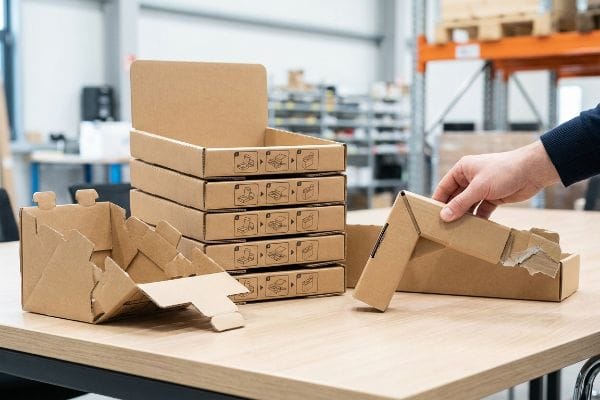
تفترض معظم فرق العلامات التجارية أن شريكها اللوجستي يقوم ببساطة بأخذ صندوق مغلق من الرف ووضعه على شاحنة. في الواقع، يشمل جزء كبير من عملهم في إطلاق المنتجات في متاجر التجزئة عمليات تعبئة وتغليف معقدة.فهم من يقومون فعلياً ببناء منصات العرض الكرتونية، وتعبئتها بالبضائع، وتجهيزها لمتاجر التجزئة الكبرى.
حتى مصممو التغليف المخضرمون غالبًا ما يتجاهلون هذه الثغرة، فيصممون شاشات عرض معقدة لنقاط البيع تحتوي على عشرات من ألسنة التثبيت الصغيرة التي تبدو رائعة في التصميم ثلاثي الأبعاد، لكنها تفشل عند استخدامها. أعلم أنك تنظر إلى هذا الهيكل الكرتوني وأنت تشعر بالحيرة، لأن 80% من عملائي يرتكبون هذا الخطأ تحديدًا. فهم يرسلون رسومات تفصيلية معقدة إلى شريكهم في التوزيع، ظنًا منهم أن موظفي المستودع سيجدون الحل تلقائيًا. في منشأتي، أرى باستمرار عواقب ذلك: عامل تجميع منهك يبذل جهدًا مضنيًا لمدة 15 دقيقة لمحاولة تثبيت لسان تثبيت معقد، ويسمع صوت تمزق الورق المقوى الجاف والمميز، ويلجأ في النهاية إلى شريط لاصق شفاف قبيح يُسيء إلى صورة العلامة التجارية. لتجنب ذلك، أصمم دائمًا صواني معيارية بوصلات ملصقة مسبقًا،مما يقلل الاحتكاك على خط التعبئة ويخفض بشكل كبير تكاليف العمالة اليدوية التي يفرضها شريكك اللوجستي.
| أخطاء شائعة للمبتدئين | الحل الاحترافي | فوائد أرضية البيع بالتجزئة |
|---|---|---|
| إرسال ألسنة معقدة غير ملصقة إلى شركات التعبئة والتغليف | صواني معيارية مُلصقة مسبقًا من الهندسة | يوفر 45 ثانية من وقت تجميع كل وحدة3 |
| تجاهل احتياجات تعليمات التجميع | طباعة أدلة مرئية بدون نص على العلبة | يقضي على أخطاء خط التعبئة اليدوي4 |
| الاعتماد على الشريط اللاصق الشفاف لإصلاح المفاصل الممزقة | باستخدام ألسنة قفل ذكر/أنثى | يمنع تدهور العلامة التجارية على الرفوف |
أرفض السماح للهندسة الإنشائية الضعيفة بإبطاء عملية لوجستية سريعة. إن تبسيط مسار الطي ليس مجرد مسألة جمالية، بل إنه يقلل حسابيًا من أجر الساعة الذي تدفعه لشريكك في التنفيذ.
🛠️ مكتب هارفي: هل أنت غير متأكد مما إذا كانت ألسنة القفل المعقدة ستسبب إزعاجًا لشركة التعبئة والتغليف وتزيد من رسوم التجميع؟ 👉 دعني أراجع خط القوالب الخاص بك ↗ — وصول مباشر إلى مكتبي. أعدك بعدم تلقي أي رسائل تسويقية آلية مزعجة.
ما هي أفضل 10 شركات لوجستية خارجية؟
يتطلب اختيار شركة رائدة عالميًا في مجال الخدمات اللوجستية النظر في القدرة الإنتاجية والتكنولوجيا والتركيز على قطاع معين. وتسيطر الشركات الكبرى على السوق من خلال إتقانها لمعايير الامتثال لسلاسل التوريد الموحدة.
عادةً ما تُبرز قائمة أفضل عشر شركات لوجستية من طرف ثالث عمالقة الصناعة مثل إكس بي أو لوجستيكس، ويو بي إس سبلاي تشين سوليوشنز، ودي إتش إل سبلاي تشين، وسي إتش روبنسون، ورايدر. تهيمن هذه المؤسسات الضخمة على خدمات الشحن العالمية، والتخزين التعاقدي، وإدارة النقل، من خلال تطبيق معايير صارمة عبر شبكات التوزيع ذات الأحجام الكبيرة وسلاسل التوريد في قطاع التجزئة.
قد تحلم بالشراكة مع إحدى هذه المنظمات النخبوية، لكن إرشاداتها التشغيلية الصارمة ستوقف حملتك فجأة إذا لم تكن حزمتك الهيكلية متوافقة تمامًا مع شبكاتها.
مواءمة شاشات العرض الكرتونية مع أفضل معايير الخدمات اللوجستية للطرف الثالث
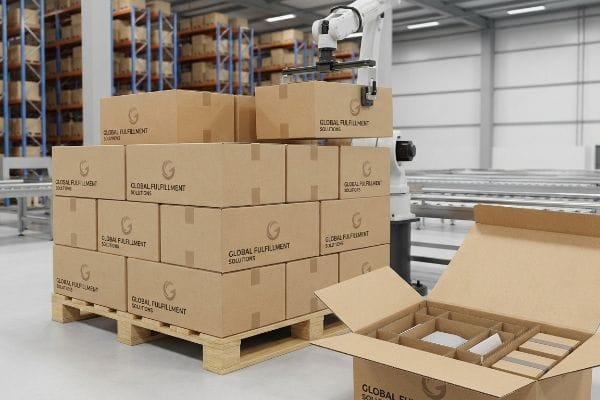
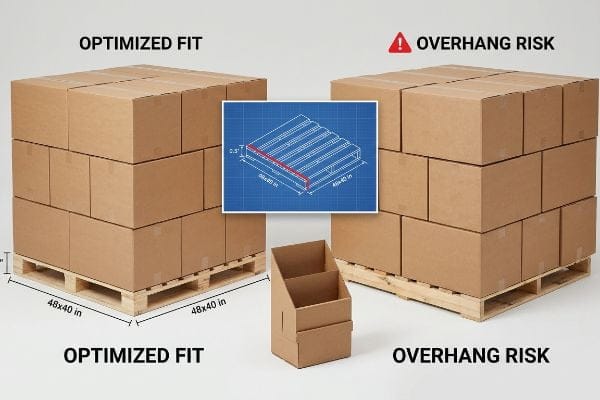
من الأسئلة البسيطة والمتكررة التي يطرحها المشترون حول هذا المفهوم، كيفية ضمان ملاءمة منتجاتهم فعلياً داخل مراكز التوزيع الضخمة والمؤتمتة للغاية. وتقتضي الممارسات المعتادة أن يقوم كبار مزودي الخدمات اللوجستية بتحسين كل شبر من أنظمة التخزين لديهم وفقاً لوحدة قياس عالمية واحدة: وهي المنصة الخشبيةالقياسية.
إنه فخ شائع يقع فيه حتى فرق المشتريات ذات الخبرة: فهم يصممون تغليف جذابة وجاهزة للبيع بالتجزئة، لكنهم يتجاهلون تمامًا الحجم اللوجستي للكرتونة الرئيسية. لقد شاهدتُ علامات تجارية تُرسل منصات عرض رائعة إلى مراكز لوجستية من الدرجة الأولى، ليقوم مدير المستودع برفض الشحنة بأكملها عند وصولها إلى الرصيف. لماذا؟ لأن قواعد العرض كانت ذات حجم عشوائي يبلغ 50 بوصة (1270 مم)، مما تسبب في بروز كبير أدى إلى انحناء واضح تحت حمولة المستودع العلوية، وأصدر صوت طقطقة حاد يشبه صوت تشقق الخشب عند إدخاله في الرفوف القياسية. ولحل هذه المشكلة، أقوم بتصميم كل وحدة سائبة بدقة متناهية وفقًا للهندسة الصارمة لمنصة GMA (رابطة مصنعي البقالة) 48×40 بوصة (1219×1016 مم). من خلال تقليص الحد الأقصى المسموح به لبصمة التصميم بمساعدة الكمبيوتر (CAD) بشكل مصطنع بمقدار 0.5 بوصة (12.7 مم) بالضبط، أضمن بقاء الزوايا المموجة مدعومة بالكامل، مما يمنع حدوث أضرار أثناء النقل ويضمن قبولًا سلسًا من قبل أي مزود خدمات لوجستية رئيسي.
| أخطاء شائعة للمبتدئين | الحل الاحترافي | فوائد أرضية البيع بالتجزئة |
|---|---|---|
| تجاهل أبعاد المنصات القياسية | تثبيت التصاميم بدقة على مساحات 48×40 | يضمن قبول رفوف المستودعات على الفور |
| السماح ببروز الكرتون الرئيسي | تطبيق هامش سلبي بمقدار 0.5 بوصة | يمنع السحق الناتج عن الضغط في الطبقات الأدنى |
| تقدير حدود ارتفاع الخلوص | التصميم وفقًا لتقسيمات جزئية للمنصات | يزيد من كفاءة نقل البضائع بالشاحنات |
أصمم منصات عرض تصمد أمام متطلبات بيئة التخزين الصارمة في المستودعات الكبرى. إذا لم تتوافق مساحة مستودعك مع حسابات لوجستيات المنصات القياسية، فأنت غير مستعد للتوسع على مستوى الدولة.
🛠️ مكتب هارفي: هل تم تصميم صناديق الشحن الرئيسية لديكم بشكل خاطئ بحيث تتدلى وتنهار تحت ثقل مستودعاتكم؟ 👉 اطلبوا فحصًا للبصمة الهيكلية ↗ — حمّلوا الملف بأمان. صندوق بريدي مفتوح إذا كانت لديكم أي أسئلة لاحقًا.
من هي أكبر شركة خدمات لوجستية خارجية في الولايات المتحدة؟
عند تحليل النطاق الهائل لعمليات التوزيع المحلية، نجد أن شركة واحدة متميزة قد أعادت كتابة قواعد التوزيع بالتجزئة والامتثال الآلي للتعبئة والتغليف بشكل كامل.
تُعدّ أمازون أكبر شركة لوجستية خارجية في الولايات المتحدة، حيث تُدير شبكة غير مسبوقة من مراكز التوزيع من خلال برنامجها FBA. وبفضل هيمنتها على الخدمات اللوجستية للتجارة الإلكترونية والتوصيل للميل الأخير، تُجبر هذه الشركة العملاقة العلامات التجارية الاستهلاكية على الالتزام الصارم بمعايير صارمة لجودة التغليف، مما يُحدث ثورة شاملة في كيفية عمل سلاسل التوريد الحديثة.
يتطلب التنقل في هذا النظام البيئي الضخم أكثر من مجرد دفع رسوم التخزين؛ إنه يتطلب تحولاً جذرياً في كيفية تصميم حاويات الشحن الواقية الخاصة بك.
البقاء في أكبر منظومة لوجستية تابعة لطرف ثالث
غالباً ما تحاول الشركات الناشئة خفض تكاليف الخدمات اللوجستية لديها من خلال التعامل مع شبكات التوزيع الضخمة كما لو كانت مكتب بريد محلياً متساهلاً. ومن الأساليب الشائعة للمبتدئين إعادة استخدام مغلفات البريد الإلكتروني الواردة للتجارة الإلكترونية في عمليات التوزيع الصادرة لقطاع التجزئة بين الشركات (B2B)، بافتراض أن الصندوق السليم ظاهرياً يحتفظ بقوته الأصلية من المصنع .
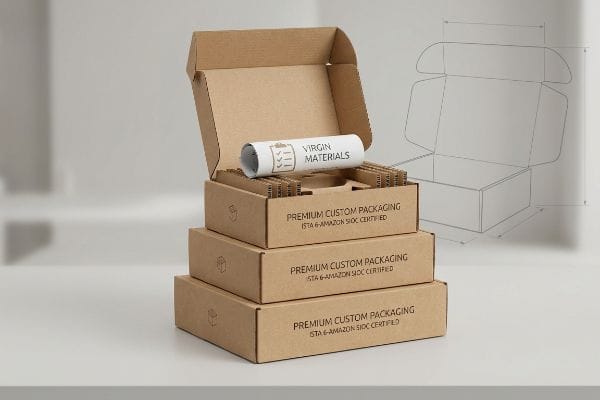
تخيل الألواح المموجة كأنها ممتصات صدمات في سيارتك؛ بمجرد مرورها فوق مئات الحفر، تفقد مرونتها، حتى لو بدا طلاءها الخارجي سليمًا. أرى باستمرار علامات تجارية تحاول التوفير على حساب الجودة بتعبئة منصات العرض في صناديق شحن معاد تدويرها مستهلكة. في مختبري، أستطيع أن أشعر بمرونة ألياف الورق المعاد تدويرها وضعف مقاومتها حتى قبل تحميلها على الشاحنة. والنتيجة دائمًا هي فقدان كبير في قوة الضغط،مما يضمن انهيار الطبقة الأساسية تحت حمولة ثقيلة على منصات نقالة عند مرورها عبر مركز فرز آلي. لضمان سلامة الشحنات، ألتزم التزامًا صارمًا باستخدام مواد جديدة تمامًا، وأستخدم صناديق شحن جديدة معتمدة من ISTA (الرابطة الدولية للنقل الآمن) وAmazon SIOC( الشحن في الحاوية الخاصة) لجميع الشحنات الصادرة، مما يمنع تمامًا تلفيات النقل وتكاليف استرداد الأموال الباهظة على تجار التجزئة.
| أخطاء شائعة للمبتدئين | الحل الاحترافي | فوائد أرضية البيع بالتجزئة |
|---|---|---|
| إعادة استخدام الصناديق المتضررة هيكليًا | إلزام استخدام ورق الكرافت المموج البكر | يستعيد 100% من سعة التحميل الديناميكي |
| تخطي اختبار النقل الآلي | تنفيذ اختبارات إسقاط ISTA 6 SIOC | يزيل أضرار التشققات الدقيقة الخفية |
| استخدام جدار واحد للبضائع الثقيلة | الترقية إلى صناديق شحن ذات جدار مزدوج | يمنع سحق الشحنات من الطبقة الأساسية |
لا أتهاون أبداً في سلامة الشحن الصادر. إن محاولة إعادة تدوير الكراتين الرئيسية المستهلكة داخل أكبر شبكة توزيع في البلاد هي وصفة مضمونة لتلف المخزون وغضب المشترين.
🛠️ مكتب هارفي: هل تعتمد على أنواع كرتون مموج غير موثقة ستتعرض للتشوه أثناء الفرز الآلي؟ 👉 احصل على تدقيق مجاني للكرتون المموج ↗ — بدون استمارات تُسبب مكالمات مبيعات لا تنتهي. قيمة حقيقية فقط.
كيف تربح شركات الخدمات اللوجستية الخارجية (3PL) المال؟
يعمل شركاء التوزيع بهوامش ربح لوجستية ضيقة للغاية، حيث يحققون الربح من كل نقطة اتصال مادية، ورف تخزين، وساعة عمل تشارك في نقل مخزونك من الميناء إلى الرف.
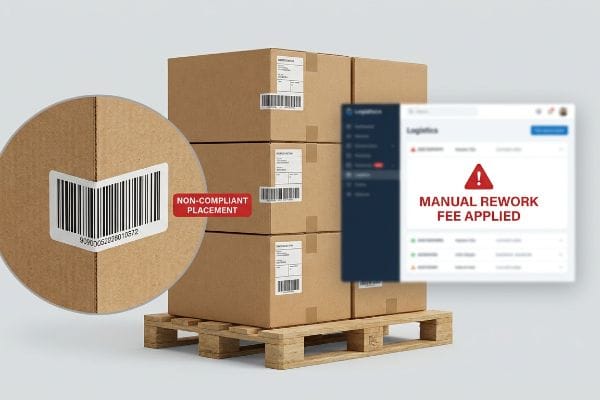
إن فهم كيفية ربح شركات الخدمات اللوجستية الخارجية (3PL) يكشف عن نموذج أعمال قائم على رسوم المعاملات، وتكاليف التخزين، والخدمات ذات القيمة المضافة. وتجني هذه الشركات إيراداتها من خلال فرض رسوم على العلامات التجارية مقابل استلام المنصات، ومساحة التخزين الشهرية، وعمالة التعبئة والتغليف، وهامش ربح الشحن، وبالتحديد، رسوم إعادة العمل اليدوي عندما تتطلب التعبئة غير المطابقة للمواصفات تدخلاً مادياً.
لكن معرفة النظرية لا تكفي عندما تبدأ الآلات بالعمل. ففي اللحظة التي تصل فيها بضائعك إلى رصيف الاستلام، يؤدي أي خطأ بسيط في التغليف إلى استنزاف ميزانيتك على الفور.
لماذا يؤدي استخدام مواد تغليف لوجستية غير متوافقة مع معايير الطرف الثالث إلى تدمير ميزانيتك؟
كثيراً ما تفترض فرق المشتريات أن شريكها في تنفيذ الطلبات يتحمل تكلفة الإزعاجات البسيطة كجزء من عقدها القياسي. ويتعاملون مع وضع الرموز الشريطية والملصقات كأمر ثانوي، مفترضين أنه طالما أن الملصق موجود في مكان ما على الكرتونة الرئيسية، فإن ماسحات المستودعات ستعالج المخزون تلقائياً.
من السهل تثبيت شاشة واحدة في المختبر، لكن إليك الحقيقة المُرّة عند شحن 500 شاشة إلى مركز لوجستي قاسٍ. في منشأتي، أرى باستمرار عملاءً يُرسلون تصاميم رائعة تتجاهل تمامًا معايير وضع الملصقات الصارمة لدى تجار التجزئة، مثل مناطق وضع الباركود UCC- 128 التي تفرضها وول مارت . عند قياس هذه الملفات الواردة، أجد غالبًا أن الباركود موضوع على بُعد 11.4 ملم (0.45 بوصة) من خط الطي السفلي. في المصنع، يعني هذا الاختلاف الطفيف أن الباركود يلتف حول الحافة السفلية أثناء الطي، مما يُنشئ منطقة غير قابلة للقراءة. عندما تصل هذه الشحنة إلى رصيف المستودع، تفشل الماسحات الضوئية الآلية في قراءة الخطوط المشوهة، مما يُوقف عملية الاستلام فورًا. لقد شاهدت مديري العمليات يُجبرون على إعادة العمل يدويًا، ويفرضون رسومًا باهظة بالساعة لإعادة طباعة كل صندوق وإعادة لصقه. من خلال تطبيق منطقة حظر صارمة للملصقات في مرحلة ما قبل الطباعة، وتثبيت الرمز الشريطي بدقة على بُعد 38.1 ملم (1.5 بوصة) من أي طية ، أضمن سلاسة عملية المسح الضوئي. هذا التصحيح الدقيق القائم على البيانات يُجنّب عملائي تأخيرات لوجستية هائلة، ويُلغي تمامًا رسوم إعادة التعبئة المفاجئة التي تستنزف ميزانية مشاريعهم.
| أخطاء شائعة للمبتدئين | الحل الاحترافي | فوائد أرضية البيع بالتجزئة |
|---|---|---|
| وضع الرموز الشريطية بالقرب من طيات الورق | تطبيق منطقة حظر دخول بعرض 1.5 بوصة12 | يضمن المسح التلقائي الفوري |
| تجاهل قواعد UCC-128 الخاصة بالبائعين13 | تحديد مناطق التسمية مسبقًا في برنامج التصميم بمساعدة الحاسوب (CAD) | يلغي رسوم إعادة العمل اليدوي |
| طباعة الملصقات على مواد داكنة اللون | تطبيق طبقة أساسية بيضاء صلبة14 | يمنع قراءات الماسح الضوئي الخاطئة |
أصمم عبوات تتكامل بسلاسة مع نموذج فوترة مزود الخدمات اللوجستية الخاص بك. حماية هامش ربحك تعني التخلص التام من نقاط الاحتكاك المادية التي تتسبب في تكاليف إعادة العمل الباهظة في المستودعات.
🛠️ مكتب هارفي: لا تدع عيبًا هيكليًا بحجم 2 مليمتر يُفسد إطلاقًا ضخمًا لـ 500 متجر. 👉 أرسل لي ملف تصميم القالب ↗ — سأُجري اختبارات دقيقة للحسابات قبل أن تُهدر ميزانيتك على الإنتاج الضخم.
خاتمة
يمكنك اختيار مزود خدمات لوجستية ممتاز، ولكن عندما يلتف رمز UCC-128 غير مثبت بشكل صحيح حول طية كرتونية، فإن أعطال الماسح الضوئي الناتجة تُجبر على إعادة التعبئة، مما يُبطئ خط الاستلام بنسبة 35% تقريبًا، ويقضي تمامًا على هامش ربحك. يستخدم أكثر من 500 مدير علامة تجارية قائمة التحقق الخاصة بي قبل الطباعة لتجنب هذه الأخطاء القاتلة في المراحل المبكرة. توقف عن التخمين بشأن امتثال المستودعات، ودعني أُراجع ملفاتك الهيكلية شخصيًا من خلال خدمة التدقيق المجاني قبل الطباعة ↗ لاكتشاف هذه العوامل الخفية التي تُهدر الأرباح قبل بدء الإنتاج.
"فوائد الاستعانة بمصادر خارجية لتعبئة المنتجات التعاقدية مع شريك لوجستي طرف ثالث - موجيل"، https://mugele.com/blog/benefits-of-outsourcing-contract-packaging-to-a-3pl-partner/. [سيقدم مصدر موثوق في مجال الخدمات اللوجستية أو سلسلة التوريد تفاصيل الخدمات ذات القيمة المضافة المحددة للتعبئة المشتركة ضمن عمليات الطرف الثالث اللوجستية لتوزيع التجزئة]. دور الدليل: التحقق من الحقائق؛ نوع المصدر: تحليل القطاع. يدعم: مشاركة الطرف الثالث اللوجستية في التعبئة المشتركة لتوزيع التجزئة. ملاحظة النطاق: خاص بتوزيع التجزئة. ↩
"خفض تكاليف العمالة في خطوط التعبئة والتغليف بتغييرات بسيطة في التغليف"، https://www.pacificbox.com/box-resources/cut-pack-line-labor-costs-with-simple-packaging-changes. [يمكن لدراسة كفاءة الخدمات اللوجستية أو دليل هندسة التغليف أن يوضح كيف يُقلل تبسيط عملية التجميع باستخدام مكونات مُلصقة مسبقًا من ساعات العمل لكل وحدة]. دور الدليل: التحقق الفني؛ نوع المصدر: ورقة بحثية صناعية. يدعم: الادعاء بأن التغليف المُبسط يُقلل من أجور العمالة اليدوية. ملاحظة: قد تختلف النتائج بناءً على حجم المنتج ومدى تعقيده. ↩
"وقت التجميع والمواد اللاصقة. - FineWoodworking"، https://www.finewoodworking.com/forum/assembly-time-and-glues?srsltid=AfmBOooSTiu7Z7rNyEQSgaF3DdlABdpr-8ye6NchJxOTsi3T1B0DpqlZ. [تُظهر المعايير الصناعية لتجميع العبوات والتغليف انخفاضًا كميًا في الوقت المُستغرق باستخدام المكونات المُلصقة مسبقًا بدلًا من الطي اليدوي]. دور الدليل: التحديد الكمي؛ نوع المصدر: تقرير صناعي. يدعم: تحسين كفاءة الصواني المُلصقة مسبقًا. ملاحظة: قد يختلف توفير الوقت الفعلي بناءً على أبعاد المنتج. ↩
"أنظمة الرؤية لفحص التغليف: الدليل الأساسي"، https://www.elementaryml.com/blog/vision-systems-for-packaging-inspection-the-essential-guide. [تشير الأبحاث في مجال التصنيع الرشيق والإدارة المرئية إلى أن الأدلة المرئية الخالية من النصوص تقلل بشكل ملحوظ من الأخطاء البشرية في خطوط التجميع مقارنةً بالتعليمات النصية]. دور الدليل: التحقق؛ نوع المصدر: دراسة محكمة. يدعم: تقليل الأخطاء من خلال الأدلة المرئية. ملاحظة: تعتمد الفعالية على وضوح الرموز المستخدمة. ↩
أبعاد رفوف التخزين: أحجام قياسية لتحقيق أقصى قدر من الكفاءة، https://matcodist.com/pallet-racking-dimensions/. [تؤكد معايير الصناعة الخاصة بمستودعات الطرف الثالث اللوجستية أن أنظمة الرفوف تُحسَّن بناءً على أبعاد المنصات القياسية، مثل منصات GMA أو المنصات الأوروبية، لضمان التوافق وزيادة كثافة التخزين إلى أقصى حد]. دور الدليل: التحقق من الحقائق؛ نوع المصدر: معيار صناعي. يدعم: دور المنصة كأساس لتحسين الرفوف. ملاحظة: توجد اختلافات إقليمية في معايير المنصات. ↩
"منصة GMA: أبعاد 48 × 40، والدرجات والأسعار (دليل 2026)"، https://www.repackify.com/blog/what-is-a-gma-pallet-48×40-standard-grades-pricing?srsltid=AfmBOoozv_ZkeQZLcJcJX2y2lvDnea9TSBNNzlkt4jKu-qqtfyx9iGpn. [يمكن لدليل لوجستي معياري في الصناعة أو مواصفات GMA الخاصة أن تؤكد أن بُعد 48×40 بوصة هو المعيار القياسي لتعبئة المنصات في أمريكا الشمالية]. دور الدليل: مواصفات فنية؛ نوع المصدر: معيار صناعي. يدعم: توحيد حجم المنصات. ملاحظة النطاق: ينطبق بشكل أساسي على سلاسل التوريد في أمريكا الشمالية. ↩
"دراسة تأثير الثقوب على قدرة تحمل الأحمال..."، https://pmc.ncbi.nlm.nih.gov/articles/PMC11396172/. [تشرح مصادر هندسة التغليف الموثوقة كيف تتدهور السلامة الهيكلية وقوة الضغط للكرتون المموج بعد الاستخدام الأول، بغض النظر عن المظهر الخارجي. دور الدليل: التحقق الفني؛ نوع المصدر: معيار صناعي/دليل هندسي. يدعم: مخاطر استخدام العبوات المعاد استخدامها لتلبية طلبات الشركات. ملاحظة النطاق: ينطبق تحديدًا على الورق المقوى المموج.] ↩
[ملف PDF] مقارنة بين الورق المقوى الخام والمعاد تدويره، بقلم ليزا تشاو، أطروحة...، https://vuir.vu.edu.au/18233/1/ZHAO_1993compressed.pdf. [دراسات فنية على مواد الكرتون المموج تُحدد كميًا انخفاض قيم اختبار ضغط الصناديق (BCT) عند استخدام الألياف المعاد تدويرها مقارنةً باللب الخام]. دور الدليل: التحقق الفني؛ نوع المصدر: دراسة في علم المواد. يدعم: الادعاء بأن ألياف الورق المعاد تدويرها تُضعف السلامة الهيكلية. ملاحظة النطاق: خاص بمقاييس ألواح الألياف المموجة. ↩
[ملف PDF] 6-amazon.com-sioc – الرابطة الدولية للنقل الآمن، https://ista.org/docs/6AmazoncomSIOCOverview.pdf. [تُحدد منظمة ISTA وإرشادات أمازون للتغليف بروتوكولات الاختبار الخاصة بشهادة "الشحن في الحاوية الخاصة" (SIOC)]. دور الدليل: التحقق القياسي؛ نوع المصدر: وثيقة اعتماد صناعية. يدعم: صحة وتطبيق الاختبارات المتخصصة لمنع تلف الشحنات أثناء النقل. ملاحظة النطاق: ينطبق تحديدًا على النظام اللوجستي لأمازون. ↩
"معايير GS1 لتصنيف المنتجات في متاجر التجزئة: متطلبات وول مارت، وتارجت، وغيرها"، https://getproductiv.com/gs1-labeling-retail. [تحدد أدلة موردي وول مارت الرسمية إحداثيات ومواقع محددة لوضع رموز UCC-128 الشريطية لضمان التوافق مع أنظمة الاستلام الآلية]. دور الدليل: التحقق من الامتثال؛ نوع المصدر: وثيقة مواصفات الشركة. يدعم: وجود معايير هندسية صارمة لتصنيف المنتجات لدى تجار التجزئة. ملاحظة النطاق: خاص بمتطلبات وول مارت اللوجستية. ↩
"وضع الباركود بشكل صحيح - GS1 السويد"، https://gs1.se/en/guides/how-to-guides/position-the-barcode-correctly/. [تحدد معايير هندسة التغليف للخدمات اللوجستية الحد الأدنى من المناطق الخالية حول الباركود لمنع التشوه وفشل المسح الضوئي أثناء الطي]. دور الدليل: مواصفات فنية؛ نوع المصدر: معيار صناعة التغليف. يدعم: تطبيق منطقة حظر الملصق. ملاحظة النطاق: قد تختلف المسافات المطلوبة بناءً على أبعاد الباركود وحساسية الماسح الضوئي. ↩
"ما يجب معرفته عن الرموز الشريطية ورموز UPC لملصقات المنتجات"، https://www.bluelabelpackaging.com/blog/barcode-basics-what-to-know-about-barcodes-and-upcs-for-product-labels/. [تحدد معايير وضع الملصقات في الصناعة هوامش دنيا، غالبًا حوالي 1.5 بوصة، لضمان عدم إعاقة الرموز الشريطية بالطيات أو حواف العبوة]. دور الدليل: المواصفات الفنية؛ نوع المصدر: دليل الخدمات اللوجستية؛ يدعم: فعالية وضع الملصق؛ ملاحظة النطاق: قد تختلف المتطلبات قليلاً حسب بائع التجزئة المحدد]. ↩
"التعامل مع متطلبات الامتثال لمعيار UCC-128 - نظام إدارة المستودعات Da Vinci"، https://dvunified.com/general/shipping-to-retail-navigating-ucc-128/. [يُعدّ معيار UCC-128 (المعروف الآن باسم GS1-128) المعيار العالمي لتصنيف الخدمات اللوجستية، حيث يُحدد بدقة هياكل البيانات وتصميماتها لضمان شفافية سلسلة التوريد]. دور الدليل: معيار صناعي؛ نوع المصدر: هيئة تنظيمية؛ يدعم: الامتثال للخدمات اللوجستية؛ ملاحظة النطاق: يركز على معيار GS1]. ↩
"حلول جودة الباركود ليست بالأبيض والأسود | إنك تانك"، https://www.kaocollins.com/inktank/solutions-for-barcode-quality-not-black-and-white/. [تعتمد الماسحات الضوئية على التباين العالي؛ ويضمن تطبيق طبقة أساسية بيضاء أن تلبي الباركودات المطبوعة على مواد داكنة متطلبات الانعكاس اللازمة لنجاح عملية المسح الضوئي]. دور الدليل: آلية تقنية؛ نوع المصدر: دليل صناعة الطباعة؛ يدعم: قابلية قراءة الماسح الضوئي؛ ملاحظة النطاق: ينطبق على الطباعة الحرارية والرقمية]. ↩