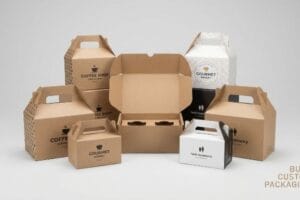
أصبح التعامل مع قنوات البيع بالتجزئة أكثر صعوبة من أي وقت مضى. تشهد العلامات التجارية تبخر هوامش أرباحها قبل حتى أن تصل المنتجات إلى رفوف المتاجر، مما يدفع مديري التسويق إلى البحث عن حلول مستدامة.
تشمل التحديات التي تواجه صناعة السلع الاستهلاكية المعبأة انخفاضًا حادًا في هوامش الربح، ومتطلبات امتثال صارمة من تجار التجزئة، وتقلبات في تكاليف المواد، وتجزئة سلاسل التوريد. ويتعين على العلامات التجارية الموازنة بين أهداف الاستدامة الطموحة والمتطلبات اللوجستية الكبيرة، مما يؤدي غالبًا إلى إخفاقات معقدة في متاجر التجزئة الفعلية تقضي تمامًا على هوامش الربح المتوقعة.
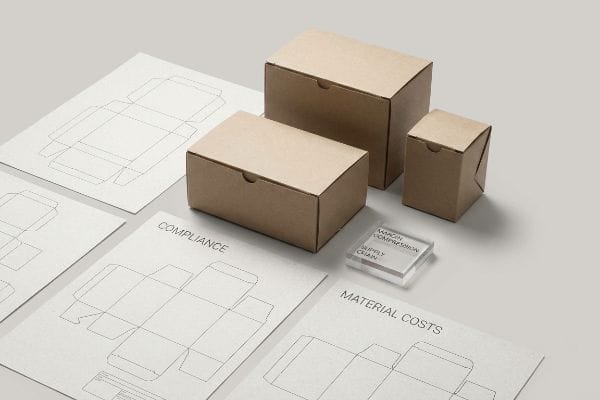
لكن تحديد هذه العقبات النظرية ليس سوى الخطوة الأولى. دعونا نحلل بدقة مواطن الخلل في هذه الحملات على أرض الواقع في متاجر البيع بالتجزئة.
لماذا تعاني شركات السلع الاستهلاكية؟
تُعاني العديد من العلامات التجارية من استنزاف ميزانياتها لأنها تُسيء فهم كيفية تأثير عمليات الشراء على تنفيذ عمليات البيع بالتجزئة.
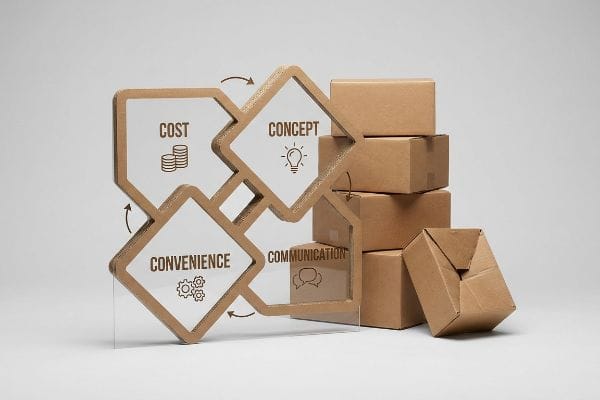
يعود سبب معاناة شركات السلع الاستهلاكية إلى خلل في عناصر التغليف الأربعة. فغالباً ما تركز فرق المشتريات بشكل مفرط على تكلفة الوحدة الخام، متجاهلةً جودة الورق المقوى الهيكلي، مما يؤدي حتماً إلى تدمير سهولة التجميع والتواصل المادي من خلال أضرار النقل الكارثية وتحميل تجار التجزئة تكاليف إضافية.
قد تُظهر جداول البيانات توفيراً هائلاً، لكن أرضية المصنع تحكي قصة أكثر قتامة.
فخ عدم التوازن في "العوامل الأربعة" في عمليات شراء السلع الاستهلاكية
عند التخطيط لإطلاق منتج ضخم، تعتمد فرق التمويل بطبيعة الحال على إطار العمل التجاري الذي يشمل التكلفة، والمفهوم، وسهولة الاستخدام، والتواصل.ولحماية هوامش الربح، غالبًا ما تعزل إدارة المشتريات معيار التكلفة، مما يجبر الموردين على خفض أسعار مواد الكرتون المموج الخام. ويفترضون أن جدارًا من الكرتون أرق قليلًا لن يؤثر بشكل ملحوظ على التصميم النهائي المطبوع عند عرضه تحت أضواء المتجر الفلورية.
أرى هذا يحدث باستمرار عندما يُقلل أحد المشترين من جودة الكرتون المموج الثقيل من النوع B لتوفير بضعة دولارات. عند وصول الشحنة، أسمع صوت طقطقة مزعجة ناتجة عن انهيار التجعيدات الداخلية تحت أحزمة المنصة. يضطر عامل التعبئة والتغليف إلى استخدام شريط لاصق شفاف فوضوي لتثبيت الزوايا الممزقة، مما يُبطئ خط التجميع بشكل كبير بنسبة تُقدر بـ 30%.إنه فخ كلاسيكي يقع فيه حتى فرق المشتريات ذات الخبرة، مما يُثبت أن الكرتون الرخيص هو أغلى خطأ يُمكن ارتكابه.
| أخطاء شائعة للمبتدئين | الحل الاحترافي | فوائد أرضية البيع بالتجزئة |
|---|---|---|
| تخفيض درجات الامتحانات لتوفير المال | فرض معايير هيكلية موحدة | يمنع التكسير أثناء النقل |
| تجاهل عمالة التجميع في المراحل اللاحقة | ألسنة قفل هندسية بدون احتكاك | يوفر 30% من وقت التعبئة المشتركة3 |
| التعامل مع التكلفة كمتغير معزول | تحقيق التوازن في منظومة التغليف بأكملها | يمنع عمليات رد المبالغ المدفوعة من قبل تجار التجزئة4 |
أرفض التنازل عن سلامة الهيكل الأساسي لتمويل عمليات تجميلية زائدة. من خلال ربط قوة المواد بسرعة التجميع اللاحقة رياضياً، أضمن أن تحقق حملتك عائدًا إيجابيًا بدلاً من أن تتسبب في رفض تجار التجزئة.
🛠️ مكتب هارفي: هل تُهدر عروضك الحالية أرباحك سرًا على خط الإنتاج؟ 👉 احصل على تدقيق هيكلي ↗ — تواصل مباشر مع مكتبي. أعدك بعدم تلقي أي رسائل تسويقية آلية مزعجة.
ما هي الاتجاهات الحالية في صناعة السلع الاستهلاكية المعبأة؟
الجميع يريد بصمة بيئية أكثر استدامة، مما يدفع العلامات التجارية إلى إجراء إصلاح جذري لمواد التعبئة والتغليف الخاصة بها لتلبية معايير الأداء الصارمة للمتاجر الكبرى.
تُولي الاتجاهات الحالية في صناعة السلع الاستهلاكية المعبأة أهمية بالغة للاستدامة، بما في ذلك اعتماد بطانات اختبار معاد تدويرها، وإمكانية إعادة تدويرها من مصادر محلية، واستخدام البلاستيك الحيوي. وتتجه العلامات التجارية بسرعة نحو التخلي عن أغشية البترول أحادية الاستخدام، والتحول إلى هياكل أحادية المادة وطلاءات مائية صديقة للبيئة، وذلك لتلبية متطلبات التدقيق البيئي العالمي الصارمة واشتراطات تجار التجزئة.
إن التحول إلى ممارسات صديقة للبيئة أمر رائع للعلاقات العامة، لكن تنفيذه دون فهم كيمياء المواد يخلق صداعاً لوجستياً هائلاً.
لماذا تفشل التوجهات "الخضراء" غالباً في اختبار قابلية إعادة تدوير الورق المقوى المموج؟
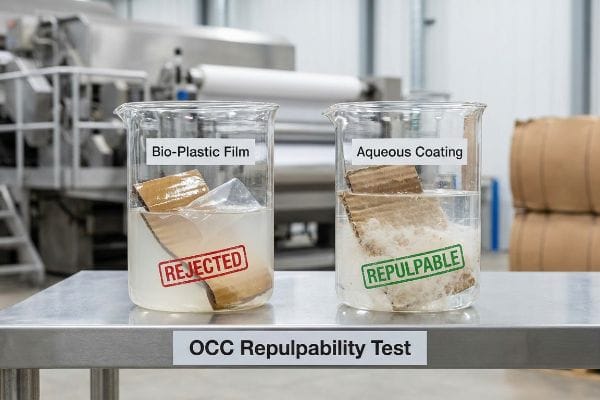
مدفوعةً بالتوجهات البيئية المتزايدة، غالباً ما تُلزم فرق التسويق باستخدام أغلفة بلاستيكية حيوية من حمض البوليلاكتيك (PLA) لتغليفمنتجاتها الكرتونية .ويفترضون أن هذا الغلاف النباتي يضمن تلقائياً الامتثال البيئي الكامل لعمليات إعادة تدوير عبوات الكرتون المموج القديمة (OCC). ويُعجب المصممون باللمعان المميز الذي يوفره، مما يُلبي فعلياً متطلبات الجمال والاستدامة في مشاريعهم.
ما لا يدركونه هو كيفية عمل حوض إعادة تدوير الورق في مصانع الورق التقليدية. فعند محاولة إعادة تدوير هذا الغلاف البلاستيكي، يصدّ الغلاف البلاستيكي الصلب الماء بشدة، تاركًا بقايا سميكة لزجة تُفسد لب الورق. لقد شاهدتُ دفعات كاملة تُرفض لأن هذا الغشاء الحيوي العنيد لا يذوب، مما يُجبر بائع التجزئة على تحويل ما يُسمى بالغلاف الأخضر مباشرةً إلى مكب النفايات. إذا أردتَ استدامة حقيقية، فعليك تصميم منشأة إعادة التدوير وفقًا للتركيب الكيميائي الدقيق للورق.
| أخطاء شائعة للمبتدئين | الحل الاحترافي | فوائد أرضية البيع بالتجزئة |
|---|---|---|
| باستخدام رقائق بلاستيكية حيوية صلبة | التحول إلى الطلاءات المائية السائلة6 | يضمن إعادة التدوير على جانب الطريق |
| بافتراض ذوبان جميع المواد "الصديقة للبيئة" | مطابقة الطلاء مع التركيب الكيميائي لمصانع الورق7 | يمنع رفض المنشأة |
| إعطاء الأولوية للتستر على الامتثال | باستخدام ورنيشات صديقة للبيئة عالية الصلابة | يحافظ على جماليات راقية |
أقوم دائمًا بإزالة البلاستيك الحيوي الصلب واستبداله بطبقات مائية سائلة. تذوب هذه المادة البوليمرية السائلة بسلاسة، مما يجعل شاشات العرض قابلة لإعادة التدوير بالكامل مع الحفاظ على اللمسة النهائية الراقية التي تليق بمتاجر التجزئة.
🛠️ مكتب هارفي: هل أنت متأكد من أن طلاءك الجديد الصديق للبيئة سيصمد فعلاً في مصنع الورق؟ 👉 اطلب مراجعة للمواد ↗ — حمّل الملف بأمان. صندوق رسائلي مفتوح إذا كانت لديك أي أسئلة لاحقاً.
ما هو اتجاه سوق السلع الاستهلاكية في عام 2026؟
إن الموجة التالية من تجارة التجزئة تتحول من الصناديق المطبوعة الثابتة إلى نقاط اتصال تفاعلية للغاية تعتمد على البيانات مع المستهلكين.
يتمحور توجه قطاع السلع الاستهلاكية في عام 2026 بالكامل حول شاشات العرض الذكية والتفاعلية في متاجر التجزئة، والتي تدمج تقنيات الواقع المعزز، ومشغلات الفيديو الرقمية، وشاشات الكريستال السائل. وستركز العلامات التجارية على دمج التكنولوجيا في هياكل الكرتون المموج المستدامة، ودمج التفاعل الرقمي الديناميكي مع متطلبات إعادة التدوير الصارمة للمواد الأحادية، وذلك لجذب انتباه المتسوقين ذوي وتيرة التسوق السريعة.
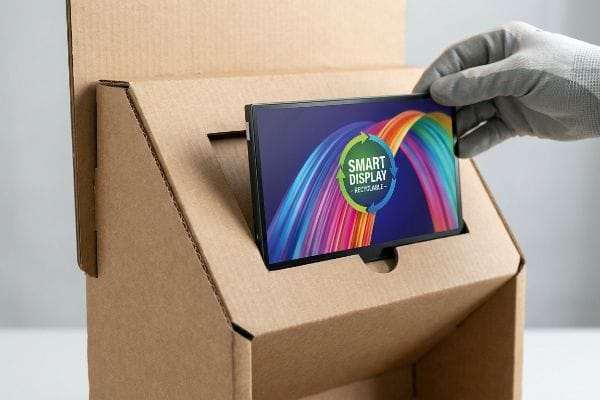
إن تثبيت الأجهزة الرقمية على قطعة من الورق المقوى يبدو مبتكراً، لكن التخلص منها في نهاية عمرها الافتراضي بمثابة قنبلة موقوتة.
إدارة مسؤولية استخراج النفايات الإلكترونية في الشاشات الذكية
مع تسارع العلامات التجارية لنشر الشاشات الرقمية ومشغلات الفيديو المدمجة في منصات عرض منتجاتها، غالباً ما تتعامل مع هذه الأجهزة الإلكترونية كعناصر ثابتة. وتحدد فرق المشتريات مواد لاصقة صناعية لتثبيت وحدات شاشات الكريستال السائل (LCD) الحساسة هذه مباشرةً على ألواح الكرتون المموج. ويفترضون أن موظفي المتاجر سيفصلون المواد المختلطة بعناية باستخدام أدوات متخصصة بمجرد انتهاء فترة العروض الترويجية الموسمية
تخيل الأمر كأنك تحاول نزع شريط لاصق عن منديل ورقي مبلل. لقد رأيتُ موظفين في غرف خلفية لمتاجر كبيرة، وهم في عجلة من أمرهم، يكسرون بعنف أغطية كرتونية ملصقة لمجرد إخراج بطارية، مما يُسبب جروحًا في أيديهم بسبب الحواف البلاستيكية الحادة. إذا لم تخرج الشاشة فورًا، يرمي البائع الجهاز بأكمله في سلة المهملات الورقية، مما يُعرّض المتجر لغرامات باهظة بسبب النفايات الخطرة،ويُؤدي إلى إدراج علامتك التجارية في القائمة السوداء بشكل دائم.
| أخطاء شائعة للمبتدئين | الحل الاحترافي | فوائد أرضية البيع بالتجزئة |
|---|---|---|
| لصق الشاشات بالورق المقوى | تجاويف الأجهزة ذات القفل الاحتكاكي الهندسي | يسمح بإزالة سريعة خلال 3 ثوانٍ |
| تجاهل التخلص في نهاية العمر الافتراضي | تصميم أغطية قابلة للفتح بدون أدوات | يمنع غرامات النفايات الإلكترونية |
| إنشاء مصائد من مواد مختلطة | الفصل التام بين الإلكترونيات والورق | يضمن امتثال تجار التجزئة |
أمنع منعاً باتاً استخدام المواد اللاصقة الدائمة للمكونات الرقمية، وأعتمد بدلاً منها على تصميم تجاويف دقيقة تعمل بتقنية الاحتكاك. وهذا يضمن إمكانية إخراج أي شاشة مدمجة بسهولة تامة دون الحاجة إلى أدوات، مما يفي تماماً بمعايير التخلص الآمن من النفايات الإلكترونية في قطاع التجزئة.
🛠️ مكتب هارفي: هل تواجه صعوبة في تركيب الشاشات الرقمية دون التأثير على قابليتها لإعادة التدوير؟ 👉 احصل على قالب التصميم بمساعدة الحاسوب ↗ — لا توجد استمارات تُسبب مكالمات مبيعات لا تنتهي. قيمة حقيقية فقط.
ما هي أكبر التحديات التي تواجه قطاع تجارة التجزئة؟
إن نقل البضائع المادية عبر سلسلة التوريد العالمية القاسية هو المكان الذي تلتقي فيه الحملات التسويقية الرائعة بالواقع المادي القاسي.
تشمل أبرز التحديات التي تواجه قطاع التجزئة اضطرابات حادة في سلاسل التوريد، وارتفاع تكاليف الخدمات اللوجستية، والقيود الصارمة على المساحة المخصصة لكل جزء من منصات التحميل، وأضرار النقل. ويسعى تجار التجزئة جاهدين لتحقيق أقصى استفادة من مساحة العرض مع تجنب الانهيارات الهيكلية الكارثية التي تحدث عند تكديس أنظمة التغليف الثقيلة بشكل غير صحيح أو عدم محاذاتها أثناء فرز البضائع في المستودعات.
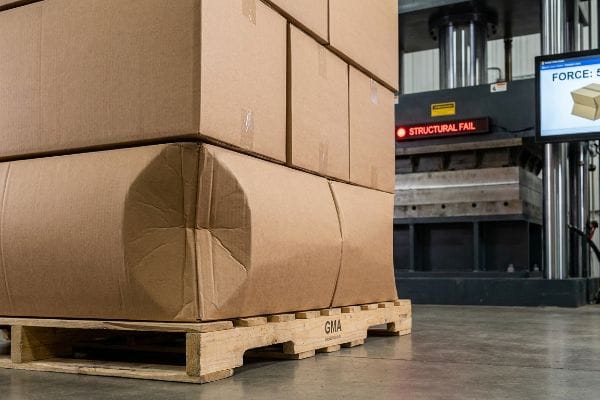
لكن معرفة النظرية لا تكفي عندما تبدأ الآلات بالعمل وتبدأ الرافعات الشوكية بالرفع.
لماذا تفشل هندسة الحاويات القياسية في أرضية المصنع؟
كثيراً ما تقوم فرق المشتريات بتوسيع أبعاد حاويات الشحن الرئيسية لزيادة حجم الوحدات التي يمكن تعبئتها في حاوية واحدة من نوع 40HQ (مكعب عالي). ويعتمدون كلياً على شهادات المواد النظرية الصادرة عن الجمعية الأمريكية لاختبار المواد (ASTM)، مفترضين أن لوحاً سميكاً يتحمل اختبار مقاومة السحق على الحواف (44ECT) سيحمي البضائع بسهولة. ويوافقون على خطوط القطع من مكاتبهم، متجاهلين تماماً كيفية تفاعل الشكل الهندسي مع منصة نقالة خشبية قياسية من نوع GMA (رابطة مصنعي البقالة) بأبعاد 48×40 بوصة (121.9×101.6 سم).
في منشأتي، أرى بشكل روتيني كيف تتسبب هذه الحسابات النظرية في انهيارات هيكلية هائلة. فعندما يتجاوز كرتون المشتري الرئيسي حافة المنصة بمقدار 12.7 ملم فقط، أراقب مكبس الضغط الهيدروليكي الذي يزن 2267.9 كجم وهو يكشف العيب فورًا. تفقد تلك الزوايا غير المدعومة 60% من قوة اختبار ضغط الصندوق، مما يؤدي إلى انحناء الطبقة السفلية للخارج بشكل واضح وانبعاجها. من خلال تطبيق حد صارم لعدم بروز أي جزء من الكرتون في برنامج التصميم بمساعدة الحاسوب، أضمن أن تتحمل الزوايا الهيكلية القوة الحقيقية، مما يمنع تمامًا تلف المخزون ويوفر على العملاء آلاف الدولارات من رسوم الشحن الجزئي.
| أخطاء شائعة للمبتدئين | الحل الاحترافي | فوائد أرضية البيع بالتجزئة |
|---|---|---|
| السماح للصناديق بالبروز فوق المنصات | فرض حدود بدون بروز | يحافظ على 60% من قوة الزاوية9 |
| الثقة العمياء في مقاييس مجلس الإدارة الخام | إجراء اختبارات الضغط الهيدروليكي الديناميكي | يحاكي عبور المحيط الحقيقي |
| تعظيم الحجم على حساب الاستقرار | تقليص مساحة البصمة بمقدار 0.5 بوصة (12.7 ملم)10 | يلغي عمليات رد رسوم الشحن |
إنّ جعل شاشة واحدة تصمد أمام اختبار السقوط في المختبر أمرٌ سهل، لكنّ توسيع نطاقها يتطلب دقة هندسية متناهية. أقوم بتقليص مساحة الكرتون بشكل مصطنع لضمان ثبات الزوايا، والحفاظ على هوامش الأمان طوال فترة النقل البحري.
🛠️ مكتب هارفي: هل تعلم بالضبط مقدار القوة الهيكلية التي تفقدها بسبب بروز نصف بوصة من المنصة؟ 👉 أرسل لي ملف تصميم القالب الخاص بك ↗ — سأقوم باختبار الحسابات قبل أن تهدر ميزانيتك على الإنتاج الضخم.
خاتمة
يمكنك البحث عن أرخص مورد للكرتون المموج عبر الإنترنت، ولكن عندما يتجاوز حجم الكرتون الرئيسي المُحمّل فوق طاقته حدود المنصة وينثني بشكل كارثي داخل مستودع رطب، فإن أضرار النقل الناتجة ستقضي تمامًا على هامش ربح حملتك. يستخدم أكثر من 500 مدير علامة تجارية قائمة التحقق الخاصة بي قبل الطباعة لتجنب هذه الأخطاء القاتلة في المراحل المبكرة. توقف عن التخمين بشأن التفاوتات الهيكلية، ودعني أراجع شخصيًا هندسة كرتون الشحن الرئيسي الخاص بك من خلال خدمة تدقيق القوالب المجانية ↗ لاكتشاف حالات فشل الضغط الخفية هذه قبل بدء الإنتاج الضخم.
"العناصر الأربعة للتسويق والسلع الاستهلاكية المعبأة: تطبيق مبادئ التسويق الأساسية على..."، https://medium.com/@vanessa_28856/the-4-cs-and-cpg-applying-foundational-marketing-principles-to-cpg-food-packaging-design-strategy-f396ad5692f6. يمكن لمصدر موثوق في إدارة سلسلة توريد السلع الاستهلاكية المعبأة أو تصميم التغليف أن يؤكد وجود هذا الإطار وتطبيقه. دور الدليل: التحقق المفاهيمي؛ نوع المصدر: كتاب أو ورقة بحثية متخصصة في هذا المجال. يدعم: وجود إطار تخطيط معياري للسلع الاستهلاكية المعبأة. ملاحظة النطاق: تحديدًا ضمن سياقات طرح منتجات السلع الاستهلاكية المعبأة. ↩
"تحسين الإنتاجية من خلال موازنة خط التجميع باستخدام..."، https://pmc.ncbi.nlm.nih.gov/articles/PMC10788436/. دراسات موثوقة في مجال الخدمات اللوجستية أو كفاءة العمليات تُظهر تباطؤًا قابلًا للقياس في سرعات التعبئة والتغليف عند حدوث أعطال في التغليف الثانوي تتطلب تدخلًا يدويًا. دور الدليل: التحقق الكمي؛ نوع المصدر: تقرير معياري صناعي. يدعم: الادعاء بأن تخفيض جودة التغليف يُسبب خسائر محددة في الإنتاجية. ملاحظة: قد تختلف التقديرات باختلاف فئة المنتج. ↩
"تأثير خطوط الطي التناظرية والرقمية على العمليات الميكانيكية... - PMC"، https://pmc.ncbi.nlm.nih.gov/articles/PMC9268991/. بيانات صناعية موثوقة أو دراسات حالة هندسية تُظهر انخفاضًا كميًا في وقت التجميع من خلال تحسينات التغليف الهيكلي. دور الدليل: التحقق التجريبي؛ نوع المصدر: ورقة عمل صناعية أو دراسة فنية. يدعم: ادعاء كفاءة بنسبة 30%. ملاحظة النطاق: ينطبق على التعبئة المشتركة الآلية واليدوية. ↩
"تأثير العناصر البصرية لتصميم التغليف على الشراء..."، https://pmc.ncbi.nlm.nih.gov/articles/PMC11851823/. توثيقٌ حول كيفية تقليل التحسين الشامل للتغليف لأخطاء الشحن والأضرار ومخالفات الامتثال التي تُؤدي إلى فرض غرامات على تجار التجزئة. دور الدليل: علاقة سببية؛ نوع المصدر: دليل الخدمات اللوجستية لتجار التجزئة. يدعم: الادعاء بأن موازنة النظام البيئي تُزيل عمليات رد المبالغ المدفوعة. ملاحظة النطاق: يعتمد على أدلة الامتثال الخاصة بكل تاجر تجزئة. ↩
"طلاء ورقي قابل لإعادة التدوير والتحلل الحيوي مع مواد وظيفية..."، https://pmc.ncbi.nlm.nih.gov/articles/PMC11948148/. معيار صناعي أو دراسة فنية توضح ما إذا كانت طبقات PLA تتداخل مع عملية إعادة تدوير الورق المقوى المموج (OCC). دور الدليل: التحقق الفني؛ نوع المصدر: مجلة علوم المواد أو معيار صناعي لإعادة التدوير. يدعم: الادعاء المتعلق بتأثير PLA على الامتثال البيئي للورق المقوى المموج (OCC). ملاحظة النطاق: يركز على عدم توافق البلاستيك الحيوي مع البنية التحتية التقليدية لإعادة تدوير الورق. ↩
"إمكانية إعادة تدوير الورق المقوى المموج المطلي"، https://imisrise.tappi.org/download.aspx?key=91OCT079. إثبات تقني يُظهر أن الطلاءات المائية تُسهّل استعادة الألياف مقارنةً بالتغليف البلاستيكي. دور الدليل: التحقق التقني؛ نوع المصدر: دراسة إدارة النفايات. يدعم: الادعاء بأن الطلاءات المائية تُتيح إعادة التدوير المنزلي. ملاحظة النطاق: خاص بالتغليف الورقي. ↩
دراسة بعنوان: "تأثير المواد الكيميائية المستخدمة في طلاء الورق"، https://allanchem.com/study-impact-of-coating-chemicals-on-paper/. تؤكد الدراسة على ضرورة توافق المواد الكيميائية المستخدمة في الطلاء لتجنب رفض المنتج أثناء عملية اللب. دور الدليل: التحقق من العملية؛ نوع المصدر: دليل هندسي صناعي. يدعم الدليل الادعاء بأن التوافق الكيميائي يمنع رفض المنتج. ملاحظة النطاق: ينطبق على الورق المقوى المعاد تدويره (OCC) وأنواع الورق المختلطة. ↩
"الإلكترونيات والنفايات الإلكترونية - إدارة الصرف الصحي في مدينة نيويورك - NYC.gov"، https://www.nyc.gov/site/dsny/collection/get-rid-of/electronics.page. من شأن مصدر موثوق بشأن اللوائح البيئية (مثل وكالة حماية البيئة أو توجيه الاتحاد الأوروبي بشأن نفايات المعدات الكهربائية والإلكترونية) أن يؤكد العقوبات القانونية والمالية التي يواجهها تجار التجزئة لتلويثهم مسارات إعادة التدوير بالنفايات الإلكترونية. دور الدليل: التحقق؛ نوع المصدر: لائحة حكومية. يدعم: خطر الغرامات المترتبة على التخلص غير الصحيح من النفايات الإلكترونية. ملاحظة: تختلف العقوبات المحددة باختلاف الولاية القضائية. ↩
"النسخة المُقدَّمة (672.09 كيلوبايت)"، https://vtechworks.lib.vt.edu/bitstreams/359cd5e6-7099-48a8-9a3b-60aeee6db278/download. بيانات هندسية مُفصَّلة حول كيفية منع فقدان الضغط في عبوات الكرتون المُموَّج عن طريق تجنُّب بروز المنصات. دور الدليل: المواصفات الفنية؛ نوع المصدر: دليل هندسة اللوجستيات. يدعم: مقياس الحفاظ على القوة النوعية بنسبة 60%. ملاحظة النطاق: ينطبق على حاويات الشحن الكرتونية المُموَّجة القياسية. ↩
"كيفية منع بروز المنصات في عمليات إنتاج أعلاف الحيوانات"، https://www.bwpackaging.com/blog/how-to-prevent-pallet-overhang-in-animal-feed-operations. معايير الصناعة لخلوص المنصات لضمان استقرار الحمولة والامتثال لأبعاد شركات النقل لتجنب غرامات التأخير. دور الدليل: معيار صناعي؛ نوع المصدر: دليل تنظيمي للشحن. يدعم: توصية التخفيض بمقدار 0.5 بوصة. ملاحظة النطاق: خاص بأبعاد المنصات القياسية في أمريكا الشمالية. ↩