هل تتسبب منتجاتك السائلة الثقيلة في انهيار أرفف المتاجر العادية؟ إن الضغط بوزن مركز على كرتون رخيص يضمن تلفها أثناء النقل، مما يُحبط مديري المتاجر ويقضي فعلياً على هوامش ربحك.
تُصمَّم أفضل عروض المشروبات باستخدام ألواح كرتونية مموجة عالية الكثافة مزودة بحواجز مقاومة للرطوبة. ونظرًا لأن السوائل الثقيلة تُولِّد قوى ضغط ديناميكية هائلة أثناء النقل، فإن تجار التجزئة الناجحين يُلزمون بإجراء اختبارات تحميل فيزيائية صارمة وتصميمات هندسية دقيقة لمنع انهيار ممرات العرض بشكل كارثي.
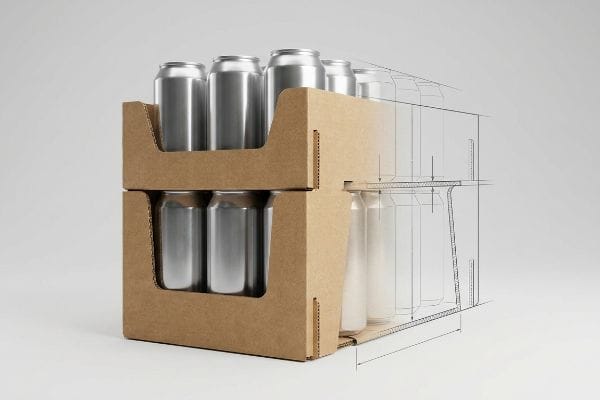
يُعدّ بيع السوائل في متاجر التجزئة الكبيرة اختباراً قاسياً لقوانين التغليف. فلا يمكنك وضع مئات العلب المعدنية الثقيلة على صينية كرتونية وتتوقع أن تصمد أمام الشحن الدولي وظروف التخزين القاسية.
كيفية عرض المشروبات في الحفلات؟
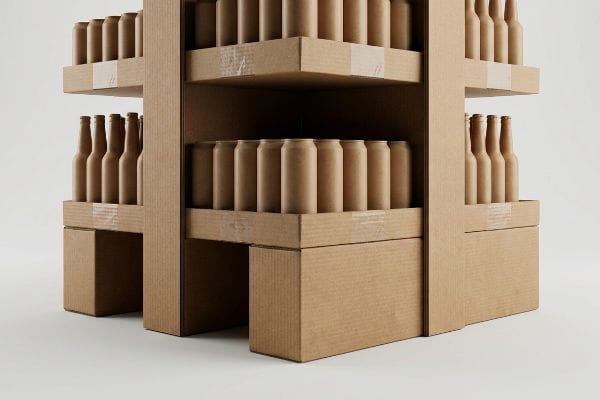
يتطلب تصميم فعالية ترويجية للمشروبات في متاجر التجزئة خلال حدث مباشر أكثر بكثير من مجرد رسومات جذابة. إنه يتطلب حصناً مادياً مصمماً لتحمل ظروف الأرضيات غير المتوقعة.
يتطلب عرض المشروبات في الحفلات استخدام منصات عرض مؤقتة مصممة لتحمل رطوبة البيئة المتقلبة. ويعتمد نجاح عرض المنتجات في الفعاليات على استخدام طلاءات بوليمرية شفافة متخصصة وقواعد مرتفعة لصد السوائل المتساقطة على الأرضيات، مما يضمن الحفاظ على أقصى قوة ضغط رأسي للهيكل الكرتوني السميك طوال فترة العرض.
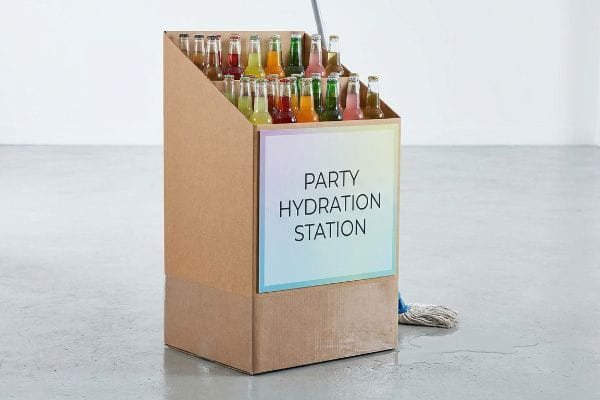
كثيراً ما تنفق العلامات التجارية آلاف الدولارات على الطباعة الفاخرة لمنتجات الفعاليات، متجاهلةً تماماً أن هذه الوحدات المؤقتة ستبقى على أسطح رطبة لأيام. هذا الإهمال البيئي يُقلل بشكل فوري من عائد الاستثمار.
واقع قاعدة حماية الممسحة
عندما أراجع تصاميم قوالب العرض الترويجية، أرى باستمرار مفاهيم ثلاثية الأبعاد رائعة تتجاهل تمامًا قوانين الفيزياء. فرق المشتريات، بطبيعة الحال، تسعى إلى استخدام أرخص صندوق لشحن الهواء، لذا يحددون استخدام ورق مقوى مسامي عادي حتى أدق التفاصيل.يتعاملون مع منصة عرض مؤقتة كما لو كانت ستُحفظ في بيئة جافة تمامًا ومُحكمة المناخ، تاركين أهم جزء هيكلي فيها عرضة للانسكابات ومسحات التنظيف الرطبة.
هذا ليس مجرد كلام نظري، بل أراه يحدث فعلاً في بيئة الاختبار عند محاكاة بيئات البيع بالتجزئة. في إحدى المرات، قدم أحد العملاء تصميم قاعدة غير محكم الإغلاق، بدا مثالياً على شاشة برنامج التصميم بمساعدة الحاسوب (CAD). خلال تقييمي الأولي قبل الإنتاج، عرّضت القاعدة لطبقة رقيقة من الماء بسمك 2.79 مم فقط. في غضون دقائق، امتصت الألياف المسامية الرطوبة إلى الأعلى، مسجلةً زيادة هائلة بنسبة 14.7% في امتصاص الرطوبة على مقياس الرطوبة. أدى ذلك إلى تدمير صلابة المادة الهيكلية،مما تسبب في انحناء القاعدة بشدة إلى الخارج، وانخفاض قدرة تحمل الوحدة بأكملها إلى مستوى خطير. لحل هذه المشكلة، رفضتُ ملف التصميم الأساسي تماماً، وقمتُ بتطبيق طبقة عازلة شفافة متخصصة من البولي إيثيلين3 بدقة على الجزء السفلي من خط القطع بطول 101.6 مم. من خلال تصميم هذا الدرع السائل غير المرئي بالضبط في المكان الذي يحدث فيه الاحتكاك المادي بالرطوبة، ضمنت انخفاض وقت تجميع التعبئة المشتركة بمقدار صفر ثانية مع القضاء تمامًا على عمليات رد المبالغ المدفوعة من قبل تجار التجزئة والتي تسببها البضائع المنهارة والمبللة.
| متري | النهج العام | الواقع المُهندس |
|---|---|---|
| المادة الأساسية | بطانة اختبار خام مسامية4 | حاجز رطوبة مطلي بالبولي إيثيلين5 |
| امتصاص الرطوبة | امتصاص سريع عمودي6 | التنافر الكلي للسوائل |
| سعة التحميل | يفشل تحت تأثير الرطوبة | يتحمل حمولات ثقيلة |
في منشأتي، أرفض طباعة شاشات تذوب على أرضية مبللة. تأمين المحيط السفلي هو السبيل الوحيد لحماية قيمة علامتك التجارية.
🛠️ مكتب هارفي: هل تُؤثر صواني الدفع الثقيلة سلبًا على عائد استثمار الشحن قبل وصولها إلى المتجر؟ 👉 احصل على تدقيق مجاني لهيكل القوالب ↗ — أقوم بمراجعة كل ملف هيكلي شخصيًا خلال 24 ساعة.
ماذا يشرب جيل زد بدلاً من الكحول؟
أدى التحول الهائل للمستهلكين نحو الخيارات غير الكحولية إلى غمر رفوف المتاجر بمنتجات سائلة كثيفة القوام. ببساطة، لا يستطيع الورق المقوى العادي التعامل مع هذا التوجه الحديث في مجال البقالة.
يشرب جيل زد مشروبات بديلة مثل الموكتيلات الوظيفية، والكومبوتشا، والمشروبات العشبية الفوارة. ولأن هذه العلب الألومنيومية الثقيلة تُسبب ضغطًا هائلاً على منصات عرض المنتجات في المتاجر، يجب على مهندسي الإنشاءات دمج ألياف ورق الكرافت الخام بشكل استراتيجي في التموجات الكرتونية لمنع انبعاج منصات العرض بشكل كامل.
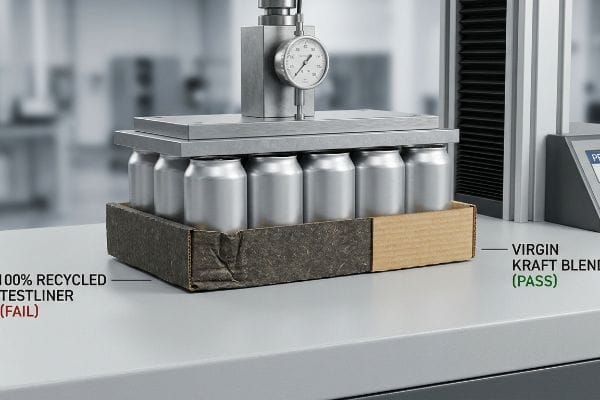
يُحدث الانتقال من الوجبات الخفيفة الخفيفة إلى العلب المعدنية الكثيفة المملوءة بالسوائل تغييرًا جذريًا في الإجهاد الحركي الواقع على عبواتك. والاعتماد على افتراضات قديمة بشأن المواد هو طريقة مضمونة لإحداث أضرار جسيمة في الشحن.
فخ حمولة استنزاف الألياف
عند مراجعتي لمواصفات سلسلة التوريد الواردة لطرح مشروبات بديلة، ألاحظ باستمرار افتراضًا خطيرًا للغاية يتعلق بالمواد. إذ تشترط العلامات التجارية بشدة استخدام ورق مقوى معاد تدويره بنسبة 100% في منصات عرض منتجاتها لتلبية متطلبات الاستدامة. وتفترض هذه العلامات أن الكرتون المعاد تدويره بكثافة يتمتع بنفس الصلابة الفيزيائية للكرتون الجديد، متجاهلةً تمامًا أن ألياف الورق تتقاصر وتضعفمجهريًا في كل مرة تمر فيها عبر حوض إعادة التدوير.
علّمتني سنوات خبرتي العشرين في هذا المجال ألا أثق أبدًا بالكرتون المعاد تدويره بشكل مفرط مع السوائل الثقيلة. خلال مرحلة تجريبية أولية لإحدى العلامات التجارية الكبرى للمياه الغازية، وضعنا شاشة العرض المصنوعة من مواد معاد تدويرها بنسبة 100%، والمُلزمة وفقًا لمعاييرهم، تحت ضغط مكبس TAPPI T811 ECT (اختبار سحق الحواف) . عند ضغط تحميل علوي مقداره 85 كيلوغرامًا (187.4 رطلًا) بالضبط، افتقرت التجاويف الداخلية إلى الصلابة الخلوية الكافية لتحمل الوزن، مما أدى إلى سحق داخلي مفاجئ وكارثي تسبب في تمزق الطبقة العلوية المطبوعة. لقد استُنفدت المادة هيكليًا. أوقفتُ خط الإنتاج فورًا وقمتُ بتحسين تركيبة المادة، حيث حقنتُ نسبة دقيقة تبلغ 30% من مادة الكرافت البكر مباشرةً في التجاويف الحاملة للضغط. أدى هذا الحقن الجديد لألياف الورق الطويلة والمرنة إلى استعادة قوة ضغط شاشة العرض على الفور، مما سمح للبائع بامتصاص اهتزازات الشحن متعددة المحاور بأمان مع تجنب أعطال الفرز الآلي المكلفة في مركز توزيع التجزئة.
| ملف تعريف المواد | الواقع المادي | الأثر التجاري |
|---|---|---|
| معاد تدويره بنسبة 100% | ألياف قصيرة وضعيفة10 | أضرار جسيمة في الشحنة |
| مزيج كرافت البكر | قوس خلوي طويل وصلب11 | البقاء على قيد الحياة أثناء العبور المطلق |
| أداء ECT | لا يفي بمعايير TAPPI12 | يتجاوز الأحمال الثقيلة |
أعتمد على التركيب الكيميائي للمواد الفيزيائية، لا على المصطلحات التسويقية الرنانة. إن هندسة مزيج الركيزة المناسب يضمن بقاء علبك الثقيلة سليمة أثناء نقلها عبر المستودع.
🛠️ مكتب هارفي: هل تصميم عرض منتجاتك الحالي مُعرّض للسقوط نتيجة الاحتكاك في بيئة البيع بالتجزئة؟ 👉 اطلب تحليلًا مجانيًا لإجهاد المواد ↗ — سري تمامًا. تصاميمك غير المنشورة في مجال البيع بالتجزئة في أمان تام معي.
ما هي المشاكل الشائعة في موزعات المشروبات؟
يؤدي تصميم موزع للسوائل يعمل بالجاذبية أو بتصميم مكدس إلى ظهور مناطق ضغط رأسية هائلة. وبدون تدعيم داخلي، سيتشوه الورق المقوى حتماً تحت تأثير الإجهاد الموضعي المستمر.
تشمل المشاكل الشائعة في موزعات المشروبات الترهل الشديد للأرفف وانحشار التغذية نتيجة الاحتكاك. فعندما تستقر عدة عبوات سائلة ثقيلة على حواف من الورق المقوى غير مدعومة، تتسبب الجاذبية الموضعية الشديدة في تشوه الأضلاع الخام، مما يستدعي استخدام قضبان دعم فولاذية مخفية لاستعادة قدرة التحميل اللازمة في متاجر البيع بالتجزئة.
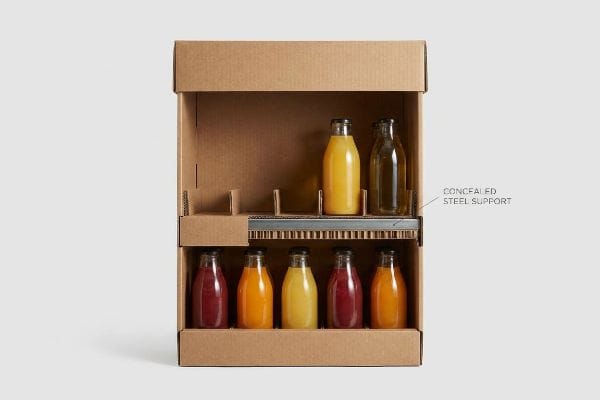
غالباً ما تسعى فرق المشتريات إلى استخدام هياكل ورقية بالكامل لتقليل تكاليف الوحدة. إلا أن تجاهل التسرب التدريجي للسوائل الثقيلة على الألواح المجوفة على المدى الطويل يُسبب مشاكل هيكلية مكلفة.
ظاهرة انحدار الطبقة الطفيلية
عندما أراجع تصاميم قوالب التوزيع الخاصة بالعملاء لموزعات العبوات الثقيلة، ألاحظ باستمرار وجود حواف عريضة ومسطحة مصممة لحمل صفوف من عبوات مشروبات الطاقة السائلة أو أكياس العصير . يكمن الخطأ الأساسي هنا في التعامل مع الورق المقوى المموج المرن كما لو كان صفيحة فولاذية صلبة. يقوم المصممون بتمديد الورق المقوى على مسافات واسعة، متجاهلين أن الجاذبية المستمرة ستؤثر حتماً على أضعف نقطة في اتجاه التموج غير المدعم .
هذا ليس مجرد كلام نظري، فقد تعلمت هذا الدرس بطريقة قاسية الشهر الماضي أثناء اختبار موزع جديد يعمل بالجاذبية. في عام ٢٠٢٢، طلبت من كبير مهندسي التغليف، مارك، إجراء محاكاة حمل ثابت لمدة ٧٢ ساعة على رف مشروبات كرتوني مموج قياسي للتحقق من تصنيفه في اختبار ضغط الصندوق (BCT)١٤.وضعنا نماذج مطابقة للمنتجات على الحافة الأمامية. بعد ١٤ ساعة فقط، أتذكر جيدًا كيف بدأ منتصف الرف بالانحناء، ثم سمعت صوتًا عاليًا وواضحًا لتمزق ألياف الورق المقوى الخام. قسنا انحرافًا شديدًا بمقدار ١٢٫٣ ملم في دعامة الدعم الرئيسية، مما تسبب في انحشار المنتجات وعدم انزلاقها للأمام. سارعتُ فورًا إلى أرضية المتجر، وأوقفت عملية القطع، وقمت بتركيب دعامة معدنية مخفية (أنبوب فولاذي مُشَكَّل)١٥ أسفل الحافة الأمامية مباشرةً. أنا أبذل الوقت والمال في مختبري للاختبار حتى لا تخسروا أرباحكم في متاجر البيع بالتجزئة. لم يمنع هذا التعزيز الميكانيكي المخفي الرف من الانهيار فحسب؛ لقد قضى ذلك تمامًا على احتكاك إعادة التخزين، مما أدى إلى تحسين تجربة المتسوق بشكل كبير وإنقاذ العلامة التجارية من الرفض الفوري على مستوى المتجر.
| عيب في الموزع | النتيجة العامة | إصلاح هندسي |
|---|---|---|
| مساحات ورقية واسعة | انحراف مركزي شديد16 | أنابيب فولاذية مخفية |
| تحميل المنتج | انحشار التغذية الاحتكاكي17 | زلاقة انسيابية بفعل الجاذبية |
| الزحف طويل الأمد18 | بنية الألياف الممزقة | التصلب الدائم |
لا أترك سلامة الهيكل للصدفة. إن تثبيت هيكل معدني صلب داخل شاشة عرض ثقيلة هو بمثابة ضمانة لا غنى عنها ضد الجاذبية.
🛠️ مكتب هارفي: هل يواجه موزع المشروبات ذو التغذية بالجاذبية صعوبة في دفع الزجاجات الثقيلة بسلاسة إلى الحافة الأمامية؟ 👉 احصل على تقييم مجاني للاحتكاك الحركي ↗ — لا يوجد وسطاء. تتحدث مباشرةً مع مهندسين إنشائيين.
ما هو أفضل موزع مشروبات من حيث التقييم؟
لا يعتمد التجار ذوو الأداء الأعلى على المواد السميكة فقط؛ بل يعتمدون على الفيزياء المكانية المطبقة ببراعة لمواجهة أحمال السوائل الطويلة والثقيلة من الأعلى.
يستخدم أفضل موزع مشروبات مركز ثقل منخفضًا للغاية لمنع انقلابه في المتاجر. ومن خلال تثبيت المنتجات السائلة الأثقل وزنًا في الطبقات السفلية، تعمل العبوة الهيكلية المتطورة على تقليل ميل محور الدوران إلى أدنى حد، وتضمن الثبات الحركي المطلوب في بيئات المتاجر الكبرى ذات الحركة الكثيفة.
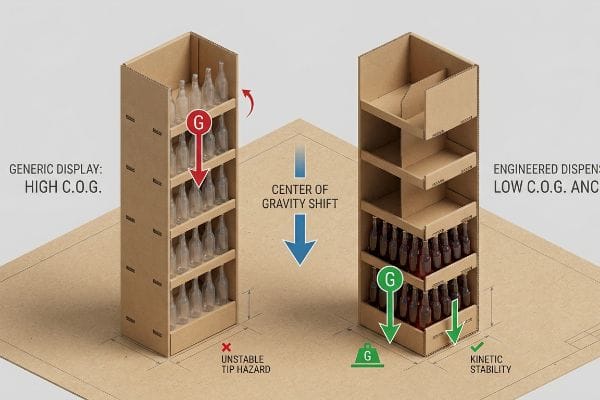
إن فهم كيفية تصرف هيكل مرتفع عند اصطدامه بعربة تسوق عن طريق الخطأ هو ما يميز عمليات نشر متاجر التجزئة الناجحة عن مخاطر الممرات. يبدأ الاستقرار الحقيقي بالأسس الرياضية.
حركية استقرار المنصات الجزئية
عند دراسة آلية عمل موزعات المشروبات الضيقة القائمة بذاتها، يجب تقييم العلاقة المكانية بين الارتفاع الكلي وعرض القاعدة. جهاز عرض أرضي ، مثبت على ارتفاع 1270 مم (50 بوصة) في مساحة صغيرة،كبندول . إذا تم توزيع حمولة المنتج الداخلية بشكل متناظر على جميع الرفوف، فإن مركز الثقل يرتفع بشكل خطير. تعني نقطة الارتكاز المرتفعة هذه أن أي قوة جانبية، مهما كانت ضئيلة، تُطبق على الرف العلوي ستتغلب على مقاومة الاحتكاك في القاعدة، مما يؤدي إلى ميلان الوحدة بأكملها متجاوزة زاوية الاستعادة.
لمعالجة هذا الضعف الحركي المتأصل، يفرض مهندسو الإنشاءات بروتوكولًا صارمًا لتثبيت مركز الثقل20.فبدلًا من مجرد توسيع القاعدة - وهو ما يخالف قيود ممرات المتاجر - نعيد توزيع الكتلة الداخلية رياضيًا. من خلال تصميم تجاويف سفلية مُدعمة تحصر أثقل وحدات تخزين السوائل في أسفل الوحدة، نسحب مركز الثقل إلى الأسفل بشكل مصطنع. هذا التحول الدقيق نحو الأسفل يزيد بشكل كبير من القوة الجانبية اللازمة لزعزعة استقرار الوحدة21.والنتيجة هي وحدة عرض متينة رياضيًا، ومتوازنة تمامًا، تحافظ على استقرارها الرأسي الكامل، مما يقلل تمامًا من مخاطر الانقلاب دون توسيع مساحة الأرضية أو زيادة تكلفة المواد الخام.
| مقياس هندسي | شاشة عرض عامة | موزع مصمم هندسيًا |
|---|---|---|
| مركز الثقل | مرتفع وغير مستقر | مرتكز رياضياً22 |
| المقاومة الجانبية | نصائح تحت تأثير قوة بسيطة | يمتص الصدمات بين الممرات23 |
| توزيع الحمولة | التحميل الرأسي المتناظر | قفل ثقيل من الأسفل24 |
أصمم الاستقرار المادي من الأساس. من خلال التحكم الدقيق في التوزيع الداخلي للكتلة، نضمن رياضياً أن تظل مساحة متجرك آمنة تماماً.
🛠️ مكتب هارفي: هل تُخالف منصات العرض الطويلة لديك قواعد السلامة الخاصة بتجار التجزئة بسبب ميلانها أثناء المرور في الممرات؟ 👉 احصل على حساب مجاني لمركز الثقل ↗ — أقوم بمراجعة كل ملف هيكلي شخصيًا خلال 24 ساعة.
خاتمة
عند تجاهلك لقوانين الفيزياء الحركية الأساسية لنقل السوائل الثقيلة، فإنك تضمن انهيار قواعد العرض كارثيًا وترهلًا شديدًا في أرفف المتاجر. في الشهر الماضي وحده، ساعدت مراجعتي الهيكلية ثلاث علامات تجارية على تجنب خسائر تزيد عن 10,000 دولار أمريكي في المخزون التالف وتكاليف استرداد الأموال من تجار التجزئة بسبب امتصاص الرطوبة وعدم استقرار الأرفف. توقف عن السماح لرسومات التصميم الحاسوبي النظرية بتدمير هوامش أرباحك اللوجستية؛ دعني شخصيًا أراجع ملفاتك الهيكلية من خلال مراجعة هيكلية مجانية ودقيقة ↗ لضمان سلامة منصات عرض مشروباتك أثناء الشحن وسيطرتها على أرفف المتاجر.
"نظرة عامة على الورق ومواد تغليف المواد الغذائية المصنوعة من الورق"، https://pmc.ncbi.nlm.nih.gov/articles/PMC6801293/. شرح موجز لكيفية تقليل امتصاص الرطوبة في الورق المقوى غير المطلي بفعل الخاصية الشعرية لقوة الضغط الرأسي لعروض البيع بالتجزئة. دور الدليل: التحقق الفني؛ نوع المصدر: دليل هندسة التغليف. يدعم: الادعاء بأن استخدام المواد المسامية في قاعدة العرض يُضعف بنيته الأساسية. ملاحظة نطاق البحث: يتناول تحديدًا تدهور الألياف السليلوزية عند البلل. ↩
"تأثيرات الرطوبة النسبية على مقاومة الضغط لـ..."، https://open.clemson.edu/all_theses/3225/. شرح تقني لكيفية تقليل تسرب الماء لمقاومة الضغط الرأسي وقدرة تحمل الأحمال للركائز الليفية. دور الدليل: التحقق التقني؛ نوع المصدر: مجلة علوم المواد. يدعم: الادعاء بأن الرطوبة تُضعف السلامة الهيكلية. ملاحظة النطاق: ينطبق على الألياف المسامية غير المعالجة. ↩
"الطلاءات العازلة لتغليف المواد الغذائية | دليل مصنعي الأغذية"، https://www.mcpolymers.com/library/barrier-coatings-food-packaging/. التحقق من الطلاءات البوليمرية المستخدمة في شاشات العرض في نقاط البيع لمنع الخاصية الشعرية وامتصاص الرطوبة. دور الدليل: المواصفات الفنية؛ نوع المصدر: دليل التصنيع الصناعي. يدعم: استخدام الدروع السائلة للحفاظ على ثبات العرض. ملاحظة النطاق: التركيز على تجهيزات البيع بالتجزئة المؤقتة. ↩
[ملف PDF] دراسة الخصائص الميكانيكية لتغليف الورق المقوى...، https://repository.rit.edu/cgi/viewcontent.cgi?article=1066&context=japr. معايير صناعية تصف تركيب ونفاذية بطانة الاختبار القياسية المستخدمة في عروض الكرتون منخفضة التكلفة. دور الدليل: تحديد المواد؛ نوع المصدر: ورقة بيانات فنية لصناعة التغليف. يدعم: وصف المواد الأساسية العامة في عروض البيع بالتجزئة. ملاحظة النطاق: يركز على البطانات المموجة غير المطلية. ↩
"طلاء حاجز لتغليف الورق والكرتون المموج"، https://global.humanchem.com/resources/barrier-coating-for-paper-and-corrugated-board-packaging.html. مواصفات فنية توضح بالتفصيل كيفية منع طلاءات البولي إيثيلين (PE) لتسرب الماء في المواد المموجة. دور الدليل: مواصفات فنية؛ نوع المصدر: دليل هندسة المواد. يدعم: فعالية الطلاء البوليمري في منع دخول السوائل. ملاحظة النطاق: ينطبق على ركائز السليلوز المطلية بالبوليمر. ↩
"امتصاص السوائل في شريط ورقي: دراسة تجريبية ورقمية"، https://pmc.ncbi.nlm.nih.gov/articles/PMC7495729/. شرح علمي لظاهرة الخاصية الشعرية في ألياف الورق المسامية غير المطلية، والتي تُسبب انتقال السوائل عموديًا. دور الدليل: آلية فيزيائية؛ نوع المصدر: مجلة علوم المواد. يدعم: الادعاء بأن ورق الاختبار الخام يمتص السائل لأعلى. ملاحظة النطاق: خاص بالألياف المسامية غير المطلية. ↩
"تغير جودة مواد الألياف المعاد تدويرها. الجزء الأول: العوامل المؤثرة..."، https://bioresources.cnr.ncsu.edu/resources/changing-quality-of-recycled-fiber-material-part-1-factors-affecting-the-quality-and-an-approach-for-characterisation-of-the-strength-potential/. شرح تقني لكيفية تقليل دورات إعادة التدوير المتكررة لطول ألياف السليلوز وسلامتها الهيكلية. دور الدليل: التحقق التقني؛ نوع المصدر: أبحاث علوم المواد أو صناعة الورق. يدعم: الادعاء بأن الورق المقوى المعاد تدويره يفتقر إلى صلابة الورق المقوى الخام. ملاحظة النطاق: يتعلق تحديدًا بالتدهور الميكانيكي لألياف السليلوز. ↩
"قياسات المجال الكامل في اختبار سحق الحافة للكرتون المموج..."، https://pmc.ncbi.nlm.nih.gov/articles/PMC8199211/. تُعرّف وثائق معيار الصناعة المعتمدة من TAPPI منهجية قياس اختبار سحق الحافة (ECT) لتحديد قوة تكديس الكرتون المموج. دور الدليل: التحقق الفني؛ نوع المصدر: معيار صناعي. يدعم: استخدام مكبس معياري لقياس ضغط التحميل العلوي. ملاحظة النطاق: ينطبق المعيار تحديدًا على ألواح الألياف المموجة. ↩
[ملف PDF] ألواح خام مقابل ألواح معاد تدويرها، بقلم ليزا تشاو، أطروحة...، https://vuir.vu.edu.au/18233/1/ZHAO_1993compressed.pdf. تُظهر أبحاث علم المواد حول ألياف السليلوز كيف أن استخدام ألياف الكرافت الخام الطويلة يزيد من قوة الضغط والسلامة الهيكلية للألواح المموجة مقارنةً بالألياف المعاد تدويرها. دور الدليل: شرح تقني؛ نوع المصدر: مجلة علوم المواد. يدعم: الادعاء بأن إضافة ألياف الكرافت الخام تُعيد الصلابة الهيكلية. ملاحظة: تعتمد مكاسب الأداء على نوع ألياف الكرافت المستخدمة. ↩
"تأثير درجة التقطيع على إمكانية صناعة الورق من المواد المعاد تدويرها..."، https://pmc.ncbi.nlm.nih.gov/articles/PMC8410872/. تحليل فني لتدهور ألياف السليلوز أثناء عملية إعادة التدوير. دور الدليل: التحقق من الحقائق؛ نوع المصدر: مجلة علوم المواد. يدعم: الادعاء بأن إعادة التدوير المتكررة تُضعف الألياف. ملاحظة النطاق: يتعلق بألياف السليلوز في الورق المقوى. ↩
"نظرة على تركيب الألياف في أوراق التغليف..."، https://wfs.swst.org/index.php/wfs/article/view/2111/2111. وصف للبنية الفيزيائية والشكلية لألياف كرافت من الخشب اللين الخام. دور الدليل: المواصفات الفنية؛ نوع المصدر: دليل صناعة اللب والورق. يدعم: ادعاء يتعلق بالسلامة الهيكلية لألياف كرافت الخام. ملاحظة النطاق: خاص بعملية لب كرافت. ↩
[ملف PDF] "سحق الحلقة والضغط قصير المدى للتنبؤ بالانضغاط الجانبي..."، https://imisrise.tappi.org/download.aspx?key=03NOV13. إشارة إلى معايير TAPPI لقياس مقاومة الضغط (ECT) للمواد المموجة. دور الدليل: التحقق التنظيمي؛ نوع المصدر: معيار صناعي. يدعم: الادعاء بأن المواد المعاد تدويرها قد تفشل في تحقيق معايير قوة محددة تحت الأحمال الثقيلة. ملاحظة النطاق: يركز على مقاييس أداء مقاومة الضغط (ECT). ↩
"تقدير قوة الضغط لصناديق الكرتون المموج..."، https://pmc.ncbi.nlm.nih.gov/articles/PMC8467740/. تحليل فني للخواص المتباينة للكرتون المموج وكيفية تأثير تطبيق الحمل بالنسبة لاتجاه التموجات على الانهيار الهيكلي. دور الدليل: التحقق الفني؛ نوع المصدر: مرجع في علم المواد. يدعم: الادعاء بأن التموجات غير المقواة هي نقطة الانهيار الرئيسية تحت الحمل الرأسي. ملاحظة النطاق: خاص بهندسة ألواح الألياف المموجة. ↩
اختبار ضغط الصناديق / اختبار التكديس (BCT) وفقًا للمعيار ISO 12048 - زويك رويل، https://www.zwickroell.com/industries/paper-cardboard-tissues/corrugated-board-and-solid-board/box-crush-tests-stacking-crush-tests/. شرح مفصل لاختبار ضغط الصناديق (BCT) كمقياس معياري لتقييم قدرة تحمل الأحمال الرأسية للكرتون المموج. دور الدليل: تعريف فني؛ نوع المصدر: معيار صناعي. يدعم: المنهجية المستخدمة للتحقق من السلامة الهيكلية للرف. ملاحظة النطاق: ينطبق على المواد المموجة. ↩
"التصميم الهيكلي لعرض المنتجات في متاجر التجزئة التفاعلية..."، https://www.bcipkg.com/display-structural-design-for-interactive-retail-displays/. وثائق فنية حول استخدام الحشوات المعدنية لمنع التواء وانحراف موزعات الورق المقوى عالية التحميل. دور الدليل: حل هندسي؛ نوع المصدر: دليل هندسة التغليف. يدعم: الادعاء بأن الأنابيب الفولاذية تقضي على الانهيار الهيكلي وتحسن الأداء. ملاحظة النطاق: خاص بعروض التجزئة التي تعمل بالجاذبية. ↩
"اختبار مقاومة التشققات في الجدران الخزفية غير الحاملة للأحمال باستخدام..."، https://pmc.ncbi.nlm.nih.gov/articles/PMC8001233/. توضح الوثائق الفنية المتعلقة بالميكانيكا الإنشائية كيفية تعرض الامتدادات العريضة للمواد الورقية لانحراف مركزي عند تعرضها لأحمال رأسية. دور الدليل: التحقق الفني؛ نوع المصدر: دليل هندسي. يدعم: العلاقة بين عرض الامتداد والانهيار الإنشائي. ملاحظة النطاق: خاص بمواد الورق المقوى. ↩
[ملف PDF] دراسة ظاهرة الانحشار في وحدة تغذية حبيبات فرن الاختزال المباشر للحديد...، https://hammer.purdue.edu/articles/thesis/Investigation_of_Jamming_Phenomenon_in_a_DRI_Furnace_Pellet_Feed_System_using_the_Discrete_Element_Method_and_Computational_Fluid_Dynamics/22799189/1/files/40520504.pdf. يُشير تحليل مناولة المواد السائبة إلى أن معامل الاحتكاك بين عبوة المنتج وجدران الموزع هو السبب الرئيسي لانحشار التغذية. دور الدليل: التحليل الميكانيكي؛ نوع المصدر: دليل التصميم الصناعي. يدعم: السبب الميكانيكي لفشل التحميل. ملاحظة النطاق: يختلف باختلاف ملمس سطح المنتج. ↩
[ملف PDF] استجابة الزحف للورق - BioResources، https://bioresources.cnr.ncsu.edu/wp-content/uploads/2020/07/2005.2.651.pdf. يصف بحث علم المواد الزحف بأنه ميل المادة الصلبة إلى التحرك ببطء أو التشوه الدائم تحت تأثير الإجهاد الميكانيكي المستمر، مما يؤدي إلى تدهور الألياف. دور الدليل: التحقق العلمي؛ نوع المصدر: مجلة محكمة. يدعم: التدهور طويل الأمد لبنية الألياف. ملاحظة النطاق: ينطبق على المواد القائمة على السليلوز. ↩
"ضمان الاستقرار والدعم الهيكلي في العروض المؤقتة"، https://www.ud-direct.com/blog/tips-and-tricks-to-ensure-stability-and-structure-support-in-temporary-displays. التحقق الفني من نسب الارتفاع إلى العرض التي تؤدي إلى عدم الاستقرار في عروض البيع بالتجزئة القائمة بذاتها. دور الدليل: التحقق الواقعي؛ نوع المصدر: دليل هندسي إنشائي. يدعم: الادعاء بأن أبعادًا محددة تُحدث عدم استقرار يشبه البندول. ملاحظة النطاق: التركيز على العروض ذات القاعدة الضيقة. ↩
"التصميم الهيكلي في منصات العرض الكرتونية المؤقتة في متاجر التجزئة - يو دي دايركت"، https://www.ud-direct.com/blog/the-importance-of-structural-design-in-temporary-corrugated-retail-displays. من شأن معايير السلامة الصناعية لتجهيزات متاجر التجزئة أو إرشادات الهندسة الإنشائية أن تؤكد وجود بروتوكولات إلزامية لاستقرار مركز الثقل في منصات العرض الطويلة. دور الدليل: التحقق التنظيمي؛ نوع المصدر: معيار صناعي. يدعم: وجود متطلبات استقرار موحدة. ملاحظة النطاق: خاص بوحدات عرض البضائع التجارية. ↩
"منع صندوق من الانقلاب: ارتفاع مركز الثقل؟"، https://physics.stackexchange.com/questions/150620/prevent-a-box-from-tipping-over-height-of-cg. يُمكن لكتابٍ في الفيزياء أو الهندسة الميكانيكية أن يُقدّم العلاقة الرياضية بين ارتفاع مركز الثقل وعزم الانقلاب الناتج عن القوة الجانبية. دور الدليل: التحقق النظري؛ نوع المصدر: كتاب أكاديمي. يدعم: الادعاء بأن خفض مركز الثقل يزيد من الاستقرار. ملاحظة النطاق: ينطبق على ديناميكيات الأجسام الصلبة. ↩
«موقع مركز الثقل يحدد كيفية...» - إنستغرام، https://www.instagram.com/reel/DYZ9miOlEDG/. شرح لكيفية استخدام الهندسة الإنشائية وحسابات مركز الكتلة لضمان ثبات العرض. دور الدليل: التحقق الفني؛ نوع المصدر: مواصفات هندسية. يدعم: ثبات موزعات المنتجات المصممة هندسيًا. ملاحظة النطاق: ينطبق على وحدات عرض المنتجات الصناعية. ↩
"ما هو أفضل تصميم لعرض المشروبات؟ - PopDisplay"، https://popdisplay.me/fr/what-is-the-best-display-for-beverages/. بيانات فنية حول خصائص المواد أو التصميم الهندسي الذي يسمح لموزع المشروبات بتحمل الصدمات الجانبية. دور الدليل: التحقق من الأداء؛ نوع المصدر: تقرير علمي عن المواد. يدعم: ادعاءات المقاومة الجانبية. ملاحظة النطاق: يختلف باختلاف تركيبة المواد. ↩
"تأثيرات توزيع وزن الحمولة اليدوية على عضلات الجذع..."، https://pmc.ncbi.nlm.nih.gov/articles/PMC5929471/. تحليل لكيفية منع توزيع الحمولة في مركز الثقل المنخفض انقلاب منصات العرض الطويلة. دور الدليل: التحقق من صحة المبدأ الفيزيائي؛ نوع المصدر: كتاب في علم الحركة. يدعم: كفاءة توزيع الحمولة. ملاحظة النطاق: خاص باستقرار المنصات الجزئي. ↩