هل تطلق عنوانًا جديدًا ولكن بضائعك تضيع وسط الرفوف المزدحمة؟ إن تصميم منصة عرض مخصصة يجذب الانتباه، ولكن فقط إذا تم تصميمها بشكل صحيح للتعامل مع الحمولة الضخمة.
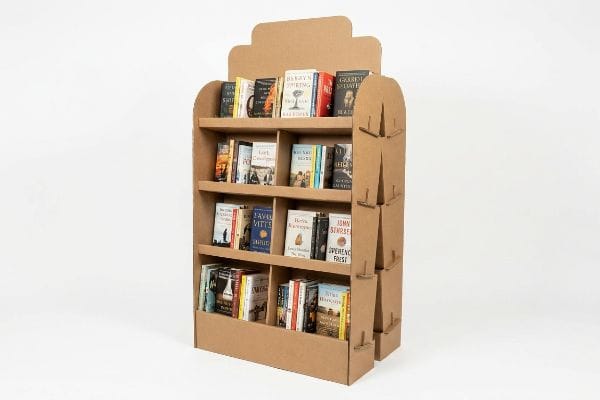
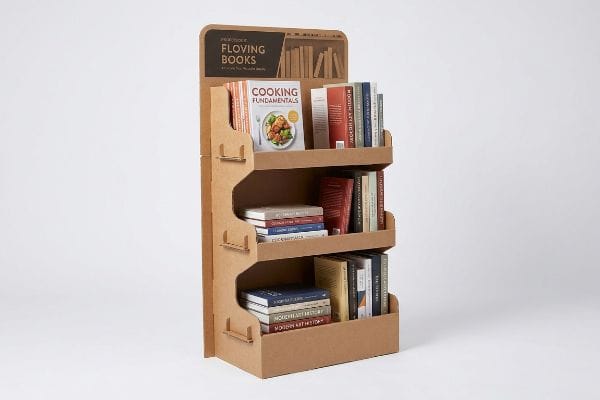
حامل عرض الكتب المصنوع من الكرتون المقوى هو وحدة عرض متخصصة مصنوعة من الكرتون المموج، مصممة لحمل المطبوعات الثقيلة بأمان. تستخدم هذه الهياكل أرففًا معززة وأشكالًا مقطوعة حسب الطلب لتعزيز التأثير البصري، وتحفيز عمليات الشراء العفوية، والحفاظ على الكتب الثقيلة في وضع مستقيم في بيئات البيع بالتجزئة ذات الحركة المرورية العالية.
لكن فهم التعريف الأساسي لا يكفي عندما تستعد لإطلاق منتج تجزئة على مستوى البلاد.
ما اسم العرض المصنوع من الورق المقوى؟
كثيراً ما يستخدم المشترون المصطلحات بشكل متبادل، مفترضين أن صندوق الكرتون هو مجرد صندوق بغض النظر عن مكان وضعه في المتجر.
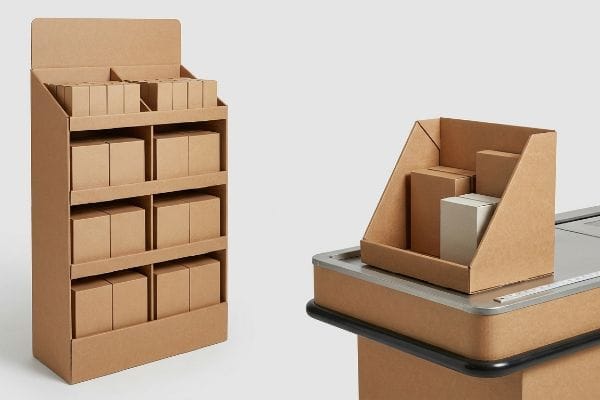
يُطلق على منصة العرض الكرتونية اسم "نقطة بيع" (POP) أو "نقطة بيع" (POS)، وذلك بحسب موقعها. عادةً ما تكون وحدات العرض الأرضية عبارة عن هياكل نقاط بيع كبيرة، بينما تُصنف وحدات العرض الصغيرة المخصصة للدفع على أنها صواني نقاط بيع، ويتطلب كل منهما معايير هندسية هيكلية ولوجستية مختلفة تمامًا.
إن اختيار المصطلحات الصحيحة لا يتعلق فقط بالظهور بمظهر ذكي؛ بل إنه يحدد القيود القانونية والمادية لمشروعك بأكمله.
الحسابات الخفية في مجال البيع بالتجزئة وراء نقاط البيع ونقاط البيع
كثيراً ما تفترض العلامات التجارية الجديدة إمكانية تصغير شاشة عرض أرضية كبيرة في نقاط البيع بنسبة 50% لإنشاء وحدة عرض على طاولة نقاط البيع . فهي تستخدم نفس القالب الهيكلي وتُصغّر المتجهات في برامجها الرقمية. يبدو هذا النهج "التصغير ليناسب الحجم" طريقة ذكية لتوفير تكاليف الأدوات وتسريع عملية التصميم .
ألاحظ هذا الخطأ باستمرار عندما يُسلّمني العملاء ملفات أرضية مصغّرة، متوقعين عرضًا مثاليًا على طاولة الدفع. عليّ أن أوضح لهم أن ملفات الأرضية المخصصة لنقاط البيع مُصممة خصيصًا لتناسب حدود منصات التحميل المحددة من قِبل جمعية مصنعي البقالة (GMA) والبالغة 48×40 بوصة (1219×1016 مم) لأغراض المستودعات. أما ملفات نقاط البيع، فيجب أن تلتزم بمعايير قانون الأمريكيين ذوي الإعاقة (ADA) فيما يخص نطاق الوصول الأمامي من 15 إلى 48 بوصة ( 381-1219 مم). إذا قمتَ بوضع قاعدة أرضية مصغّرة على طاولة الدفع بالقوة، فإن الاحتكاك الشديد للكرتون المموج الثقيل سيُعيق عمل ماسح نقاط البيع. هذا الخلل المكاني يدفع مديري المتاجر إلى التخلص من وحدتك فورًا، مما يُضيّع استثمارك الترويجي بالكامل في ثوانٍ.
| أخطاء شائعة للمبتدئين | الحل الاحترافي | فوائد أرضية البيع بالتجزئة |
|---|---|---|
| تقلص خطوط تقسيم الأرضيات | هندسة نقاط البيع ونقاط البيع المنفصلة | يمنع رفض الامتثال لقانون الأمريكيين ذوي الإعاقة4 |
| تجاهل حدود السجل | تصاميم نقاط البيع من Anchor تتناسب مع أبعاد منطقة الدفع | يضمن وضعًا متميزًا عند منطقة الدفع |
| استخدام حسابات المنصات على الطاولات | تطبيق هندسة كسرية محددة5 | يوفر تكاليف التصنيع المهدرة |
أفصل بشكل دائم خطوط أنابيب الهندسة الخاصة بوحدات الأرضية ووحدات العرض على الطاولات. يضمن التصميم وفقًا للقيود المكانية القانونية المحددة وضع حملتك الإعلانية على الأرض، وليس إلقاؤها في سلة إعادة التدوير.
🛠️ مكتب هارفي: هل أنت غير متأكد من مدى توافق تصميمك الحالي مع قيود الوصول إلى متاجر التجزئة؟ 👉 احصل على فحص لتصميمك ↗ — تواصل مباشر معي. أعدك بعدم تلقي أي رسائل تسويقية آلية مزعجة.
كيف تصنع حامل كتب من الكرتون؟
الكتب كثيفة بشكل لا يصدق، مما يعني أن الهيكل القياسي خفيف الوزن سينقلب على الفور تحت وطأة الحمولة المركزة المائلة للأمام.
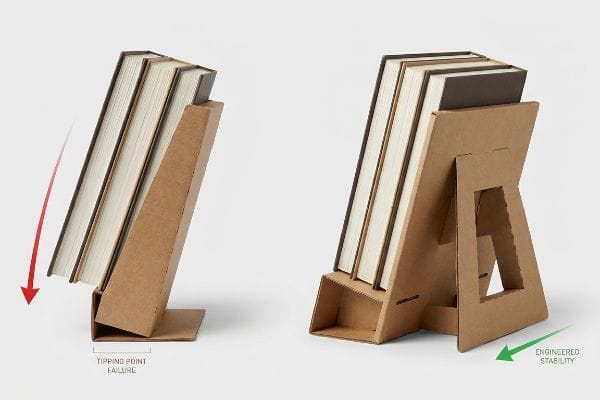
يتطلب صنع حامل كتب من الورق المقوى تصميم مسند خلفي ممتد أو قاعدة سفلية مثقلة لمقاومة نقطة الانقلاب. ويتطلب الوزن الثقيل وغير المتماثل للكتب المكدسة حسابات دقيقة لمركز الثقل لضمان بقاء اللوح الخلفي عموديًا تمامًا دون أن ينحني تحت ضغط الاستخدام المتكرر.
يمكنك طي الورق المقوى السميك طوال اليوم، ولكن إذا لم تحسب فيزياء الورق، فإن الجاذبية ستنتصر دائماً.
تجاوز نقطة التحول في فيزياء الأدب الثقيل
يلجأ العديد من مصممي الجرافيك إلى تصميم وحدة عرض ذات لوحة خلفية عمودية لعرض منتج جديد رائج. ويفترضون أن الكرتون المموج القياسي المطوي على شكل مثلث بسيطسيحمل المنتج بشكل عمودي تمامًا. على شاشة الكمبيوتر، تبدو هذه الهندسة البسيطة أنيقة واقتصادية.
أرى هذا الأمر يفشل باستمرار عندما يرسل لي المشترون نماذج أولية تفشل فشلاً ذريعاً. تُشكّل الكتب مركز ثقل هائلاً يميل،ولا تستطيع اللوحة الخلفية البسيطة تحمّل هذا العزم. أتذكر أنني شاهدت بائعاً في متجر يكدّس بعناية كتباً ثقيلة ذات أغلفة صلبة على رفّ رديء التصميم، ثم سمعت صوت طقطقة حادّة لألياف الورق الخام وهي تنكسر بينما يميل الرفّ بأكمله للأمام. لحلّ هذه المشكلة، أصمّم حاملاً خلفياً دقيقاً قابلاً للتمديد أو قاعدة وهمية مُثبّتة،ما يُحوّل الطاقة الحركية للخلف. هذا يُثبّت الحمولة ويمنع عمليات استرداد الأموال المكلفة من قِبل تجار التجزئة بسبب البضائع التالفة.
| أخطاء شائعة للمبتدئين | الحل الاحترافي | فوائد أرضية البيع بالتجزئة |
|---|---|---|
| ألواح خلفية عمودية ضيقة | تصميم خلفي ممتد9 | يمنع الوحدات الثقيلة من الانقلاب |
| أرفف قاعدة أحادية الجدار | هيكل قاع زائف مغلق10 | يمنع تمزق الألياف تحت الضغط |
| مع تجاهل مركز الثقل | حساب الميل مع ترجيح الجزء الخلفي11 | يؤمن العرض أثناء تفاعل المتسوق |
لا أثق أبدًا بتصميم مسطح حتى أحسب عزم الحمولة بدقة. إن تحريك قاعدة التصميم للخلف هو الطريقة الوحيدة لضمان بقاء المنتج بأمان على سطح الطاولة.
🛠️ مكتب هارفي: هل تتسبب منتجاتك الثقيلة في ميل وحدات سطح الطاولة لديك إلى الأمام؟ 👉 اطلب مراجعة هيكلية ↗ — حمّل الملف بأمان. صندوق رسائلي مفتوح إذا كانت لديك أي أسئلة لاحقًا.
ما اسم الحامل الذي يحمل الكتاب؟
سواء أسميتها حامل رسم، أو مهد، أو صينية، فإن الاسم أقل أهمية من البصمة الرياضية التي تربطها ببعضها.
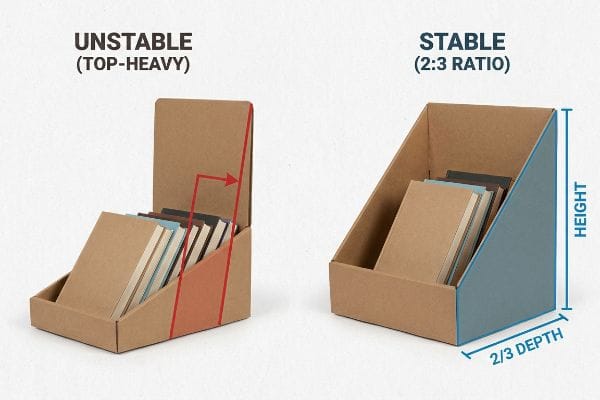
يُطلق على حامل الكتب عادةً اسم منصة عرض PDQ (سريعة جدًا)، أو حامل عرض على المنضدة، أو صينية عرض. صُممت هذه الحوامل خصيصًا لسرعة عرضها في متاجر البيع بالتجزئة، حيث تستخدم مساند ظهر مائلة ورفوفًا متدرجة لزيادة وضوح الكتب مع الحفاظ على ثباتها التام على الأسطح المستوية.
معرفة الاسم تساعدك في العثور على المصنع المناسب، لكن معرفة النسب الهيكلية تحافظ على وجود الوحدة في السوق.
قاعدة النسبة 2:3 لثبات صينية PDQ
يُطلق المبتدئون عادةً على هذه الصناديق اسم صناديق التخزين الأساسية، ويطلبون من طابعتهم قصّ الجزء الأمامي من كرتونة شحن عادية. يُنشئون لوحة خلفية طويلة لوضع العلامة التجارية، ويتركون مساحة صغيرة لتوفير مساحة ثمينة على طاولة الدفع. تبدو هذه طريقة فعّالة لوضع المزيد من الوحدات على طاولة الدفع المزدحمة.
تخيل الأمر كمحاولة موازنة سلم طويل على لوح تزلج؛ إنه غير مستقر بطبيعته. عندما يُسلّمني عميل تصميمًا ثقيلًا من الأعلى، أقيس فورًا مساحة القاعدة. لقد شاهدتُ وحدات مطبوعة بشكل جميل تتأرجح بعنف ذهابًا وإيابًا في كل مرة يصطدم فيها عميل بالمنضدة، مما يؤدي في النهاية إلى انسكاب البضائع في كل مكان وترك بقايا لاصقة من شريط لاصق شفاف رخيص استُخدم لتثبيتها. لتجنب هذا الخطر، أطبق قاعدة صارمة بنسبة 2:3 لجميع الصواني : يجب أن يكون عمق القاعدة ثلثي ارتفاع اللوحة الخلفية على الأقل. يضمن تحقيق هذه النسبة الهندسية ثبات الحامل بشكل مثالي.
| أخطاء شائعة للمبتدئين | الحل الاحترافي | فوائد أرضية البيع بالتجزئة |
|---|---|---|
| ألواح خلفية ثقيلة من الأعلى | تطبيق نسبة العمق 2:3 | يمنع اهتزاز الوحدة على الطاولات |
| بصمات قاعدة ضحلة | توسيع صينية الأساس | يؤمّن أكوامًا ثقيلة من الكتب |
| صناديق شحن مخترقة | هندسة إنشائية بزوايا مخصصة | يُنشئ عرضًا احترافيًا في مجال البيع بالتجزئة |
أرفض تصنيع حوامل ثقيلة من الأعلى تُخالف مبادئ الهندسة الأساسية. إن تثبيت نسبة العمق إلى الارتفاع 2:3 يضمن أساسًا متينًا للغاية، مهما كان تجول المتسوقين سريعًا.
🛠️ مكتب هارفي: هل أنت قلق من أن تنقلب صينية الطعام الخاصة بك عند الدفع؟ 👉 اطلب حسابًا مبدئيًا ↗ — لا توجد استمارات تُسبب مكالمات مبيعات لا تنتهي. فقط قيمة حقيقية.
كيفية صنع حامل عرض من الكرتون؟
يمكنك تنزيل قوالب مجانية عبر الإنترنت، لكن الانتقال من الشاشة الرقمية إلى عملية تصنيع ضخمة يتطلب دقة متناهية.
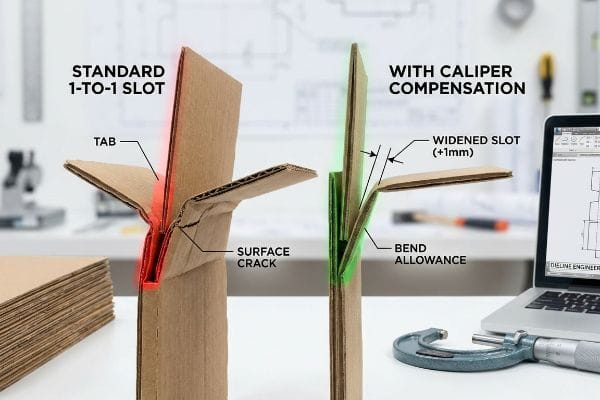
يتطلب صنع حامل عرض من الورق المقوى هندسة دقيقة لخطوط القطع، مع مراعاة سماكة الورق الفعلية. إذا لم يتم توسيع فتحات الطي لمراعاة نصف قطر الانحناء الخارجي للمادة المموجة، فسوف ينحني الهيكل بأكمله بشدة، أو يتمزق، أو ينهار تمامًا أثناء التجميع النهائي.
لكن معرفة النظرية لا تكفي عندما تبدأ الآلات بالعمل ويكون مصير 500 وحدة على المحك.
لماذا تفشل قوالب المتجهات القياسية في بيئة العمل؟
كثيراً ما يقوم مصممو الجرافيك بإنشاء ألسنة متشابكة وفتحات قابلة للطي في برامج الرسم الرقمي بنفس عرض اللوحة المقابلة لها(13). يفترضون أن لسانًا بعرض 76.2 مم (3 بوصات) يتناسب تمامًا مع فتحة بعرض 76.2 مم (3 بوصات). في بيئة رقمية مثالية، تبدو هذه المطابقة التامة مثالية وجاهزة للطباعة.
في منشأتي، ألاحظ باستمرار أن هذه الحسابات النظرية تُسبب فوضى عارمة أثناء التعبئة والتغليف. تكمن المشكلة في عدم حساب سُمك اللوح المطوي، مثل لوح سميك من نوع B-flute بسمك 3 مم (0.12 بوصة)14.عندما ينحني هذا اللوح السميك بزاوية 90 درجة، فإنه يستهلك كمية من المادة. إذا لم أستخدم برامج التصميم بمساعدة الحاسوب (CAD) لتطبيق سماحية الانحناء15، فسوف ينحني الجهاز بشدة عند طيه. الاحتكاك الناتج عن إدخال لسان سميك في فتحة ضيقة يتسبب في تشقق الطبقة العلوية المطبوعة فورًا. أحل هذه المشكلة بتوسيع فتحات الاستقبال بشكل مصطنع بمقدار 1 مم (0.04 بوصة) بالضبط لتعويض نصف القطر. من خلال تطبيق هذا التفاوت الدقيق، أضمن انخفاض وقت التجميع بما يصل إلى 30 ثانية لكل وحدة، مما يوفر على العملاء آلاف الدولارات من تكاليف العمالة اليدوية أثناء التنفيذ.
| أخطاء شائعة للمبتدئين | الحل الاحترافي | فوائد أرضية البيع بالتجزئة |
|---|---|---|
| مطابقة الفتحات بنسبة 1 إلى 1 | تعويض الفرجار الهيكلي16 | يُسرّع عملية تجميع التعبئة المشتركة |
| مع تجاهل سمك المادة | خوارزميات بدل الانحناء17 | يمنع تشقق سطح الصفائح المطبوعة بالحجر |
| إجبار الألسنة على الشد | إضافة التفاوتات الدقيقة18 | يمنع انحناء الألواح تحت الحمل |
أحرص دائمًا على قياس أبعاد اللوح الخام باستخدام الميكرومتر قبل قطع القالب النهائي. فالتعديل الدقيق لتفاوتات الفتحات هو ما يميز مشروعًا فنيًا وحرفيًا محبطًا عن منتج تجاري مربح.
🛠️ مكتب هارفي: لا تدع عيبًا هيكليًا بحجم 2 مليمتر يُفسد إطلاقًا ضخمًا لـ 500 متجر. 👉 أرسل لي ملف تصميم القالب ↗ — سأُجري اختبارات دقيقة للحسابات قبل أن تُهدر ميزانيتك على الإنتاج الضخم.
خاتمة
يمكنك اختيار مورد أرخص، ولكن عندما تتسبب فتحات القوالب الضيقة في تشقق ورق الطباعة الحجرية في المصنع، مما يؤدي إلى إبطاء عملية التجميع بنسبة 30% تقريبًا، فإن هامش ربحك بالكامل يتبخر. هذه هي ورقة المواصفات الدقيقة التي يستخدمها أفضل 10 عملاء تجزئة لديّ لضمان عدم رفض أي طباعة. توقف عن المخاطرة بميزانيتك على قوالب متجهة غير مُدققة، ودعني شخصيًا أُجري تدقيقًا مجانيًا قبل بدء الإنتاج الضخم ↗ لاكتشاف نقاط الضعف الحرجة.
"ما هو خط القطع في التغليف؟ دليل، مواصفات، وقوالب"، https://brillpack.com/what-is-dieline-in-printing-packaging/. [توضح إرشادات التصنيع الصناعية أن إنشاء قوالب قطع مخصصة ينطوي على تكاليف أدوات كبيرة، والتي يمكن تجنبها عن طريق إعادة استخدام القوالب الموجودة أو تعديل حجمها]. دور الدليل: تبرير اقتصادي؛ نوع المصدر: دليل تصنيع. يدعم: الادعاء بأن تعديل حجم خطوط القطع يهدف إلى تقليل نفقات الإنتاج. ملاحظة النطاق: ينطبق على المواد المموجة المقطوعة بالقوالب. ↩
منصات نقالة GMA مقاس 48 × 40 بوصة | أكبر مصنّع ومورّد لمنصات النقل، https://www.meridianpkg.com/feeds/category/gma-pallets. [تُحدد معايير الصناعة الصادرة عن جمعية مصنّعي البقالة مقاس 48 × 40 بوصة كمقاس عالمي لمنصات النقل في مجال الخدمات اللوجستية لتجارة التجزئة في أمريكا الشمالية]. دور الدليل: مواصفات فنية؛ نوع المصدر: معيار صناعي. يدعم: قيود حجم ملفات أرضيات نقاط البيع. ملاحظة النطاق: المعيار الأساسي للتخزين في أمريكا الشمالية. ↩
معايير قانون الأمريكيين ذوي الإعاقة للتصميم المُيسّر، الباب الثالث، اللائحة 28 CFR...، https://www.ada.gov/law-and-regs/design-standards/1991-design-standards/. [تُعرّف معايير قانون الأمريكيين ذوي الإعاقة للتصميم المُيسّر نطاق الوصول الأمامي غير المُعاق بأنه من 15 إلى 48 بوصة فوق الأرض لضمان سهولة الوصول للأفراد الذين يستخدمون الكراسي المتحركة]. دور الدليل: الامتثال القانوني؛ نوع المصدر: لائحة حكومية. يدعم: متطلبات ارتفاع وعمق شاشة نقاط البيع. ملاحظة النطاق: قانون إمكانية الوصول الفيدرالي الأمريكي. ↩
معايير إمكانية الوصول وفقًا لقانون الأمريكيين ذوي الإعاقة (ADA) - Access-Board.gov، https://www.access-board.gov/ada/. [تُحدد إرشادات قانون الأمريكيين ذوي الإعاقة (ADA) الحد الأدنى للعرض الصافي المطلوب للطرق المُيسّرة، مما يعني أن عدم ملاءمة حجم العرض يؤدي إلى عدم الامتثال]. دور الدليل: متطلب تنظيمي؛ نوع المصدر: قانون حكومي. يدعم: الادعاء بأن الهندسة المنفصلة تمنع رفض طلبات قانون الأمريكيين ذوي الإعاقة. ملاحظة النطاق: يركز على قوانين إمكانية الوصول في الولايات المتحدة. ↩
"تقليل الهدر في تغليف الكرتون المموج: منهجية لين 6 سيجما"، https://www.theleansixsigmacompany.com/cutting-waste-in-corrugated-packaging-a-lean-six-sigma-approach/?srsltid=AfmBOoreyawhOY174QB5TiyTdL2Vp0oygCWN4H23cOcGOO_H2R69tb0c. [توضح معايير تصنيع مواد الكرتون المموج بالتفصيل كيفية تطبيق هندسة كسرية محددة على قوالب القطع لتحسين استخدام الألواح وتقليل هدر المواد]. دور الدليل: مواصفات فنية؛ نوع المصدر: دليل هندسة صناعية. يدعم: الادعاء بأن الهندسة الكسرية توفر تكاليف التصنيع. ملاحظة النطاق: خاص بإنتاج الكرتون المقطوع بالقوالب. ↩
"تقدير قوة الضغط لصناديق الكرتون المموج..."، https://pmc.ncbi.nlm.nih.gov/articles/PMC8467740/. [يقدم دليل هندسة التغليف حدود قوة الضغط والاستقرار للطيات المثلثة في الكرتون المموج]. دور الدليل: التحقق الفني؛ نوع المصدر: دليل صناعي. يدعم: عدم كفاية الهندسة البسيطة للمراجع الثقيلة. ملاحظة النطاق: يختلف باختلاف حجم وسمك تموجات الكرتون. ↩
"فيزياء الكلية 1: المحاضرة 24 - العزم ومركز الثقل"، https://www.youtube.com/watch?v=L-ZkcqSdlkE. [يشرح كتاب في الفيزياء أو الهندسة الإنشائية كيف تُنشئ الكتلة المركزة للكتب مركز ثقل مائلًا للأمام، مما ينتج عنه عزم يُهدد الاستقرار]. دور الدليل: التحقق الفني؛ نوع المصدر: كتاب هندسي. الدعم: فيزياء سبب فشل الدعامات البسيطة. ملاحظة النطاق: خاص بالأحمال غير المتماثلة. ↩
"ما هي مدة التسليم لشاشات العرض المخصصة للطاولات؟ - PopDisplay"، https://popdisplay.me/es/%C2%BFcual-es-el-plazo-de-entrega-para-expositores-de-mesa-personalizados-/. [توضح معايير هندسة التغليف كيفية تمديد القاعدة أو إضافة ثقل في الأسفل لتحريك مركز الثقل للخلف لمنع الانقلاب]. دور الدليل: المواصفات الفنية؛ نوع المصدر: دليل تصميم التغليف. يدعم: حلول هيكلية لتثبيت الحمولة. ملاحظة النطاق: يركز على بناء الألواح الليفية المموجة. ↩
حامل عرض من الورق المقوى "8.5 × 11 بوصة: كرافت مزدوج الجناح"، https://www.affordabledisplayproducts.com/ED11DWK-Cardboard-Easel-Displays-Kraft?srsltid=AfmBOorWA2aNIdQTcdKYcFRd5vE_wbgqUJxdfb0torR9B1axn95X4n04. [توضح الإرشادات الهندسية لشاشات نقاط البيع كيف يؤدي تمديد الجزء الخلفي من الحامل إلى زيادة مساحة القاعدة لتغيير نقطة الانقلاب]. دور الدليل: التحقق الفني؛ نوع المصدر: دليل التصميم. يدعم: منع الانقلاب للأحمال الثقيلة. ملاحظة النطاق: ينطبق على هياكل الورق المقوى المموج. ↩
"دراسة تأثير الثقوب على قدرة تحمل الأحمال..."، https://pmc.ncbi.nlm.nih.gov/articles/PMC11396172/. [تُظهر معايير التغليف الهيكلي أن وضع طبقتين أو تثبيت القاعدة يقلل من الإجهاد على الألياف الفردية تحت الأحمال المركزة.] دور الدليل: برهان من علم المواد؛ نوع المصدر: كتاب هندسة التغليف. يدعم: منع تمزق الألياف. ملاحظة النطاق: خاص بقواعد الكرتون الحاملة للأحمال. ↩
"مركز الثقل | مركز جلين للأبحاث - ناسا"، https://www1.grc.nasa.gov/beginners-guide-to-aeronautics/center-of-gravity/. [تشرح المبادئ الفيزيائية المتعلقة بمركز الثقل كيف أن تحريك نقطة التوازن نحو الخلف يزيد من الثبات ضد الحمولات المائلة للأمام.] دور الدليل: التحقق من القوانين الفيزيائية؛ نوع المصدر: كتاب فيزياء. يدعم: عرض الأمان أثناء التفاعل. ملاحظة النطاق: يركز على العلاقة بين زاوية الحمل وثبات القاعدة. ↩
"فهم تغليف PDQ في قطاع التجزئة - لينكدإن"، https://www.linkedin.com/pulse/understanding-pdq-packaging-retail-moss-tvthc. يُمكن لمصدر موثوق في تصميم التغليف الهيكلي أو فيزياء مركز الكتلة أن يُؤكد النسبة المحددة المطلوبة لمنع انقلاب تجهيزات عرض المنتجات في متاجر التجزئة ذات الوزن الزائد. دور الدليل: التحقق الفني؛ نوع المصدر: دليل هندسي أو معيار صناعة التغليف. يدعم: المتطلبات الهندسية لاستقرار العرض. ملاحظة: قد يتأثر الاستقرار الفعلي بوزن حمولة المنتج. ↩
"تفاوتات RSC لآلات تجميع وتعبئة الصناديق - AICC Now"، https://now.aiccbox.org/rsc-tolerances-for-case-erectors-and-packers/. تحدد معايير هندسة التغليف إضافة تفاوتات خلوص للفتحات لاستيعاب السماكة الفعلية ونصف قطر انحناء الورق المقوى المموج. دور الدليل: التحقق الفني؛ نوع المصدر: دليل هندسي. يدعم: عدم كفاية الأبعاد الرقمية بنسبة 1:1. ملاحظة النطاق: ينطبق على المواد ذات السماكة الكبيرة. ↩
[ملف PDF] مواصفات الكرتون المموج - رابطة صناديق الألياف، https://www.fibrebox.org/assets/2025/09/Walmart_Corrugated-Board_Specifications_Automation_Packaging_Standards.pdf. [تحدد معايير الصناعة لتغليف الكرتون المموج النطاق النموذجي لسمك مادة B-flute]. دور الدليل: مواصفات واقعية؛ نوع المصدر: دليل فني. يدعم: السماكة المحددة للكرتون B-flute. ملاحظة: قد تختلف السماكة الدقيقة باختلاف الشركة المصنعة. ↩
"ما هو خط القطع في التغليف والطباعة؟ - PopDisplay"، https://popdisplay.me/what-is-a-dieline-in-packaging-print/. [تشرح الإرشادات الهندسية لتصميم التغليف ضرورة وجود بدل انحناء لمراعاة سُمك المادة ومنع التقوس أثناء الطي]. دور الدليل: مبدأ تقني؛ نوع المصدر: كتاب هندسي. يدعم: متطلبات تعديلات التفاوتات القائمة على التصميم بمساعدة الحاسوب (CAD). ملاحظة النطاق: ينطبق بشكل أساسي على المواد المموجة ذات السماكة الكبيرة. ↩
"تغليف من الورق المقوى المموج بتصميم مبتكر لتحسين..."، https://bioresources.cnr.ncsu.edu/resources/corrugated-board-packaging-with-innovative-design-for-enhanced-durability-during-transport/. [تُعرّف مواصفات تصنيع الورق المقوى المموج تعويض السماكة بأنه تعديل لسمك المادة لضمان تطابق دقيق للفتحات]. دور الدليل: التحقق من صحة العملية؛ نوع المصدر: مواصفات التصنيع. يدعم: كفاءة التجميع. ملاحظة النطاق: يركز على تباين سمك المادة. ↩
[ملف PDF] صلابة انحناء الورق المقوى المموج، https://www.fpl.fs.usda.gov/documnts/pdf1992/luo92a.pdf. [تشرح أدلة هندسة التغليف كيفية استخدام حسابات بدل الانحناء لمنع التشققات الناتجة عن الشد على الأسطح المطبوعة]. دور الدليل: التحقق الفني؛ نوع المصدر: دليل هندسة التغليف. يدعم: سلامة المواد. ملاحظة النطاق: خاص بالصفائح المموجة المطبوعة. ↩
"حوامل عرض دائرية مموجة مطبوعة حسب الطلب - Shanghai BPS"، https://boxpackingsolution.com/custom-printed-round-corrugated-display-stands/. [تُظهر معايير التصميم الصناعي للتغليف الهيكلي أن دمج التفاوتات الدقيقة يقلل من الإجهاد الداخلي ويمنع تقوس الألواح]. دور الدليل: التحقق من صحة الهيكل؛ نوع المصدر: معيار تصميم صناعي. يدعم: الاستقرار الهيكلي. ملاحظة النطاق: ينطبق على شاشات العرض الكرتونية الحاملة للأحمال. ↩