تُخصص العلامات التجارية ميزانيات ضخمة للتسويق في قطاع التجزئة، لكن الكثيرين يسيئون فهم كيفية تأثير العروض المادية على المبيعات. دعونا نحلل آليات إحداث تغيير جذري في نقاط البيع.
يؤثر عرض المنتجات في نقاط البيع بشكل كبير على سلوك الشراء الاندفاعي في نقاط البيع بالتجزئة. تعمل هذه الهياكل التسويقية المادية على تعطيل أنماط التفكير المعتادة لدى المتسوقين، مستخدمةً التوزيع المكاني الاستراتيجي والتباين البصري لتحفيز عمليات شراء فورية وغير مخطط لها قبل إتمام عملية الشراء.
إن فهم النظرية النفسية هو مجرد الخطوة الأولى؛ أما تنفيذها فعلياً على أرض المتجر فهو ما يجعل معظم الحملات إما تفوز أو تفشل تماماً.
ما هو الغرض من شاشة عرض نقاط البيع؟
قد تعتقد أن وظيفة العرض هي مجرد عرض المنتج، لكن غرضه الحقيقي هو التدخل النفسي في بيئة شديدة التشتت.
يهدف عرض المنتجات في نقاط البيع بشكل كامل إلى تحفيز عمليات الشراء الاندفاعية في اللحظات الأخيرة. ومن خلال عزل سلع محددة بشكل استراتيجي في مناطق الدفع ذات الحركة الكثيفة، تُجبر هذه التجهيزات الهيكلية المتخصصة المستهلكين على التفاعل الفوري، وتتجاوز إرهاق اتخاذ القرار المعتاد، وتحول حركة المرور السلبية إلى إيرادات معاملات فورية وقابلة للقياس.

لكن معرفة هذا الهدف في قاعة الاجتماعات لا يعني بالضرورة أن عملك الفني المادي سيحول المتسوقين المتسرعين إلى عملاء فعليين.
فخ الإرهاق المعرفي في تصميم نقاط البيع
غالباً ما تحاول فرق التسويق حشر كل نقاط البيع، والموضوعات الموسمية، ورسالة العلامة التجارية في مساحة صغيرة على طاولة العرض. يفترضون أن توفير المزيد من المعلومات يمنح المستهلك المزيد من الأسباب للشراء. في الواقع، لا يملك المتسوق عند صندوق الدفع سوى ثوانٍ معدودة لمعالجةما يحيط به أثناء تفريغ عربة التسوق.
ألاحظ هذا الأمر يتكرر باستمرار عندما تحاول العلامات التجارية طباعة ملف تعريف سلوك المستهلك بالكامل على قطعة صغيرة من الورق المقوى. يقوم البائع المتسرع بفتح العبوة، ليجدها مجرد جدار كثيف بصريًا من النصوص؛ فيحدق المتسوق فيها بنظرة حادة، وتفقد عيناه تركيزه، ويتجاهلها تمامًا. لحل هذه المشكلة، أقوم بإزالة النصوص الثانوية والتركيز على نقطة محورية واحدة عالية التباين - مثل عنصر كبير مقطوع بدقة يستهدف مناسبة شراء محددة. من خلال القيام بذلك، نتجاوز الفوضى البصرية، ونحفز الدافع النفسي دون إبطاء عملية الدفع، مما يعزز بشكل مباشر معدل تحويل المبيعات الفعلي على جهازالدفع.
| أخطاء شائعة للمبتدئين | الحل الاحترافي | فوائد أرضية البيع بالتجزئة |
|---|---|---|
| طباعة فقرات من نص صغير | عزل نقطة محورية واحدة مقطوعة بقالب عالي التباين | يلفت الانتباه في أقل من ثلاث ثوانٍ3 |
| استخدام مواضيع موسمية متعددة ومتضاربة | استهداف مناسبة شراء محددة واحدة | يقلل من إجهاد العين لدى المتسوق4 |
| تجاهل الإضاءة العلوية القاسية للمتجر | تحديد ألوان موضعية لشعارات العلامات التجارية | يمنع بهتان الألوان عند الدفع5 |
أقوم بحذف النصوص من صفحات منتجاتك بشكل جذري لأن المتسوقين المرتبكين ببساطة ينصرفون. مهمتي هي ضمان أن يكون تصميمك المادي بمثابة محفز نفسي فوري، وليس مجرد كتيب شامل يُسبب توقفًا تامًا للقدرات الذهنية.
🛠️ مكتب هارفي: هل يُكثر مديرو علامتك التجارية من النصوص في حملة إطلاق منتجاتك الجديدة؟ 👉 احصل على تدقيق مجاني لخط الإنتاج ↗ — تواصل مباشر مع مكتبي. أضمن لك عدم تلقي أي رسائل تسويقية آلية مزعجة.
ما هو مثال على عرض نقاط البيع؟
إذا كنت تريد مثالاً ملموساً على هذا التنفيذ، فانظر مباشرة إلى منضدة الدفع، حيث يتم ترشيد المساحة بشكل صارم ويتم فرض الاستقرار بموجب القانون.
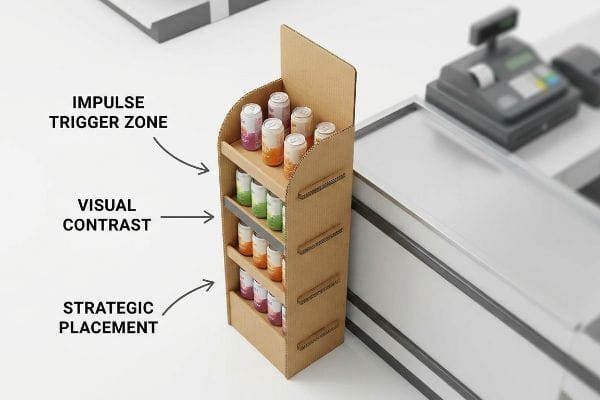
من الأمثلة على شاشات العرض في نقاط البيع وحدة PDQ (شاشة عرض المنتجات السريعة) التي توضع على سطح الطاولة بالقرب من صناديق الدفع في المتاجر. صُممت هذه الصواني الكرتونية المموجة المدمجة والمعززة هيكليًا بدقة متناهية لعرض المنتجات الصغيرة التي تُشترى بدافع اللحظة، مع الالتزام التام بمعايير نسبة الارتفاع والعمق الصارمة التي يفرضها تجار التجزئة.

إن رؤية مندوب المبيعات في عرض رقمي أمر سهل، لكن الحفاظ عليه منتصباً أثناء اندفاع المتجر الفوضوي هو تخصص مختلف تماماً.
قاعدة نسبة العمق إلى الارتفاع 2:3 لوحدات سطح العمل
غالباً ما يصمم المصممون المبتدئون عروضاً طويلة ورفيعة على أسطح الطاولات لزيادة وضوح المنتجات واستغلال مساحة اللوحات الإعلانية، ظناً منهم أن العنوان الأكبر سيجذب المزيد من الأنظار. ويبنون هذه النماذج الرقمية دون اختبار مركز الثقل الفعلي، متجاهلين الواقع الفوضوي لمسار الدفع السريع.
ألاحظ هذه المشكلة مرارًا وتكرارًا عندما يميل عرضٌ جميلٌ وعاليٌّ إلى الأمام بمجرد أن يلامسه أحد الزبائن. يكاد المرء يسمع صوت طقطقة الكرتون الخام المزعجة عندما تنثني القاعدة تحت وطأة وزنها الثقيل. حلي المعتاد هو تطبيق قاعدة صارمة بنسبة 2:3 بين العمق والارتفاعممايجنّب العلامة التجارية رفض مدير المتجر الفوري وإعادة العمل اليدوي المكلفة.
| أخطاء شائعة للمبتدئين | الحل الاحترافي | فوائد أرضية البيع بالتجزئة |
|---|---|---|
| تصميم لوحات رأسية طويلة وضيقة | تطبيق نسبة صارمة بين العمق والارتفاع تبلغ 2:37 | يمنع الشاشة من الانقلاب للأمام |
| تجاهل المركز الفيزيائي للثقل | تثبيت وحدات التخزين الأثقل وزناً في الطبقة السفلية8 | يعمل على تثبيت الوحدة أثناء اصطدام المتسوقين |
| بالاعتماد على قواعد التجميع المسطحة القياسية | إضافة دعامة خلفية ممتدة لحامل الرسم9 | يتحمل الاحتكاك الناتج عن إعادة التخزين اليومية المكثفة |
أرفض تصميم منتجات عرض ضخمة وغير عملية تُصبح عبئًا على رفوف المتاجر. إذا كان عرضك يتطلب من البائع الاعتذار لدعمه، فأنت بذلك قد فشلت بالفعل في تلبية المتطلبات المادية الأساسية لعرض المنتجات في متاجر التجزئة.
🛠️ مكتب هارفي: هل رفوف عرض منتجاتك مثبتة بشكل صحيح لتتحمل اصطدامات المتسوقين؟ 👉 اطلب فحصًا للثبات ↗ — حمّل الملف بأمان. صندوق بريدي مفتوح إذا كانت لديك أي أسئلة لاحقًا.
ما هو مفهوم شاشة عرض نقاط البيع؟
بخلاف السجل المحلي، تتطلب استراتيجية أرضية المتجر الأوسع نطاقًا نهجًا متعدد الطبقات للاضطراب البصري والتفاعل المكاني.
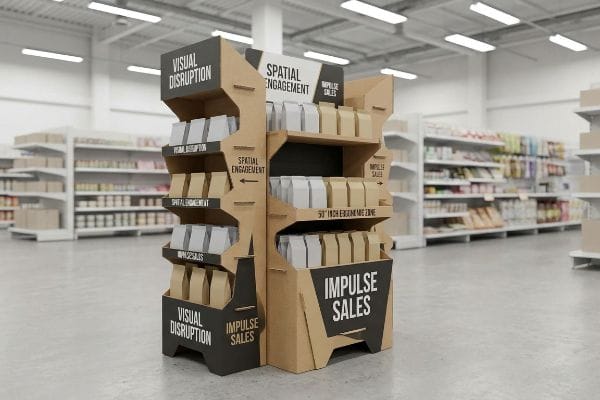
تعتمد فكرة عرض المنتجات في نقاط البيع على توجيه حركة المستهلكين بشكل استراتيجي عبر أرجاء المتجر. تستخدم هذه الوحدات التجارية الكبيرة المستقلة أشكالًا هيكلية جذابة ورسائل نفسية موجهة لجذب المتسوقين بعيدًا عن الممرات العادية، مما يحفزهم على التفاعل المباشر مع المنتج.
ومع ذلك، فإن بناء صندوق عملاق ووضعه في الممر لا يضمن تفاعل المتسوقين.
تنفيذ استراتيجية المشاركة المكانية 3-3-3
كثيراً ما تصمم الفرق عديمة الخبرة عروضاً أرضية مصممة خصيصاً للعرض عن قرب على شاشات الكمبيوتر ذات الإضاءة الخلفية. يفترضون أنه إذا بدت الأعمال الفنية جميلة من مسافة ذراع، فستجذب الحشود بشكل طبيعي إلى مستودع تجاري واسع.
يفشل هذا التركيز الضيق تمامًا عندما أتجوّل في المتجر وأرى المتسوقين يدفعون عرباتهم دون أن يلاحظوا لوحةً مموجةً مطبوعةً بشكلٍ جميل، لكنها مسطحةٌ هيكليًا. يفتقر التصميم إلى أي جاذبيةٍ بصرية؛ فهو يكاد يكون غير مرئي من مسافة 9.14 مترًا. لذا، قمتُ بحلّ هذه المشكلة من خلال تطبيق قاعدة 3-3-3 مباشرةً في ملف التصميم بمساعدة الحاسوب، وفرضتُ استخدام أشكالٍ مقطوعةٍ بشكلٍ بارزٍ لجذب الانتباه من مسافة 9.14 مترًا، وحسّنتُ ارتفاعات الرفوف لضمان وصولها إلى مسافة 0.91 مترًا، وقمتُ بقص الحافة الداعمة للوصول إلى الحجم النهائي البالغ 76.2 ملم. هذا الترتيب الهيكلي المحسوب يجذب انتباه المتسوقين بشكلٍ فعّال، مما يُترجم مباشرةً إلى زيادةٍ ملحوظةٍ في المبيعات العفوية .
| أخطاء شائعة للمبتدئين | الحل الاحترافي | فوائد أرضية البيع بالتجزئة |
|---|---|---|
| تصميم جدران خارجية مسطحة ومربعة الشكل | فرض أشكال هيكلية مقطوعة بشكل عدواني | يُحدث تشويشاً بصرياً من مسافات بعيدة |
| وضع العناصر الرئيسية على مستوى الكاحل | تحسين بيئة العمل على الرفوف لتناسب منطقة الضرب التي يبلغ طولها 50 بوصة (1270 مم)12 | يزيد من معدلات تفاعل المتسوقين على مسافة قريبة |
| استخدام شفاه تثبيت أمامية عالية | تقليل الحافة لتحقيق رؤية المنتج بنسبة 85%13 | يضمن التحويل اللمسي النهائي |
أُدمج التفاعل المكاني مباشرةً في التصميم الهيكلي، لأن اللوحات الإعلانية المسطحة لا تُسهم في بيع المنتجات في ممرات المتاجر الكبيرة. إذا فشل مندوب المبيعات في جذب انتباه المتسوق من مسافة بعيدة، فإن حملتك التسويقية ستفشل فشلاً ذريعاً.
🛠️ مكتب هارفي: هل يجذب عرض منتجاتك الحالي الزوار، أم أنه يندمج مع خلفية المستودع؟ 👉 احصل على مخططك الهيكلي ↗ — لا توجد استمارات تُسبب مكالمات مبيعات لا تنتهي. قيمة حقيقية فقط.
ما الذي يجب أن تفعله شاشات العرض الفعالة في نقاط البيع؟
يجب أن تبدو الشاشة الفعالة مذهلة، لكن واجبها الأساسي المطلق هو الصمود أمام قوى الفيزياء الحركية الوحشية لسلسلة التوريد العالمية الحديثة.
يجب أن تتحمل شاشات العرض الفعالة في نقاط البيع ضغطًا هائلاً من الحمولة الديناميكية أثناء النقل المطول داخل المستودعات. وبعيدًا عن مجرد التأثير الجمالي، صُممت هذه الهياكل المموجة الصلبة خصيصًا لتوزيع وزن المنصات الثقيلة بشكل دقيق، مما يمنع تمامًا حدوث أي انبعاج كارثي في الزوايا قبل وصول الوحدة إلى ممر البيع بالتجزئة.
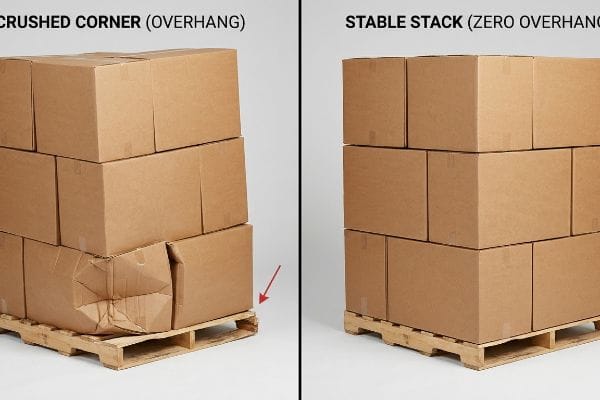
إن جعل شاشة واحدة تقف بشكل مثالي في مختبر ثابت ومتحكم في مناخه أمر سهل، ولكن إليك الحقيقة القاسية عندما تقوم بشحن حمولة حاوية كاملة.
لماذا تفشل هندسة الكرتون المموج القياسية في أرضية المصنع؟
كثيراً ما تسعى إدارات المشتريات إلى زيادة كثافة الشحن عن طريق توسيع أبعاد الكرتون الرئيسي لاستيعاب المزيد من الوحدات، ظناً منها أن المواد الخام المتينة ستحمي البضائع بشكل طبيعي. ويعتقدون خطأً أن معدل الضغط العالي على ورقة كرتون مسطحة(14) يضمن بقاء الصندوق النهائي سليماً عند تكديسه مرتين داخل حاوية شحن بحرية.
هذا ليس مجرد كلام نظري، بل أراه يحدث فعلاً في مختبر الاختبار عندما يتجاوز حجم كرتونة رئيسية حجم منصة نقالة قياسية من جمعية مصنعي البقالة (GMA) بأبعاد 48×40 بوصة (1219×1016 مم) بمقدار ضئيل للغاية. عند قياس نقطة الضعف، يتبين أن هذا التجاوز الطفيف، البالغ 0.5 بوصة (12.7 مم)، يُفقد الكرتونة 60 % من قوتها في اختبار ضغط الصناديق (BCT) لأن الزوايا الهيكلية لا تتحمل أي حمل. يصدر الجزء السفلي غير المدعوم صوت طقطقة مسموع، وينحني للخارج بشكل واضح تحت تأثير الضغط الحركي. أعالج هذه المشكلة بفرض حد أقصى للتجاوز في برنامجنا، مما يقلل المساحة القصوى المسموح بها بمقدار 12.7 مم بالضبط. بهذه الطريقة، أضمن بقاء الزوايا مدعومة بالكامل، مما يوفر للعملاء ما يقدر بـ 4500 دولار أمريكي من رسوم العمالة لكل شحنة، وذلك عن طريق القضاء تماماً على أضرار النقل وتكاليف التعويضات المتعلقة بالسحق التي يتحملها تجار التجزئة.
| أخطاء شائعة للمبتدئين | الحل الاحترافي | فوائد أرضية البيع بالتجزئة |
|---|---|---|
| تمدد الكراتين لتتجاوز حافة المنصة | تطبيق بروتوكول المربع المحيط بدون بروز | يحافظ على 60% من قوة ضغط الزاوية17 |
| بالاعتماد فقط على تصنيفات المواد الخام | تقليص المساحة بمقدار 12.7 ملم بالضبط18 | يمنع تلفيات النقل أثناء الشحن البحري |
| تجاهل محاذاة الحمل الرأسي | ضمان استقرار الزوايا بالكامل على سطح الخشب | يمنع سحق الطبقة السفلية تحت المنصات الثقيلة |
لا أتهاون في تحديد أبعاد الصندوق المحيط لأن قوانين الفيزياء لا تُراعي أهدافك المتعلقة بكثافة الشحن. إذا كانت زوايا التحميل معلقة في الهواء، فإن استثمارك الهيكلي بأكمله سينهار في النهاية تحت وطأة حمولة المستودع.
🛠️ مكتب هارفي: لا تدع عيبًا هيكليًا بحجم 2 مليمتر يُفسد إطلاقًا ضخمًا لـ 500 متجر. 👉 أرسل لي ملف تصميم القالب ↗ — سأُجري اختبارات دقيقة للحسابات قبل أن تُهدر ميزانيتك على الإنتاج الضخم.
خاتمة
قد يبدو اختيار مورد رخيص خيارًا ذكيًا، إلى أن يتسبب بروز بسيط في منصة التحميل في انهيار الطبقة السفلية، مما يؤدي إلى إبطاء خط تجميع التعبئة والتغليف بنسبة تُقدّر بـ 30%، ويؤدي إلى رفض فوري من قِبل تجار التجزئة. يستخدم أكثر من 500 مدير علامة تجارية قائمة التحقق الخاصة بي قبل الطباعة لتجنب هذه الأخطاء القاتلة في المراحل المبكرة. توقف عن التخمين بشأن التفاوتات الهيكلية، ودعني أُجري شخصيًا تدقيقًا مجانيًا لملفاتك قبل الطباعة ↗ لاكتشاف هذه الثغرات الحركية قبل بدء الإنتاج الضخم.
"استكشاف سلوك التصفح ومستوى انتباه المتسوقين باستخدام..."، https://pmc.ncbi.nlm.nih.gov/articles/PMC6895988/. دراسة موثوقة في علم نفس المستهلك أو سلوك البيع بالتجزئة، تؤكد محدودية الوقت المتاح للمعالجة المعرفية عند نقطة البيع. دور الدليل: دعم واقعي؛ نوع المصدر: مجلة أكاديمية أو تقرير صناعي. يدعم: الادعاء المتعلق بسرعة وقت المعالجة أثناء الدفع. ملاحظة النطاق: خاص ببيئات الشراء الاندفاعي. ↩
"بحث حول تأثير خصائص التصميم المرئي لواجهة المستخدم..."، https://pmc.ncbi.nlm.nih.gov/articles/PMC12837220/. تُظهر الأبحاث في علم نفس المستهلك والتسويق العصبي أن تقليل التعقيد البصري في نقاط البيع يُقلل من الجهد الذهني، مما يزيد من معدل الشراء الاندفاعي. دور الدليل: التحقق من الفعالية؛ نوع المصدر: دراسة بحثية تسويقية. يدعم: العلاقة بين التصميم البسيط وزيادة المبيعات. ملاحظة النطاق: يركز على بيئات البيع بالتجزئة ذات الحركة المرورية العالية. ↩
"فترات انتباه قصيرة جدًا: التحدي الجديد للمسوقين"، https://www.retaildive.com/ex/mobilecommercedaily/goldfish-sized-attention-spans-the-marketers-new-challenge. ستوفر دراسة قطاعية حول أنماط نظر المستهلكين في بيئات البيع بالتجزئة معيارًا للفترة الزمنية المحددة المتاحة لجذب انتباه المتسوق. دور الدليل: التحقق التجريبي؛ نوع المصدر: تقرير بحث تسويقي. يدعم: فعالية نقطة تركيز واحدة في جذب الانتباه الفوري. ملاحظة النطاق: قد يختلف بناءً على فئة المنتج وحركة المتجر. ↩
دراسة حول العبء المعرفي للمستهلكين في مواقع التجارة الإلكترونية...، https://arxiv.org/html/2605.02899v1. تُفسر الأبحاث في علم النفس المعرفي والعوامل البشرية كيف يُسهم تقليل المحفزات البصرية المتضاربة في الوقاية من الإرهاق المعرفي والإجهاد البصري. دور الدليل: دعم نظري؛ نوع المصدر: ورقة بحثية أكاديمية. يدعم: الادعاء بأن استهداف مناسبة شراء واحدة يُحسّن التجربة المعرفية للمتسوق. ملاحظة نطاق البحث: يتعلق بالمبادئ العامة للمعالجة البصرية. ↩
"الطباعة بالألوان الموضعية مقابل الطباعة بالألوان الأساسية - بانتون"، https://www.pantone.com/articles/technical/spot-vs-process-color?srsltid=AfmBOordnZlVNs-OUukhXiovnDhLT-TK0rPnSkRbPqu5aXhBQpF4Ajcf. توضح الوثائق الفنية المتعلقة بتصبغ الحبر وإدارة الألوان كيفية حفاظ الألوان الموضعية على تشبعها وثباتها تحت إضاءة علوية عالية الكثافة مقارنةً بألوان CMYK الأساسية. نوع الدليل: مواصفات فنية؛ نوع المصدر: دليل فنون الطباعة. يدعم: استخدام الألوان الموضعية في شعارات العلامات التجارية في البيئات المضيئة. ملاحظة: ينطبق تحديدًا على ظروف الإضاءة الاصطناعية. ↩
هل صناديق العرض الخاصة بكم مناسبة لنقاط البيع؟ ( https://popdisplay.me/are-your-counter-display-boxes-suitable-for-point-of-sale-pos-marketing/). التحقق من معيار نسبة العمق إلى الارتفاع المستخدم في هندسة تغليف التجزئة لضمان الثبات الهيكلي. دور الدليل: المواصفات الفنية؛ نوع المصدر: دليل تغليف صناعي. يدعم: قاعدة نسبة 2:3 للثبات. ملاحظة النطاق: خاص بوحدات العرض على أسطح الطاولات المصنوعة من الكرتون المموج. ↩
"14 نوعًا من عروض البيع بالتجزئة | شيكاغو، إلينوي - ويرثيمر بوكس"، https://wertheimerbox.com/types-of-retail-displays/. تحدد معايير الصناعة لتصميم عروض نقاط البيع نسبًا للحفاظ على الثبات ومنع الانقلاب. دور الدليل: المواصفات الفنية؛ نوع المصدر: دليل تصميم. يدعم: قاعدة نسبة 2:3 لوحدات سطح الطاولة. ملاحظة النطاق: قد يختلف بناءً على كثافة المادة. ↩
"ضمان الاستقرار والدعم الهيكلي في العروض المؤقتة"، https://www.ud-direct.com/blog/tips-and-tricks-to-ensure-stability-and-structure-support-in-temporary-displays. تشير المبادئ الفيزيائية لمركز الثقل إلى أن وضع أكبر قدر من الكتلة عند القاعدة يقلل من احتمالية الانقلاب. دور الدليل: مبدأ فيزيائي؛ نوع المصدر: دليل هندسي. الدعم: التثبيت أثناء اصطدام المتسوقين. ملاحظة النطاق: الفيزياء العامة المطبقة على تجهيزات البيع بالتجزئة. ↩
"حامل عرض قابل للطي - أكسيوم برينت"، https://axiomprint.com/product/easel-back-pop-countertop-display-969?srsltid=AfmBOooS7dnh8Rkls2_UC9sSbM1zaN_3RI06Ofz6g-P7XYbvlcAca2ZT. توصي أدلة التصميم الهيكلي لعروض الكرتون باستخدام حوامل خلفية لزيادة زاوية الدعم ومساحة القاعدة. دور الدليل: معيار تصميم؛ نوع المصدر: دليل تصنيع. يدعم: المتانة أثناء الاحتكاك أثناء إعادة التخزين. ملاحظة النطاق: مخصص تحديدًا للمواد المموجة ذات العبوات المسطحة. ↩
"نقطة الشراء: كيف يمكن لتجار التجزئة التأثير على المتسوقين عند..."، https://blog.intouch.com/posts/points-of-purchase-displays. التحقق من قاعدة 3-3-3 كمعيار تقني معترف به لاعتراض المستهلكين بناءً على المسافة في تصميم متاجر التجزئة. دور الدليل: التحقق التقني؛ نوع المصدر: دليل تسويق التجزئة. يدعم: عتبات المسافة المحددة للتأثير على قرار الشراء، والتفاعل، والتحويل. ملاحظة النطاق: قد يختلف باختلاف حجم بيئة التجزئة. ↩
"رؤى نقاط البيع: تأثير نقاط البيع في متاجر التجزئة..."، https://www.bcipkg.com/point-of-purchase-insights-the-impact-of-retail-pop-displays-on-consumer-behavior/. بيانات تجريبية تربط بين التغيير البصري الهيكلي في عروض نقاط البيع وزيادة معدلات الشراء غير المخطط له. دور الدليل: التحقق من النتائج؛ نوع المصدر: دراسة سلوك المستهلك. يدعم: الادعاء بأن التدرج الهيكلي المدروس يزيد المبيعات. ملاحظة: غالبًا ما تعتمد النتائج على فئة المنتج. ↩
"لماذا يضع تجار التجزئة المنتجات على مستوى نظر المتسوقين؟ - PopDisplay"، https://popdisplay.me/why-do-retailers-place-products-at-eye-level/. التحقق من معايير الصناعة المتعلقة بالارتفاع الأمثل لوضع المنتجات لزيادة تفاعل المتسوقين. دور الدليل: المواصفات الفنية؛ نوع المصدر: دليل تصميم متاجر التجزئة. يدعم: الادعاء بأن ارتفاع 50 بوصة يُحسّن بيئة العمل. ملاحظة: قد يختلف النطاق قليلاً بناءً على طول الفئة المستهدفة. ↩
"15 نصيحة لعرض منتجات جذابة في متاجر التجزئة لزيادة المبيعات"، https://wertheimerbox.com/15-tips-for-attractive-retail-product-displays-that-sell-more-products/. دليل تجريبي يربط بين نسب ظهور منتجات محددة في عروض نقاط البيع ومعدلات التحويل اللمسي. دور الدليل: مقياس أداء؛ نوع المصدر: دراسة في مجال التسويق البصري. يدعم: فعالية تقليل حواف الرفوف الخلفية لزيادة وضوح المنتج. ملاحظة: ينطبق على تصميمات الرفوف المفتوحة من الأمام. ↩
"اختبارات BCT وECT: تقييم قوة الصناديق الكرتونية المموجة | METROPACK"، https://www.metropack.eu/definition/materials/corrugated-cardboard/ect-edge-crush-test-and-bct-box-compression-test-corrugated-box. شرح فني للاختلاف بين قيم اختبار سحق الحواف (ECT) للمواد الخام ونتائج اختبار ضغط الصندوق (BCT) للحاويات المُجمَّعة. دور الدليل: التحقق الفني؛ نوع المصدر: دليل هندسة التغليف. يدعم: الادعاء بأن تصنيفات المواد لا تضمن بقاء الهيكل. ملاحظة النطاق: التركيز على الورق المقوى المموج. ↩
"أحجام المنصات القياسية | مع مخطط"، https://www.kampspallets.com/standard-pallet-sizes-with-chart/. المواصفات الرسمية لأبعاد المنصات في أمريكا الشمالية كما حددتها جمعية مصنعي المنصات (GMA). دور الدليل: التحقق من الحقائق؛ نوع المصدر: معيار صناعي. يدعم: حجم المنصة القياسي. ملاحظة النطاق: ينطبق بشكل أساسي على الخدمات اللوجستية في أمريكا الشمالية. ↩
"نمذجة تنبؤية لتأثير بروز المنصة على قوة ضغط الصندوق"، https://vtechworks.lib.vt.edu/items/d6fb70fe-bf11-40d2-a44c-3ba7918d06e3. دراسات هندسية للتغليف حول توزيع الأحمال وتأثير بروز المنصة على قوة الضغط. دور الدليل: التحقق الفني؛ نوع المصدر: كتاب هندسي. يدعم: الادعاء بانخفاض قوة BCT بنسبة 60%. ملاحظة: قد تختلف النتائج بناءً على نوع الكرتون. ↩
"التنبؤ بتأثير بروز المنصة على انضغاط الصندوق..."، https://www.researchgate.net/publication/372349298_Predicting_the_effect_of_pallet_overhang_on_the_box_compression_strength. بيانات فنية من معايير هندسة التغليف توضح نسبة فقدان القوة الهيكلية عند امتداد الكراتين خارج حافة المنصة. دور الدليل: التحقق الكمي؛ نوع المصدر: ورقة بحثية هندسية. يدعم: تأثير بروتوكولات عدم البروز على سلامة الصندوق. ملاحظة النطاق: ينطبق على حاويات الكرتون المموج. ↩
"دراسة تأثير صلابة سطح المنصة على الكرتون المموج..."، https://pmc.ncbi.nlm.nih.gov/articles/PMC8585293/. التحقق من التفاوتات البُعدية المحددة المطلوبة للشحن البحري لمنع تحرك البضائع وتلفها أثناء النقل. دور الدليل: المواصفات الفنية؛ نوع المصدر: دليل لوجستيات الشحن. يدعم: الادعاء بأن تخفيضًا محددًا في القياس يمنع تلف البضائع أثناء النقل. ملاحظة النطاق: قد يشير إلى تفاوتات التحويل بين معايير المنصات الإمبراطورية والمترية. ↩