تتعامل العديد من فرق المشتريات مع مواد التعبئة والتغليف كسلع قابلة للاستبدال. ويؤدي هذا الفهم الخاطئ إلى فشل ذريع في طرح المنتجات في متاجر التجزئة، حيث تنهار الألواح الصلبة الخفيفة تحت وطأة الشحنات الموضوعة على منصات نقالة.
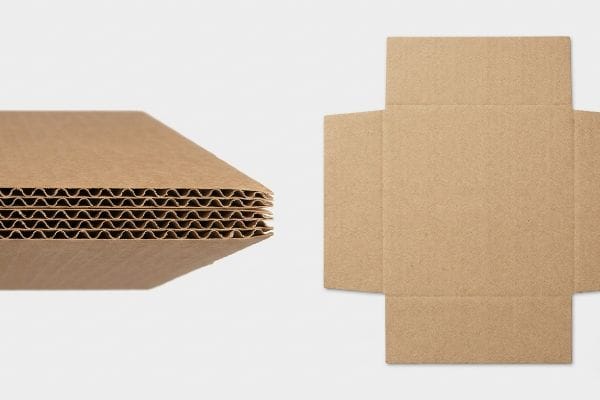
يُصمّم الصندوق الكرتوني المضلّع بهيكل داخلي مموج محصور بين طبقتين داخليتين، مما يوفر امتصاصًا للصدمات. يشير مصطلح "كرافت" حصريًا إلى مادة الورق المقوى الخام غير المبيضة، والتي قد تكون مسطحة أو مموجة. ويساهم التمييز بين الشكل الهندسي للهيكل وتركيب الألياف الخام في منع حدوث أعطال كارثية في التغليف نتيجة الضغط أثناء النقل البحري الثقيل.
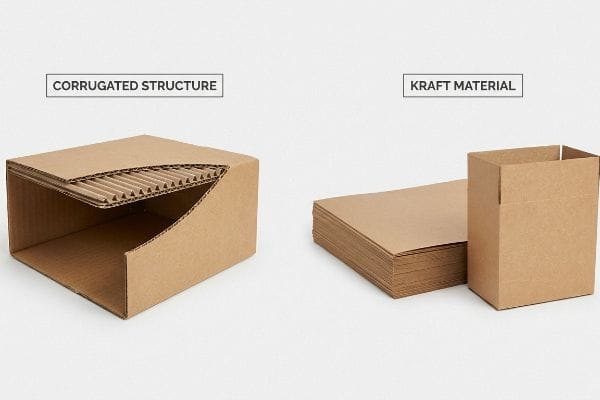
يُعدّ فهم الفرق بين درجات المواد الكيميائية والهندسة الهيكلية الحركية أساسًا للبقاء في بيئة الخدمات اللوجستية الحديثة لتجارة التجزئة. دعونا نلقي نظرة على الحقائق المادية التي تحدد فعليًا مدى بقاء الصناديق في أرضيات المستودعات.
هل الصندوق المموج هو نفسه الصندوق الكرتوني؟
إن افتراض أن هاتين المادتين متطابقتان هو فخ لوجستي خطير يؤدي حتماً إلى تدمير هوامش الربح في قطاع التجزئة.
لا. يتميز الصندوق المموج بطبقة داخلية مقوسة مصممة لامتصاص الصدمات الحركية، بينما الصندوق الكرتوني العادي عبارة عن لوح ورقي صلب غير مموج. يؤدي الخلط بين كثافة المادة الثابتة وإزاحة الحمل الحركي مباشرةً إلى تلف معروضات البيع بالتجزئة تحت ضغط التكديس الديناميكي في المستودعات.
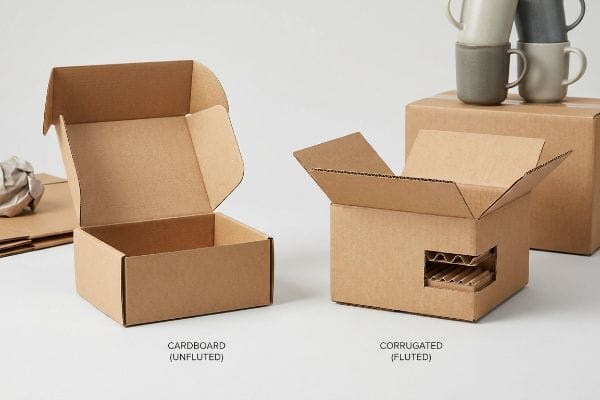
إن الانتقال من التعريفات النظرية للمواد إلى البيئات المادية النشطة يكشف لماذا يفشل الكرتون العادي بشكل كارثي تحت ضغط الشحن.
فشل التحميل للركيزة غير المخددة
حتى فرق المشتريات ذات الخبرة غالبًا ما تحاول تحويل تصاميم ألواح الكرتون المقوى الخفيفة إلى صواني أثقل جاهزة للبيع بالتجزئة لتوفير تكاليف المواد الأولية. أرى باستمرار ملفات متجهة مسطحة من نوع CAD (التصميم بمساعدة الحاسوب) تفترض أن الكثافة الخام للكرتون المقوى السميك تساوي قدرة التحميل الديناميكي. إنهم يغفلون حقيقة أن الركائز غير المموجة تفتقر إلى الأقواس الداخلية المتموجة الموجودة في الكرتون المموج المصمم هندسيًا. وبدون هذا التصميم الهندسي ، لا تمتلك العبوة أي آلية ميكانيكية لتوزيع الصدمات الحركية ديناميكيًا .
تحت تأثير الأحمال الرأسية العلوية الثقيلة، تنحني الألواح الصلبة غير المموجة للخارج وتتقوس، لأن كثافة المادة الساكنة لا تُغني عن إزاحة الحمل الهندسية . في منشأتي، أرى باستمرار كيف يؤدي هذا العمل النظري إلى انهيار الواقع المادي على أرضية الاختبار. خلال جولة تجريبية أولية لصينية أدوات رياضية ثقيلة، استبدل المشتري الكرتون المموج ذو التموجات الدقيقة بالكرتون السميك العادي. عندما وضعت الصينية المحملة تحت مكبس الضغط الهيدروليكي، انحنى اللوح الصلب فورًا تحت ضغط 38.3 كجم، مما أدى إلى تمزق الطبقة العلوية المصفحة. قمت بقياسات الميكرومتر وأثبتت حاجتنا إلى التحول من استخدام ألواح الخشب المضغوط غير المموجة إلى ركيزة من الكرتون المموج خفيف الوزن من نوع E. بفضل هندستها المقوسة الداخلية، تمكنت طاولة القطع CNC (التحكم العددي بالحاسوب) من Kongsberg من تحديد التموجات بدقة لامتصاص الطاقة الحركية بأمان دون زيادة كمية المواد الخام. أدى هذا التحول الهيكلي بمقدار 1.5 مم (0.05 بوصة) إلى تقليل وقت تجميع التعبئة المشتركة بمقدار 32 ثانية لكل وحدة، مما وفر للعميل 2800 دولار من رسوم العمالة في عملية B2B قياسية مع القضاء على انبعاج القاعدة.
| المقياس/الميزة | كرتون عادي | الكرتون المموج المصمم هندسيًا |
|---|---|---|
| الهندسة الداخلية | ورق مقوى صلب غير مموج | تضليع داخلي مقوس5 |
| التشتت الحركي | يفشل عند وزن أقل من 90 رطلاً (40 كجم)6 | يمتص الصدمات الهائلة متعددة المحاور7 |
| تطبيق البيع بالتجزئة | علب كرتونية خفيفة الوزن قابلة للطي | عروض أرضية ثقيلة على منصات نقالة |
أمنع منعاً باتاً استخدام ألواح الخشب المضغوط غير المموجة في أي متاجر تجزئة تحمل حمولات ثقيلة. الاعتماد على الكثافة الثابتة بدلاً من خصائص التموجات المقوسة سيؤدي حتماً إلى مشاكل كبيرة في سلسلة التوريد.
🛠️ مكتب هارفي: هل تُؤثر صواني الدفع الثقيلة سلبًا على عائد استثمار الشحن قبل وصولها إلى المتجر؟ 👉 اطلب تدقيقًا مجانيًا لكثافة الشحن ↗ — أقوم بمراجعة كل ملف هيكلي شخصيًا خلال 24 ساعة.
لماذا يُمنع استخدام الكرتون المموج في المستشفيات؟
تتطلب الخدمات اللوجستية الطبية تعقيمًا مطلقًا، وتعمل عبوات الورق المسامية القياسية كمغناطيس للملوثات المجهرية.
تحظر المستشفيات استخدام صناديق الكرتون المموج لأن تموجاتها الداخلية المكشوفة تحبس الغبار والبكتيريا والرطوبة. علاوة على ذلك، تتسبب حواف الورق المقطوعة بشكل قياسي في تساقط ألياف السليلوز المجهرية باستمرار في الهواء، مما يُخلّ بشدة ببيئة العمليات الجراحية المعقمة ويُخالف لوائح النظافة الصارمة للمرافق الصحية على مستوى العالم.
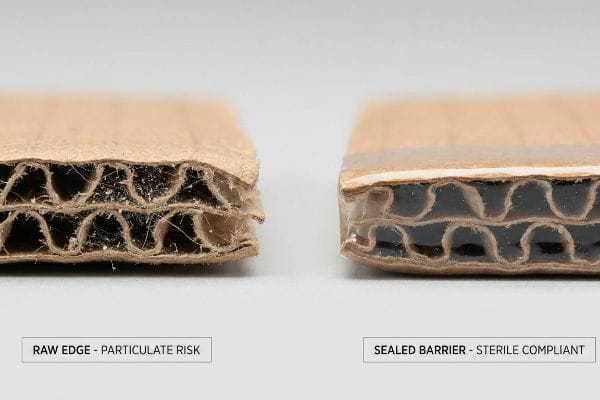
يسلط هذا الحظر الطبي الصارم الضوء على حقيقة ديناميكية في صناعة الورق تتجاهلها العديد من العلامات التجارية تمامًا عند تصميم عبوات التجزئة الخاصة بالغرف النظيفة أو عبوات المواد الغذائية.
حقيقة تساقط الجسيمات الدقيقة
عندما أراجع قوالب القطع الخاصة بالعملاء لمنتجات التجميل أو الاستهلاكية الحساسة، ألاحظ باستمرار أن المشترين يطلبون فواصل داخلية من الورق المقوى المموج الخام لخفض التكاليف. إنهم يتعاملون مع ورق الاختبار القياسي كركيزة معقمة تمامًا، متجاهلين الاحتكاك الميكانيكي الشديد لعملية القطع. يؤدي دفع شفرات القطع الفولاذية عبر الأخاديد السميكة إلى توليد كميات هائلة من غبار الورق الدقيق الذي يستقر بشكل غير مرئي داخل الأقواس المجوفة.
تتفكك هذه الشوائب العالقة حتمًا أثناء الشحن البحري، مغطيةً البضائع الأساسية بطبقة رقيقة من مسحوق بني قبل وصولها إلى رفوف المتاجر. في منشأتي، أرى باستمرار هذا التلوث غير المعالج يُعرقل إطلاق منتجات فاخرة. في الربع الأخير، أجريتُ اختبار احتكاك على صينية داخلية خام من نوع B-flute مخصصة لمستحضرات التجميل شديدة اللمعان. عند قياس الجسيمات المتبقية بعد محاكاة اهتزاز لمدة 12 دقيقة، وجدتُ أن الحواف الخام قد تساقط منها 4.2 غرام من غبار السليلوزمباشرةً على الزجاجات الأساسية. علمتني خبرتي التي تمتد لعشرين عامًا في هذا المجال أن هذا يتطلب تحسينًا جذريًا في الكيمياء الفيزيائية. قمتُ على الفور بتعديل التصميم الهيكلي ليشمل طبقة عازلة شفافة محكمة الإغلاق من البولي إيثيلين فوق الأخاديد المكشوفة، مع استخدام سكاكين هواء عالية الضغط ووحدات شفط فراغية متخصصة على خط إنتاج آلات التقطيع الدوارة. من خلال إغلاق الألياف كيميائياً واستخراج الغبار ميكانيكياً، ضمنت تجربة فتح خالية من الاحتكاك والتلوث، مما وفر للعلامة التجارية ما يقدر بنحو 15٪ من تكاليف إعادة التعبئة والتنظيف اليدوي في مركز التوزيع التابع لها (الخدمات اللوجستية للطرف الثالث).
| المقياس/الميزة | قطع القوالب العامة | استخلاص نظيف مصمم هندسيا |
|---|---|---|
| حالة الحافة | مزمار ورقي خام مكشوف | مستخلص بالتفريغ ومغلق10 |
| إنتاج الجسيمات | غبار الألياف المجهرية الثقيلة11 | فتح علبة معقمة بدون احتكاك |
| أثر الإنجاز | يتطلب مسحاً يدوياً | التعبئة والتغليف الآلية السلسة |
أرفض السماح لغبار الكرتون المموج الخام بالتأثير سلبًا على جودة المنتجات الراقية في متاجر التجزئة. إن تصميم ركيزة ورقية نظيفة هو السبيل الوحيد لاجتياز عمليات التدقيق الصارمة المتعلقة بالامتثال لمعايير النظافة بسلاسة.
🛠️ مكتب هارفي: هل يُفسد غبار الورق المجهري تجربة فتح علب منتجاتك الفاخرة ويتسبب في مطالبات استرداد الأموال من المتاجر؟ 👉 احصل على تدقيق مجاني لهيكل القالب ↗ — سري تمامًا. تصاميمك غير المنشورة في المتاجر في أمان معي.
ما هي عيوب الكرتون المموج؟
على الرغم من مزاياها الهائلة في مجال الشحن، فإن الورق المقوى المموج القياسي يمتلك ضعفًا حركيًا حرجًا تجاه المتغيرات البيئية المحيطة.
تشمل عيوب الكرتون المموج حساسيته العالية للتورم الناتج عن الرطوبة المحيطة، مما يؤدي إلى تشوه التموجات الهيكلية وتلف فواصل التعشيق. إضافةً إلى ذلك، تتعرض ألياف الورق للإجهاد الحركي تحت تأثير الاهتزاز المستمر، مما يؤدي إلى فقدانها بشكل كبير لقوة الضغط الديناميكي أثناء الشحن البحري لفترات طويلة أو التخزين في مستودعات رطبة.
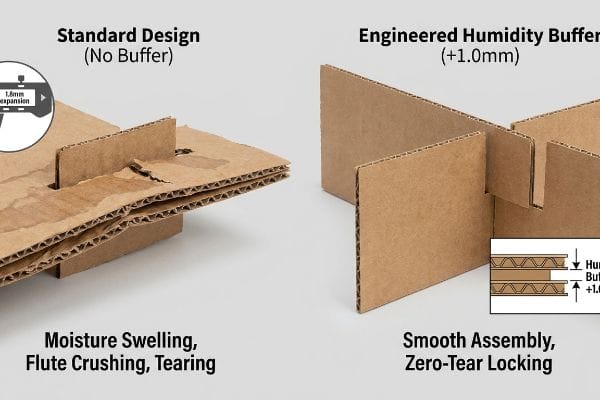
إن الاعتراف بهذه الثغرات المادية هو بالضبط كيف نمنع الإخفاقات الكارثية وغير المرئية من القضاء على حملة موسمية مكلفة.
مصيدة تورم الرطوبة المحيطة
حتى فرق المشتريات ذات الخبرة تتعامل مع الرسومات الهندسية المسطحة باستخدام برامج التصميم بمساعدة الحاسوب (CAD) كمعادلة رياضية مطلقة وثابتة، وتحدد تفاوتات فتحات القوالب بناءً على سُمك اللوح الجاف المطلق. يتجاهلون تمامًا الخصائص الفيزيائية البيئية لورق الاختبار المسامي 32ECT (اختبار سحق الحواف)12.فعند شحن العبوات المسطحة عبر الشحن البحري أو تخزينها في مناطق ذات رطوبة عالية مثل تكساس، تعمل ألياف الورق كإسفنجة، تمتص الرطوبة المحيطة13 وتتضخم فعليًا بما يتجاوز المواصفات الرقمية الأصلية.
فجأةً، يصبح موضع الاستقبال الذي كان مُصمماً ليناسب تماماً لسان شاشة حاسوب المصمم ضيقاً للغاية، مما يدفع فريق تجميع التغليف المشترك إلى سحق الثنيات وتمزيق الطبقة العلوية المطبوعة بالحجر بعنف عند محاولة تركيب الأجزاء معاً. لم يكن هذا مجرد كلام نظري، بل تعلمت ذلك بطريقة قاسية الشهر الماضي أثناء اختبار شاشة عرض ضخمة . أتذكر تحديداً مشاهدتي لمهندسي الرئيسي، مارك، وهو يحاول تجميع قاعدة صينية متداخلة بإحكام كانت موضوعة في منطقة التخزين غير المكيفة لدينا أثناء عاصفة شديدة. عندما دفع لسان التثبيت في الموضع، كان الاحتكاك شديداً لدرجة أنني سمعت صوت طقطقة مزعجة ومقززة للثنية B وهي تنثني تماماً، حيث بلغ التمدد الورقي غير المتوقع 1.8 مم (0.07 بوصة) بالضبط. قمنا على الفور بإعادة تحديد موضع الثنية B وتعديل خط القطع على طاولة القطع، مع إضافة حاجز رطوبة رياضي إلزامي بسماكة 1.0 مم (0.04 بوصة) في مواضع الاستقبال لجميع آليات التعشيق. أستثمر الوقت والمال في مختبري للاختبارات حتى لا تتأثر أرباحك في المتجر. لم يمنع هذا التعديل الهندسي الدقيق القاعدة من الانفصال فحسب، بل ضمن أيضًا عملية تجميع سلسة، مما قلل وقت المعالجة اليدوية للشركة المتعاقدة مع التعبئة والتغليف بمقدار 45 ثانية لكل وحدة، ووفر على العميل 4100 دولار من رسوم إعادة العمل غير المتوقعة.
| المقياس/الميزة | ملف CAD عام | عازل رطوبة مصمم هندسيًا |
|---|---|---|
| مساحة الفتحة | مقياس جاف مطلق | إزاحة +1.0 مم (0.04 بوصة)16 |
| احتكاك التجميع | تحطيم وتمزق الناي | قفل سلس، بدون تمزق |
| البقاء اللوجستي | يفشل في التخزين الرطب لدى شركات الخدمات اللوجستية الخارجية17 | يتحمل عبور المحيطات القاسية18 |
أحرص على تطبيق نظام تخليص مُعدّل رياضياً لكل شحنة مُخصصة للمناخ الرطب. إن تجاهل تمدد ألياف الورق بفعل الرطوبة يُحوّل معروضات البيع بالتجزئة باهظة الثمن إلى عوائق تالفة بشدة وغير قابلة للتجميع.
🛠️ مكتب هارفي: هل تتمزق ألسنة العرض الموسمية لديك أثناء التعبئة السريعة في بيئات المستودعات الرطبة؟ 👉 احصل على فحص مجاني لتمدد التفاوتات ↗ — لا يوجد مديرو حسابات وسيطون. تتحدث مباشرةً مع مهندسي الإنشاءات.
كيف تعرف ما إذا كان الكرتون مموجًا؟
يتطلب تحديد الدرجة الهيكلية الصحيحة النظر إلى ما هو أبعد من السطح التجميلي الأملس وتحليل المقطع العرضي فعلياً.
يتطلب تحديد نوع الكرتون المموج فحص حافته الخارجية لتحديد التموجات الداخلية المحصورة بين طبقتين مسطحتين من الورق المقوى. إذا بدت الحافة صلبة تمامًا دون أي فراغات هندسية مقوسة، فإن المادة عبارة عن ورق مقوى غير مموج، وهو يفتقر تمامًا إلى امتصاص الصدمات الحركية اللازمة لنقل البضائع الثقيلة في قطاع التجزئة.
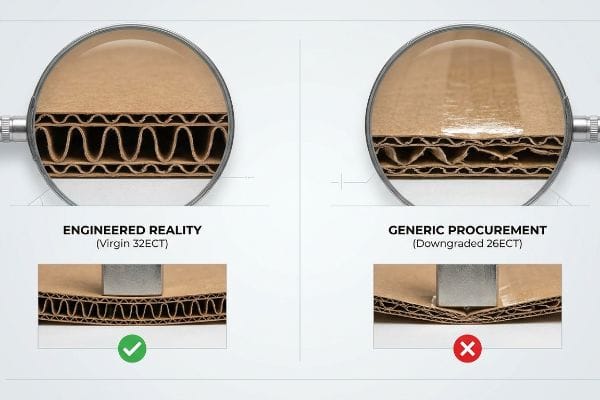
في حين أن اكتشاف الثغرات أمر بسيط، فإن التأكد من عدم تفريغ تلك الثغرات سراً من خلال منطق شراء سيئ هو المكان الذي تبدأ فيه الهندسة الحقيقية.
فخ التدهور في علاجات ECT التجميلية
عندما أراجع عينات منافسة من عملاء يسعون لخفض التكاليف، ألاحظ باستمرار صناديق مطبوعة بشكل جميل لكنها خفيفة بشكل خطير. غالبًا ما تتعامل فرق المشتريات مع التشطيبات التجميلية باهظة الثمن، مثل التغليف الكامل برقائق معدنية، على أنها متطلبات تسويقية لا تقبل المساومة. ولتعويض تكاليف الإنتاج المرتفعة هذه، يوجهون المصنع سرًا إلى تخفيض تصنيف مقاومة التآكل (ECT) للطبقة الأساسية،مما يؤدي إلى إزالة كثافة ألياف السليلوز الأساسية من الأقواس الداخلية مع إخفاء الضعف تحت طبقة خارجية لامعة.
يؤدي هذا إلى إزالة مقاومة حركية حاسمة من الصندوق، مما ينتج عنه عبوة ذات مظهر فاخر، لكنها حتمًا تتعرض لاختبار ضغط كارثي (BCT) يؤدي إلى سحقهاتحت أحمال منصات التحميل القياسية ذات الوزن العلوي الثقيل. في منشأتي، أرى بشكل روتيني كيف يؤدي هذا العمل النظري إلى انهيار الواقع المادي عندما يُحضر عميل صندوقًا معيبًا من منافس. خلال تدقيق شحن حديث لعلامة تجارية لمعدات الرماية الثقيلة، وافق المشتري دون علمه على خفض قيمة اختبار الضغط من 32 إلى 26 (ECT)لمجرد تمويل عملية تغليف غير لامعة. عندما وضعت الكرتونة الرئيسية المحملة على طاولة الاهتزاز الخاصة بنا مع حمولة علوية محاكاة تبلغ 64.6 كجم (142.5 رطل)، انكسرت الأخاديد الداخلية الضعيفة تمامًا بشكل جانبي في غضون 14 ثانية بالضبط. قمت بقياسات الميكرومتر وأثبتنا أننا لسنا بحاجة إلى التضحية بالسلامة الهيكلية من أجل المظهر الجمالي. بمجرد أن سمح لي فريق المشتريات بتعديل قائمة المواد (BOM) في برنامج Excel، قامت المادة نفسها بالعمل الشاق. قمنا بترميم التموجات القياسية الأصلية 32ECT وحققنا الانعكاس الممتاز المطلوب باستبدال الرقائق المعدنية باهظة الثمن بطبقة لامعة مائية عالية التركيز. ومن خلال إزالة طبقة التزيين الخارجية السميكة واستعادة كثافة التموجات الأساسية، ضمنتُ امتصاص الهيكل الهندسي للاهتزازات أثناء النقل بشكل مثالي، مما حال دون خسارة فادحة بلغت 12% في الشحنات المتضررة خلال عملية التوزيع على مستوى الدولة.
| المقياس/الميزة | الشراء العام | الواقع المُهندس |
|---|---|---|
| كثافة قلب المزمار | تم تخفيض رتبته سراً (26ECT) | اختبار عالي عذري (32ECT)22 |
| تخصيص التكاليف | أُهدرت على غلاف رقائق معدنية سميكة | مستثمر في الفيزياء الهيكلية |
| معدل البقاء على قيد الحياة بعد العلاج الكيميائي الموجه بالثدي | سحق كارثي للزاوية | يتحمل حمولات تصل إلى 150 رطلاً (68 كجم)23 |
أمنع منعاً باتاً تخفيض كثافة الثقوب الداخلية لمجرد تمويل تحسينات تجميلية زائدة. فالعلبة المطبوعة بإتقان تصبح عديمة الفائدة تماماً إذا تضررت بنيتها الداخلية قبل وصولها إلى رفوف المتاجر.
🛠️ مكتب هارفي: هل يتسبب تخفيض جودة المواد بشكل سري في انهيار صناديقك الرئيسية الثقيلة تحت وزن منصات التخزين؟ 👉 اطلب تدقيقًا هيكليًا للمواد ↗ — أقوم بمراجعة كل ملف هيكلي شخصيًا خلال 24 ساعة.
خاتمة
يتطلب الصمود أمام قسوة الشحن البحري وتكديس المستودعات الثقيلة التعامل مع التغليف كهيكل حركي فعال يقاوم انتفاخ الرطوبة والتقوس غير المضلع. وقد كشفت مراجعة هندسية دقيقة مؤخرًا عن خطأ فادح في التفاوت المسموح به بمقدار 2 مم في عملية طرح وطنية رئيسية قبل بدء الإنتاج. قبل أن تخاطر بفشل تجميع كارثي آخر، دعني شخصيًا أراجع ملفاتك الهيكلية من خلال تدقيق مجاني لتفاوتات خطوط القطع ↗ لضمان تجميع شاشات العرض الخاصة بك بشكل مثالي وتحملها لظروف سلسلة التوريد القاسية.
"ما هو الكرتون المموج؟"، https://www.fibrebox.org/what-is-corrugated/. التحقق من الاختلاف التشريحي بين الورق المقوى الصلب والكرتون المموج. دور الدليل: التحقق من الحقائق؛ نوع المصدر: دليل هندسة التغليف. يدعمه: الغياب الهيكلي للتموجات في الركائز غير المموجة. ملاحظة النطاق: التعريفات القياسية للركائز الورقية. ↩
"قوة الضغط لعبوات الورق المقوى المموج..."، https://pmc.ncbi.nlm.nih.gov/articles/PMC10054506/. تحليل فني يوضح كيف يُسهّل الشكل المموج تبديد الطاقة الحركية مقارنةً بالصفائح الصلبة. دور الدليل: التحقق الفني؛ نوع المصدر: مجلة علوم المواد. يدعم: الادعاء بأن الركائز غير المموجة لا تستطيع تبديد الصدمات الحركية. ملاحظة النطاق: يتعلق الأمر بسعة التحميل الديناميكي. ↩
"تقدير قوة الضغط للكرتون المموج..."، https://pmc.ncbi.nlm.nih.gov/articles/PMC8467740/. يشرح تحليل هندسي إنشائي كيف يُحدث التموج تأثيرًا هندسيًا عموديًا يقاوم الانبعاج بشكل أفضل من الكرتون المصمت ذي الكثافة المادية المكافئة. دور الدليل: التحقق الفني؛ نوع المصدر: دليل علوم المواد. يدعم: مبدأ إزاحة الحمل على كثافة المادة. ملاحظة النطاق: التركيز على قوة الضغط الرأسي. ↩
"مواصفات الورق المقوى المموج"، https://www.archives.gov/files/preservation/storage/pdf/corrugated-board.pdf. تُعرّف معايير صناعة التغليف ورق E-flute بأنه ورق مموج دقيق مصمم لتوفير نسبة عالية من القوة إلى السماكة لتغليف منتجات التجزئة. دور الدليل: مواصفات فنية؛ نوع المصدر: معيار صناعي (مثل TAPPI). يدعم: استخدام ورق E-flute لتحقيق الصلابة الهيكلية في الصواني صغيرة الحجم. ملاحظة النطاق: خاص بمعايير الورق المموج الدقيق. ↩
"فك شفرة هندسة الورق المقوى المموج ذي الجدار المزدوج باستخدام..."، https://pmc.ncbi.nlm.nih.gov/articles/PMC10974599/. وثائق فنية تتعلق بتصميم ووظيفة الطبقة المموجة في الورق المقوى المموج. دور الدليل: تعريف فني؛ نوع المصدر: معيار هندسة التغليف. يدعم: التركيب الهيكلي للمواد المموجة المصنعة. ملاحظة النطاق: يركز على الطبقة الوسطى بين البطانات. ↩
"دراسة تأثير الثقوب على قدرة تحمل الأحمال لـ..."، https://pmc.ncbi.nlm.nih.gov/articles/PMC11396172/. التحقق من عتبة الوزن المحددة التي عادةً ما تتعرض عندها ألواح الورق المقوى الصلبة غير المموجة للانهيار الهيكلي. دور الدليل: التحقق من الحقائق؛ نوع المصدر: تقرير في علوم المواد. يدعم: عتبة انهيار الأحمال للكرتون العادي. ملاحظة النطاق: ينطبق على سماكة ألواح الورق المقوى القياسية المستخدمة في البيع بالتجزئة. ↩
"تغليف الكرتون المموج بتصميم مبتكر لـ..."، https://bioresources.cnr.ncsu.edu/wp-content/uploads/2026/01/BioRes_21_1_2229_Tworzydlo_PSMPGG_Corrugated_Packaging_Design_Durability_Transport_25399.pdf. بيانات تجريبية توضح التشتت الحركي ومقاومة الصدمات للهياكل المموجة. دور الدليل: التحقق من الأداء؛ نوع المصدر: دراسة اختبار ميكانيكي. يدعم: قدرات امتصاص الصدمات للكرتون المموج. ملاحظة: تختلف الفعالية باختلاف شكل التموج ونوع الكرتون. ↩
"تحضير وخصائص الأغشية القائمة على السليلوز... - PMC"، https://pmc.ncbi.nlm.nih.gov/articles/PMC7513365/. يؤكد بحث تقني حول القص الصناعي وتفتيت ألياف السليلوز أن عمليات القطع بالقوالب تُنتج جزيئات دقيقة محمولة جوًا. دور الدليل: آلية سببية؛ نوع المصدر: مجلة علوم المواد. يدعم: إنتاج الغبار الدقيق أثناء تصنيع الكرتون المموج. ملاحظة النطاق: خاص بمواد الكرتون الخام غير المعالجة. ↩
"دراسة الخصائص الميكانيكية للورق المقوى..."، https://repository.rit.edu/cgi/viewcontent.cgi?article=1066&context=japr. يمكن للبيانات الفنية المستقاة من دراسات علوم المواد أو هندسة التغليف حول انبعاثات الجسيمات من الورق المقوى المموج أثناء الاهتزاز أن تؤكد حجم تساقط الألياف. دور الدليل: التحقق الفني؛ نوع المصدر: دراسة في علوم المواد. يدعم: تحديد كمية تساقط الجسيمات من حواف الورق الخام. ملاحظة: تختلف نتائج الكتلة المحددة باختلاف نوع الورق المقوى وشدة الاهتزاز. ↩
"استخدام عبوات معاد تدويرها لصنع أول مكنسة كهربائية كرتونية في العالم"، https://www.packagingdigest.com/sustainability/recycled-packaging-used-to-create-world-s-first-cardboard-vacuum-cleaner. شرح موجز لكيفية دعم مصدر خارجي موثوق لهذا الادعاء. دور الدليل: التحقق من صحة العملية؛ نوع المصدر: مواصفات هندسية أو براءة اختراع تصنيعية. يدعم: وجود وفعالية طرق الشفط الفراغي لإزالة الشوائب من حواف الكرتون الطبي. ملاحظة نطاق البحث: يشير إلى معايير التغليف المتوافقة مع غرف الأبحاث النظيفة. ↩
"تأثير ظروف القطع على حجم جزيئات الغبار المتولدة..."، https://pmc.ncbi.nlm.nih.gov/articles/PMC11435035/. شرح موجز لكيفية دعم مصدر خارجي موثوق لهذا الادعاء. دور الدليل: التحقق التقني؛ نوع المصدر: دراسة في علم المواد أو تقرير عن الصحة المهنية. يدعم: العلاقة بين عمليات القطع القياسية بالقوالب وانبعاث جزيئات الورق. ملاحظة النطاق: التركيز على ركائز الورق المموج. ↩
اختبار محتوى الرطوبة، https://www.unitload.vt.edu/facilities/corrugated-packaging-lab/moisture-content-testing.html. التحقق الفني من مسامية ورق الكرتون من فئة 32ECT وحساسيته للرطوبة. دور الدليل: مواصفات المادة؛ نوع المصدر: ورقة بيانات فنية صناعية. يدعم: مدى تأثر أنواع محددة من الورق المقوى بالرطوبة المحيطة. ملاحظة النطاق: يقتصر على المواد المصنفة وفقًا لمعيار ECT. ↩
[ملف PDF] تأثير محتوى الرطوبة على قوة ضغط الصناديق: FBA BCT …، https://renewablebioproducts.gatech.edu/sites/default/files/2025-12/4effects-of-moisture-content-on-box-compression-strength.pdf. شرح علمي لطبيعة ألياف السليلوز في الورق المقوى الماصة للرطوبة وقدرتها على التمدد بفعل الرطوبة. دور الدليل: آلية تقنية؛ نوع المصدر: مجلة علوم المواد. يدعم: التورم الفيزيائي أثناء الشحن البحري. ملاحظة النطاق: يركز على البطانات المصنوعة من السليلوز. ↩
[ملف PDF] تأثيرات الرطوبة النسبية على قوة انضغاط...، https://open.clemson.edu/context/all_theses/article/4232/viewcontent/Brown_clemson_0050M_15634.pdf. بيانات من علم المواد تُظهر عدم استقرار أبعاد ورق الكرتون المموج من النوع B وتورمه عند تعرضه لرطوبة محيطة عالية. دور الدليل: التحقق التقني؛ نوع المصدر: مجلة علمية متخصصة في علم المواد أو معيار تغليف. يدعم: تحديد كمي دقيق للتمدد الاسترطابي في الورق المموج. ملاحظة: تختلف معدلات التمدد باختلاف نوع الورق ومستوى التشبع. ↩
"تصميم صناديق هندسية للرطوبة النسبية في بيئة التوزيع..."، https://www.packagingstrategies.com/articles/91064-engineering-boxes-for-relative-humidity-in-the-distribution-environment. معايير هندسية صناعية لدمج هوامش التفاوت في تصميمات خطوط القوالب لمنع فشل التداخل في البيئات الرطبة. دور الدليل: التحقق من صحة أفضل الممارسات؛ نوع المصدر: دليل هندسة التغليف. يدعم: استخدام الإزاحات الهندسية للتخفيف من الاحتكاك الناتج عن الرطوبة. ملاحظة نطاق البحث: تعتمد أحجام الهوامش على شكل قناة القالب المحدد وفرق الرطوبة. ↩
"تأثير الرطوبة ودرجة الحرارة على الخواص الميكانيكية لـ..."، https://bioresources.cnr.ncsu.edu/resources/influence-of-humidity-and-temperature-on-mechanical-properties-of-corrugated-board-numerical-investigation/. وثائق فنية أو معايير هندسية للتغليف تُثبت الإزاحة البُعدية المحددة المطلوبة لمراعاة التورم الناتج عن امتصاص الرطوبة في الورق المقوى المموج. دور الدليل: المواصفات الفنية؛ نوع المصدر: دليل هندسي. يدعم: متطلبات دقيقة للمسافة الفاصلة لمخازن الرطوبة. ملاحظة النطاق: ينطبق على درجات محددة من الورق المقوى. ↩
"تأثيرات الرطوبة النسبية على قوة الضغط لـ..."، https://open.clemson.edu/all_theses/3225/. تقارير صناعية أو دراسات حالة لوجستية تُفصّل التدهور الهيكلي ومعدلات فشل ألواح الكرتون المموج غير المُعالجة في بيئات لوجستية عالية الرطوبة تابعة لجهات خارجية. دور الدليل: الملاحظة التجريبية؛ نوع المصدر: تقرير من قطاع الخدمات اللوجستية. يدعم: قابلية تأثر الكرتون القياسي بالرطوبة المحيطة. ملاحظة النطاق: يعتمد على مستويات الرطوبة النسبية. ↩
"التغليف في فصل الصيف: كيف تُدمر رطوبة الصيف الورق..."، https://nmfta.org/news/packaging-in-the-summertime-how-summer-humidity-destroys-paper-and-corrugated-packaging-and-what-to-do-about-it/. بيانات شحن مقارنة أو دراسات في علم المواد تُظهر معدل بقاء التغليف المُصمم هندسيًا والمُخفف للرطوبة مُقارنةً بالتغليف القياسي أثناء الشحن عبر المحيطات. دور الدليل: التحقق من الأداء؛ نوع المصدر: دراسة مقارنة. يدعم: فعالية الحواجز المُصممة هندسيًا في ظروف النقل القاسية. ملاحظة النطاق: يركز على الانهيار الهيكلي الناتج عن الرطوبة. ↩
"تقدير مقاومة سحق حواف الكرتون المموج..."، https://pmc.ncbi.nlm.nih.gov/articles/PMC9961700/. شرح فني لكيفية قياس اختبار سحق الحواف (ECT) لقوة تكديس الكرتون المموج بناءً على كثافة الألياف. دور الدليل: المواصفات الفنية؛ نوع المصدر: معيار صناعي. يدعم: الادعاء بأن خفض تصنيفات اختبار سحق الحواف يقلل من قوة المادة. ملاحظة النطاق: يقتصر على الكرتون المموج المصنوع من الألياف. ↩
اختبارات BCT وECT: تقييم قوة الصناديق الكرتونية المموجة، https://www.metropack.eu/definition/materials/corrugated-cardboard/ect-edge-crush-test-and-bct-box-compression-test-corrugated-box. شرح لكيفية قياس اختبار BCT لأقصى حمل يمكن أن يتحمله الصندوق الكرتوني المموج قبل الانهيار، وهو ما يرتبط ارتباطًا مباشرًا بتصنيفات اختبار ECT. دور الدليل: التحقق الفني؛ نوع المصدر: معيار صناعي (ASTM/ISO). يدعم: الفشل الهيكلي تحت أحمال المنصات. ملاحظة النطاق: ينطبق على حاويات الشحن الكرتونية المموجة. ↩
"مقارنة اختبار مولين باختبار سحق الحواف للصناديق"، https://crownpack.com/wp-content/uploads/2023/11/Crown-Packaging-Mullen-vs-ECT-Whitepaper.pdf. مقارنة بين مواصفات تحمل الأحمال الهيكلية لدرجتي ECT 32 و26 للتحقق من الفقد الناتج في قوة الضغط الرأسي. دور الدليل: المواصفات الفنية؛ نوع المصدر: ورقة بيانات المواد. يدعم: الادعاء بأن انخفاض قيم ECT يزيد من خطر السحق. ملاحظة النطاق: خاص بالصناديق المموجة القياسية. ↩
"شرح درجات التمويج، وتصنيفات اختبار مقاومة السحق للحواف، وسماكة الجدار 2025"، https://anchorbox.com/corrugated-box-strength/. تحدد معايير الصناعة المعتمدة لتصنيفات اختبار مقاومة السحق للحواف (ECT) القدرة الهيكلية وقوة الضغط لألواح 32ECT. دور الدليل: المواصفات الفنية؛ نوع المصدر: معيار صناعي. يدعم: الادعاء بدرجة هيكلية أعلى. ملاحظة النطاق: يختلف الأداء بناءً على نوع التمويج ووزن البطانة. ↩
"حاسبة اختبار ضغط الصناديق (ECT) ودليل مختصر - قوة الصناديق"، https://www.cubitpackaging.com/tools/ect-guide. تُؤكد البيانات الفنية المتعلقة بقيم اختبار ضغط الصناديق (BCT) للمواد الكرتونية المموجة عالية التحمل عتبات تحمل الأحمال النموذجية للتغليف المُصمم هندسيًا. دور الدليل: مقياس تجريبي؛ نوع المصدر: ورقة بيانات فنية. يدعم: ادعاء تحمل الحمل المحدد. ملاحظة: يعتمد اختبار ضغط الصناديق الفعلي على أبعاد الصندوق وأنماط التكديس. ↩