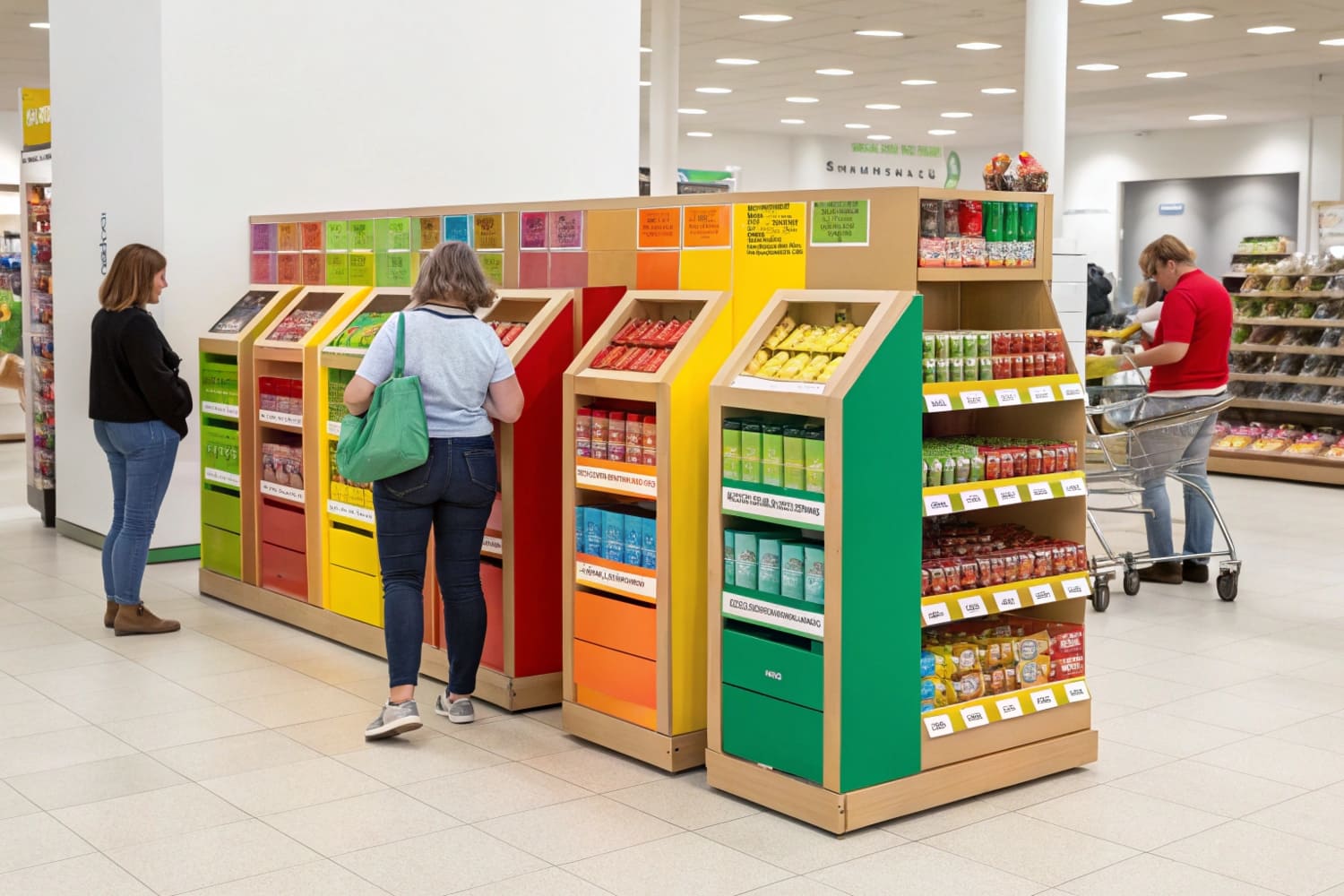
عندما تراجع ورقة مواصفات المتجر، تجد اختصار "PDQ". تشعر بالذعر. فخطأ في هذا يعني أن منتجك سيبقى في المستودع بدلاً من عرضه على الرفوف. دعنا نوضح الأمر لتتمكن من الشحن بسرعة وتجنب رسوم الرفض الباهظة.
في قطاع التجزئة، يشير مصطلح PDQ (اختصارًا لـ "Pretty Darn Quick" أو "عرض المنتج بسرعة") إلى فئة من وحدات عرض المنتجات في نقاط البيع، المصممة لتوفير خدمة عرض سريعة للمنتجات وتسهيل عملية التسوق الفورية. تُحمّل هذه الوحدات عالية السرعة مسبقًا بالمنتجات لتقليل تكاليف العمالة في المتجر، مع تعزيز ظهور العلامة التجارية في المناطق ذات الحركة الكثيفة.
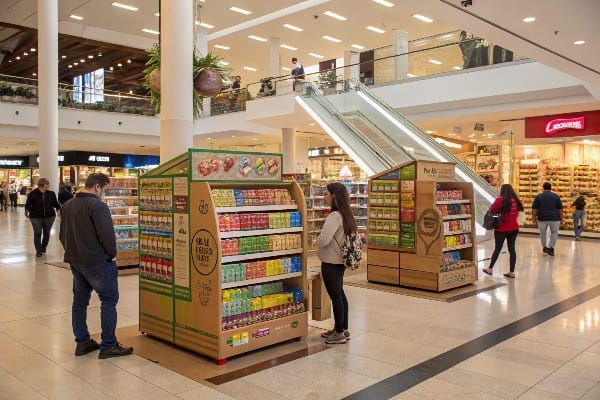
ماذا تعني عبارة PDQ في مجال التسويق؟
يتحرك المتسوقون بسرعة، وإذا لم يتمكنوا من رؤية منتجك في غضون ثلاث ثوانٍ، فستخسر عملية البيع. شاشة العرض السريعة ليست مجرد صندوق؛ إنها أداة لجذب انتباههم.
يشير مصطلح PDQ في مجال التسويق (Pretty Darn Quick) إلى صواني عرض بارزة على الرفوف أو الطاولات، مصممة لتسريع عمليات الشراء العفوية من خلال عزل العلامة التجارية عن المنتجات الأخرى. تستخدم هذه الوحدات في نقاط البيع حواجز هيكلية استراتيجية وإطارات رسومية لجذب انتباه المستهلك خلال فترة اتخاذ القرار الحاسمة التي لا تتجاوز ثلاث ثوانٍ.
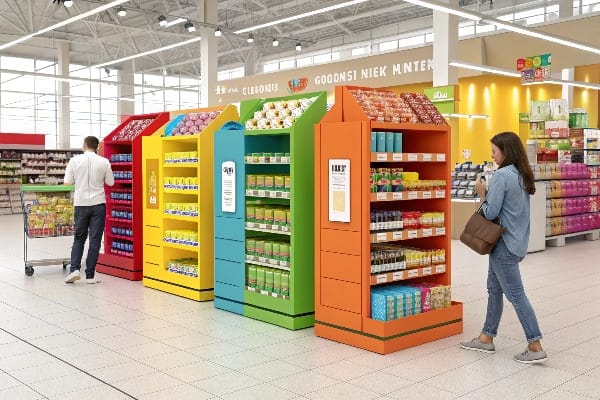
سيكولوجية سرعة "الاستحواذ السريع"
لنكن واقعيين. يعاني المتسوقون من إرهاق اتخاذ القرارات. عندما يتجولون في ممرات متاجر مثل تارجت أو كروجر، لا يقرؤون كل ملصق، بل يبحثون عن إشارات بصرية. الرفوف التقليدية مملة، مزدحمة، وغالبًا ما تكون غير مرتبة. أما شاشات العرض المبتكرة فتغير قواعد اللعبة، لأنها بمثابة إطار يعزل منتجك عن ضجيج المنافسة.
لكن هنا تحديدًا أرى العلامات التجارية تُخطئ باستمرار. فهي تُعامل علبة PDQ كلوحة إعلانية بدلًا من كونها إطارًا. كان لديّ عميل العام الماضي أصرّ على حافة أمامية بارزة 7.6 سم لعلبة منتجاته لأنه أراد شعارًا ضخمًا عليها. أخبرته أنها فكرة سيئة. لماذا؟ لأن هذه الحافة المرتفعة تُخفي 30% من الجزء السفلي من عبوة المنتج. في مجال التسويق، نسمي هذا "قاعدة وضوح الحافة" . منتجك هو العنصر الأهم، وليس الكرتون. إذا لم يتمكن العميل من رؤية اسم النكهة أو الوزن الصافي بسبب جدار كرتوني مرتفع، فلن يشتريه.
كان علينا إعادة تصميم تلك الصينية بتقنية " القطع المقطوع 1 " - وهي عبارة عن انحناءة سفلية في المقدمة - لإظهار ملصق المنتج. وفجأة، ارتفعت المبيعات. الأمر يتعلق بتقنية " الابتكار البصري 2 ". فالأشكال المنحنية المقطوعة - والتي يُجيد الكرتون استخدامها أكثر من المعدن - تجذب الانتباه أسرع من الخطوط المستقيمة. بالإضافة إلى ذلك، نستخدم "الرف المائل للأعلى" للأرفف السفلية. نميل الصينية بزاوية 15 درجة بحيث "ينظر" المنتج إلى المتسوق، مما يجعله قابلاً للقراءة دون الحاجة إلى الانحناء. عادةً ما يؤدي التقاط المنتج بثقة إلى وضعه بسلاسة على سير النقل، مما يُسهّل عملية الدفع بشكل ملحوظ مقارنةً بالتعامل مع المنتجات العالقة على أرفف معدنية ضيقة.
| ميزة | تخزين الرف القياسي | صينية عرض منتجات PDQ |
|---|---|---|
| التأثير البصري | منخفض (مزدحم بالمنافسين) | عالي (علامة تجارية وإطار) |
| توجيه المنتج | عشوائي (يعتمد على عامل المستودع) | مثالي (مُحاذى مسبقًا في المصنع) |
| إمكانية وصول المتسوقين | يصعب الأمر إذا تم دفعه للخلف | سهل (التغذية بالجاذبية أو بزاوية) |
| العلامة التجارية العقارية | لا شيء (فقط السعر) | بطاقة العنوان وعلامة تجارية على حافة الصينية |
| سرعة إعادة التخزين | بطيء (عنصرًا تلو الآخر) | سريع (استبدل الصينية بالكامل) |
أقول دائمًا لزبائني إن الصينية هي الإطار، وليست العمل الفني بحد ذاته. أقوم بقص الحافة الأمامية منخفضةً لتكون الزجاجة هي العنصر الأبرز. إذا كنتم بحاجة إلى عينة للتأكد من المقاس، يمكنني قص واحدة على طاولة كونغسبيرغ الخاصة بي الليلة.
ما هو مفهوم PDQ في مجال الأعمال؟
في قاعات الاجتماعات، لا يقتصر مفهوم PDQ على الورق المقوى فحسب، بل يتعلق بالتدفق النقدي. إنه يرمز إلى الكفاءة. إذا كانت سلسلة التوريد لديك بطيئة، فسيفوز منافسوك.
يمثل نظام PDQ في مجال الأعمال (عرض المنتج بسرعة) منهجية لسلسلة التوريد تُعطي الأولوية لسرعة الوصول إلى السوق وكفاءة استخدام العمالة من خلال التغليف الجاهز للبيع بالتجزئة. تُقلل هذه الاستراتيجية تكاليف المناولة باستخدام وحدات تنتقل من النقل إلى العرض دون الحاجة إلى فك التغليف، مما يُحسّن بشكل فعال دوران المخزون ويزيد هوامش الربح إلى أقصى حد.
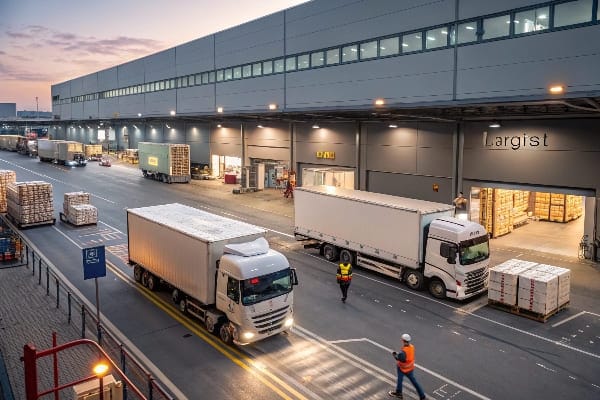
المنطق المالي للخدمات اللوجستية "الجاهزة للبيع بالتجزئة"
تعمل شركات البيع بالتجزئة العملاقة بهوامش ربح ضئيلة للغاية. عدوّها الأكبر هو تكلفة العمالة. لا شيء يزعجها أكثر من دفع 18 دولارًا في الساعة لموظف لتفريغ كرتونة رئيسية وتكديس علب الحساء واحدة تلو الأخرى على الرف. إنها عملية بطيئة ومكلفة. لهذا السبب تطالب بوحدات جاهزة للبيع بالتجزئة. إنها تريد " تغليفًا جاهزًا للبيع بالتجزئة 3 " (RRP) . يقوم الموظف بتمزيق الجزء العلوي من العبوة، ويدفع الوحدة بأكملها إلى الرف، وينصرف. يتم كل ذلك في 10 ثوانٍ.
لكن إتقان هذا الأمر ليس بالأمر السهل. لقد رأيت شركات تتكبد خسائر فادحة بسبب الوزن الحجمي . فهم يركزون على سعر الوحدة للعرض - لنقل 5 دولارات - لكنهم يتجاهلون تكاليف الشحن. إذا لم يكن عرض PDQ قابلاً للطي بشكل مسطح أو التعبئة بكفاءة، فأنت تشحن "هباءً". أتذكر مشروعًا صمم فيه العميل صينية ثابتة وصلبة. لقد شغلت مساحة كبيرة جدًا في الحاوية لدرجة أن تكلفة الشحن البحري كانت أعلى من تكلفة التصنيع. لقد كانت كارثة.
لقد طبقتُ " التعبئة المتداخلة 5 " . أعدنا تصميم العناوين والإضافات لتناسب قاعدة الصينية المجوفة أثناء الشحن، تمامًا مثل دمية ماتريوشكا الروسية. أدى هذا التعديل البسيط إلى زيادة حمولة الحاوية بنسبة 40%، مما خفض التكلفة الإجمالية بشكل ملحوظ. كما يجب أن نتحدث عن التعبئة المشتركة 6. تتجه كبرى متاجر التجزئة إلى الاستغناء تمامًا عن التجميع داخل المتاجر، حيث ترغب في وصول العروض معبأة مسبقًا بالمنتجات. يتولى مصنعي هذه المهمة. نأخذ منتجك، ونعبئه في حاوية PDQ، ونضعه على المنصة، ونشحنه جاهزًا للبيع. هذه هي "التكلفة الخفية" للخدمات اللوجستية التي يغفل عنها العديد من المشترين. قد يؤدي تصميم العرض بشكل سيئ إلى تعبئة غير فعالة. أقوم بحساب حجم الكرتون ليناسب تمامًا حاوية 40HQ دون أي فراغات مهدرة. غالبًا ما أقترح تعديلات هيكلية بسيطة (مثل تغيير بطاقة العنوان إلى بطاقة ثنائية الطي) يمكن أن تزيد سعة الحاوية بنسبة 20%، مما يوفر آلاف الدولارات في تكاليف الشحن.
| عامل التكلفة | الشحن بالجملة التقليدي | جاهز للبيع بالتجزئة |
|---|---|---|
| عمالة المتجر | مرتفع (فك التغليف وتكديس الوحدات الفردية) | منخفض (ضع الصينية وقم بتمزيق الجزء العلوي) |
| نفاد المخزون | متكرر (بطيء التجديد) | نادر (تبديل سريع للصواني) |
| كفاءة الشحن | تعبئة عالية الكثافة | متوسط (يتطلب تحسينًا) |
| معدل الضرر | متوسط (التعامل مع العناصر الفردية) | منخفض (محمي بواسطة هيكل الصينية) |
| تفضيلات التاجر | جهد منخفض (جهد عالٍ) | عالي (وضع المورد المفضل) |
أحسب حجم الصندوق بدقة ليناسب المنصة تمامًا. الشحن الجوي مضيعة للمال. دعني أحسّن تصميمك لتتمكن من وضع 20% وحدات إضافية في الحاوية.
ماذا يرمز إليه اختصار PDQ في وول مارت؟
تُعتبر وول مارت المعيار الذهبي. إذا اجتزتَ تدقيقهم، يُمكنك الشحن إلى أي مكان. لكن برنامج "الضوء الأخضر" الخاص بهم صارم، ولا يقبلون الأخطاء.
يشير اختصار PDQ في متاجر وول مارت إلى "عرض المنتجات بسرعة" (Product Display Quickly)، وهو عبارة عن فئة موحدة من العبوات الجاهزة للبيع بالتجزئة، مصممة لتلبية مواصفات التدقيق الصارمة لبرنامج "Greenlight" فيما يتعلق بأبعاد الرفوف وسرعة التخزين. يجب أن تتميز هذه الوحدات المعبأة مسبقًا بوضع دقيق للباركود وأغطية قابلة للتمزيق لضمان إعادة ملء الرفوف في أقل من 45 ثانية.
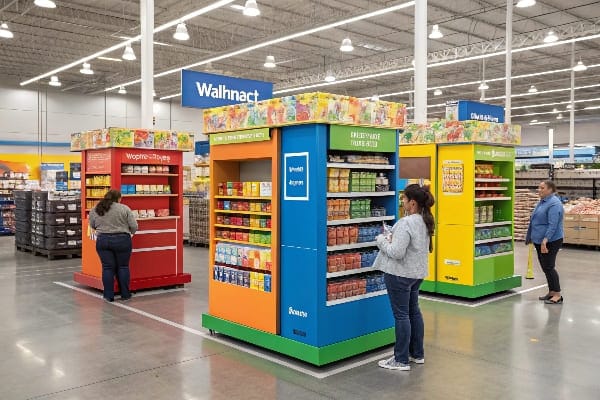
اجتياز تدقيق "الضوء الأخضر" بدون غرامات
لدى وول مارت دليل ضخم يُسمى "دليل التصميم". يُحدد هذا الدليل كل شيء، بدءًا من حجم قناة السعر وصولًا إلى موقع الرمز الشريطي. تدّعي العديد من المصانع في الصين معرفتها بوول مارت، لكنها في الحقيقة لا تعرفها، بل تُخمّن. إليكم مثالًا كلاسيكيًا على فشلٍ شاهدته: أرسل أحد العملاء حاويةً من أجهزة PDQ، حيث ملصق الرمز الشريطي UCC-128 حول زاوية الصندوق. لم تتمكن الماسحات الضوئية الآلية في مركز التوزيع من قراءته. رفضت وول مارت الشحنة بالكامل وفرضت رسومًا باهظة لإعادة التعبئة، مما أدى إلى تبديد أرباح العميل للربع.
لا نعتمد على التخمين. أحتفظ بقاعدة بيانات داخلية لمواصفات تجار التجزئة 7. بالنسبة لـ Walmart، نعلم أن قناة السعر يجب أن يكون ارتفاعها 1.25 بوصة (3.17 سم) لتناسب بطاقات الأسعار دون الحاجة إلى شريط لاصق. كما نعلم بوجود مناطق "متوافقة مع تقنية RFID" . تشترط Walmart استخدام تقنية RFID لتصنيف المخزون، ولكن إذا وُضعت هذه البطاقة خلف ختم معدني أو بالقرب من دعامة معدنية، فإن الإشارة تنقطع، مما يُنشئ "مخزونًا وهميًا".
كما يجب علينا مراعاة معيار "الحاوية الزرقاء" . يرغب تجار التجزئة الأمريكيون في منتجات عرض يمكن التخلص منها مباشرةً في حاويات إعادة التدوير. استخدام المشابك البلاستيكية أو المواد المختلطة يُشكل مشكلة. نحن نستخدم ورق مقوى مموج قابل لإعادة التدوير بنسبة 100%، متوافق مع معايير SFI/FSC . والأهم من ذلك، أنني أتحقق من أن المواد اللاصقة والأحبار التي أستخدمها غير سامة وقائمة على الماء، مما يضمن إمكانية إعادة تدوير المنتج بالكامل في أي بلدية أمريكية. هذا يُجنّب شركاء التجزئة لديكم رسوم مكبات النفايات. نقطة امتثال بالغة الأهمية أخرى هي بروتوكول تقديم "ISF 10+2" . تشترط الجمارك الأمريكية تقديم هذه البيانات قبل 24 ساعة من التحميل. التأخير في التقديم يُعرّضكم لغرامة لا تقل عن 5000 دولار. يتولى منسق الخدمات اللوجستية لدينا هذه المهمة لضمان خروج حاويتكم من السفينة فورًا.
| متطلبات | مواصفات وول مارت | نتيجة الفشل |
|---|---|---|
| قناة الأسعار | 1.25 بوصة (3.17 سم) شفاف/أبيض | يستخدم موظفو المتجر الشريط اللاصق؛ يبدو قبيحًا/مرفوضًا |
| الرمز الشريطي (UCC-128) | تحديد الموضع (الجانب الطويل/الجانب القصير) | رسوم رد المبالغ المدفوعة ورسوم إعادة التعبئة |
| مادة | قابلة لإعادة التدوير بنسبة 100% (OCC) | رسوم دفن النفايات والغرامات البيئية |
| وقت التجميع | أقل من 45 ثانية | تم التخلص من العرض من قبل الموظفين المشغولين |
| الوزن المحدد | حدود صارمة لكل صينية | انتهاك السلامة ومخاطر المسؤولية |
أحتفظ بمواصفات برنامج Walmart Greenlight في قاعدة بياناتي. أعرف تمامًا مكان وضع الباركود، لذا لن تتعرض لأي عملية استرداد. أرسل لي ملفك وسأتحقق منه وفقًا للقواعد.
ما معنى PDQ؟
لقد تحدثنا عن التسويق والأعمال، ولكن ما هو ؟ إنه ورق. لكن يجب أن يتصرف مثل الخشب أو المعدن. هذا تحدٍ هندسي.
يشير مصطلح PDQ (سريع للغاية) عمومًا إلى صينية أو صندوق عرض مصنوع من الورق المقوى، مصمم خصيصًا للعرض الفوري في متاجر البيع بالتجزئة دون الحاجة إلى أدوات. تُصنع هذه الوحدات الهيكلية من ورق مقوى مموج لتحمل البضائع الثقيلة مع الحفاظ على حجم صغير لتوفير تكاليف الشحن.
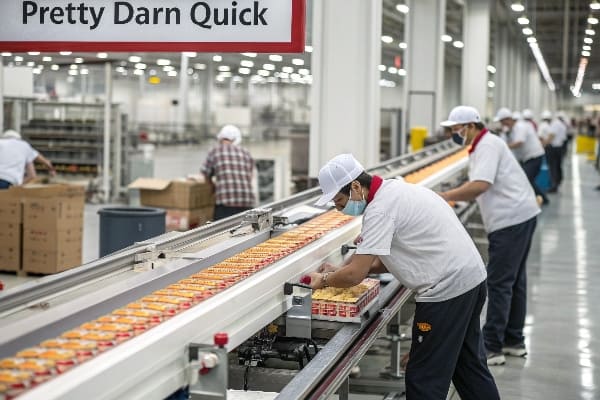
هندسة الاستقرار في الورق خفيف الوزن
للكرتون نقطة ضعف خفية: الرطوبة. في المصانع الجافة، يكون قويًا. أما في مستودعات فلوريدا الرطبة، فيتحول إلى إسفنجة. وهذا ما يُعرف بظاهرة " القاع المبتل " . لقد رأيتُ صناديق كرتونية تنهار بعد ثلاثة أيام فقط على الأرض بسبب امتصاص الرطوبة من ماء المسح. ولحل هذه المشكلة، لا نستخدم الورق العادي، بل نستخدم ورق كرافت بكر عالي الجودة للمكونات الهيكلية. صحيح أن ورق "تيستلاينر" المعاد تدويره أرخص، لكن أليافه قصيرة وضعيفة، وتتشقق عند خطوط الطي، وتمتص الماء بكثرة. أما ورق الكرافت البكر، فيتميز بأليافه الطويلة التي توفر قوة شد فائقة ومقاومة عالية للرطوبة.
تُعدّ "نقطة التحوّل" مشكلةً كبيرةً أخرى. فغالبًا ما تكون صواني العرض السريع خفيفة الوزن. وعندما يشتري أول ثلاثة زبائن المنتج من الأمام، ينتقل مركز الثقل إلى الخلف، ما يؤدي إلى انقلاب العرض بأكمله. وهذا أمرٌ مُحرجٌ وخطير. ولحلّ هذه المشكلة، قمنا بتصميم " حامل خلفي مُمتد " أو إضافة "قاعدة وهمية" مزودة بحشوة مُثقّلة مخفية (وسادة مُضلّعة مزدوجة السماكة) لخفض مركز الثقل. كما أجرينا "اختبارًا أماميًا فارغًا" على خط الإنتاج، حيث أزلنا 80% من المنتج للتأكد من ثباته.
أما بالنسبة للطباعة؟ فنحن نتجنب " تأثير لوح الغسيل 10 ". يظهر تموج الكرتون القياسي من النوع B من خلال الحبر. وللحصول على مظهر فاخر، نستخدم النوع E. حيث تكون التموجات أكثر تماسكًا، مما يمنحك سطحًا أملسًا يشبه غلاف مجلة. كما يجب علينا مراعاة " اتجاه الألياف 11 ". يتميز الكرتون المموج بـ"اتجاه ألياف" (اتجاه التموجات). إذا وضع المصمم الألياف أفقيًا على جدار حامل، فسوف ينحني العرض فورًا تحت الوزن. مهندسونا الإنشائيون مدربون على توجيه الألياف رأسيًا لتحقيق أقصى قدر من قوة التكديس (اختبار ضغط الصندوق - BCT). يمكننا جعل كرتون خفيف الوزن من النوع B يتحمل وزنًا يصل إلى 22 كيلوغرامًا (50 رطلاً) بمجرد تحسين اتجاه الألياف.
| درجة المادة | أفضل حالة استخدام | متانة | جودة الطباعة |
|---|---|---|---|
| 32 ECT B-Flute | ستاندرد غروسري بي دي كيو | واسطة | جيد |
| 44 ECT B-Flute | زجاجات / علب ثقيلة | عالي | جيد |
| فلوت إلكتروني | مستحضرات التجميل / التكنولوجيا / المنتجات الفاخرة | واسطة | ممتاز (ناعم) |
| فيرجن كرافت | قدرة تحمل الأحمال الهيكلية | مرتفع جداً | معيار |
| ورق اختبار معاد تدويره | رخيص / قصير الأجل | منخفض (عرضة للتشقق) | معيار |
لا تدع أي مصنع يبيعك ورقًا معاد تدويره للجدران الهيكلية. أنا أستخدم ورق كرافت خامًا ليحافظ على صلابته. اطلب مني فيديو لاختبار الوزن الذي أجريه على خط الإنتاج.
خاتمة
إنّ اختصار PDQ ليس مجرد اختصار، بل هو المعيار الأمثل لسرعة وكفاءة تجارة التجزئة الحديثة. سواء كنت تبيع في وول مارت أو في متجر محلي، فإنّ العرض المناسب يُسرّع من بيع المنتجات. لا تدع مشاكل الامتثال أو ضعف البنية التحتية يُعيق إطلاق منتجك.
هل ترغب برؤية كيف سيبدو منتجك في بيئة افتراضية؟ احصل على تصميم ثلاثي الأبعاد هيكلي مجاني اليوم، وسأثبت لك أننا نستطيع جعله متيناً ومتوافقاً مع المعايير.
إن التعرف على قوالب القطع بالقوالب يمكن أن يساعدك في تصميم عروض توضح المنتجات بشكل فعال وتزيد المبيعات. ↩
يمكن أن يوفر استكشاف التشويش البصري رؤى حول استراتيجيات التسويق الفعالة التي تجذب انتباه المتسوقين. ↩
استكشف هذا الرابط لفهم كيف يمكن لتقنية RRP تبسيط الخدمات اللوجستية وتعزيز كفاءة البيع بالتجزئة. ↩
تعرف على الوزن الحجمي لتجنب أخطاء الشحن المكلفة وتحسين عملياتك اللوجستية. ↩
اكتشف كيف يمكن للتعبئة المتداخلة أن تقلل بشكل كبير من تكاليف الشحن وتزيد من حمولة الحاوية. ↩
اكتشف كيف يمكن للتعبئة المشتركة أن تبسط الخدمات اللوجستية وتعزز توصيل المنتجات لتجار التجزئة. ↩
يضمن الالتزام بمواصفات تجار التجزئة سلاسة العمليات ويمنع الخسائر المالية الناتجة عن عدم الامتثال. ↩
إن فهم تأثير القاع المبتل يمكن أن يساعدك في اختيار المواد المناسبة لمقاومة الرطوبة. ↩
تعرف على كيفية استخدام حامل خلفي ممتد لتحسين ثبات شاشات العرض ومنع انقلابها. ↩
اكتشف كيفية تجنب تأثير لوح الغسيل للحصول على طباعة أكثر سلاسة واحترافية. ↩
استكشف أهمية اتجاه الألياف لتحسين القوة والمتانة في تصميماتك الكرتونية. ↩