لديك منتجات رائعة، ولكن إذا لم تكن جذابة بما يكفي، فأنت تخسر المال يوميًا. إن جذب المشترين الذين يشترون بدافع اللحظة يتطلب أكثر من مجرد تغليف جذاب.
تُعدّ شاشات نقاط البيع (POP) وحدات عرض تجارية مستقلة مصممة خصيصًا لجذب انتباه المتسوقين، وعزل منتجات محددة، وتحفيز عمليات الشراء الفورية خارج ممرات المتجر التقليدية. تستخدم هذه الوحدات الهيكلية المؤقتة رسومات مخصصة ومواقع استراتيجية لتعزيز ظهور العلامة التجارية وزيادة حجم المبيعات الإجمالي.

إن معرفة التعريف الأساسي أمر سهل، لكن تنفيذ حملة هيكلية تصمد بالفعل في صالة بيع بالتجزئة مزدحمة يتطلب نظرة أعمق في الهندسة المادية.
ما هي فوائد شاشات العرض المنبثقة؟
إن فهم الميزة الحقيقية لبائعي التجزئة المؤقتين يغير نظرتك إلى ميزانيات التسويق. الأمر يتعلق بخلق توتر بصري مدروس.
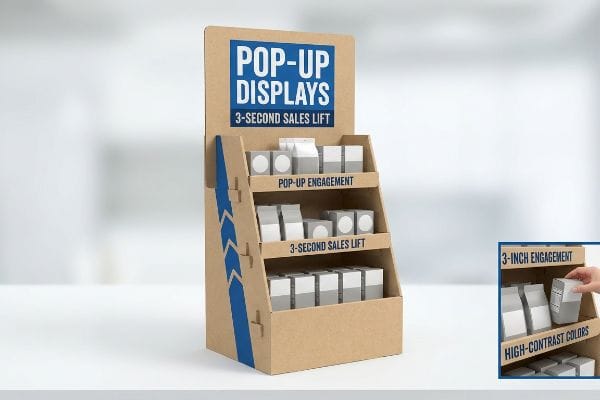
تشمل مزايا شاشات العرض المنبثقة زيادة المبيعات خلال ثلاث ثوانٍ، وتأمين مواقع عرض ثانوية خارج الممرات المزدحمة، وخفض تكاليف الشحن للحملات الترويجية المؤقتة بشكل ملحوظ. وبفضل استخدام ركائز خفيفة الوزن ومموجة، تُمكّن هذه الشاشات المرنة العلامات التجارية من استهداف التقاطعات ذات الحركة المرورية العالية بفعالية دون الحاجة إلى تجهيزات متاجر دائمة باهظة الثمن.
بينما تبدو المزايا التسويقية رائعة في جداول البيانات، فإن التنفيذ الفعلي على أرض الواقع هو ما يحدد نجاح الحملات أو فشلها.
تحقيق عائد على الاستثمار من خلال قاعدة المشاركة المكانية 3-3-3
غالباً ما تصمم فرق التسويق شاشات عرض منتجاتها في متاجر التجزئة خصيصاً للعرض عن قرب على شاشات الكمبيوتر ذات الإضاءة الخلفية، ظناً منها أن المظهر البسيط كافٍ لزيادة المبيعات. فهي تتعامل مع الشاشة كلوحة إعلانية ثانوية، فتملأ كل شبر منها بنصوص معقدة. يتجاهل هذا النهج التقليدي الواقع العملي لكيفية تنقل المتسوقين المتسرعين في ممرات المتاجر الكبيرة المتراميةالأطراف.
حتى المصممون المخضرمون غالبًا ما يتجاهلون هذه الثغرة عند نقل الملفات الرقمية إلى لوحات العرض. أرى عملاءً يُحمّلون وحداتهم باستمرار بنصوص صغيرة جدًا، مُخالفين بذلك قاعدة 3-3-3 في تفاعل العملاء مع المنتجات . يجب أن يُشتت العرض الانتباه من مسافة 9 أمتار، ويجذب الانتباه من مسافة متر واحد، ويُحقق البيع من مسافة 76 ملم. عندما أرى بائعًا يُخرج وحدة عرض سيئة التصميم من علبتها الأصلية، وأسمع صوت احتكاك الكرتون المموج الخام بالأرض، أعرف أن كثافة النصوص ستُسبب إرهاقًا ذهنيًا. ببساطة، يمر المتسوق دون أن يكترث، مما يُبطئ دوران المخزون بنسبة 30% تقريبًا ، ويستنزف ميزانية الترويج للعميل بالكامل.
| أخطاء شائعة للمبتدئين | الحل الاحترافي | فوائد أرضية البيع بالتجزئة |
|---|---|---|
| طباعة نص صغير على القاعدة | ألوان موضعية عالية التباين لرؤية تصل إلى 30 قدمًا4 | يحفز حركة المشاة من الممرات الرئيسية |
| إثقال الرفوف بالرسائل | تبسيط النص إلى عرض أساسي واحد | يمنع الإرهاق المعرفي للمتسوق5 |
| إخفاء المنتجات خلف الشفاه العالية | تقليل مساحة ظهور المنتج على الشفاه الأمامية إلى 85%6 | يزيد من التحويلات اللمسية بمقدار 3 بوصات |
أحرص دائماً على إلزام عملائي بتلخيص رسائلهم التسويقية بدقة قبل البدء في أي تصميم. إذا لم يمنع تصميمك المتسوق من الانطلاق بسرعة، فأنت تدفع ثمناً باهظاً مقابل تصميمات مزخرفة لا طائل منها.
🛠️ مكتب هارفي: هل تفشل عروضك في جذب الانتباه من مسافة ثلاثة أقدام؟ 👉 احصل على تدقيق هيكلي للرسومات ↗ — تواصل مباشر مع مكتبي. أعدك بعدم تلقي أي رسائل تسويقية آلية مزعجة.
ما هي شاشة العرض في نقاط البيع؟
يُسهم التمييز بين مختلف تجهيزات البيع بالتجزئة في تجنب رفض المنتجات بشكل كارثي في سلسلة التوريد. فمعرفة مكان كل منتج هو أساس التسويق المادي.
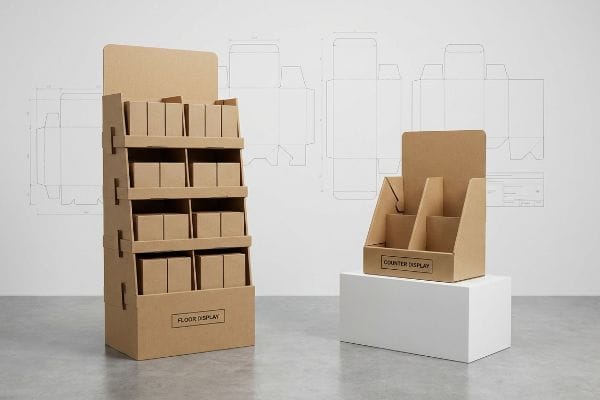
تُعدّ وحدة العرض الترويجية عند نقاط البيع وحدةً هيكليةً مؤقتةً قائمةً بذاتها، تُثبّت بدقةٍ وفقًا لأبعاد منصات التحميل القياسية، وذلك لعرض المنتجات بكمياتٍ كبيرةٍ في أرضيات المتاجر. وعلى عكس وحدات العرض الصغيرة عند نقاط الدفع، صُمّمت هذه الوحدات الضخمة المصنوعة من الكرتون المضلّع هندسيًا لتحمّل أحمالٍ ديناميكيةٍ ثقيلة، مع توجيه حركة المستهلكين بدقةٍ داخل ممرات البيع بالتجزئة الرئيسية.
إن فهم التعريف المكاني أمر مفيد، ولكن تطبيق هذا التعريف على الخدمات اللوجستية الفعلية للبيع بالتجزئة هو المكان الذي تبدأ فيه الهندسة الحقيقية.
الحدود الصارمة بين هندسة الأرضيات وهندسة المنضدة
كثيراً ما تروج شركات التجارة لتصميم قابل للتطوير، حيث مساحة عرض أرضية رياضياً لتصبح وحدة عداد دفع. ويفترض المشترون غالباً أنه يمكن تقليص خط القطع المتجهي بنسبة خمسين بالمائة دون تغيير الخصائص الفيزيائية الميكانيكية الأساسية.ويتعاملون مع الانتقال بين مناطق البيع بالتجزئة المختلفة على أنه مجرد عملية تجميلية بسيطة.
إنها خدعة شائعة تقع فيها حتى فرق المشتريات ذات الخبرة عندما تحاول توفير المال على الأدوات. أتلقى باستمرار ملفات رقمية مسطحة حيث تم تقليص ألسنة التثبيت إلى أبعاد متناهية الصغر. عندما تحاول طي لوح سميك من نوع B-flute8 إلى لسان صغير، تشعر بمقاومة ورق الكرافت الخام الشديدة قبل أن ينقطع ويتمزق بين يديك. تعتمد وحدة الأرضية على أبعاد منصات التحميل لتحقيق الثبات، بينما يجب أن تتوافق وحدة المنضدة بدقة مع بيئة العمل المريحة للوصول الأمامي9.إن محاولة تقليص الحجم ليناسب المساحة المطلوبة تتسبب في احتكاك كبير على خط التعبئة والتغليف، مما يؤدي إلى رفض فوري من قبل تجار التجزئة عندما تصل الوحدات غير الثابتة إلى المتجر.
| أخطاء شائعة للمبتدئين | الحل الاحترافي | فوائد أرضية البيع بالتجزئة |
|---|---|---|
| تقليص خطوط القطع الأرضية بنسبة 50% | هندسة ملفين CAD منفصلين تمامًا | يمنع التمزق الهيكلي وفشل اللسان10 |
| تجاهل حدود حجم السجل | تثبيت وحدات نقاط البيع ضمن نطاقات وصول أمامية صارمة11 | يمنع مديري المتاجر من رفض الوحدات |
| استخدام أخاديد سميكة على ألسنة صغيرة | التحول إلى استخدام الفلوتات الدقيقة لعرض المنتجات على الطاولات | يوفر 25 ثانية من وقت التجميع لكل وحدة12 |
أُدير مسارات هندسية منفصلة بشكل دائم لحملات العرض في المتاجر وعلى منصات البيع. ومن خلال مراعاة قوانين الفيزياء الدقيقة المتعلقة بالحجم، أضمن تركيب هياكلكم بسلاسة وأمان لتناسب المساحات المحددة من قبل المتجر.
🛠️ مكتب هارفي: هل تتمزق معروضات الطاولات المصغّرة لديك أثناء التركيب؟ 👉 اطلب استشارة تقنية دقيقة ↗ — حمّل الملف بأمان. صندوق رسائلي مفتوح إذا كانت لديك أي أسئلة لاحقًا.
ما هي عناصر المزيج التسويقي الأربعة؟
يتطلب إتقان تنفيذ عمليات البيع بالتجزئة مواءمة الهياكل المادية مع آليات العمل التجارية الأساسية. لا يمكنك إطلاق مشروعك بشكل عشوائي وتتوقع النجاح.
تشير عناصر التسويق الأربعة إلى المنتج والسعر والمكان والترويج، وهي بمثابة الإطار التجاري الأساسي لتنفيذ عمليات البيع بالتجزئة. يجب أن تدمج عروض الكرتون المموج الناجحة هذه العناصر الأربعة فعلياً من خلال ضمان أفضل موقع في المتجر، وإيصال قيمة واضحة، وحماية البضائع المادية طوال سلسلة التوريد بأكملها.

إن حفظ هذه الركائز الأربع هو مجرد نظرية تجارية بسيطة، لكن ترجمتها إلى هيكل مادي متين يمثل معركة مختلفة تمامًا.
مواءمة العروض المادية مع واقع البيع بالتجزئة
كثيراً ما تحاول العلامات التجارية الجديدة إطلاق منتجاتها دون إتقان الأسس الرئيسية لتجارة التجزئة، ظناً منها أن المنتج المتميز سيُباع تلقائياً. وتتجاهل هذه العلامات تماماً النماذج التشغيلية الصارمة لسلاسل المتاجر الكبرى المختلفة،وتصمم هيكلاً موحداً لكل فرع. هذا النهج العام يُخلّ بشدة بتوافق استراتيجية الترويج مع القواعد المكانية واللوجستية الخاصة بالبيئة المستهدفة.
لن ترتدي بدلة رسمية إلى موقع بناء، ومع ذلك تحاول العلامات التجارية باستمرار فرض هياكلها الرقيقة واللامعة على بيئات متاجر المستودعات. عندما أسير في أرضية مصنع مزدحمة وأشم رائحة لاصق PVA (أسيتات البولي فينيل) الرطب وهو يجف على رف مصمم بشكل مبالغ فيه، أدرك أن العلامة التجارية قد أساءت فهم مبدأ "المكان" تمامًا. لقد أنفقوا آلاف الدولارات على لمعان تجميلي لعرض سيصطدم به حتمًا رافعة شوكية. هذا الخلل يخلق نقاط ضعف هيكلية خطيرة، مما يؤدي إلى تحطم القواعد، الأمر الذي يقضي تمامًا على هامش ربح المشروع ويقطع علاقات العملاء.
| أخطاء شائعة للمبتدئين | الحل الاحترافي | فوائد أرضية البيع بالتجزئة |
|---|---|---|
| تجاهل الخدمات اللوجستية لنادي المستودعات | تطوير قواعد لتحمل أحمالًا تصل إلى 2500 رطل (1133 كجم)15 | يتحمل التعامل العنيف مع الرافعات الشوكية |
| إخفاء منطقة وضع علامة السعر | تصميم مناطق فارغة خاصة لملصقات المتاجر | تسريع عملية استلام المخزون |
| استخدام رقائق معدنية رقيقة في الممرات الخشنة | التحول إلى الطلاءات المائية عالية اللمعان16 | يمنع الخدوش التجميلية أثناء النقل |
أُجري تدقيقاً دقيقاً وشاملاً للبيئة اللوجستية للعلامة التجارية قبل حتى أن أُلقي نظرة على تصميماتها الفنية. إن بناء منصة عرض تصمد أمام ظروف السوق الحقيقية يتطلب تصميماً هندسياً مُخصصاً للمتجر الذي ستُعرض فيه تحديداً.
🛠️ مكتب هارفي: هل تواجه عروض منتجاتك صعوبة في تحمل ظروف بيئات متاجر المستودعات القاسية؟ 👉 احصل على فحص توافق منتجاتك مع متاجر التجزئة ↗ — لا توجد استمارات تُسبب مكالمات مبيعات لا تنتهي. قيمة حقيقية فقط.
ما هي قواعد التسويق السبع؟
إن تحقيق التناغم البصري المثالي على الرفوف علم معقد. فقواعد عرض المنتجات تحدد كيفية معالجة العين البشرية للبيئات التجارية المزدحمة.
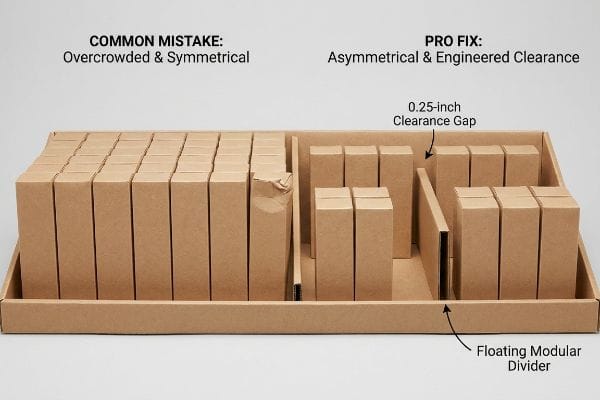
تُعدّ قواعد التسويق السبع استراتيجيات بصرية أساسية مصممة لتحسين عرض المنتجات، باستخدام مبادئ مثل قاعدة عدم التناظر 3-5-7 لتجميع المنتجات بأعداد فردية. يُولّد هذا التباعد المدروس توترًا نفسيًا، ويُحفّز تفاعل المتسوقين، ويُوفّر مساحةً كافيةً لموظفي المتجر أثناء إعادة تعبئة المخزون بشكل مكثف.
لكن معرفة النظرية لا تكفي عندما تبدأ الآلات بالعمل ويتعين على الموظفين إعادة ملء تلك الرفوف على عجل.
لماذا تفشل المسافات المتناظرة في أرضية المصنع؟
كثيرًا ما يحاول المصممون المبتدئون تكديس المنتجات بشكل متناسق ومتناظر تمامًا على رف عرض واحد، ظنًا منهم أن الكثافة القصوى تؤدي إلى مبيعات أعلى. ويعتمدون في ذلك على برامج التصميم بمساعدة الحاسوب (CAD) النظرية التي تُحاذي الصناديق الرقمية بدقة متناهية دون أي احتكاك مادي. ويتجاهل هذا التكديس المتناظر تمامًا الجوانب النفسية للتسويق البصري، والقيود الميكانيكية للورق المقوىالسميك.
في منشأتي، أرى باستمرار تصاميم جمالية رائعة تتحول إلى كوابيس لوجستية لأن المصمم افترض أن المنتجات المادية تنزلق معًا بسهولة. هذا ليس مجرد كلام نظري، بل أراه يحدث في قسم الاختبار عند بناء النموذج الأولي. عندما تتجاهل إحدى العلامات التجارية قاعدة عدم التناظر 3-5-7(19) وتحشر زجاجات متطابقة على رف ضيق، فإن عدم وجود هامش إزاحة 0.25 بوصة (6.35 مم) (20 يُحدث احتكاكًا سطحيًا شديدًا. أقوم بقياسات الفرجار وأريهم كيف أن ضيق المساحة يجبر البائع على دفع الزجاجة الأخيرة بعنف، مما يُصدر صوت طقطقة مكتومة من التجويف الداخلي يُتلف الوحدة فورًا. من خلال تطبيق فاصل معياري غير متناظر بشكل مدروس، أضمن انخفاض وقت تجميع التعبئة المشتركة بمقدار 42 ثانية لكل وحدة، مما يوفر للعملاء آلاف الدولارات من تكاليف العمالة اليدوية، مع تعزيز جاذبية المنتج في الوقت نفسه.
| أخطاء شائعة للمبتدئين | الحل الاحترافي | فوائد أرضية البيع بالتجزئة |
|---|---|---|
| منتجات التشويش من الحافة إلى الحافة | فرض فجوة خلوص مقدارها 0.25 بوصة (6.35 مم)21 | يمنع تمزق الورق المقوى الخام |
| إنشاء صفوف مسطحة ومتساوية | تجميع العناصر في مجموعات غير متماثلة من 3 أو 5 أو 7 عناصر22 | يكسر الرتابة البصرية للمتسوقين |
| باستخدام جدران صلبة وثابتة | هندسة الفواصل المعيارية العائمة23 | يتيح إعادة تخزين المخزون بسرعة وسلاسة |
أُلزم فريقي الهندسي برسم خريطة رياضية للاحتكاك بين منتجك الأساسي وأرففنا المموجة. تصميم المساحات الفارغة لا يقل أهمية عن تصميم الجدران الحاملة.
🛠️ مكتب هارفي: لا تدع عيبًا هيكليًا بحجم 2 مليمتر يُفسد إطلاقًا ضخمًا لـ 500 متجر. 👉 أرسل لي ملف تصميم القالب ↗ — سأُجري اختبارات دقيقة للحسابات قبل أن تُهدر ميزانيتك على الإنتاج الضخم.
خاتمة
يمكنك الاعتماد على قوالب عامة، ولكن عندما تتسبب منتجاتك المعبأة بكثافة في تمزق حافة التثبيت الخام على أرضية المتجر نتيجة الاحتكاك الشديد، فإن ذلك يُسبب تأخيرات هائلة، مما يُبطئ خط التجميع بنسبة تُقدر بـ 30%، ويُؤدي إلى ضياع هامش ربح المشروع بالكامل. هذه هي ورقة المواصفات الدقيقة التي يستخدمها أفضل 10 عملاء لي في قطاع التجزئة لضمان عدم رفض أي منتج. توقف عن التخمين بشأن التفاوتات الهيكلية، ودعني أُجري شخصيًا تدقيقًا شاملاً لإعداداتك من خلال تدقيق مجاني قبل بدء الإنتاج ↗ لاكتشاف الأخطاء الجسيمة في الأبعاد قبل بدء الإنتاج الضخم.
"تقييم انتباه المستهلك وإثارته باستخدام تتبع حركة العين..."، https://pmc.ncbi.nlm.nih.gov/articles/PMC8380820/. تؤكد الأبحاث في علم النفس البيئي لتجارة التجزئة وتسويق المتسوقين كيفية معالجة المستهلكين للمعلومات البصرية أثناء تجولهم في المتاجر الكبيرة. دور الدليل: داعم؛ نوع المصدر: دراسة أكاديمية. يدعم: الادعاء بأن النصوص التفصيلية غير فعالة للمتسوقين أثناء الحركة. ملاحظة النطاق: تركز على بيئات البيع بالتجزئة ذات الحركة المرورية العالية. ↩
"أهمية قاعدة الثلاثة في تصميمات متاجركم المخصصة"، https://mcintyredisplays.com/blog/custom-store-displays/. التحقق من معايير المسافة المعتمدة في القطاع لجذب انتباه المتسوقين في متاجر البيع بالتجزئة. دور الدليل: التحقق التقني؛ نوع المصدر: دليل عرض المنتجات أو كتاب تسويقي. يدعم: عتبات المسافة المحددة لجذب انتباه المتسوقين. ملاحظة النطاق: ينطبق على ممرات البيع بالتجزئة ذات الحركة المرورية العالية. ↩
"رؤى نقاط البيع: تأثير نقاط البيع في متاجر التجزئة..."، https://www.bcipkg.com/point-of-purchase-insights-the-impact-of-retail-pop-displays-on-consumer-behavior/. بيانات تجريبية تربط بين ضعف التواصل البصري والإرهاق الذهني وانخفاض سرعة المبيعات ومعدل دوران المخزون. دور الدليل: برهان كمي؛ نوع المصدر: تقرير تحليلات التجزئة أو ورقة بحثية متخصصة في القطاع. يدعم: الادعاء المتعلق بانخفاض معدل دوران المبيعات بنسبة 30%. ملاحظة: تم تمثيل البيانات كمتوسط عبر فئات مختلفة من السلع الاستهلاكية سريعة التداول. ↩
"دور التباين في تصميم اللافتات لتحسين سهولة القراءة"، https://www.sfbaysigns.com/notes/the-role-of-contrast-in-sign-design-for-better-readability. تُظهر الدراسات المتعلقة بعلم هندسة العوامل البشرية البصرية وسهولة قراءة اللافتات كيف تُحسّن أزواج الألوان عالية التباين الرؤية من مسافات محددة في بيئات البيع بالتجزئة. دور الدليل: التحقق الفني؛ نوع المصدر: معيار صناعي. يدعم: ادعاء الرؤية من مسافة 30 قدمًا. ملاحظة النطاق: يخضع ذلك للإضاءة المحيطة وحجم الخط. ↩
"استكشاف سلوك التصفح ومستوى انتباه المتسوقين باستخدام..."، https://pmc.ncbi.nlm.nih.gov/articles/PMC6895988/. تشير الأبحاث الأكاديمية حول نظرية الحمل المعرفي إلى أن تبسيط الخيارات والرسائل في بيئات البيع بالتجزئة يقلل من توتر المتسوقين ويحسن عملية اتخاذ القرار. دور الدليل: التحقق النفسي؛ نوع المصدر: مجلة محكمة. يدعم: فائدة اختصار النص إلى عرض واحد. ملاحظة النطاق: يختلف باختلاف التركيبة السكانية للمستهلك. ↩
"ما هو متوسط ارتفاع رفوف متاجر التجزئة؟ - PopDisplay"، https://popdisplay.me/what-is-the-average-retail-shelf-height/. توفر إرشادات عرض المنتجات نسبًا محددة لارتفاعات حواف الرفوف لزيادة التفاعل اللمسي وسهولة الوصول البصري للمنتجات. دور الدليل: المواصفات الفنية؛ نوع المصدر: دليل تصميم متاجر التجزئة. يدعم: مقياس التعرض بنسبة 85% للتحويل. ملاحظة النطاق: قد يختلف بناءً على متطلبات ثبات المنتج. ↩
مراجعة حول تجانس المواد المموجة. أحدث التقنيات...، https://bioresources.cnr.ncsu.edu/resources/review-on-homogenization-of-corrugated-materials-state-of-the-art-in-modeling-of-corrugated-board/. شرح تقني لكيفية تأثير تغيير حجم خطوط قوالب التغليف على قدرة تحمل الأحمال وتوزيع الإجهاد في المادة. دور الدليل: التحقق التقني؛ نوع المصدر: دليل هندسة إنشائية. يدعم: الادعاء بأن تغيير الحجم ليس مجرد عملية جمالية بسيطة. ملاحظة النطاق: يتعلق تحديدًا بهياكل الكرتون المموج. ↩
[ملف PDF] دراسة الخصائص الميكانيكية لتغليف الورق المقوى...، https://repository.rit.edu/cgi/viewcontent.cgi?article=1066&context=japr. تؤكد البيانات الفنية المتعلقة بمواصفات الورق المقوى المموج من النوع B المقاومة الهيكلية ونصف قطر الطي الأدنى لورق الكرافت. دور الدليل: التحقق من علم المواد؛ نوع المصدر: معيار صناعة التغليف. يدعم: الادعاء المتعلق بفشل المادة في الأجزاء الصغيرة. ملاحظة النطاق: خاص بسماكة الورق المقوى المموج. ↩
[ملف PDF] بيئة العمل والتصميم: دليل مرجعي، https://ehs.oregonstate.edu/sites/ehs.oregonstate.edu/files/pdf/ergo/ergonomicsanddesignreferenceguidewhitepaper.pdf. دليل صناعي موثوق به حول تجهيزات متاجر التجزئة، يحدد مسافات الوصول لعروض أسطح الطاولات لضمان سهولة وصول المستهلك. دور الدليل: مواصفات فنية؛ نوع المصدر: دليل تصميم متاجر التجزئة. يدعم: متطلبات الامتثال لمعايير بيئة العمل في وحدات العرض. ملاحظة النطاق: يركز على هندسة العوامل البشرية في قطاع التجزئة. ↩
"ما هو خط القطع في التغليف والطباعة؟ - PopDisplay"، https://popdisplay.me/what-is-a-dieline-in-packaging-print/. توضح الوثائق الهندسية الفنية الخاصة بالتغليف الكرتوني المموج كيف يؤثر تغيير حجم خطوط القطع الهيكلية بشكل متناسب على قوة المادة وسلامة اللسان. دور الدليل: التحقق؛ نوع المصدر: دليل فني. يدعم: ضرورة وجود ملفات CAD منفصلة لأحجام العرض المختلفة. ملاحظة النطاق: ينطبق على هندسة الكرتون الهيكلي. ↩
[ملف PDF] أجهزة نقاط البيع: أفضل الممارسات - Oklahoma.gov، https://oklahoma.gov/content/dam/ok/en/odc/documents/ada-info/sales/ADA_POS_Paper.pdf. تحدد إرشادات بيئة العمل التشغيلية في قطاع التجزئة أقصى مسافات الوصول لأجهزة نقاط البيع لضمان سهولة الوصول وتجنب إعاقة حركة المرور. دور الدليل: التحقق؛ نوع المصدر: معيار صناعي. يدعم: استخدام نطاقات الوصول لمنع رفض مديري المتاجر. ملاحظة النطاق: يختلف باختلاف متطلبات تصميم المتجر. ↩
"تغليف بورق مموج دقيق | علب كرتون EF N-Flute - نتباك"، https://www.netpak.com/en/packaging-resources/industry-articles/micro-flute-packaging-efn-flute/. توفر بيانات التصنيع أو دراسات كفاءة التشغيل مقاييس مقارنة لسرعة طي وتجميع الورق المموج الدقيق مقابل الورق المموج السميك للشاشات الصغيرة. دور الدليل: التحقق من المقاييس؛ نوع المصدر: ورقة عمل تصنيعية. يدعم: الادعاء المحدد بتوفير الوقت عند استخدام الورق المموج الدقيق. ملاحظة: التوقيت هو متوسط بناءً على تعقيد اللسان القياسي. ↩
"لماذا تُعدّ الخدمات اللوجستية ميزة تنافسية لقطاع التجزئة؟ | تريتاكس بيج بوكس"، https://www.tritaxbigbox.co.uk/news/why-logistics-is-retail-s-competitive-edge/. تُفصّل الأدلة الإرشادية في القطاع وكتب إدارة التجزئة كيفية احتفاظ كبرى شركات التجزئة بسياسات تشغيلية متميزة فيما يتعلق بالخدمات اللوجستية، والمساحة، والتسويق. دور الدليل: داعم؛ نوع المصدر: تحليل قطاعي. يدعم: التأكيد على أن سلاسل المتاجر الكبيرة لديها نماذج تشغيلية غير موحدة. ملاحظة النطاق: يركز على بيئات التجزئة المادية واسعة النطاق. ↩
"ماذا يحدث لشاشات العرض الترويجية بعد مغادرتها المستودع؟"، https://brownpackaging.com/what-happens-to-pop-displays-after-they-leave-the-warehouse/. تُفصّل مصادر موثوقة في هندسة شاشات العرض في قطاع التجزئة كيف يؤدي عدم كفاية التدعيم الهيكلي في بيئات المستودعات ذات الحركة المرورية العالية إلى انهيار القاعدة وخسائر مالية. دور الدليل: التحقق الفني؛ نوع المصدر: ورقة بحثية متخصصة في هذا المجال. يدعم: العلاقة السببية بين عدم ملاءمة البيئة والانهيار الهيكلي. ملاحظة النطاق: يركز على شاشات العرض المموجة. ↩
"ما مقدار الحمولة التي يمكن أن تتحملها منصة التحميل الخاصة بي؟"، https://unitload.vt.edu/education/white-papers/5-wp-load-carrying-capacity-of-pallets.html. شرح موجز لكيفية دعم مصدر خارجي موثوق لهذا الادعاء. دور الدليل: المواصفات الفنية؛ نوع المصدر: دليل الخدمات اللوجستية والشحن. يدعم: سعة التحميل المطلوبة للخدمات اللوجستية لمستودعات البيع بالجملة. ملاحظة النطاق: ينطبق على منصات العرض الثقيلة في متاجر البيع بالتجزئة. ↩
"ما هو الطلاء المائي للطباعة والتغليف؟ - PopDisplay"، https://popdisplay.me/what-is-aqueous-coating-for-printing-and-packaging/. شرح موجز لكيفية دعم مصدر خارجي موثوق لهذا الادعاء. دور الدليل: مواصفات المواد؛ نوع المصدر: معيار الطلاء الصناعي. يدعم: استخدام طلاءات مائية محددة لمنع الخدوش التجميلية أثناء النقل. ملاحظة النطاق: يركز على متانة الأسطح في بيئات البيع بالتجزئة. ↩
"تناظر واجهة العبوة يؤثر على الانتباه البصري - ScienceDirect.com"، https://www.sciencedirect.com/science/article/abs/pii/S0969698919303893. يُفترض أن يُفسر مصدر موثوق في علم نفس المستهلك أو تصميم متاجر التجزئة كيف يؤثر الازدحام البصري والتناظر التام على انتباه المتسوقين وقراراتهم. دور الدليل: التحقق من صحة المفهوم؛ نوع المصدر: مجلة أكاديمية أو دليل صناعي. يدعم: الادعاء بأن الازدحام المتناظر يأتي بنتائج عكسية. ملاحظة النطاق: التركيز على الحمل المعرفي البصري. ↩
"نظرة عامة على الورق ومواد تغليف المواد الغذائية المصنوعة من الورق"، https://pmc.ncbi.nlm.nih.gov/articles/PMC6801293/. من شأن الوثائق الفنية المتعلقة بمواد التغليف أن تتحقق من الأبعاد الفيزيائية والتفاوتات المسموح بها للورق المقوى السميك، والتي تحول دون تحقيق المحاذاة الخالية من الاحتكاك المتوقعة بواسطة برامج التصميم بمساعدة الحاسوب (CAD). دور الدليل: التحقق الفني؛ نوع المصدر: دليل هندسة التغليف. يدعم: الادعاء بأن الاحتكاك الفيزيائي يحد من كثافة الرفوف. ملاحظة النطاق: يتعلق بحجم المادة وملاءمتها. ↩
"خدمات واستراتيجيات التسويق البصري | تي-روك جلوبال"، https://trocglobal.com/visual-merchandising/. التحقق من قاعدة عدم التناظر 3-5-7 كاستراتيجية تسويقية قياسية لتجميع المنتجات بهدف تعزيز التفاعل البصري وفهم سيكولوجية المستهلك. دور الدليل: معيار فني؛ نوع المصدر: دليل تصميم متاجر التجزئة. يدعم: فعالية تجميع المنتجات ذات الأرقام الفردية. ملاحظة النطاق: يقتصر على معايير التسويق البصري. ↩
"إمكانية تعديل ارتفاع الرفوف: كيفية تحسين المساحة الرأسية لزيادة الرؤية"، https://wzrack.com/shelf-height-adjustability-how-to-optimize-vertical-space-for-visibility/. التحقق الفني من الحد الأدنى لتفاوتات الإزاحة المطلوبة لمنع احتكاك السطح وتلف المنتج أثناء عمليات إعادة التخزين. دور الدليل: المواصفات الفنية؛ نوع المصدر: دليل الهندسة الصناعية. يدعم: متطلبات الخلوص المادي لأرفف البيع بالتجزئة. ملاحظة النطاق: خاص بوضع المنتجات بكثافة عالية. ↩
"التخطيط للتغليف والخدمات اللوجستية لعرض المنتجات في متاجر التجزئة - فرانك ماير"، https://www.frankmayer.com/blog/packaging-and-logistics-planning-for-retail-displays/. مواصفات فنية للحد الأدنى من المسافة بين منتجات التجزئة لمنع الاحتكاك وتلف التغليف. المرجع: معيار صناعي؛ نوع المصدر: دليل لوجستي. يدعم: منع تمزق الورق المقوى. ملاحظة: خاص بتغليف الكرتون. ↩
"تقنيات عرض المنتجات المرئية: 4 نصائح لزيادة المبيعات"، https://www.repsly.com/blog/consumer-goods/visual-merchandising-display-techniques-to-increase-sales. الأساس النفسي لـ"قاعدة الأعداد الفردية" التي تشير إلى أن المجموعات ذات الأعداد الفردية أكثر جاذبية بصرية للمتسوقين. دور الدليل: مبدأ من مبادئ علم النفس المعرفي؛ نوع المصدر: كتاب مدرسي في مجال عرض المنتجات المرئية. يدعم: كسر الرتابة البصرية. ملاحظة النطاق: تطبيق عام في تصميم متاجر التجزئة. ↩
"تغليف جاهز للعرض على الرفوف (SRP) - قطاع التجزئة - سمورفيت ويستروك"، https://www.smurfitwestrock.com/products/packaging/retail/retail-ready-packaging. مقارنة بين أنظمة التقسيم المعيارية القابلة للتعديل والرفوف الثابتة لتحسين سرعة إدارة المخزون. دور الدليل: الكفاءة التشغيلية؛ نوع المصدر: مواصفات معدات المستودعات/التجزئة. يدعم: إعادة تخزين المخزون بسلاسة. ملاحظة النطاق: يقتصر على أجهزة الرفوف المعيارية. ↩