إن جذب الانتباه في ممرات مستحضرات التجميل المزدحمة يتطلب أكثر من مجرد شعار جميل؛ فهو يتطلب عبوة تشغل مساحة كبيرة وتوحي بجودة فائقة على الفور.
تعزز عبوات مستحضرات التجميل جاذبية المنتج من خلال الجمع بين المتانة الهيكلية، واللمسات النهائية المميزة، والتصميم الجذاب، والمواد المستدامة، والإدارة الدقيقة للألوان. تعمل هذه العناصر الاستراتيجية الخمسة معًا على إيصال قيمة العلامة التجارية على الفور، وحماية العبوات الأولية الهشة، وتحقيق معدلات شراء عالية في بيئات البيع بالتجزئة شديدة التنافسية.
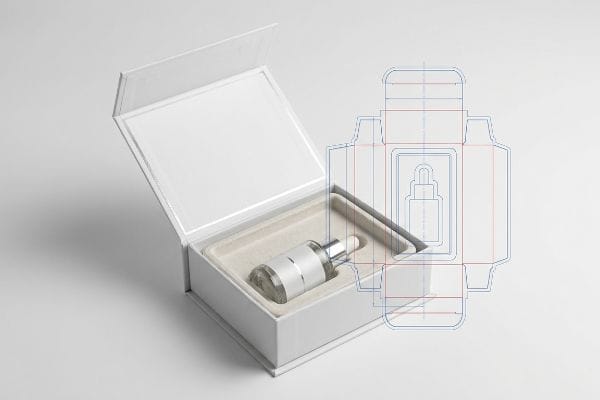
لكن قبل أن نتحدث عن زيادة المبيعات، نحتاج إلى النظر في الأساس الهيكلي الذي يحافظ فعلياً على سلامة منتجك.
ما هي أهم خمس مزايا للتغليف؟
إن فهم الوظائف الأساسية لعلبتك هو الخطوة الأولى نحو بناء علامة تجارية ناجحة لمستحضرات التجميل قادرة على البقاء في سلسلة التوريد الخاصة بتجارة التجزئة.
تشمل أهم خمس مزايا للتغليف: الحماية المادية، والتواصل مع العلامة التجارية، والامتثال لمعايير البيع بالتجزئة، وكفاءة سلسلة التوريد، وراحة المستهلك. وتضمن هذه الركائز الوظيفية مجتمعةً حماية البضائع الهشة من المخاطر اللوجستية، بينما تعمل في الوقت نفسه كبائع غير مباشر لتعظيم العائد على الاستثمار في متاجر البيع بالتجزئة.
إن معرفة هذه الركائز الخمس من الناحية النظرية أمر سهل، لكن تطبيقها على منتجات التجميل الهشة هو ما يتعثر فيه معظم العلامات التجارية.
الأهمية الخفية لـ "فراغ التعليق" في مستحضرات التجميل
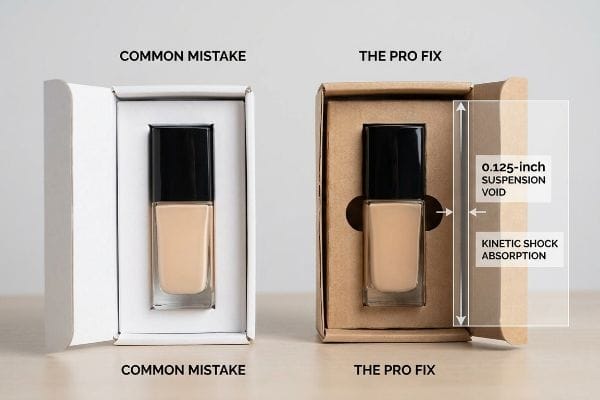
من الأخطاء الشائعة التي ألاحظها لدى العلامات التجارية الناشئة في مجال التجميل هو تحديد حجم علب مستحضرات التجميل الثانوية بدقة لتتوافق مع الأبعاد الخارجية للعبوة الأساسية، مثل زجاجة كريم الأساس. فهم يفترضون أن غلافًا محكمًا من الورق المقوى بنسبة 1:1 يوفر أقصى درجات الحمايةويلبي متطلبات الحماية المادية الأساسية للعبوة.
عند شحن تلك الكراتين المتراصة بإحكام، فإن أي صدمة على الصندوق الخارجي الصلب تنقل كامل قوة الصدمة الحركية مباشرةً إلى الحاوية الزجاجية.لقد شاهدتُ موظفي المتاجر يفتحون صناديق الشحن الرئيسية ليجدوا مسحوقًا مضغوطًا مطحونًا وزجاجًا محطمًا، مع بقايا خشنة وفوضوية تُفسد الشحنة بأكملها. لحل هذه المشكلة، أُلزم بوجود مسافة فاصلة لا تقل عن 3.17 ملم (0.125 بوصة) من جميع الجدران الخارجية،باستخدام قطعة داخلية مصممة خصيصًا لتعليق الحاوية الرئيسية في هواء محبوس. يمتص هذا الحاجز الهيكلي الصدمات الناتجة عن السقوط تمامًا، مما يمنع عمليات رد الأموال إلى متاجر التجزئة ويحافظ على هوامش ربحك سليمة.
| أخطاء شائعة للمبتدئين | الحل الاحترافي | فوائد أرضية البيع بالتجزئة |
|---|---|---|
| حجم الصندوق المحكم 1:1 | فراغ 0.125 بوصة (3.17 مم)4 | يمنع تحطم الزجاج |
| لا يوجد حشو داخلي | مصد تعليق مقطوع بالقالب5 | يمتص الصدمات الحركية |
| تجاهل مخاطر السقوط | هندسة الهواء المحصور6 | يمنع انسكاب السوائل الفوضوية |
لا أسمح أبدًا لأي عميل بشحن مستحضرات تجميل حساسة دون وجود فجوة هوائية مصممة خصيصًا. إن حماية العبوة الأساسية ليست مجرد ضرورة مادية، بل هي الضمانة القصوى لقيمة علامتك التجارية وعلاقاتك مع تجار التجزئة.
🛠️ مكتب هارفي: هل أنت غير متأكد من وجود مساحة داخلية كافية في زجاجاتك الزجاجية الهشة لتحمل الشحن؟ 👉 احصل على تدقيق مجاني لقائمة مكوناتك ↗ — تواصل مباشر مع مكتبي. أعدك بعدم تلقي أي رسائل تسويقية آلية مزعجة.
كيف تجذب العبوات العملاء؟
إن إيقاف المتسوق المتسرع في ممر مستحضرات التجميل المزدحم يتطلب أكثر من مجرد ألوان زاهية؛ إنه يتطلب تفاعلاً مادياً يعطل روتينه البصري.
تجذب العبوات العملاء من خلال استخدام عناصر بصرية جريئة ومبتكرة، وتشطيبات مواد مميزة، وإدارة دقيقة للألوان، وتصاميم هيكلية غير متماثلة. تُحفز هذه العناصر حواس المتسوق، مما يخلق دافعًا نفسيًا يرفع من القيمة المتصورة للمنتج ويدفع إلى اتخاذ قرارات شراء فورية في غضون ثلاث ثوانٍ.
ومع ذلك، فإن إضافة مواد ذات ملمس فاخر لجذب الانتباه غالباً ما ينطوي على مخاطر ميكانيكية جسيمة إذا لم تتواصل بشكل صحيح مع شريكك في التصنيع.
بروتوكول Deboss الداخلي للحصول على جاذبية لمسية متميزة
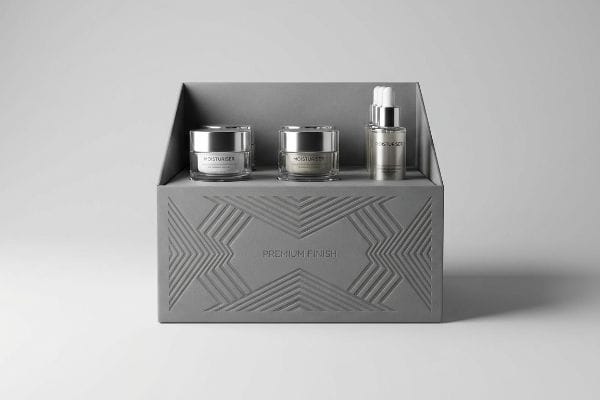
تتساءل العديد من فرق العلامات التجارية عن كيفية جعل صواني عرض منتجات التجميل PDQ ) الخاصة بها مميزة، وغالبًا ما تطلب نقشًا بارزًا ثلاثي الأبعاد ثقيلًا لإضفاء ملمس فاخر7إنهم يتعاملون مع النقش البارز والمنخفض كخيارات جمالية قابلة للتبديل، على افتراض أن أي نسيج بارز سيجذب العملاء دون التأثير على الهيكل المادي.
يؤدي دفع قالب معدني للخارج لإنشاء نقش بارز إلى شد ألياف الورق وترققها بشدة٨.لقد رأيتُ بائعي المتاجر يحاولون وضع مرطبات ثقيلة في هذه الصواني المنقوشة، ليسمعوا صوت تمزق الطبقة العلوية المتهالكة تحت وطأة الوزن. بدلاً من ذلك، أقوم بقلب القالب لتنفيذ نقش غائر للداخل، مما يُكثّف التجاويف الداخلية لتكوين كتلة صلبة دون شد الطبقة الخارجية. هذا يحافظ على سلامة الهيكل وفقًا لاختبار 32ECT (اختبار سحق الحواف) الصارم، مع توفير المظهر الفاخر عالي التباين الذي يتوق إليه المستهلكون، مما يجنبك انهيار الصواني بشكل كارثي في صالة العرض.
| أخطاء شائعة للمبتدئين | الحل الاحترافي | فوائد أرضية البيع بالتجزئة |
|---|---|---|
| نقش ثلاثي الأبعاد خارجي | أدوات النقش الداخلي | يمنع تمزق ألياف الورق10 |
| تجاهل تمدد الألياف | ضغط الأخاديد الداخلية11 | يحافظ على متانة الصينية |
| التضحية بتصنيف ECT | الحفاظ على لوحة 32ECT12 | يتحمل عمليات إعادة التخزين المكثفة |
أحرص دائماً على تشجيع عملائي على استخدام تقنية النقش البارز عند تطبيق التشطيبات الفاخرة على صواني مستحضرات التجميل الثقيلة. فهي تضمن لكِ الحصول على مظهرٍ جذابٍ في متاجر التجزئة دون المساس بالبنية الميكانيكية اللازمة لحمل منتجات التجميل بأمان.
🛠️ مكتب هارفي: هل تُضعف اللمسات النهائية الفاخرة التي تستخدمها قوة ضغط صواني البيع بالتجزئة لديك؟ 👉 احصل على مراجعة هيكلية مجانية ↗ — حمّل الملف بأمان. صندوق رسائلي مفتوح إذا كانت لديك أي أسئلة لاحقًا.
ما مدى أهمية التغليف في تسويق المنتج؟
إن الحملة التسويقية الرائعة لا تعني شيئاً على الإطلاق إذا كان العرض المادي يبدو مهملاً أو تالفاً أو غير منظم تماماً بمجرد وصوله إلى المتجر.
يُعدّ التغليف عنصراً بالغ الأهمية في التسويق، فهو بمثابة نقطة الاتصال المادية الأخيرة التي تُعزز مكانة العلامة التجارية المتميزة. ويتطلب تحويل جهود الإعلان المكلفة إلى مبيعات ملموسة ذات هامش ربح عالٍ مباشرةً عند نقطة البيع، تنفيذاً هيكلياً متقناً، ودقةً في عرض الألوان، وعرضاً أنيقاً في متاجر البيع بالتجزئة.
إن جعل علبة كرتونية قابلة للطي تبدو مثالية على لوحة أفكار التسويق أمر بسيط، ولكن إليك الحقيقة القاسية عندما تقوم بشحن 500 علبة منها معبأة بإحكام معًا.
التحقق من حقيقة "انتفاخ أسطوانة مستحضرات التجميل"
عند تصميم عروض البيع بالتجزئة الثانوية ، عادةً ما يقدم مسوقو مستحضرات التجميل الأبعاد النظرية لطول وعرض وارتفاع علب الماسكارا أو أحمر الشفاه الفارغة. ويفترضون أن هذه العلب الكرتونية الرقيقة القابلة للطي المصنوعة من كبريتات البوتاسيوم والمبيضة الصلبة (SBS) ستبقى مسطحة ومربعة تمامًا، معتمدين كليًا على بيانات التصميم بمساعدة الحاسوب (CAD) لتصميم الصواني الرئيسية.
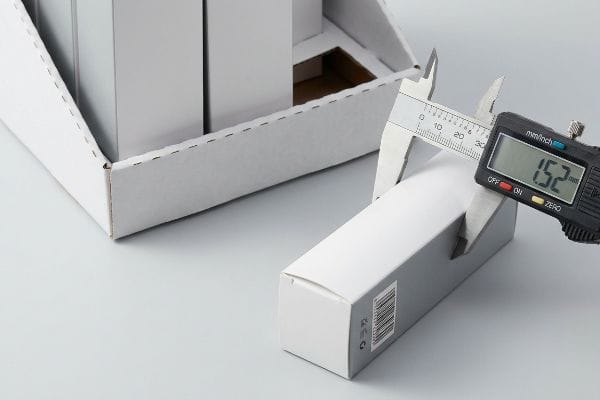
هذا ليس مجرد كلام نظري، بل أراه يحدث فعلاً في بيئة الاختبار عند إدخال أسطوانة بلاستيكية صلبة مستديرة لمستحضرات التجميل في علبة كرتونية رقيقة. تجبر الأسطوانة الألواح الجانبية على الانحناء للخارج بمقدار 1.01 ملم فقط. عند تعبئة 24 علبة من هذه العلب المثالية رياضياً بإحكام في علبة كرتونية، يتسبب هذا الانتفاخ الصغير المتراكم في احتكاك هائل، مما يؤدي إلى انحشار العلب أو خروجها بقوة، مُفسداً بذلك العرض التسويقي الأنيق. لحل هذه المشكلة، أُلزم بقياس العلب المعبأة بالكامل باستخدام مقياس الفرجار، مع مراعاة وجود مسافات دقيقة محددة في الصينية الثانوية. تطبيق هذا التفاوت البالغ 1.52 ملمعملية تعبئة سلسة، مما يقلل وقت تجميع التعبئة المشتركة بنسبة 20%،ويضمن ظهور علامتك التجارية بشكل مثالي أمام المستهلك.
| أخطاء شائعة للمبتدئين | الحل الاحترافي | فوائد أرضية البيع بالتجزئة |
|---|---|---|
| باستخدام حساب المربع الفارغ | صناديق قياس مملوءة | يمنع خروج الكراتين |
| مع تجاهل انتفاخ الأسطوانة | إضافة مسافات دقيقة16 | يحافظ على تنظيم العروض |
| التسامح مع المسافات الصفرية | مصد إزاحة 1.5 مم17 | تسريع عملية إعادة التخزين |
أرفض تصميم عرض مستحضرات التجميل بناءً على أبعاد العلبة الفارغة النظرية. تتصرف المنتجات المادية الحقيقية بشكل غير متوقع، وتوقع هذا الانتفاخ المجهري هو السبيل الوحيد لحماية استثمارك التسويقي على الرفوف.
🛠️ مكتب هارفي: لا تدع عيبًا هيكليًا بحجم 2 مليمتر يُفسد إطلاقًا ضخمًا لـ 500 متجر. 👉 أرسل لي ملف تصميم القالب ↗ — سأُجري اختبارات دقيقة للحسابات قبل أن تُهدر ميزانيتك على الإنتاج الضخم.
خاتمة
يمكنك اختيار مورد أرخص لعلب كرتون قابلة للطي بنسبة 1:1، ولكن عندما يتسبب نقص نظام التعليق الداخلي في تحطم زجاجات الأساس الزجاجية أثناء النقل، سيؤدي ذلك إلى رفض فوري من قبل تجار التجزئة، مما يقضي على هوامش ربحك. يستخدم أكثر من 500 مدير علامة تجارية قائمة التحقق الخاصة بي قبل الطباعة لتجنب هذه الأخطاء القاتلة في المراحل المبكرة. توقف عن التخمين بشأن التفاوتات الهيكلية، ودعني أراجع تصميمك الهندسي شخصيًا من خلال مراجعة القوالب المجانية ↗ لاكتشاف نقاط الاحتكاك الحركي قبل الإنتاج.
"كيفية اختيار الحشوات الداخلية لتغليف مستحضرات التجميل"، https://packccp.com/choose-cosmetic-packaging-inserts/. تحليل فني لمبادئ هندسة التغليف فيما يتعلق بمدى توفير التغليف الثانوي المحكم امتصاصًا كافيًا للصدمات مقارنةً بطرق التعليق أو ملء الفراغات. دور الدليل: التحقق من صحة المفاهيم الخاطئة؛ نوع المصدر: معايير صناعة التغليف. يدعم: فعالية الأغلفة المحكمة في الحماية المادية. ملاحظة النطاق: يركز على العبوات الأولية الهشة. ↩
"زجاج التغليف: من الحاويات إلى تركيب التغليف..."، https://pmc.ncbi.nlm.nih.gov/articles/PMC12897758/. تحليل انتقال الطاقة الحركية في أنظمة التغليف الصلبة للتحقق من فيزياء انتقال الصدمات. دور الدليل: التحقق التقني؛ نوع المصدر: دليل الهندسة الميكانيكية. يدعم: خطر انتقال الصدمات المباشر في الكراتين المتداخلة. ملاحظة النطاق: يركز على التلامس بين المواد الصلبة. ↩
ملخص متطلبات وضع العلامات على مستحضرات التجميل - إدارة الغذاء والدواء الأمريكية (FDA)، https://www.fda.gov/cosmetics/cosmetics-labeling-regulations/summary-cosmetics-labeling-requirements. التحقق من خلوص 0.125 بوصة كمعيار صناعي معترف به لامتصاص الصدمات في عبوات السلع الهشة. دور الدليل: مواصفات صناعية؛ نوع المصدر: معيار هندسة التغليف. يدعم: متطلبات فنية محددة لفراغ التعليق. ملاحظة النطاق: خاص بعبوات مستحضرات التجميل الزجاجية. ↩
دليل أحجام علب تغليف مستحضرات التجميل للعناية بالبشرة و...، https://www.borhenpack.com/cosmetic-packaging-box-size-guide/. المواصفات الفنية المتعلقة بالحد الأدنى للمساحة المطلوبة في التغليف الهش لمنع الكسر الناتج عن الصدمات. دور الدليل: المواصفات الفنية؛ نوع المصدر: دليل هندسة التغليف. يدعم: الحجم الأمثل للفراغ لحماية الزجاج. ملاحظة النطاق: ينطبق على علب مستحضرات التجميل الصغيرة. ↩
"لماذا تستخدم عبوات التعليق لمنتجاتك | مواد ملء الفراغات؟"، https://www.streampeakgroup.com/why-use-suspension-packaging-for-your-products/. مبادئ هندسية تشرح كيف تُنشئ الحشوات الهيكلية المقطوعة بالقالب نظام تعليق لامتصاص الطاقة الحركية أثناء الاصطدام. دور الدليل: شرح الآلية؛ نوع المصدر: دراسة حول التغليف الهيكلي. يدعم: فعالية مواد التعليق في حماية المحتويات. ملاحظة النطاق: التركيز على تصميم الحشوة الداخلية. ↩
"تخطيط الحد من المخاطر لخطوط الأنابيب - PRIMIS | PHMSA"، https://primis.phmsa.dot.gov/stakeholder-comms/pipa/pipa-hazard-mitigation/. شرح علمي لاستخدام الوسائد الهوائية أو مناطق الهواء المحصورة للحد من قوة التسارع أثناء السقوط لمنع تمزق الحاويات. دور الدليل: مبدأ تقني؛ نوع المصدر: مجلة علوم المواد. يدعم: منع الانسكاب عبر هندسة الهواء. ملاحظة النطاق: يتعلق تحديدًا بالحد من مخاطر السقوط. ↩
"تأثير الختم الزخرفي بالرقائق المعدنية على المستهلك..."، https://repository.rit.edu/japr/vol8/iss2/5/. تؤكد الأبحاث الأكاديمية حول الإدراك اللمسي أن الملمس متعدد الأبعاد والتشطيبات بالرقائق المعدنية تزيد من القيمة المتصورة ومكانة الفخامة للسلع الاستهلاكية. دور الدليل: التحقق من صحة المحفز النفسي؛ نوع المصدر: دراسة في علم نفس المستهلك. يدعم: العلاقة بين التشطيبات الملموسة وإدراك الفخامة. ملاحظة: قد تختلف التصورات بناءً على المادة الأساسية. ↩
"تأثير ضغط النقش على الخواص الميكانيكية والمرونة..."، https://pmc.ncbi.nlm.nih.gov/articles/PMC9228970/. شرحٌ علميٌّ لتمدد ألياف السليلوز ميكانيكيًا أثناء عملية النقش. دور الدليل: التحقق العلميّ؛ نوع المصدر: مجلة أكاديمية. يدعم: التدهور البنيويّ الناتج عن النقش الخارجيّ. ملاحظة النطاق: ينطبق على أوزان ورق مختلفة. ↩
"تأثير خطوط الطي التناظرية والرقمية على الخصائص الميكانيكية... - PMC"، https://pmc.ncbi.nlm.nih.gov/articles/PMC9268991/. بيانات فنية حول معايير اختبار مقاومة السحق للحواف (ECT) لتغليف الكرتون المموج، وكيف يؤثر النقش الغائر على قوة الضغط. دور الدليل: التحقق الفني؛ نوع المصدر: معيار هندسة التغليف. يدعم: الادعاء بأن النقش الغائر الداخلي يحافظ على قدرة تحمل الأحمال. ملاحظة النطاق: خاص بالكرتون المموج. ↩
"نمذجة العناصر المحدودة لنقش أوراق الورق"، https://bioresources.cnr.ncsu.edu/wp-content/uploads/2020/03/1993.2.1073.pdf. شرح تقني لكيفية تقليل النقش الداخلي للإجهاد الشدّي على ألياف الورق مقارنةً بالنقش البارز لمنع تلف المادة. دور الدليل: التحقق التقني؛ نوع المصدر: مجلة علوم المواد. يدعم: ميزة أدوات النقش الداخلي على النقش البارز. ملاحظة النطاق: ينطبق تحديدًا على الركائز الليفية. ↩
"دراسة تأثير الثقوب على قدرة تحمل الأحمال..."، https://pmc.ncbi.nlm.nih.gov/articles/PMC11396172/. بيانات هندسية توضح بالتفصيل كيف يؤثر ضغط التموجات الكرتونية على قدرة تحمل الأحمال الرأسية وصلابة صواني التغليف. دور الدليل: التحقق الفني؛ نوع المصدر: دليل هندسة التغليف. يدعم: طريقة الحفاظ على قوة الصينية. ملاحظة: قد تختلف التأثيرات بناءً على حجم التموج (مثلًا، التموج B مقابل التموج E). ↩
تصنيفات اختبار مقاومة السحق للحواف (ECT) للكرتون المموج: شرح مقارنة بين 32 و44 (2026)، https://www.cubitpackaging.com/blog/corrugated-box-ect-ratings-guide. تُعرّف معايير الصناعة تصنيف اختبار مقاومة السحق للحواف (ECT) البالغ 32، وعلاقته بقوة الضغط ومتانة التكديس في بيئات البيع بالتجزئة. دور الدليل: المواصفات الفنية؛ نوع المصدر: معيار ASTM الدولي. يدعم: الادعاء بأن الكرتون ذو تصنيف 32ECT يتحمل إعادة التخزين المكثفة. ملاحظة: يعتمد الأداء على الرطوبة وأنماط التكديس. ↩
"كرتون مقوى مطلي وغير مطلي لتغليف المنتجات الفاخرة"، https://www.storaenso.com/en/products/paperboard-materials/folding-cartons/carton-boards-for-luxury-packaging. تؤكد مواصفات التغليف الصناعية أو دليل المواد أن مادة SBS هي الركيزة القياسية لعلب الكرتون القابلة للطي لمستحضرات التجميل الراقية، وذلك بفضل طلاءها وقابليتها للطباعة. دور الدليل: التحقق الفني؛ نوع المصدر: مواصفات صناعية؛ يدعم: الاختيار الفني للمادة المستخدمة في تغليف منتجات التجميل. ملاحظة النطاق: التركيز على خصائص مادة SBS. ↩
"تغليف من الورق المقوى المموج بتصميم مبتكر لتحسين المتانة..."، https://bioresources.cnr.ncsu.edu/resources/corrugated-board-packaging-with-innovative-design-for-enhanced-durability-during-transport/. دليل فني أو هندسي يحدد الخلوصات المطلوبة لمنع التقوس الهيكلي في التغليف الثانوي. دور الدليل: معيار فني؛ نوع المصدر: دليل هندسة التغليف. يدعم: صحة قياس الإزاحة المحدد. ملاحظة النطاق: خاص بمجموعات البلاستيك الصلب والورق المقوى. ↩
"مرونة سلسلة التوريد 2026: هندسة ذكية للتغليف"، https://korpack.com/the-2026-efficiency-pivot-moving-from-volume-to-value/?srsltid=AfmBOoqc-lpbZpm3IbY3D0ZZPVXoJ1__SazMTp156I4jv1xK_FWRXvH9. دراسة صناعية تُحدد كميًا مقدار انخفاض وقت العمل أو وقت تشغيل الآلات عند تحسين ملاءمة التغليف وتقليل الاحتكاك. دور الدليل: التحقق الكمي؛ نوع المصدر: تقرير هندسة صناعية. يدعم: ادعاء زيادة الكفاءة. ملاحظة النطاق: تختلف النتائج بناءً على مستوى أتمتة التجميع. ↩
"هل تدعم علب عرض مستحضرات التجميل الحملات الترويجية؟"، https://popdisplay.me/do-cosmetic-display-packaging-boxes-support-promotional-campaigns/. إرشادات فنية حول مراعاة التمدد المادي للعبوات الأسطوانية لضمان ملاءمتها في عروض البيع بالتجزئة. دور الدليل: مبدأ هندسي؛ نوع المصدر: دليل تصميم التغليف. يدعم: ضرورة وجود مسافات فاصلة للحد من انتفاخ الأسطوانة. ملاحظة النطاق: ينطبق تحديدًا على التغليف ذي الأسطح المنحنية. ↩
"تقدير قوة الضغط للكرتون المموج..."، https://pmc.ncbi.nlm.nih.gov/articles/PMC8467740/. معايير الصناعة لتفاوتات التباعد في عبوات البيع بالتجزئة لتسهيل كفاءة إعادة التخزين ومنع الاحتكاك. دور الدليل: المواصفات الفنية؛ نوع المصدر: دليل صناعة التغليف. يدعم: استخدام إزاحة رقمية محددة لإعادة التخزين. ملاحظة النطاق: قد يختلف المعيار بناءً على مرونة المادة ووزن المنتج. ↩