لقد أمضيت شهورًا في تطوير منتجك، لكن وضعه في علبة عادية لن يضمن لك مساحة في متاجر التجزئة. يتطلب تصميم علبة ناجحة إتقانًا لعلم هندسة الهياكل وعلم نفس المتسوقين.
يتطلب تصميم عرض المنتجات في منطقة العرض (PDQ) تحقيق توازن بين التأثير البصري والمتانة الهيكلية. يجمع عرض المنتجات في منطقة العرض (PDQ) بين سهولة التركيب في متاجر البيع بالتجزئة، ورؤية المنتجات بنسبة 85%، وهيكل من الورق المقوى المتين. يضمن إتقان هذه العناصر التزام تجار التجزئة الصارم بالمعايير، مع زيادة عمليات الشراء العفوية عند نقاط الدفع.
لكن سد الفجوة بين نموذج رقمي جميل وصينية مادية تصمد في أرضية البيع بالتجزئة يتطلب أكثر من مجرد التخمين الأساسي.
ما هو تنسيق PDQ؟
يُعدّ نظام PDQ أداةً أساسيةً وسريعةً في قطاع التجزئة. صُممت هذه الوحدات لنقل البضائع من الكرتون مباشرةً إلى الرف، وهي تُعطي الأولوية للسرعة والبساطة في عمليات المتجر.
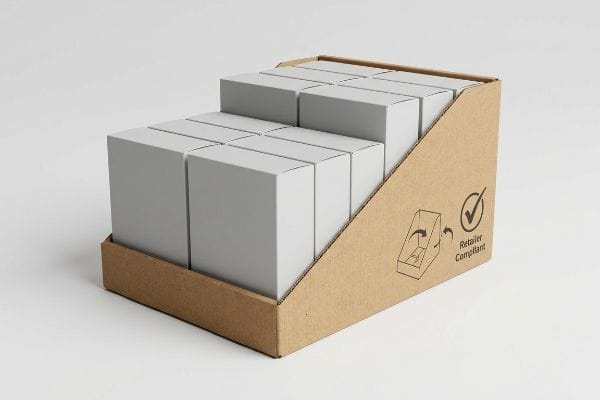
يُعدّ نظام PDQ حلاً جاهزاً للتغليف في متاجر البيع بالتجزئة، مصمماً لوضع المنتجات على الرفوف فوراً. يستخدم هذا النظام صواني كرتونية مموجة مطوية مسبقاً، مما يسمح لموظفي المتاجر بنقل البضائع بسلاسة من الكرتون الرئيسي في المخزن مباشرةً إلى صالة البيع دون الحاجة إلى تفريغ كل قطعة على حدة.
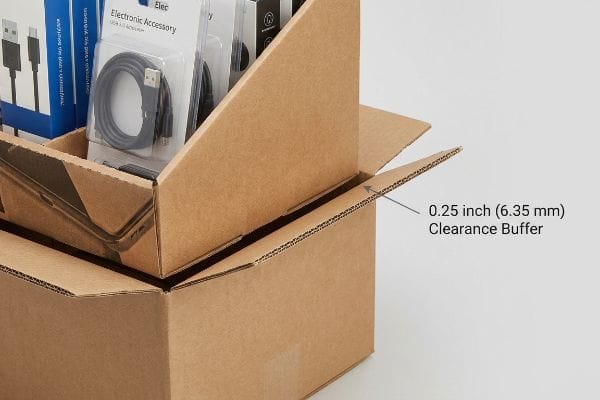
على الرغم من أن المفهوم يبدو بسيطاً للغاية، إلا أن جعل هذه الصواني المدمجة تعمل بسلاسة في بيئة سريعة الخطى يتطلب اهتماماً دقيقاً بالتفاصيل الهيكلية.
فخ التخليص المتداخل بتنسيق PDQ
كثيراً ما تصمم فرق العلامات التجارية صناديق الشحن الرئيسية لتتوافق تماماً مع الأبعاد الخارجية لعلب البيع بالتجزئة المعبأة مسبقاً، ظناً منها أن التغليف المحكم يوفر أقصى حماية أثناء النقل. ويتعاملون مع عبوات الكرتون المموج كما لو كانت صندوقاً رقمياً محكم الإغلاق. والهدف هو زيادة كثافة الشحن لتوفير تكاليف الشحن البحري.ومع ذلك، فإنهم يغفلون عن مراعاة الخصائص الفيزيائية لمواد الورق الخام عندضغطها.
أعلم أنك تنظر إلى هذا الهيكل الكرتوني وأنت تشعر بالحيرة، لأن 80% من عملائي يرتكبون هذا الخطأ تحديدًا في ترتيب العبوات. فعندما يحاول بائع متجر مستعجل سحب صينية مقاس 12 بوصة (304.8 مم) موضوعة بإحكام داخل صندوق شحن بنفس المقاس، تتشابك الجدران المموجة المسامية معًا بشكل محكم .
الكاشط للورقة الداخلية الخام مقاومة هائلة4.لقد شاهدت البائعين وهم يسحبون اللوحة الأمامية بقوة، ويسمعون صوت التمزق المزعج للحافة المطبوعة قبل أن تصل الوحدة إلى الممر.
لحل هذه المشكلة، قمنا بتصميم هامش أمان محيطي أدنى بمقدار 0.25 بوصة (6.35 مم)داخل التجويف الداخلي للكرتون الرئيسي. هذا يكسر قفل الاحتكاك، مما يوفر وقت الموظف ويحافظ على سلامة هيكل العرض.
| أخطاء شائعة للمبتدئين | الحل الاحترافي | فوائد أرضية البيع بالتجزئة |
|---|---|---|
| تحديد حجم الشاحن المتداخل بنسبة 1:1 | إزاحة 0.25 بوصة (6.35 مم)6 | يمنع تمزق الشفاه |
| مع إهمال الاحتكاك السطحي | طلاء لامع على الجدران الخارجية7 | فتح سلس وفوري للعلبة |
| علب كرتون رئيسية ملصقة | ثقوب قابلة للتمزيق في غلاف الشحن | يوفر 25 ثانية من التجميع لكل وحدة8 |
أرفض السماح لخطأ بسيط في المقاسات بإفساد إطلاق منتج. إن مراعاة هامش الخطأ في المقاسات يضمن وصول منتجك إلى رفوف المتاجر بمظهر مثالي، مما يحمي قيمة علامتك التجارية ويجنبك تكاليف إعادة العمل اليدوي الباهظة في المستودع.
🛠️ مكتب هارفي: هل أنت غير متأكد من إمكانية تثبيت صينية الطعام داخل غلافها أثناء فك التغليف؟ 👉 احصل على تقييم مجاني لترتيب التخزين ↗ — تواصل مباشر مع مكتبي. أعدك بعدم تلقي أي رسائل تسويقية آلية مزعجة.
ما هو عرض PDQ في قطاع التجزئة؟
في بيئة البيع بالتجزئة الحية، لا يُعدّ العرض مجرد حامل مادي؛ بل هو بائع صامت. يجب أن يقاطع روتين المتسوق ويجذب انتباهه على الفور.
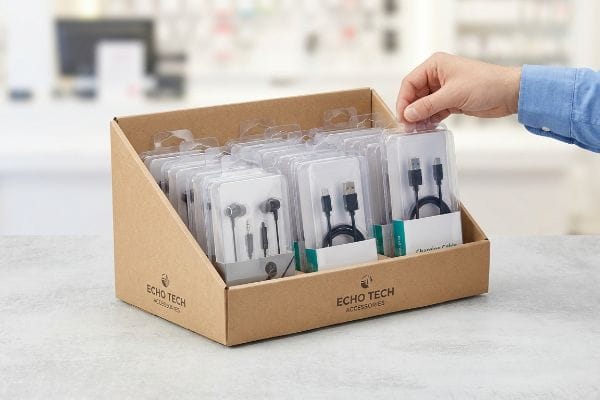
تُستخدم شاشات العرض السريعة في متاجر البيع بالتجزئة كعناصر ترويجية سريعة الحركة، وتُوضع تحديدًا في المناطق ذات الحركة الكثيفة مثل مناطق الدفع. وتستفيد هذه الوحدات من عناوين بارزة مقطوعة بشكل واضح وهياكل صواني يسهل الوصول إليها لتحفيز عمليات الشراء العفوية، مع الالتزام في الوقت نفسه بلوائح الحجم والسلامة الصارمة المتبعة في المتاجر الكبيرة.
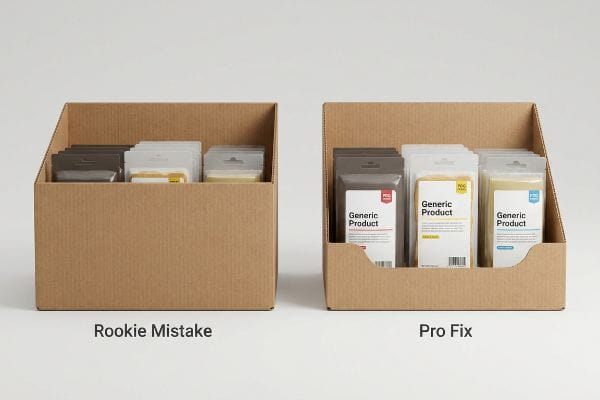
إن فهم دورها أمر بسيط، لكن هندسة الآليات الأمامية لإرضاء كل من بائع التجزئة والمتسوق هو عملية توازن دقيقة.
أزمة وضوح الشفاه
تسعى العديد من العلامات التجارية الحديثة إلى تعزيز سلامة هيكل منصات عرض منتجاتها، لذا فهي تطلب حافة أمامية مرتفعة لتثبيت منتجاتها الثقيلة بإحكام. وتفترض هذه العلامات أن تغليف البضائع بإحكام يمنع انقلابها وتلفها أثناء تفاعل المتسوقين معها. مع أن هذا يبدو منطقيًا على شاشة التصميم بمساعدة الحاسوب، إلا أنه يُخلّ مباشرةً بالوظيفة الأساسية لصينية العرض .
من الأخطاء الشائعة التي تقع فيها حتى فرق المشتريات ذات الخبرة تصميم واجهة أمامية تُشبه جدارًا صلبًا. فعندما يقترب المتسوقون من صندوق الدفع، لا يملكون سوى ثلاث ثوانٍ للتعرف على علامتك التجارية،وإذا كانت العلامة الرئيسية مخفية خلف لوحة بنية طويلة، فإنهم ببساطة يمرون دون أن يلاحظوا.
لقد تجولت في ممرات المتاجر وشعرت بالإحباط الشديد من سحب المنتجات لمجرد قراءة الملصق. لهذا السبب أطبق قاعدة "المنتج أولاً" بصرامة في المصنع.
نشترط أن يكون الجزء الأمامي المثبت منخفضًا بما يكفي لضمان رؤية 85% على الأقل من عبوتك الأساسية11.هذا القطع البسيط يؤدي إلى التعرف البصري الفوري دون التضحية بثبات القاعدة.
| أخطاء شائعة للمبتدئين | الحل الاحترافي | فوائد أرضية البيع بالتجزئة |
|---|---|---|
| جدران استنادية عالية ومسطحة | قاعدة رؤية المنتج بنسبة 85%12 | التعرف على النبضات السريعة |
| إخفاء ملصقات المنتج الأساسية | شفة أمامية مقطوعة بشكل محدد | التواصل السلس للعلامة التجارية |
| قواعد منخفضة وهشة | تقوية الجدار الأمامي المزدوج13 | يمنع المنتجات من الانقلاب |
أقول دائمًا لمديري العلامات التجارية إن العلبة الآمنة عديمة الفائدة إذا كانت تخفي الشعار. إن تقليص حافتها يزيد من جاذبيتها البصرية، ويحولها من حامل هيكلي بسيط إلى أداة تسويقية فعّالة للغاية.
🛠️ مكتب هارفي: هل تخفي علامتك التجارية الرئيسية عن غير قصد خلف جدار من الصفيح المموج؟ 👉 اطلب مراجعة ظهور علامتك التجارية ↗ — حمّل الملف بأمان. صندوق رسائلي مفتوح إذا كانت لديك أي أسئلة لاحقًا.
ما هو مثال على شاشة عرض نقاط البيع؟
تتراوح وحدات نقاط البيع من هياكل ضخمة مصنوعة من منصات نقالة إلى صواني تسجيل صغيرة. وتُعدّ شاشات العرض على أسطح الطاولات هي الأكثر شيوعاً، حيث تستغل اللحظة التي يُخرج فيها المتسوق محفظته.
من أمثلة عروض نقاط البيع وحدة عرض من الورق المقوى المموج توضع مباشرة بجانب صندوق الدفع. عادةً ما تحتوي هذه الوحدات التجارية الصغيرة على سلع استهلاكية سريعة التداول صغيرة الحجم ومنخفضة السعر، مثل مرطب الشفاه، وتستخدم رفوفًا متدرجة لزيادة كثافة المنتجات إلى أقصى حد ضمن مساحة صغيرة.
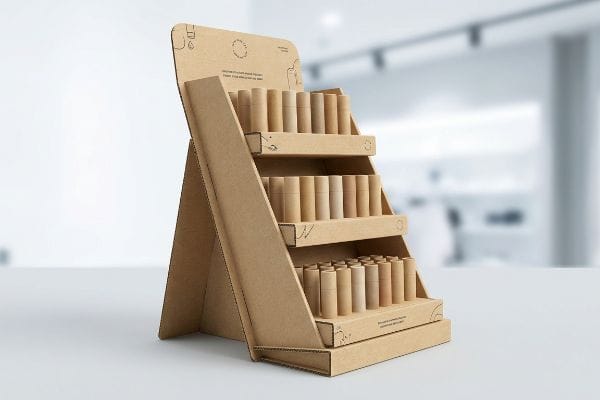
يبدو إنشاء هذه الوحدات عالية التأثير وكأنه مهمة تصميم جرافيكي، لكن الفيزياء الهيكلية التي تدخل في الحفاظ عليها منتصبة لا ترحم.
فشل الفيزياء عند نقطة التحول
عند تصميم منصة عرض ترويجية، غالبًا ما تسعى العلامات التجارية إلى تصميم ذي عمق ضئيل جدًا لتوفير مساحة قيّمة عند نقاط البيع.يرغبون في لوحة خلفية عالية وبارزة لعرض أعمالهم الترويجية، مع قاعدة رفيعة للغاية. ويفترضون أنه طالما أن المنتجات خفيفة الوزن، فإن الوحدة ستستقر بشكل طبيعي على سطح الطاولة الزجاجي.
أرى هذا الخطأ باستمرار: محاولة وضع شاشة عرض بارتفاع 24 بوصة (609.6 مم) على قاعدة بعمق 4 بوصات (101.6 مم)15.إنها تعمل كشراع في مهب الريح16.
بمجرد أن يصطدم أحد الزبائن بالمنضدة أو يمرّ أحد البائعين بجانبها، يندفع الجهاز بأكمله للأمام فجأة، متسبباً في تناثر المنتجات في كل مكان. لقد سمعتُ صوت ارتطام خمسين مرطب شفاه بالأرضية المبلطة، بسبب تجاهل مركز الثقل تماماً .
ولمواجهة ذلك، أقوم دائمًا بدمج مسند خلفي ممتد أو قاعدة وهمية مثبتة18.هذا المرساة الهيكلية البسيطة على إعادة توزيع الوزن للخلف، مما يضمن ثباتًا مطلقًا19 حتى عندما تكون الصفوف الأمامية فارغة.
| أخطاء شائعة للمبتدئين | الحل الاحترافي | فوائد أرضية البيع بالتجزئة |
|---|---|---|
| قاعدة ضحلة على وحدات طويلة | حامل خلفي مموج ممتد20 | يمنع انقلاب الوحدة بالكامل |
| تحميل البضائع الثقيلة من الأعلى | مرساة قاع زائفة مُقفلة21 | يحافظ على الشاشة في وضع مستقيم عندما تكون فارغة |
| الاعتماد على الاحتكاك وحده | نسبة القاعدة إلى الارتفاع 2:322 | يضمن تثبيته على الزجاج الأملس |
أصمم منتجاتي لتناسب الواقع الفوضوي لصفوف الدفع المزدحمة. يضمن تصميم حامل خلفي ممتد بقاء عرضك منتصبًا، مما يحمي استثمارك من أن يصبح فوضى خطرة.
🛠️ مكتب هارفي: هل يُشكل حامل النقود الطويل لديك خطر انقلاب محتمل؟ 👉 اطلب فحصًا للثبات ↗ — لا توجد استمارات تُؤدي إلى مكالمات مبيعات لا تنتهي. قيمة حقيقية فقط.
كيفية عرض المنتجات في متاجر البيع بالتجزئة؟
لا يقتصر عرض المنتجات بنجاح على الألوان الجريئة فحسب، بل يتعلق أيضاً بالهندسة المكانية الاستراتيجية. فكيفية ترتيب كل قطعة على حدة تؤثر بشكل كبير على جاذبيتها البصرية وعلى سير العمليات اليومية.
يتطلب عرض المنتجات في متاجر البيع بالتجزئة استخدام تصميمات عرض غير متماثلة وفواصل معيارية. فبدلاً من تكديس المنتجات في شبكات متماثلة تمامًا، يخلق استخدام المسافات المنظمة توترًا بصريًا نفسيًا يجذب انتباه المتسوقين، مع توفير المساحة المادية اللازمة لإعادة التخزين اليومية بسهولة.
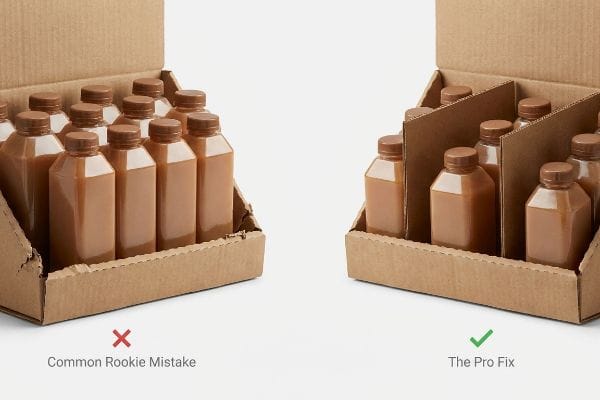
لكن معرفة النظرية لا تكفي عندما تبدأ الآلات بالعمل ويقوم الموظفون بدفع البضائع الثقيلة إلى فتحات كرتونية ضيقة.
التحقق من واقع التصميم المتناظر
كثيراً ما يحاول المصممون المبتدئون ترتيب المنتجات بشكل متناسق ومتساوٍ تماماً على رف عرض واحد. وينطلقون من افتراض أن زيادة كثافة المنتجات تؤدي بطبيعة الحال إلى زيادة المبيعات لكل قدم مربع.وفي برامجهم الرقمية، يبدو وضع خمسين زجاجة مربعة في صندوق مربع مستوٍ تماماً أمراً فعالاً للغاية واقتصادياً.
في منشأتي، أرى باستمرار الآثار الكارثية المترتبة على نظرية التناظر المكتظة هذه. من السهل تثبيت شاشة عرض واحدة في المختبر، لكن هذه هي الحقيقة المُرّة عند شحن 500 شاشة إلى متجر تجزئة كبير. عندما تُعبأ المنتجات بشكل متراص دون أي مساحة فارغة، تصبح إعادة التخزين كابوسًاعلى مدار الساعة.
لقد شاهدتُ البائعين وهم يكافحون بشدة لإدخال زجاجة بلاستيكية صلبة في فتحة ضيقة مموجة، مما أدى إلى صوت تمزق عالٍ للورقة الداخلية. تمزقت الحافة الداخلية، مما أدى إلى تدمير سلامة الزجاجة تمامًاوتشويه مظهرها الفاخر.
قمتُ بقياسات الميكرومتر وأثبتُّ أننا لسنا بحاجة لإعادة بناء الوحدة بأكملها، بل نحتاج فقط إلى إزاحة استراتيجية بمقدار 6.35 ملم (0.25 بوصة). بتطبيق قاعدة "3-5-7"، أُضيف فواصل معيارية تُجمّع المنتجات بشكل غير متماثل. هذه المساحة المدمجة تُزيل تمامًا تمزّق الورق المقوى أثناء إعادة التخزين المكثفة في المتجر ، مما يُوفّر على العملاء آلاف الدولارات من تكاليف العروض المرفوضة والتالفة.
| أخطاء شائعة للمبتدئين | الحل الاحترافي | فوائد أرضية البيع بالتجزئة |
|---|---|---|
| تعبئة متناظرة ومتساطحة | التخطيط غير المتماثل 3-5-727 | يخلق توتراً بصرياً نفسياً28 |
| تصفية بدون إعادة تخزين | فجوات 0.25 بوصة (6.35 مم)29 | يمنع تمزق الكرتون المموج الخام |
| البضائع العائمة | فواصل معيارية ملصقة مسبقًا | يحافظ على المنتجات في وضع مثالي |
أفرض مسافة فاصلة إلزامية بين الرفوف لأن الرف المكتظ يصبح غير صالح للاستخدام. تصميم الرفوف بما يتناسب مع حركة إعادة تعبئة البضائع الفعلية للبائع يطيل عمر العرض ويقلل بشكل كبير من تكاليف الاستبدال.
🛠️ مكتب هارفي: هل تُهيئك شبكات منتجاتك المُحكمة تمامًا لعروض ممزقة دون أن تشعر؟ 👉 أرسل لي ملف تصميم القالب الخاص بك ↗ — سأختبر الحسابات بدقة قبل أن تُهدر ميزانيتك على الإنتاج الضخم.
خاتمة
يمكنك السعي وراء عروض أسعار التصنيع الرخيصة، ولكن عندما يتعطل ذلك الدرج المحكم ويتمزق أثناء فتحه على عجل، سيؤدي ذلك إلى رفض فوري من قِبل بائع التجزئة، ويقضي تمامًا على هامش ربح حملتك. يستخدم أكثر من 500 مدير علامة تجارية قائمة التحقق الخاصة بي قبل الطباعة لتجنب هذه الأخطاء القاتلة في المراحل المبكرة. توقف عن المقامرة بالتخمينات الهيكلية، ودعني أراجع شخصيًا إعداداتك من خلال خدمة التدقيق المجاني قبل الطباعة ↗ لاكتشاف نقاط الضعف الخفية هذه قبل الطباعة.
"تأثير جائحة كوفيد-19 على نقل البضائع..."، https://www.usitc.gov/research_and_analysis/tradeshifts/2020/special_topic.html. شرح للعلاقة اللوجستية بين الكفاءة الحجمية ونماذج تسعير الشحن البحري. دور الدليل: مبدأ اقتصادي؛ نوع المصدر: دليل صناعة الخدمات اللوجستية. يدعم: الأساس المنطقي لتقليل المساحة الفارغة في الكراتين الرئيسية. ملاحظة النطاق: معايير الشحن البحري العامة. ↩
"قوة الضغط لعبوات الورق المقوى المموج مع..."، https://pmc.ncbi.nlm.nih.gov/articles/PMC10054506/. تحليل فني لكيفية تعرض الورق المقوى المموج للتشوه الهيكلي والتمدد الجانبي تحت الضغط الرأسي. دور الدليل: مواصفات فنية؛ نوع المصدر: دراسة في علم المواد. يدعم: لماذا تؤدي العبوات ذات المقاسات الدقيقة إلى فشل هيكلي. ملاحظة النطاق: يتناول هذا البحث الورق المقوى المموج تحديدًا. ↩
[ملف PDF] مواصفات الكرتون المموج - رابطة صناديق الألياف، https://www.fibrebox.org/assets/2025/09/Walmart_Corrugated-Board_Specifications_Automation_Packaging_Standards.pdf. شرح فني لكيفية تسبب عدم كفاية الخلوص في المواد المموجة في حدوث تشابك نتيجة الاحتكاك ومسامية المادة. دور الدليل: التحقق الفني؛ نوع المصدر: دليل هندسة التغليف. يدعم: الآلية الفيزيائية لأخطاء التداخل في حاويات الشحن PDQ. ملاحظة النطاق: ينطبق تحديدًا على تفاوتات ألواح الألياف المموجة. ↩
"أسئلة وأجوبة حول اختبار مواد التغليف - روبوينت أمريكا"، https://www.rhopointamericas.com/faqs/packaging-material-testing/?srsltid=AfmBOoryuZZ2D_vva89pJjctwBuWABz1InUb-W-lO46z9L2iySF5uHlv. يمكن للمواصفات الفنية لمواد ورق التغليف الداخلي تأكيد معاملات الاحتكاك للورق الخام المستخدم في الاختبار مقارنةً بالبدائل المطلية. دور الدليل: التحقق الفني؛ نوع المصدر: دليل هندسة التغليف. يدعم: الادعاء بأن احتكاك المادة الخام يعيق سهولة التجميع. ملاحظة: تختلف مستويات الاحتكاك باختلاف درجة ورق التغليف الداخلي المستخدم في الاختبار. ↩
"فهم تغليف PDQ في قطاع التجزئة - لينكدإن"، https://www.linkedin.com/pulse/understanding-pdq-packaging-retail-moss-tvthc. التحقق الفني من فجوة التخليص القياسية المطلوبة في علب الكرتون الرئيسية المموجة لمنع انحشار الاحتكاك وضمان سهولة إخراجها لتغليف المنتجات الجاهزة للبيع بالتجزئة. دور الدليل: المواصفات الفنية؛ نوع المصدر: دليل هندسة التغليف. يدعم: معيار التخليص الأدنى 0.25 بوصة. ملاحظة النطاق: قد يختلف حسب نوع المادة وأبعاد الكرتون. ↩
"خصائص خطوات التغليف المتداخلة - مساعدة لنشر PDQ"، https://docs.pdq.com/current-version/Deploy/index.html?nested-package-step.htm. التحقق من التفاوتات القياسية في الصناعة لخلوص حاويات الشحن المتداخلة لمنع التلف الهيكلي أثناء الاستخراج. دور الدليل: المواصفات الفنية؛ نوع المصدر: دليل هندسة التغليف. يدعم: الإزاحة المحددة المطلوبة لحزم PDQ المتداخلة. ملاحظة النطاق: قد تختلف الأبعاد الفعلية بناءً على سُمك التموجات الكرتونية. ↩
اطلب صناديق PDQ مخصصة - شحن مجاني متاح، https://thecustomizeboxes.com/custom-pdq-boxes. شرح فني لكيفية تقليل الطلاءات اللامعة المائية أو المعالجة بالأشعة فوق البنفسجية لمعامل الاحتكاك بين الجدران المموجة المتداخلة. دور الدليل: خاصية المادة؛ نوع المصدر: مواصفات الطلاء الصناعي. يدعم: استخدام الطلاءات اللامعة لضمان سهولة فتح الصندوق. ملاحظة النطاق: خاص بالركائز الكرتونية. ↩
"صناديق عرض قابلة للتمزيق: مصممة لتركيب سريع على الرفوف - Print247"، https://print247.us/knowledge/folding-cartons/tear-away-display-boxes-designed-for-fast-shelf-setup?srsltid=AfmBOorMDpmKpSgkSsVfbl29XMq6dlIJjEQC1vf-4dROeiKxSkymwPXT. بيانات تجريبية تُحدد كميًا انخفاض وقت العمل عند الانتقال من الكراتين الرئيسية المُلصقة إلى التصاميم المثقبة القابلة للتمزيق. دور الدليل: مقياس أداء؛ نوع المصدر: دراسة كفاءة تشغيلية. يدعم: ادعاءات توفير الوقت في تجميع المنتجات في متاجر البيع بالتجزئة. ملاحظة النطاق: تقديرات مبنية على متوسط سرعات مناولة موظفي البيع بالتجزئة. ↩
"نقطة الشراء: كيف يمكن لتجار التجزئة التأثير على المتسوقين في..."، https://blog.intouch.com/posts/points-of-purchase-displays. يدعم دليل تصميم متاجر التجزئة الموثوق أو دراسة في علم نفس المستهلك كيف أن عوائق خط الرؤية والحواجز المادية تقلل من معدل تحويل عمليات الشراء الاندفاعية. دور الدليل: التحقق التقني؛ نوع المصدر: دليل أفضل الممارسات في الصناعة. يدعم: الادعاء بأن ارتفاع حافة العرض المفرط يعيق الهدف الأساسي لعرض المنتجات الاندفاعية. ملاحظة النطاق: خاص بعروض نقاط البيع (POP). ↩
"استكشاف سلوك التصفح ومستوى انتباه المتسوقين باستخدام..."، https://pmc.ncbi.nlm.nih.gov/articles/PMC6895988/. دراسة صناعية أو مصدر في علم نفس البيع بالتجزئة يؤكد متوسط الوقت الذي يقضيه المستهلك في تقييم علامة تجارية عند نقطة البيع. دور الدليل: التحقق من الحقائق؛ نوع المصدر: تقرير بحث سوقي. يدعم: الادعاء المتعلق بمحدودية فترات انتباه المتسوقين. ملاحظة: قد يختلف التوقيت حسب فئة المنتج. ↩
"كيف تُعزز عبوات PDQ مبيعات التجزئة وظهور العلامة التجارية؟"، https://innorhino.com/blog/about-business/pdq-packaging-retail-sales?srsltid=AfmBOoqVqhsBzA4WHojPxHF71KDzcPOj2GJKeH_DlVZQFB8AWrMEJuUW. تُؤكد معايير التصميم الصناعية أو أبحاث علم نفس المستهلك الحد الأدنى المطلوب من الوضوح لضمان التعرف الفعال على المنتج في عروض البيع بالتجزئة. دور الدليل: المواصفات الفنية؛ نوع المصدر: دليل صناعي. يدعم: مقياس الوضوح بنسبة 85%. ملاحظة النطاق: ينطبق على هياكل عبوات PDQ في متاجر التجزئة. ↩
"شاشات عرض PDQ من الكرتون المموج مصممة لتركيب سريع وتأثير قوي في متاجر التجزئة"، https://www.abbottaction.com/packaging/corrugated-pdq-displays/. التحقق من النسبة المئوية المطلوبة في كل قطاع لتحقيق رؤية مثالية للمنتجات في شاشات عرض PDQ في متاجر التجزئة. دور الدليل: التحقق الفني؛ نوع المصدر: معيار تصميم متاجر التجزئة. يدعم: فعالية معيار الرؤية بنسبة 85%. ملاحظة: قد يختلف نطاق التطبيق باختلاف قطاعات التجزئة. ↩
"14 نوعًا من عروض البيع بالتجزئة | شيكاغو، إلينوي"، https://wertheimerbox.com/types-of-retail-displays/. شرح فني لكيفية زيادة المواد المموجة ذات الجدار المزدوج للصلابة الهيكلية ومنعها من الانقلاب. دور الدليل: المواصفات الفنية؛ نوع المصدر: دليل هندسة التغليف. يدعم: الادعاء بأن التعزيز ذو الجدار المزدوج يمنع المنتجات من الانقلاب. ملاحظة النطاق: خاص بمواد الألواح الليفية المموجة. ↩
"دليل إنشاء شاشات عرض نقاط البيع: من الفكرة إلى التنفيذ"، https://brownpackaging.com/guide-to-creating-pop-displays-from-concept-to-completion/. تُفصّل أدلة عرض المنتجات في متاجر التجزئة وتحسين استخدام المساحات قيود منطقة نقاط البيع ومتطلبات التصميم الناتجة عنها للحصول على مساحات صغيرة الحجم للحفاظ على كفاءة عملية الدفع. دور الدليل: معلومة سياقية؛ نوع المصدر: دليل تصميم متاجر التجزئة. يدعم: ضغط التصميم في هذا القطاع لوحدات عرض نقاط البيع الضحلة. ملاحظة النطاق: خاص ببيئات الدفع ذات الحركة المرورية العالية. ↩
نسبة الارتفاع إلى عرض القاعدة للسقالات المتحركة مع/بدون دعامات خارجية.، http://www.osha.gov/laws-regs/standardinterpretations/2004-03-10-0. شرح موجز لمركز الثقل والحد الأدنى لنسبة القاعدة إلى الارتفاع المطلوبة لتحقيق الاستقرار في منصات العرض الكرتونية القائمة بذاتها. دور الدليل: التحقق الفني؛ نوع المصدر: دليل إرشادي للهندسة الإنشائية. يدعم: الادعاء بأن قاعدة بعرض 4 بوصات غير كافية لعرض طويل. ملاحظة النطاق: ينطبق على منصات عرض السلع الاستهلاكية سريعة التداول خفيفة الوزن. ↩
[ملف PDF] تأثيرات أحمال الرياح على اللافتات ووحدات الإضاءة وهياكل إشارات المرور، https://www.depts.ttu.edu/techmrtweb/documents/reports/complete_reports/1303-1F-TechMRT.pdf. شرح موجز لكيفية تسبب مساحة السطح وضغط الرياح في عزم انقلاب على الهياكل ذات القاعدة الضيقة. دور الدليل: شرح فيزيائي؛ نوع المصدر: مرجع في الديناميكا الهوائية. يدعمه: تشبيه "الشراع" الذي يصف عدم استقرار الهيكل. ملاحظة النطاق: ذو صلة بالعروض في بيئات البيع بالتجزئة المعرضة للتيارات الهوائية. ↩
«الاستقرار ومركز الثقل - الفيزياء | IGCSE...»، https://www.youtube.com/watch?v=eVrNvs2TVis&vl=en. مصدر موثوق في التصميم الإنشائي أو الفيزياء يشرح كيف يؤثر مركز الثقل وعرض القاعدة على نقطة انقلاب منصات العرض القائمة بذاتها. دور الدليل: التحقق الفني؛ نوع المصدر: دليل هندسي أو كتاب فيزياء. يدعم: العلاقة بين مركز الثقل والاستقرار الإنشائي. ملاحظة النطاق: تطبيق مبدأ فيزيائي عام على تجهيزات متاجر البيع بالتجزئة. ↩
"صندوق عرض نقاط البيع بقاعدة أوتوماتيكية - عروض بيع بالتجزئة مخصصة | Print247"، https://print247.us/pop-display-box-auto-bottom?srsltid=AfmBOoqPGlVJr0n7I534OaWC5MeeFMrE2Gqh6SQJO-yllgp0o09Amoej. يُفصّل دليل تصميم صناعي لتغليف منتجات البيع بالتجزئة هذه المكونات كطرق قياسية لمنع الانقلاب. دور الدليل: مواصفات فنية؛ نوع المصدر: دليل صناعي. يدعم: استخدام مثبتات هيكلية محددة. ملاحظة النطاق: خاص بعروض الكرتون المموج على أسطح الطاولات. ↩
"قانون رايلي للجاذبية في قطاع التجزئة - جامعة جنوب إلينوي إدواردسفيل"، https://www.siue.edu/~bzhou/class/business_geography/markets/Reilly.html. تشرح مبادئ الهندسة الميكانيكية كيف أن تحريك مركز الكتلة نحو الخلف يمنع الانقلاب عند إزالة المنتج من الأمام. دور الدليل: برهان نظري؛ نوع المصدر: كتاب فيزياء. يدعم: فيزياء الاستقرار. ملاحظة النطاق: ينطبق على توزيع الأحمال غير المتماثل. ↩
نصيحة سريعة: كيفية استخدام ظهر الحامل اللاصق - يوتيوب، https://www.youtube.com/watch?v=cb7B-W4AwaQ. شرح لكيفية زيادة مساحة حامل الدعم لتحريك نقطة الانقلاب للخلف ومنع السقوط. دور الدليل: مبدأ تصميم؛ نوع المصدر: دليل التصميم الصناعي. الدعامات: استخدام ظهر حامل ممتد لمنع الانقلاب في الوحدات الطويلة. ملاحظة النطاق: يقتصر على مواد الكرتون المموج. ↩
"التسويق، والعروض، ومواد المبيعات - سلامة سوبر أنكور"، https://superanchor.com/products/merchandising-displays-sales-literature/. تحليل وضع الأثقال لخفض مركز الثقل في الهياكل ذات الوزن الزائد من الأعلى. دور الدليل: حل هيكلي؛ نوع المصدر: مواصفات تجهيزات البيع بالتجزئة. الدعامات: استخدام مثبتات للحفاظ على وضعية العروض منتصبة عند إفراغها. ملاحظة النطاق: ينطبق بشكل أساسي على الوحدات القائمة بذاتها وغير الدائمة. ↩
"ما هو متوسط ارتفاع رفوف متاجر التجزئة؟ - PopDisplay"، https://popdisplay.me/what-is-the-average-retail-shelf-height/. إرشادات فنية حول مركز الثقل ونسب الاستقرار الساكن للهياكل الرأسية لمتاجر التجزئة. دور الدليل: المواصفات الفنية؛ نوع المصدر: دليل هندسة التغليف. يدعم: الحد الأدنى لنسبة القاعدة إلى الارتفاع اللازمة للاستقرار على الأسطح الملساء. ملاحظة: قد تختلف النسبة بناءً على المادة ووزن الحمولة الإجمالي. ↩
"مالته كارستان - الإيرادات لكل قدم مربع - لينكد إن"، https://www.linkedin.com/posts/malte-karstan_revenue-per-square-foot-the-retail-metric-activity-7398834526119968768-Y8Yw. تحليل بيانات عرض المنتجات في متاجر التجزئة لتقييم العلاقة بين كثافة الرفوف والإيرادات لكل قدم مربع. دور الدليل: التحقق من صحة أو دحض افتراض شائع في القطاع؛ نوع المصدر: تقرير تحليلات التجزئة. يدعم: العلاقة بين ترتيب المنتجات والأداء المالي. ملاحظة: تختلف الفعالية باختلاف فئة المنتج. ↩
"خمس خطوات لتحسين كفاءة تخزين المنتجات في متاجر التجزئة - إنتاتش إنسايت"، https://www.intouchinsight.com/blog/retail-stocking-steps. تحدد معايير الصناعة لتجارة التجزئة مسافات دنيا للتخليص لتسهيل إعادة تعبئة المنتجات بكفاءة وتقليل تكاليف العمالة. دور الدليل: التحقق التشغيلي؛ نوع المصدر: دليل إدارة متاجر التجزئة. يدعم: الادعاء بأن انعدام التخليص يعيق إعادة التخزين. ملاحظة النطاق: ينطبق على بيئات متاجر التجزئة ذات الأحجام الكبيرة. ↩
"تقدير قوة الضغط لصناديق الكرتون المموج..."، https://pmc.ncbi.nlm.nih.gov/articles/PMC8467740/. شرح فني لكيفية تسبب الإجهاد الميكانيكي على الفتحات المموجة ذات الحجم الصغير في فشل المادة عند حافة التثبيت. دور الدليل: التحقق الفني؛ نوع المصدر: دليل هندسة التغليف. يدعم: العلاقة السببية بين التفاوتات الدقيقة والفشل الهيكلي في عروض البيع بالتجزئة. ملاحظة النطاق: ينطبق تحديدًا على هياكل الكرتون المموج. ↩
"تخطيط التغليف والخدمات اللوجستية لعروض البيع بالتجزئة - فرانك ماير"، https://www.frankmayer.com/blog/packaging-and-logistics-planning-for-retail-displays/. بيانات فنية توضح كيف تقلل فواصل التخليص المحددة من الإجهاد الميكانيكي والتمزق في عروض البيع بالتجزئة المصنوعة من الورق المقوى. دور الدليل: برهان تجريبي؛ نوع المصدر: دراسة هندسية للتغليف. يدعم: تقليل تلف المواد. ملاحظة النطاق: التركيز على السلامة الهيكلية للورق المقوى. ↩
"خدمات واستراتيجيات التسويق البصري | تي-روك جلوبال"، https://trocglobal.com/visual-merchandising/. التحقق من نمط الترقيم 3-5-7 كمعيار معترف به لترتيب المنتجات غير المتماثل في متاجر التجزئة. دور الدليل: المواصفات الفنية؛ نوع المصدر: دليل التسويق. يدعم: تحسين التخطيط. ملاحظة النطاق: قابلية التطبيق على فئات منتجات مختلفة. ↩
"الإدراك غير المتناظر للأرفف المتباعدة في عروض البيع بالتجزئة"، https://www.sciencedirect.com/science/article/abs/pii/S002243591400030X. شرح أكاديمي لكيفية إثارة عدم التناظر للاهتمام المعرفي أو "التوتر" لجذب انتباه المستهلك في بيئة البيع بالتجزئة. دور الدليل: أساس نظري؛ نوع المصدر: دراسة في علم نفس المستهلك. يدعم: ادعاءات الجاذبية البصرية. ملاحظة النطاق: المبادئ النفسية العامة للإدراك البصري. ↩
"5 متطلبات للتغليف الجاهز للعرض على الرفوف"، https://greatnorthernpackaging.com/2025/11/19/5-requirements-for-shelf-ready-packaging/. التحقق من صحة قياس الخلوص المحدد المطلوب لمنع تلف عبوات الكرتون أثناء إعادة تعبئة المخزون. دور الدليل: معيار فني؛ نوع المصدر: دليل إرشادي للتغليف الصناعي. يدعم: الكفاءة التشغيلية ومنع التلف. ملاحظة النطاق: معيار للمواد المموجة. ↩