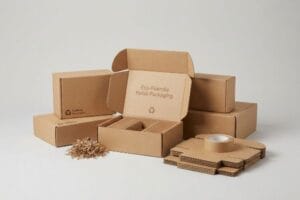
تنفق آلاف الدولارات على حملة بيع بالتجزئة فعلية، لكن تركها على الأرض لفترة طويلة جدًا يقتل زخم العلامة التجارية ويتلف حتمًا عبواتك الهيكلية الحساسة.
ينبغي تغيير معروضات متاجر التجزئة كل أربعة إلى ستة أسابيع لتجنب إرهاق المستهلكين وتلف المواد الهيكلية. غالباً ما تتطلب متاجر المستودعات ذات الإقبال الكبير تغييرات أسرع، بينما قد تكتفي التركيبات المعدنية الثابتة بتحديث اللوحات الرسومية الموسمية مع الحفاظ على القاعدة الهيكلية الأساسية سليمة تماماً على مدار العام.
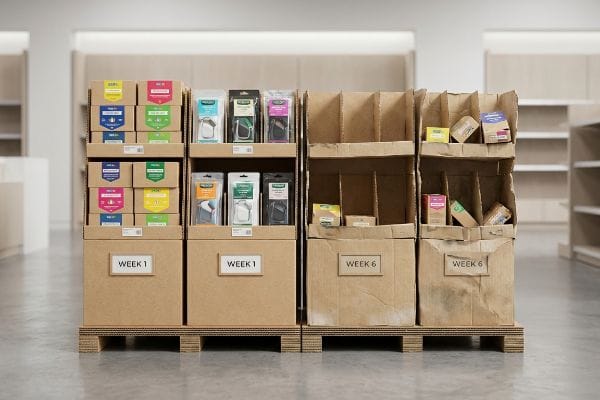
إن معرفة الجدول الزمني الأمثل ليست سوى البداية. التحدي الحقيقي يكمن في تصميم هيكل مادي قادر على الصمود لفترة طويلة في بيئة تجارة تجزئة قاسية وغير متوقعة.
كم مرة يتم تغيير واجهات العرض؟
لا يقتصر توقيت عرض منتجاتك بشكل مرئي على مطابقة الجماليات الموسمية فحسب، بل يتعلق أيضًا بتوقع حدود الإرهاق المادي للمواد الخام التي اخترتها.
تُغيّر واجهات العرض عادةً كل أسبوعين إلى ثمانية أسابيع، وذلك تبعاً لجداول العروض الترويجية الصارمة وتأثير أشعة الشمس على بهتان الحبر. تستخدم حملات واجهات المتاجر قصيرة الأجل ألواحاً كرتونية خفيفة الوزن، بينما تتطلب الدورات الموسمية الأطول مواداً متخصصة مطلية بمادة مقاومة للأشعة فوق البنفسجية لتحمل التعرض المباشر لأشعة الشمس دون المساس برسالة العلامة التجارية الأساسية.

يبدو استبدال شاشة العرض أمرًا بسيطًا على الورق، لكن الواقع اللوجستي لإدارة عمليات التناوب هذه في قطاع التجزئة غالبًا ما يتسبب في احتكاك هائل في سلسلة التوريد.
آليات إدارة دورة حياة التجزئة
تفترض العديد من العلامات التجارية الناشئة أن مديري المتاجر سيتخلصون تلقائيًا من مواد التسويق القديمة ويستبدلونها بمجرد العرض الترويجي الموسمي . فهم يرسلون وحدات ترويجية قياسية إلى المتاجر دون أي تعليمات واضحة بشأن نهاية عمرهاالافتراضي، على افتراض أن موظفي البيع بالتجزئة سيدركون تلقائيًا متى يصبح الكرتون باليًا جدًا بحيث لا يمكن رؤيته.
ألاحظ هذا الخطأ التسويقي باستمرار عندما تفشل العلامات التجارية في وضع تاريخ انتهاء صلاحية واضح على صناديق الشحن. فموظفو المتاجر مشغولون للغاية، وبدون ختم انتهاء صلاحية واضح، غالبًا ما يتركون حملة ترويجية باهتة وقديمة على الأرض لأشهر لمجرد أن أحدًا لم يطلب منهم إزالتها. من خلال طباعة تاريخ انتهاء الصلاحية بشكل واضح على اللوحة الخلفية المخفية، يمكنك القضاء على هذه الفجوة في التواصل تمامًا. هذا يُجبر بائع التجزئة على تدوير المخزون بشكل فعال، مما يحمي صورة علامتك التجارية المتميزة من الارتباط بعروض ترويجية منتهية الصلاحية، ويتجنب غرامات عدم الامتثال الباهظة من المقر الرئيسيللشركة.
| أخطاء شائعة للمبتدئين | الحل الاحترافي | فوائد أرضية البيع بالتجزئة |
|---|---|---|
| ترك تحديد توقيت التناوب لموظفي المتجر | طباعة رمز تاريخ الذبح الصارم | يضمن إزالة العرض في الوقت المناسب |
| استخدام أحبار غير محكمة الإغلاق للنوافذ الطويلة | الترقية إلى طلاءات مقاومة للأشعة فوق البنفسجية3 | يمنع بهتان الرسومات بفعل الشمس |
| تخمين تاريخ انتهاء صلاحية الكرتون | مواءمة مدة الحملة مع حدود المواد4 | يمنع انهيار القاعدة الهيكلية |
إن الاعتماد على بيئة البيع بالتجزئة لإدارة جداول الحملات التسويقية بشكل تلقائي أمرٌ بالغ الخطورة. لذا، فإن تصميم دورة حياة صارمة للمنتجات مباشرةً في العبوة يُلزم المتاجر بالامتثال ويحمي صورة علامتك التجارية القيّمة من التدهور في أماكن عرض المنتجات.
🛠️ مكتب هارفي: هل تبقى وحدات العرض الحالية لديك معروضة لفترات طويلة جدًا مما يضر بسمعة علامتك التجارية؟ 👉 احصل على تقييم شامل لدورة حياة المنتج ↗ — تواصل مباشر مع مكتبي. أضمن لك عدم تلقي أي رسائل تسويقية آلية مزعجة.
لماذا من المهم صيانة الشاشات؟
إن التصميم البصري الرائع يصبح عديم الفائدة تماماً إذا انهار الهيكل المادي وانهار في الممر بعد أسبوع واحد فقط من تفاعل المستهلكين المكثف.
من المهم الحفاظ على سلامة منصات العرض لأن متانتها الهيكلية تؤثر بشكل مباشر على قيمة العلامة التجارية ومبيعات التجزئة المستمرة. فوجود منصة عرض تالفة أو مائلة يوحي فوراً بانخفاض الجودة للمتسوقين، ويؤدي إلى غرامات مالية باهظة على تجار التجزئة، ويخلق صعوبة كبيرة لموظفي المتاجر الذين يحاولون إعادة تخزين البضائع الثقيلة أو سريعة البيع.
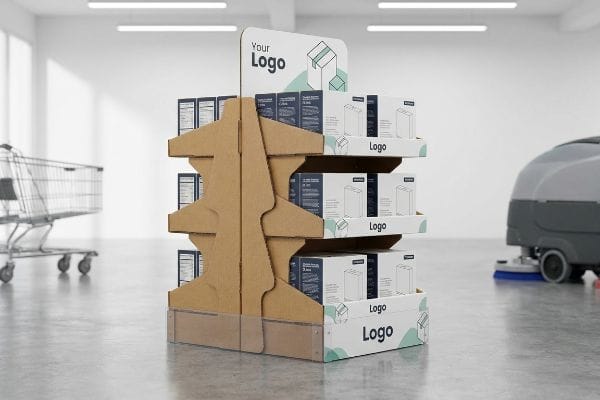
إن الحفاظ على هذا المظهر النقي يتطلب أكثر من مجرد التعامل الدقيق من قبل موظفي المتجر؛ إنه يتطلب حسابات هيكلية مسبقة دقيقة.
النجاة من قاعدة الخمسين لمسة في الممرات ذات الحركة المرورية العالية
من الأخطاء الشائعة التي ترتكبها فرق التسويق افتراضها أن وحدات عرض المنتجات الجميلة ستبقى بحالة ممتازة بعد تركيبها. فهم غالباً ما يوافقون على هياكل خفيفة الوزن تبدو نظيفة تماماً موضوعة دون أن يمسها أحد على طاولة اجتماعات هادئة، متجاهلين تماماً التلف الناتج عن الاستخدام اليومي في بيئة التسوق الحقيقية.
حتى العلامات التجارية العريقة غالبًا ما تتجاهل واقع الصيانة اليومية للمتاجر وإعادة تعبئة المنتجات باستمرار. ففي ممرات المتاجر المزدحمة، يصطدم المتسوقون باستمرار بأرفف العرض بعربات التسوق المعدنية الثقيلة، كما أن فرق الصيانة الليلية تُبلل أسفل منصات العرض بشكل روتيني أثناء مسح الأرضيات. وعند تجاهل هذه العوامل البيئية الأساسية، سرعان ما تتشبع منصة العرض بالماء وتتضرر بشدة. ويضمن استخدام ميزات حماية بسيطة، مثل واقيات الممسحة الشفافة المطلية بالبولي إيثيلين، بقاء الوحدة سليمة بعدخمس عمليات تنظيف يومية أساسية. ومن خلال التخطيط الاستباقي لهذا الاحتكاك اليومي في الممرات، تضمن العلامات التجارية الحفاظ على مظهر استثمارها الترويجي أنيقًا وجذابًا طوال الحملة الموسمية بأكملها.
| أخطاء شائعة للمبتدئين | الحل الاحترافي | فوائد أرضية البيع بالتجزئة |
|---|---|---|
| الموافقة على التصاميم على طاولة غرفة الاجتماعات | هندسة حركة مرور المستهلكين الديناميكية | يتحمل الاحتكاك الشديد في الممرات |
| تجاهل ممارسات إعادة تخزين المتجر | أرفف مُدعّمة للتحميل المستمر6 | يمنع ترهل البضائع |
| تجاهل الصيانة اليومية للأرضيات | إضافة واقي ممسحة من البولي إيثيلين الشفاف7 | يمنع تلف امتصاص الماء |
لا شك أن استخدام قواعد هيكلية رخيصة يُفسد إطلاق المنتجات المتميزة. فإذا لم تستطع منصة عرض منتجاتك المادية تحمل الاستخدام اليومي في ممرات متاجر البقالة، فإن تكاليف الصيانة المستمرة ستؤدي سريعًا إلى ضياع عائد استثمار حملتك التسويقية بالكامل.
🛠️ مكتب هارفي: هل تتلقى باستمرار شكاوى من مديري المتاجر بشأن ميلان أو تلف رفوف العرض؟ 👉 اطلب مراجعة هيكلية ↗ — حمّل الملف بأمان. صندوق بريدي مفتوح إذا كانت لديك أي أسئلة لاحقًا.
ما هو المصطلح المستخدم عند إعداد العروض في المتاجر؟
إن تحويل الكرتون المسطح إلى تجهيزات بيع بالتجزئة عملية هو بالضبط المكان الذي تصطدم فيه الملفات الرقمية النظرية بالواقع القاسي للعمل البشري.
يُطلق على تجهيز العروض في المتاجر اسم التسويق البصري أو تفعيل البيع بالتجزئة. تتضمن هذه المرحلة التنفيذية الحاسمة تفريغ الكراتين الرئيسية، وتركيب قواعد كرتونية مموجة، وتحميل البضائع الثقيلة، ووضع الهيكل المُجمّع بالكامل في الممرات ذات الحركة المرورية العالية لجذب انتباه المستهلكين بنجاح وتحفيز عمليات الشراء العفوية.
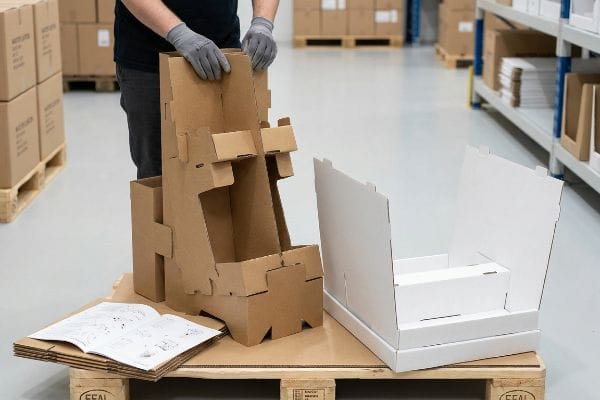
بينما يبدو الترويج التجاري وكأنه مسعى فني لفرق التسويق، إلا أنه في أرضية المخزن، هو مجرد معركة ضد احتكاك التجميع.
واقع تفعيل تجربة التسوق الخالية من الإحباط
تتعامل العديد من وكالات التصميم مع تجهيز متاجر البيع بالتجزئة كمشروع فني معقد، يتضمن كتيبات تعليمات متعددة الصفحات وعشرات القطع الكرتونية المتشابكة. يفترضون أن موظف المتجر الذي يعمل في نوبة ليلية مزدحمة سيمتلك بطبيعة الحال الوقت الكافي والصبر الذي لا ينضب ومساحة التخزين الفارغة اللازمة لطي تحفة ترويجية متقنة بعناية.
تخضع عملية عرض المنتجات بصريًا بشكل كامل لميزانيات العمالة المحدودة ومعدلات دوران الموظفين المرتفعة. فإذا تطلّب تركيب وحدة ترويجية أكثر من ثلاث دقائق من التجميع اليدوي المُعقّد ، سيتركها البائع المُنشغل في المخزن. ولتجنب هذه الصعوبة في التنفيذ، تلجأ العلامات التجارية الناجحة إلى استخدام صواني معيارية مُلصقة مسبقًا، متجاوزةً بذلك عملية الطي اليدوي المُعقّدة . هذا التحوّل البسيط في الاستراتيجية يعني أن وحدة العرض تُفتح تلقائيًا على أرضية المتجر، مما يضمن وصول حملتك التسويقية إلى رفوف البيع بالتجزئة بدلًا من أن تُهمل في زاوية مُغبرة من المستودع.
| أخطاء شائعة للمبتدئين | الحل الاحترافي | فوائد أرضية البيع بالتجزئة |
|---|---|---|
| بالاعتماد على طيات الأوريغامي المعقدة | باستخدام قواعد ذاتية اللصق مسبقًا10 | يقلل وقت الإعداد بشكل كبير |
| ألسنة تثبيت محكمة تتطلب قوة شديدة | إضافة حواجز دقيقة للتخليص11 | يزيل تمزق الرسومات المطبوعة |
| شحن مشابك بلاستيكية سائبة | أقفال ورقية هندسية متكاملة12 | يزيل أجهزة التجميع المربكة |
نادراً ما تنجح عمليات التجميع المعقدة في مستودعات متاجر التجزئة المزدحمة. إن إزالة جميع الأعمال اليدوية المعقدة من مرحلة الإعداد هي الطريقة الوحيدة لضمان وصول حملتك التسويقية المكلفة إلى رفوف المتاجر.
🛠️ مكتب هارفي: هل يشتكي شركاؤك في البيع بالتجزئة سرًا من صعوبة تركيب وحدات العرض؟ 👉 اطلب تبسيطًا لنموذج القطع ↗ — لا نماذج تُسبب مكالمات مبيعات لا تنتهي. قيمة حقيقية فقط.
هل تساهم واجهات العرض في زيادة المبيعات؟
إن تحقيق زيادة فورية في المبيعات يتطلب أكثر من مجرد ألوان زاهية؛ فهو يتطلب استراتيجية مكانية دقيقة تدفع المنتج المادي إلى الأمام.
نعم. تساهم واجهات العرض في زيادة المبيعات من خلال تغيير أنماط حركة المستهلكين وتحفيزهم على الشراء الفوري. ولتحقيق عائد استثماري ملموس، يجب أن تتوافق هذه الواجهات رياضياً مع مناطق التفاعل المكاني المحددة، مما يضمن رؤية واضحة من مسافة بعيدة مع تسهيل الوصول المباشر إليها.
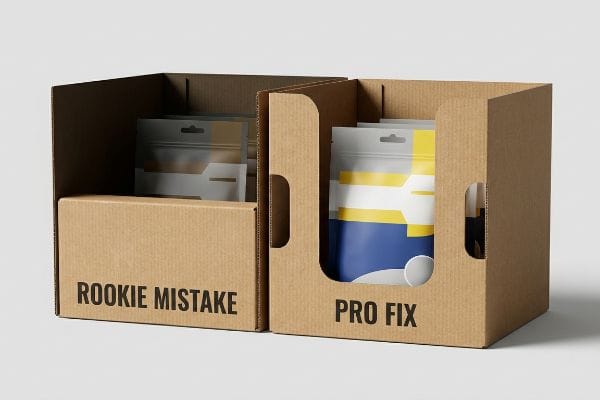
لكن معرفة النظرية النفسية لا تكفي عندما تبدأ الأبعاد المادية في التنافس مع بيئة البيع بالتجزئة.
لماذا تفشل الهندسة المكانية التقليدية في أرضية المصنع؟
من الافتراضات المنطقية ظاهريًا أن طباعة نصوص ضخمة وشعارات براقة على صندوق مربع قياسي ستجذب المتسوقين تلقائيًا وتزيد المبيعات. غالبًا ما تصمم فرق التسويق هذه الوحدات لتبدو رائعة على شاشة كمبيوتر بإضاءة خلفية، على افتراض أن هذا الكمال الرقمي سينتقل بسلاسة إلى واجهة متجر فعلي مزدحمة وضعيفة الإضاءة.
يُعدّ تصميم عرضٍ جذابٍ في نموذج ثلاثي الأبعاد أمرًا سهلاً، لكنّ الواقع المرير يكمن في شحن 500 وحدة منه إلى متاجر ضخمة. في منشأتي، أرى باستمرار عملاءً يخالفون قاعدة 3-3-3 للتفاعل المكاني، وذلك ببناء أرفف عميقة وواسعة تُخفي المنتج تمامًا. عند قياس ارتفاع الحافة الفعلية في رسومات التصميم بمساعدة الحاسوب (CAD) المُقدّمة، غالبًا ما يكون ارتفاع الجدار الداعم 88.9 ملم (3.5 بوصة)، ما يُخفي المنتج في منطقة مظلمة لا يستطيع المتسوقون رؤيتها. أستخدم الميكرومتر لقراءة القياسات، وأُثبت عدم الحاجة إلى دعامات أمامية مُفرطة؛ فأقوم بتخفيض الحافة حسابيًا لضمان رؤية 85% من المنتج،كبيرة لإغراق الرف بضوء المتجر. من خلال هندسة هذه المساحة البصرية، أضمن بقاء عامل الجذب الرئيسي سليمًا، ما يمنع انخفاضًا كبيرًا في معدلات التحويل، ويُعظّم إمكانات الإيرادات النهائية للحملة.
| أخطاء شائعة للمبتدئين | الحل الاحترافي | فوائد أرضية البيع بالتجزئة |
|---|---|---|
| تصميم مخصص بالكامل للشاشات المسطحة ثنائية الأبعاد | الهندسة لقواعد التفاعل المكاني الصارمة | يجذب حركة المشاة بفعالية15 |
| شفاه عالية الثبات تخفي المنتجات | تصميم شفاه أمامية منخفضة لزيادة الرؤية بشكل كبير | يُحفز التحولات اللمسية الفورية16 |
| إنشاء رفوف مظلمة واسعة | فتح النوافذ الجانبية لدخول الضوء | يزيل مناطق الظل للمنتج17 |
لا يمكن للتصميم الجرافيكي الرائع أن يعوض عن هيكل يخفي المنتج المادي. يتطلب تحقيق زيادة حقيقية في المبيعات هندسة دقيقة تدفع البضائع فعلياً من المناطق المظلمة إلى أيدي المستهلكين المارين.
🛠️ مكتب هارفي: لا تدع عيبًا هيكليًا بحجم 2 مليمتر يُفسد إطلاقًا ضخمًا لـ 500 متجر. 👉 أرسل لي ملف تصميم القالب ↗ — سأُجري اختبارات دقيقة للحسابات قبل أن تُهدر ميزانيتك على الإنتاج الضخم.
خاتمة
يمكنك اختيار مورد أرخص، ولكن عندما يحجب رف العرض العميق والمظلم منتجك تمامًا عن المتسوقين المارين، فإن ذلك يؤدي إلى انخفاض كارثي في معدلات التحويل ويقضي تمامًا على هامش ربح حملتك. يستخدم أكثر من 500 مدير علامة تجارية قائمة التحقق الخاصة بي قبل الطباعة لتجنب هذه الأخطاء القاتلة في المراحل المبكرة. توقف عن التخمين بشأن المساحات الهيكلية، ودعني شخصيًا أراجع ملفاتك من خلال خدمة تدقيق القوالب المجانية ↗ لاكتشاف هذه المشكلات المتعلقة بالرؤية المادية قبل بدء الإنتاج الضخم.
"حلول نهاية عمر نقاط البيع - ثلاث نقاط"، https://threepd.co.uk/designing-for-disassembly/. تحليل صناعي لعمليات نقاط البيع التشغيلية، يُشير إلى غياب تعليمات موحدة للتخلص من أو إزالة العروض المؤقتة. دور الدليل: فجوة تشغيلية؛ نوع المصدر: تقرير تجاري. يدعم: الادعاء بأن الوحدات الترويجية تُشحن غالبًا بدون وثائق نهاية عمرها الافتراضي. ملاحظة النطاق: لوحظ ذلك بشكل أساسي في عمليات العلامات التجارية الناشئة. ↩
"أفضل ممارسات التسويق: الامتثال - شركات فانجارد"، https://www.vanguardpkg.com/merchandising-best-practices-compliance/. شرح لعمليات تدقيق الامتثال في قطاع التجزئة والعقوبات المالية أو عمليات رد المبالغ المدفوعة التي تتكبدها العلامات التجارية لعدم تنفيذ دورات العروض الترويجية. دور الدليل: التحقق من الحقائق؛ نوع المصدر: دليل إدارة التجزئة أو التسويق التجاري. يدعم: الادعاء بأن عدم إزالة الحملات القديمة يؤدي إلى عقوبات على الشركات. ملاحظة نطاق البحث: تختلف مبالغ العقوبات المحددة باختلاف عقود تجار التجزئة. ↩
"كشف أضرار الأشعة فوق البنفسجية كخطر جسيم على المشاريع | مستودع أفلام النوافذ"، https://www.windowfilmdepot.com/blog/uv-protection-in-windows/. التحقق الفني من كيفية منع الطلاءات الواقية من الأشعة فوق البنفسجية لتدهور الصبغة الناتج عن التعرض لأشعة الشمس في الطباعة التجارية. دور الدليل: التحقق الفني؛ نوع المصدر: علم المواد أو معيار صناعة الطباعة. يدعم: فعالية الطلاءات الواقية من الأشعة فوق البنفسجية في منع التلاشي. ملاحظة النطاق: يعتمد الأداء على التركيب الكيميائي المحدد للحبر. ↩
"تقييمات دورة حياة الكرتون المموج - جمعية صناديق الألياف"، https://www.fibrebox.org/life-cycle-assessments/. بيانات هندسية تتعلق بمعدل الإجهاد الهيكلي وفشل الانضغاط في ركائز البيع بالتجزئة المصنوعة من السليلوز بمرور الوقت. دور الدليل: إثبات هيكلي؛ نوع المصدر: دليل هندسة التغليف. يدعم: ضرورة توقيت العروض وفقًا لحدود المواد لتجنب الانهيار. ملاحظة النطاق: التركيز على هياكل الكرتون الحاملة للأحمال. ↩
"الطلاء المقاوم للماء في المنسوجات والورق والبوليمرات البلاستيكية الحيوية"، https://pmc.ncbi.nlm.nih.gov/articles/PMC11479018/. التحقق الفني من خصائص حاجز الرطوبة التي توفرها طبقات البولي في بيئات البيع بالتجزئة. دور الدليل: التحقق الفني؛ نوع المصدر: مواصفات التصنيع في قطاع البيع بالتجزئة. يدعم: الادعاء بأن طبقات البولي تحمي قاعدة المعروضات من رطوبة تنظيف الأرضيات. ملاحظة النطاق: خاص بمواد القاعدة الماصة مثل الكرتون المموج. ↩
"دليل شامل لاختيار رفوف متاجر التجزئة | Adco DispleTech"، https://www.displetech.com/blogs/retail-essence/retail-shelving-systems-materials?srsltid=AfmBOopum-d4fhxmfS3ol7UHCIkPcfBFJucXb4scshIwtHE0FlAa2vnc. تحدد المعايير الهندسية لتجهيزات متاجر التجزئة متطلبات تحمل الأحمال وتعزيز المواد لمنع التشوه الهيكلي تحت تأثير الوزن المستمر. دور الدليل: التحقق الهيكلي؛ نوع المصدر: معيار هندسي صناعي. يدعم: ضرورة استخدام رفوف معززة لمنع ترهل البضائع. ملاحظة النطاق: ينطبق على مواد متنوعة بما في ذلك MDF والأكريليك. ↩
"طبقة نهائية من البولي يوريثان عالية الأداء ذات أساس مائي"، https://generalfinishes.com/wood-finishes-retail/water-based-topcoats-and-sanding-sealer/high-performance-polyurethane-water. تُظهر الوثائق الفنية الخاصة بالطلاءات البوليمرية فعاليتها في منع تسرب السوائل إلى المواد المسامية أثناء التنظيف. دور الدليل: التحقق الفني؛ نوع المصدر: دليل علوم المواد. يدعم: استخدام واقيات الممسحة لمنع تلف الماء. ملاحظة: تختلف الفعالية باختلاف سُمك الطلاء وطريقة التطبيق. ↩
"كم تبلغ تكلفة تجميع شاشات العرض في نقاط البيع؟"، https://www.industrialpackaging.com/blog/point-of-purchase-display-cost. بيانات صناعية أو دراسات عمليات بيع بالتجزئة تُؤكد المدة الزمنية المحددة التي يُخصصها البائعون عادةً لتجميع تجهيزات العرض الترويجية قبل تركها. دور الدليل: التحقق من الحقائق؛ نوع المصدر: تقرير عن قطاع البيع بالتجزئة. يدعم: الادعاء بأن وقت التجميع يؤثر بشكل مباشر على الالتزام بمعايير العرض. ملاحظة: قد تختلف الحدود باختلاف متاجر التجزئة. ↩
"تجميع شاشات العرض في نقاط البيع - حلول إنتاج بيوريا"، https://www.peoriapros.com/contract-packing/pop-display-assembly/. مواصفات فنية أو دراسات حالة توضح كيف تقلل المكونات المُلصقة مسبقًا من متطلبات العمالة أثناء تفعيل البيع بالتجزئة. دور الدليل: التحقق الفني؛ نوع المصدر: دليل هندسة التغليف. يدعم: استخدام الصواني المعيارية للاستغناء عن الطي اليدوي. ملاحظة النطاق: ينطبق تحديدًا على شاشات العرض المصنوعة من الكرتون المموج. ↩
"صناديق ذات قاعدة أوتوماتيكية (قفل سريع) سهلة الاستخدام - شركة بي إم للتغليف"، https://pmpackaging.com/product-catalog/boxes-and-cartons/auto-bottom-boxes. مواصفات فنية للتغليف تشرح كيف يقلل تصميم القاعدة الأوتوماتيكية من خطوات التجميع اليدوي ووقت الإعداد. دور الدليل: التحقق الفني؛ نوع المصدر: دليل صناعي. يدعم: ميزة توفير الوقت التي توفرها قواعد القاعدة الأوتوماتيكية. ملاحظة النطاق: ينطبق على تجهيزات البيع بالتجزئة المصنوعة من الكرتون المموج. ↩
"الدليل الشامل لتصميم الصناديق الكرتونية المموجة - أنظمة باول"، https://www.powellsystems.com/feeds/blog/corrugated-box-design. إرشادات هندسية إنشائية للتغليف، توضح بالتفصيل كيفية منع التفاوتات والهوامش من إجهاد المواد وتلف الرسومات. دور الدليل: التحقق الفني؛ نوع المصدر: دليل هندسي. يدعم: منع تمزق الرسومات عبر الهوامش. ملاحظة النطاق: يركز على تركيب اللسان والشق. ↩
"14 نوعًا من عروض البيع بالتجزئة | شيكاغو، إلينوي - ويرثيمر بوكس"، https://wertheimerbox.com/types-of-retail-displays/. معايير التصميم الصناعي التي تقارن بين آليات القفل الورقية المتكاملة والأجهزة المنفصلة لتبسيط عملية التجميع وتعزيز الاستدامة. دور الدليل: تحليل مقارن؛ نوع المصدر: دراسة تصميم. يدعم: إزالة أجهزة التجميع من خلال التصميم المتكامل. ملاحظة النطاق: خاص بتفعيل البيع بالتجزئة باستخدام الكرتون. ↩
"نقطة الشراء: كيف يمكن لتجار التجزئة التأثير على المتسوقين في..."، https://blog.intouch.com/posts/points-of-purchase-displays. التحقق من قاعدة 3-3-3 كمعيار في التسويق البصري وعلم النفس المكاني لجذب المستهلك. دور الدليل: تعريف مفاهيمي؛ نوع المصدر: معيار صناعي/كتاب دراسي. يدعم: استخدام قواعد مكانية محددة لتحسين تدفق حركة المرور في متاجر التجزئة. ملاحظة: قد تختلف القاعدة باختلاف قطاع التجزئة. ↩
"كيفية قياس نجاح عرض المنتجات في متاجر التجزئة - فرانك ماير"، https://www.frankmayer.com/blog/how-to-measure-retail-display-success/. بيانات تجريبية تدعم نسب ظهور محددة كمعايير لزيادة معدلات التحويل الاندفاعي في رفوف متاجر التجزئة. دور الدليل: التحقق من صحة المقياس؛ نوع المصدر: دراسة تحليلية لقطاع التجزئة. يدعم: الادعاء التقني بأن نسب الظهور ترتبط بالمبيعات. ملاحظة النطاق: خاص بالسلع الاستهلاكية الصغيرة. ↩
"زيادة حركة المشاة: استراتيجيات لقياس وزيادة زيارات المتاجر"، https://plumbclub.com/foot-traffic-how-to-measure-and-increase-store-visits/. دراسات مقارنة حول فعالية الهندسة المكانية ثلاثية الأبعاد مقابل الشاشات المسطحة التقليدية في جذب المشاة. نوع الدليل: دليل تجريبي؛ نوع المصدر: مجلة سلوك المستهلك. يدعم: الادعاء بأن قواعد التفاعل المكاني تُحسّن من جذب حركة المشاة. ملاحظة النطاق: التركيز على بيئات واجهات المتاجر. ↩
"تأثير مستويات الرفوف على مبيعات المنتجات - Academia.edu"، https://www.academia.edu/17638569/The_impact_of_shelf_levels_on_product_sale. بحثٌ حول كيفية زيادة وتيرة لمس المستهلك للمنتجات ونية الشراء من خلال تقليل الحواجز المادية التي تعيق الوصول إليها. دور الدليل: علاقة سببية؛ نوع المصدر: دراسة في علم نفس البيع بالتجزئة. يدعم: الادعاء بأن خفض مستوى الرفوف يزيد من التحويل اللمسي. ملاحظة النطاق: ينطبق على عروض المنتجات المادية. ↩
"28 نصيحة أساسية للإضاءة لإعداد فيديو مثالي - يوتيوب"، https://www.youtube.com/watch?v=Ryu8s73dWQY. تحليل فني لاختراق الضوء المحيط في وحدات الرفوف العميقة لتقليل الحجب. دور الدليل: التحقق الفني؛ نوع المصدر: دليل هندسة الإضاءة. يدعم: الادعاء بأن الفتحات الجانبية تخفف من ظلال المنتج. ملاحظة النطاق: خاص بالرفوف عالية الكثافة. ↩