يُعدّ إيصال بضائعك إلى صالة العرض بأمان تحديًا لوجستيًا كبيرًا. فإذا اعتمدت على بنية تحتية غير مناسبة، ستتلاشى أرباح حملتك التسويقية قبل إتمام أول عملية بيع.
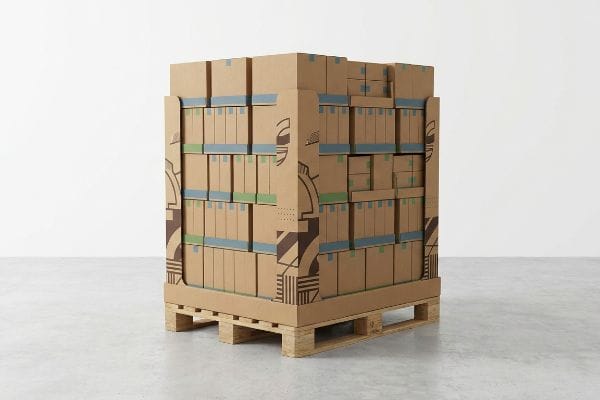
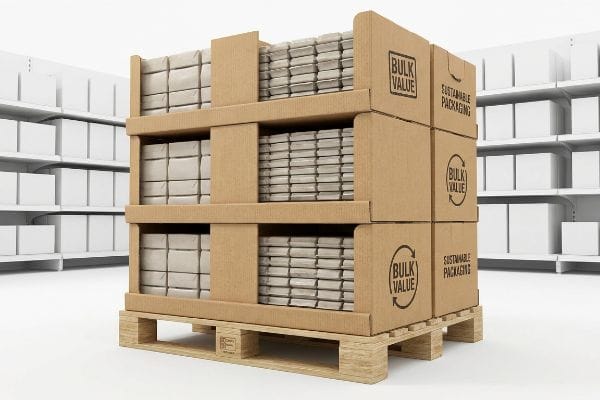
منصة عرض كرتونية على منصات الشحن هي عبارة عن منصة عرض كبيرة الحجم مصممة لعرض المنتجات بكميات كبيرة مباشرة على منصات الشحن. باستخدام ورق مقوى مموج، تعزز هذه الهياكل المتينة العلامة التجارية بصريًا مع توفير قدرة تحمل عالية للأحمال، مما يضمن شحنًا متوافقًا مع المعايير العالمية، وفعالًا من حيث التكلفة، وقابلية إعادة تدوير سلسة.
إن فهم الآليات الأساسية لهذه الهياكل المؤقتة ليس سوى نقطة البداية. دعوني أشرح لكم كيف تُطبَّق هذه القرارات الهندسية فعلياً في أرضية المصنع وفي ممرات البيع بالتجزئة.
ما هي مزايا التغليف بالكرتون؟
هل تقوم، دون علمك، بإهدار ميزانية التسويق الخاصة بك في مساحات شحن غير مستخدمة؟
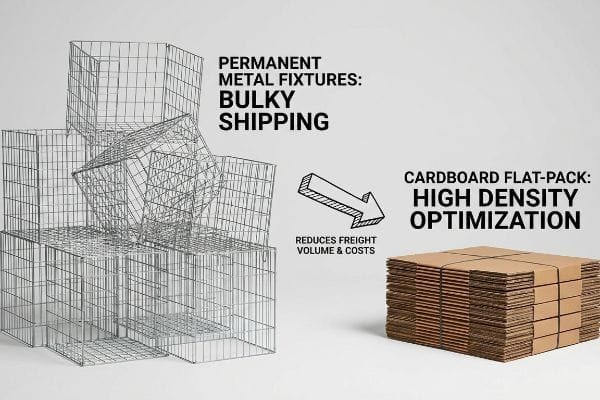
تتمحور مزايا التغليف الكرتوني حول خفة الوزن، والتصميم المعياري، وسهولة التعبئة والتغليف. فعلى عكس الهياكل المعدنية الثابتة، تنضغط هياكل الورق المقوى المموجة المؤقتة بإحكام أثناء النقل. هذه الكثافة العالية تقلل بشكل كبير من حجم الشحن، وتخفض استهلاك الوقود، وتلغي الحاجة إلى عمليات الإرجاع المكلفة المطلوبة لهياكل العرض الأثقل وزنًا في متاجر التجزئة.
لكن معرفة نظرية التعبئة المسطحة لا تكفي عندما تواجه عملية طرح تجزئة وطنية ضخمة.
الخدمات اللوجستية للتعبئة المسطحة وعائد الاستثمار في الشحن
حتى فرق المشتريات المخضرمة غالباً ما تلجأ إلى وحدات العرض المعدنية الملحومة الدائمة FSDU ) في حملات البيع بالتجزئة. ويفترضون أن الفولاذ المتين يضمن تلقائياً عائداً أعلى على الاستثمار، لأنه يبدو قوياً ومتيناً.
أعلم أنك تسعى جاهدًا لتحقيق أقصى استفادة من إطلاق منتجك، لكن الاعتماد على تجهيزات ثابتة يُكبّدك تكاليف لوجستية باهظة. لا تتسع حاوية الشحن القياسية إلا لحوالي 250 رفًا سلكيًا ملحومًا، لأنك تدفع مبلغًا إضافيًا ضخمًا لمجرد شحن مساحة فارغة عبر المحيط. إن صوت ارتطام الرفوف السلكية المعدنية الثقيلة برصيف التحميل هو صوت تبخر هامش ربحك في رسوم الشحن. بتحويل حملتك إلى شاشات عرض مؤقتة عالية الأداء مصنوعة من الكرتون المموج، تتخلص تمامًا من هذا العبء. أقوم بتصميم هياكل قابلة للطي تسمح لنا بوضع ما يصل إلى 1500 وحدة في حاوية الشحن نفسها. هذا التحول الاستراتيجي بعيدًا عن المعدن يُلغي تمامًا تكلفة الشحن الباهظة للتجهيزات الثابتة، مع تلبية متطلبات التحميل الديناميكي الثقيل لمتاجر التجزئة الكبرى بسهولة.
| أخطاء شائعة للمبتدئين | الحل الاحترافي | فوائد أرضية البيع بالتجزئة |
|---|---|---|
| شحن رفوف سلكية مجمعة بالكامل | شاشات عرض كرتونية مموجة قابلة للطي | خفض حجم الشحن بنسبة 80%2 |
| دفع تكاليف الشحن مقابل المساحات الهوائية الراكدة | تحسين الحاويات عالية الكثافة | انخفاض تكاليف الهبوط لكل وحدة |
| تجاهل رسوم الخدمات اللوجستية للإرجاع | استخدام ألواح قابلة لإعادة التدوير للاستخدام مرة واحدة | يلغي عمليات مناولة الشحن العكسية3 |
لا أسمح أبداً لعملائي بدفع مبالغ باهظة للشحن البحري لمجرد شحن أسطوانات أكسجين فارغة.
🛠️ مكتب هارفي: هل أنت قلق من أن استراتيجيتك الهيكلية الحالية تُهدر هامش الربح بسبب رسوم الشحن؟ 👉 اطلب تدقيقًا لكثافة الشحن ↗ — تواصل مباشر مع مكتبي. أعدك بعدم تلقي أي رسائل تسويقية آلية مزعجة.
ما هي فوائد استخدام المنصات الخشبية؟
إن أساس عملية طرح منتجاتك في قطاع التجزئة يحدد مدى سرعة انتقالها عبر سلسلة التوريد.
تتمحور فوائد استخدام المنصات الخشبية حول سهولة نقل المواد دون احتكاك، وإمكانية الحركة متعددة المحاور داخل المستودع. تعمل هذه القواعد الهيكلية الموحدة على رفع البضائع الثقيلة عن الأرض، مما يسمح للرافعات الشوكية الميكانيكية برفع وفرز وتحميل كميات كبيرة من المنتجات بسرعة دون إلحاق أي ضرر مباشر بالتغليف الخارجي.
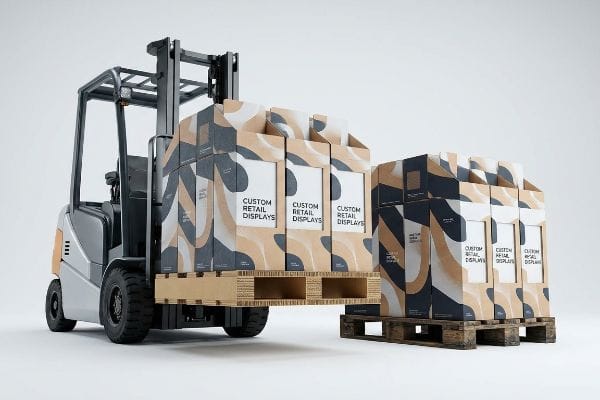
ومع ذلك، فإن المادة المحددة التي تختارها لتلك القاعدة يمكن أن تسرع من عملية التنفيذ أو تتسبب في كابوس جمركي دولي.
تجاوز اختناقات سلسلة التوريد باستخدام منصات مموجة
غالباً ما يعتمد مديرو التسويق بشكل أعمى على منصات التصدير الخشبية الثقيلة، ظناً منهم أن الخشب المعالج حرارياً بالطريقة التقليدية هو الطريقة الوحيدة المتوافقة مع المعايير لنقل معروضات البيع بالتجزئة الثقيلة عبر الحدود. ويركزون بشكل كبير على الرسومات المطبوعة، تاركين الخدمات اللوجستية الأساسية بالكامل لمركز التوزيع.
أتفهم تمامًا سبب قبولكم لقواعد خشبية عادية، لكنها تنطوي على مخاطر خفية جسيمة. فالمنصات الخشبية الثقيلة تُضيف ما يصل إلى 20.4 كيلوغرامًا من الوزن الزائد لكل وحدة، وتخضع لتفتيشات حدودية صارمة. وغالبًا ما يتبع صوت احتكاك الخشب الرخيص غير المعالج على أرضية مستودع خرسانية ملساء، صوتُ احتكاكه المزعج، احتجازٌ جمركي. وإذا لم يكن الخشب مُوثقًا وفقًا لمعايير ISPM (المعايير الدولية لتدابير الصحة النباتية) للمعالجة الحرارية، فسيتم وضع علامة على الحاوية بأكملها. أتجاوز هذه المتاعب التنظيمية تمامًا باستخدام منصات ورقية مموجة شديدة التحمل. فالانتقال إلى منصة نقل مصنوعة بالكامل من الورق المقوى المموج يُقلل وزن النقل الأساسي إلى 5.4 كيلوغرامات فقط. هذا التحول يُلغي تمامًا لوائح الحدود الدولية، ويضمن إعادة تدوير سلسة وسهلة من جانب الرصيف لمدير المتجر المُستلم.
| أخطاء شائعة للمبتدئين | الحل الاحترافي | فوائد أرضية البيع بالتجزئة |
|---|---|---|
| باستخدام قواعد تصدير خشبية ثقيلة | الترقية إلى قواعد من الورق المموج | يقلل من الوزن الزائد بمقدار 33 رطلاً (14.9 كجم) |
| المخاطرة بالجمارك الصحية النباتية | باستخدام منصات مصنوعة من الورق المقوى بنسبة 100% | يتجاوز تأخيرات التفتيش الحدودي4 |
| ترك تجار التجزئة مع التخلص من الأخشاب | ضمان إمكانية إعادة التدوير في مسار واحد | انخفاض رسوم التخلص من النفايات في المراحل اللاحقة |
أقوم بإزالة العوائق الخشبية الثقيلة حتى تتدفق عملياتك اللوجستية بسلاسة.
🛠️ مكتب هارفي: هل تُعيق عمليات التفتيش الحدودية أو القواعد الخشبية الثقيلة توزيع منتجاتك في متاجر التجزئة الدولية؟ 👉 احصل على مواصفات قواعد الكرتون المموج ↗ — حمّلها بأمان. صندوق بريدي مفتوح إذا كانت لديك أي أسئلة لاحقًا.
ما هو عرض المنصات؟
إن نجاح عرض المنتجات داخل المتجر يعتمد بشكل أساسي على حدود المساحة المتاحة لدى بائع التجزئة.
منصة عرض البضائع على منصات التحميل هي عبارة عن وحدة عرض قائمة بذاتها، مصممة لعرض كميات كبيرة من المنتجات، ومبنية مباشرة على منصة لوجستية موحدة. صُممت هذه الهياكل، التي تتيح التسوق من جميع الجهات، خصيصاً لتقاطعات متاجر التجزئة ذات الحركة المرورية العالية، متجاوزةً بذلك رفوف المتاجر التقليدية تماماً، مما يسمح للعلامات التجارية بنقل كميات كبيرة من المنتجات بأمان وبيعها فوراً من مساحة واحدة.
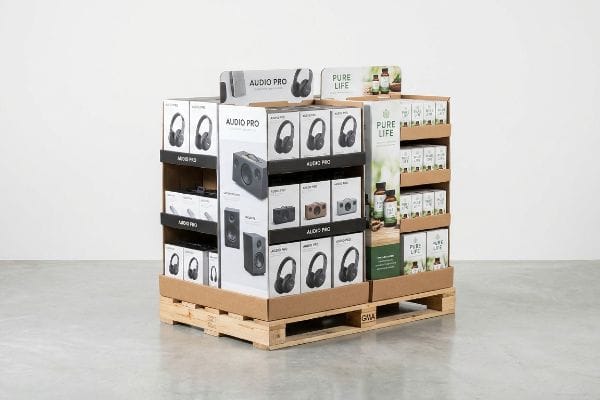
إن تأمين هذه المساحة الأرضية المميزة يتطلب أكثر بكثير من مجرد طلب موقع متميز من مشتري التجزئة.
الهندسة الكسرية وكثافة أرضيات متاجر التجزئة
كثيراً ما تُقدّم العلامات التجارية الناشئة وحدات عرض أرضية كاملة الحجم (48×40 بوصة، 121 ×101 سم) من جمعية مصنعي البقالة (GMA) إلى متاجر التجزئة الكبرى، لكنها تواجه رفضاً فورياً. إذ تفترض هذه العلامات أنه إذا أرادت إطلاق حملة تسويقية مادية، فلا بدّ لها من احتكار قاعدة خشبية كاملة لتبدو احترافية.
تخيّل مساحة عرض المنتجات في المتاجر كعقارات فاخرة؛ فنادرًا ما يؤجر المشترون المساحة بأكملها لمستأجر واحد. عندما تطلب مساحة عرض كاملة لإطلاق منتج صغير، فإنك تخلق عائقًا مكانيًا. لقد شاهدتُ موظفي المتاجر يعانون من صوت تمزق الورق المقوى الخام المزعج والمحبط عندما يحاولون حشر قاعدة ضخمة في ممر ضيق لا مكان لها فيه. بدلًا من التنافس على مساحة عرض ضخمة، أصمم وحدات عرض المنتجات بدقة وفقًا لأبعاد كسرية قياسية: نصف منصة نقالة بقياس 48×20 بوصة (121×50 سم)وربع منصة نقالة بقياس 24×20 بوصة (60×50 سم). يضمن هذا التقسيم الرياضي الدقيق أن تتمكن حملتك من مشاركة مساحة عرض واحدة بسلاسة مع علامات تجارية غير منافسة، مما يسمح للمشترين بتحقيق أقصى استفادة من مساحة عرضهم.
| أخطاء شائعة للمبتدئين | الحل الاحترافي | فوائد أرضية البيع بالتجزئة |
|---|---|---|
| تتطلب مساحة ضخمة تبلغ 48×407 | هندسة ربع المنصة8 | يضمن وضعًا مميزًا في الممر |
| إنشاء حواجز مرورية في الممرات | شاشات تحديد الحجم لمنصات المشاركة | يحافظ على حركة عربات التسوق بحرية |
| إهدار مواد الألواح الهيكلية | تشديد شبكة المنتج المادي | يزيد من عائد الاستثمار في التسويق البصري |
أقوم بتصميم بصمات جزئية حتى لا يتم رفض علامتك التجارية أبدًا لكونها ضخمة جدًا.
🛠️ مكتب هارفي: هل يعترض مشترو التجزئة على الحجم الفعلي لشاشات نقاط البيع المقترحة؟ 👉 احصل على دليل الهندسة الكسرية ↗ — لا توجد استمارات تُسبب مكالمات مبيعات لا تنتهي. قيمة خالصة فقط.
ما هي فوائد الكرتون؟
تُعدّ مواصفات المواد هي الخط الفاصل النهائي بين حملة ناجحة وفشل لوجستي.
تستمد فوائد الكرتون من هندسته الداخلية المقوسة الفريدة، التي توزع ضغط الحمل العلوي الرأسي بأمان. وعلى عكس ألواح الخشب المضغوط الصلبة، يعمل الكرتون المموج ذو السطح الخشن كممتص للصدمات الميكانيكية، مما يوفر أقصى قدر من الصلابة الهيكلية، ومقاومة استثنائية للصدمات الحركية، وقوة تكديس ديناميكية دون زيادة تكاليف المواد الخام.
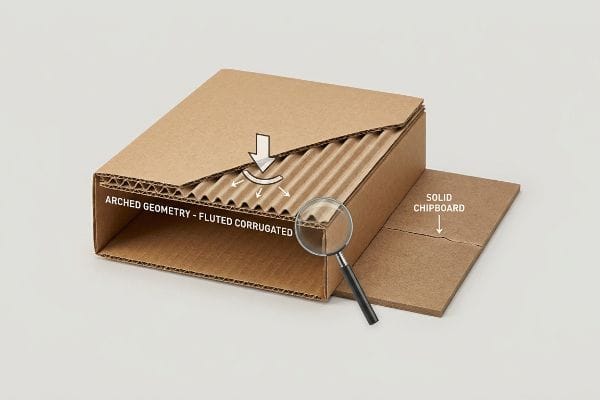
لكن معرفة النظرية لا تكفي عندما تبدأ الآلات بالعمل وتتكدس المنصات بشكل مزدوج في مستودع رطب.
لماذا يفشل لوح الخشب المضغوط غير المموج في الاختبار الحركي؟
في منشأتي، أرى باستمرار فرق المشتريات تحاول تحويل تصاميم ألواح الكرتون المقوى الخفيفة إلى صواني أثقل جاهزة للبيع بالتجزئة لتوفير تكاليف المواد الأولية. إنهم يعملون بناءً على افتراض خطير مفاده أن الكثافة الخام الثابتة للكرتون المقوى السميك تساوي قدرة التحميل الديناميكيةعند تجميعه بالكامل.
هذا ليس مجرد كلام نظري، بل أراه يحدث على أرض الواقع عند إجراء اختبار TAPPI T811 القياسي لسحق الحواف . تفتقر الركائز الصلبة غير المموجة إلى الأقواس الداخلية المتموجة الموجودة في ألواح الكرتون المموجة من النوع B أو E. فهي تفتقر إلى أي آلية ميكانيكية لتوزيع الصدمات الحركية ديناميكيًا. عند قياس الانحراف تحت حمل علوي مقداره 85 كجم، يصدر اللوح الصلب صوت فرقعة مكتومة أجوف وينحني بشدة إلى الخارج. لا يمكن لكثافة المادة الثابتة أن تحل محل الإزاحة الهندسية للحمل. قمت بقياسات الميكرومتر وأثبتنا أننا لسنا بحاجة إلى حشوات بلاستيكية هيكلية باهظة الثمن لتحمل الوزن، بل نحتاج فقط إلى محور مادي للوح ذي تموجات دقيقة. من خلال استخدام الشكل الهندسي المقوس الداخلي لامتصاص الطاقة الحركية بأمان، أحافظ على بنية مربعة تمامًا دون زيادة تكلفة المواد الخام. يمنع هذا التصحيح المحدد للمواد انفجار الجدار الجانبي، مما يضمن انخفاض وقت تجميع التعبئة المشتركة بمقدار 42 ثانية لكل وحدة 11 ، مما يوفر للعملاء آلاف الدولارات من رسوم العمالة اليدوية في عملية تشغيل قياسية.
| أخطاء شائعة للمبتدئين | الحل الاحترافي | فوائد أرضية البيع بالتجزئة |
|---|---|---|
| توسيع نطاق ألواح الخشب المضغوطة الصلبة غير المموجة | فرض استخدام الكرتون المموج ذي الثنيات الدقيقة | يمنع الانبعاج الحركي أثناء النقل12 |
| بالاعتماد على كثافة المواد الثابتة | استخدام الهندسة المقوسة الداخلية | يمتص الأحمال الرأسية العلوية الهائلة13 |
| إضافة دعامات بلاستيكية باهظة الثمن | الترقية إلى لوحة اختبار من نوع B14 | يقلل من إجمالي تكلفة المواد |
أفرض استخدام الركائز المضلعة بشكل صارم لأن الأمل ليس استراتيجية هندسية هيكلية صالحة.
🛠️ مكتب هارفي: لا تدع عيبًا هيكليًا بحجم 2 مليمتر يُفسد إطلاقًا ضخمًا لـ 500 متجر. 👉 أرسل لي ملف تصميم القالب ↗ — سأُجري اختبارات دقيقة للحسابات قبل أن تُهدر ميزانيتك على الإنتاج الضخم.
خاتمة
يمكنك اختيار العمل مع مورد يطبع تصميمك المسطح على ورق مقوى رخيص غير مموج، ولكن عندما ينحني هذا الهيكل الصلب حتمًا للخارج تحت حمولة ثقيلة، مما يتسبب في احتكاك هائل ويبطئ خط التجميع بنسبة 30% تقريبًا، فإن ذلك يقضي تمامًا على هامش ربح مشروعك. هذه هي ورقة المواصفات الدقيقة التي يستخدمها أفضل 10 عملاء تجزئة لديّ لضمان عدم رفض أي طباعة وسلامة المنتج أثناء النقل. توقف عن التخمين بشأن التفاوتات الهيكلية، ودعني شخصيًا أراجع ملفاتك من خلال خدمة التدقيق المسبق المجانية لخطوط القطع ↗ لاكتشاف الأخطاء الميكانيكية الجسيمة قبل الموافقة على الإنتاج بكميات كبيرة.
"14 نوعًا من عروض البيع بالتجزئة | شيكاغو، إلينوي - ويرثيمر بوكس"، https://wertheimerbox.com/types-of-retail-displays/. سيُظهر تحليلٌ موثوقٌ لتكاليف ودورات حياة عروض البيع بالتجزئة ما إذا كانت متانة الفولاذ تُعوّض ارتفاع تكلفته الأولية وتكاليف شحنه مقارنةً بالورق المقوى. دور الدليل: التحقق من صحة الادعاءات المضادة؛ نوع المصدر: تقرير سوق الصناعة. يدعم: عدم كفاءة الإفراط في تحديد مواصفات المواد. ملاحظة النطاق: يركز على مقاييس عائد الاستثمار في قطاع التجزئة. ↩
منصات العرض الكرتونية المُجمّعة والمُعبأة بشكل مسطح: التكلفة والشحن والتركيب، https://leader-display.com/flat-pack-vs-assembled-cardboard-display/. مقارنة بين الوزن الحجمي واستغلال المساحة المكعبة بين المواد الكرتونية المُعبأة بشكل مسطح والتركيبات المعدنية المُجمّعة مسبقًا. دور الدليل: التحقق الكمي؛ نوع المصدر: معيار صناعي في مجال الخدمات اللوجستية. يدعم: النسبة المئوية المحددة لانخفاض الحجم. ملاحظة: قد تختلف النتائج باختلاف أبعاد الرفوف. ↩
"إمكانية إعادة الاستخدام مقابل إمكانية إعادة التدوير: الجدل الكبير حول التغليف (ولماذا...)"، https://www.pvpallet.com/news/reusability-vs-recyclability-the-great-packaging-debate-and-why-were-team-reuse. تحليل لجدوى التخلص من المواد القابلة لإعادة التدوير مقابل تكاليف الشحن والعمالة لإعادة التغليف القابل لإعادة الاستخدام. دور الدليل: التبرير الاقتصادي؛ نوع المصدر: دراسة إدارة سلسلة التوريد. يدعم: الادعاء بأن الكرتون القابل لإعادة التدوير يُغني عن الحاجة إلى إعادة الشحن. ملاحظة النطاق: ينطبق على دورات المواد ذات الاستخدام الواحد. ↩
استيراد مواد التغليف الخشبية المتوافقة مع معيار ISPM 15 إلى الولايات المتحدة، https://www.aphis.usda.gov/plant-imports/wood-packaging-material/import. شرح لكيفية إعفاء الشحنات المصنوعة من الورق من متطلبات المعالجة الحرارية لمعيار ISPM 15 وإجراءات الحجز الجمركي. دور الدليل: تأكيد تنظيمي؛ نوع المصدر: وكالة جمركية حكومية. يدعم: الادعاء بأن الورق المقوى يتجنب تأخيرات التفتيش. ملاحظة النطاق: ينطبق على لوائح التجارة الدولية. ↩
منصات نقالة "48×40" من GMA | أكبر مصنّع ومورّد لمنصات النقل، https://www.palletone.com/products/gma-pallets/. تُؤكد معايير الصناعة الصادرة عن جمعية مصنّعي المواد الغذائية الأبعاد الدقيقة لمنصات النقل القياسية في أمريكا الشمالية. دور الدليل: المواصفات الفنية؛ نوع المصدر: معيار صناعي. يدعم: توحيد أحجام منصات النقل. ملاحظة النطاق: ينطبق تحديدًا على الخدمات اللوجستية في أمريكا الشمالية. ↩
"نصف منصة نقالة: التعريف، القياسات، والاستخدامات الرئيسية"، https://www.interlakemecalux.com/blog/half-pallet. التحقق من الأبعاد القياسية في الصناعة لتجهيزات البيع بالتجزئة التي تستخدم نصف منصة نقالة للتأكد من دقة المساحة. دور الدليل: المواصفات الفنية؛ نوع المصدر: دليل الخدمات اللوجستية/التجاري. يدعم: الأبعاد الكسرية الدقيقة. ملاحظة النطاق: يقتصر على تنسيقات الشحن القياسية الأمريكية/الدولية. ↩
"أحجام المنصات القياسية | مع مخطط"، https://www.kampspallets.com/standard-pallet-sizes-with-chart/. التحقق من معيار 48×40 بوصة كمعيار صناعي لمنصات GMA كاملة الحجم. دور الدليل: مواصفات فنية؛ نوع المصدر: معيار صناعي. يدعم: أحجام المنصات القياسية. ملاحظة النطاق: ينطبق على معايير البيع بالتجزئة في أمريكا الشمالية. ↩
"جوانب عرض ربع المنصة - PopDisplay"، https://popdisplay.me/aspects-of-a-quarter-pallet-display/. تأكيد فني لأبعاد ربع المنصة مقارنةً بالمنصات الكاملة لتحسين استخدام المساحة. دور الدليل: التحقق الهندسي؛ نوع المصدر: دليل لوجستي. يدعم: تحديد حجم المنصات الجزئية. ملاحظة النطاق: يركز على الكفاءة المكانية. ↩
"تحليل مبسط للقوة الديناميكية لعبوات الكرتون..."، https://pmc.ncbi.nlm.nih.gov/articles/PMC10385285/. مقارنة فنية توضح سبب عدم تطابق كثافة المواد في الكرتون المصمت مع قدرة تحمل الأحمال الديناميكية مقارنةً بالهياكل المموجة. دور الدليل: التحقق الفني؛ نوع المصدر: دليل علوم المواد. يدعمه: فشل ألواح الخشب المضغوط في الاختبارات الحركية. ملاحظة النطاق: يركز على الميكانيكا الإنشائية للكرتون المقوى. ↩
"قياسات المجال الكامل في اختبار سحق حافة الكرتون المموج..."، https://pmc.ncbi.nlm.nih.gov/articles/PMC8199211/. التحقق من معيار TAPPI T811 كمنهجية معتمدة لقياس قدرة تحمل حواف الكرتون المموج. دور الدليل: التحقق الفني؛ نوع المصدر: معيار صناعي. يدعم: صحة طريقة الاختبار المستخدمة لمقارنة الركائز الصلبة والمموجة. ملاحظة النطاق: ينطبق المعيار على الكرتون المموج والكرتون المقوى بالألياف الصلبة. ↩
"دراسة تأثير الثقوب على تحمل الأحمال..."، https://pmc.ncbi.nlm.nih.gov/articles/PMC11396172/. بيانات تجريبية أو معايير صناعية تُظهر أن تقليل أعطال التغليف (مثل انفجار الجدار الجانبي) يرتبط ارتباطًا مباشرًا بانخفاض ملحوظ في وقت تجميع الوحدة. دور الدليل: مقياس أداء؛ نوع المصدر: دراسة حالة تشغيلية. يدعم: الادعاء بأن هندسة المواد تُحسّن كفاءة العمل. ملاحظة نطاق البحث: تختلف وفورات الوقت باختلاف تعقيد المنتج. ↩
"تقدير قوة الضغط لصناديق الكرتون المموج..."، https://pmc.ncbi.nlm.nih.gov/articles/PMC8467740/. تحليل فني يوضح كيف يُسهم التموج في خلق صلابة هيكلية لمنع الانبعاج أثناء عمليات الشحن. دور الدليل: التحقق من الخاصية الفيزيائية؛ نوع المصدر: دليل هندسة التغليف. يدعم: تفوق الكرتون المموج على الكرتون المقوى. ملاحظة النطاق: خاص بديناميكيات النقل. ↩
"قوة الضغط لعبوات الورق المقوى المموج مع ..."، https://pmc.ncbi.nlm.nih.gov/articles/PMC10054506/. بيانات هندسية توضح كيفية توزيع الهيكل المقوس للتمويج للضغط الرأسي. دور الدليل: إثبات الآلية الفيزيائية؛ نوع المصدر: دراسة هندسية إنشائية. يدعم: قدرة تحمل الشكل المقوس. ملاحظة النطاق: ينطبق على الضغط الرأسي. ↩
[ملف PDF] مواصفات الكرتون المموج - رابطة صناديق الألياف، https://www.fibrebox.org/assets/2025/09/Walmart_Corrugated-Board_Specifications_Automation_Packaging_Standards.pdf. تحليل مقارن للتكلفة والمتانة لبطانة الكرتون المموج من النوع B مقابل الدعامات البوليمرية. دور الدليل: التحقق من صحة التكلفة والعائد؛ نوع المصدر: ورقة مواصفات المواد الصناعية. الدعامات: تقليل قائمة المواد. ملاحظة النطاق: التركيز على مواصفات الكرتون المموج من النوع B. ↩