إن اختيار الورق المقوى غير المبيض المناسب لإطلاق منتجاتك في متاجر البيع بالتجزئة لا يتعلق فقط بالجماليات؛ بل هو بمثابة حماية هيكلية بالغة الأهمية للشمع والزجاج الهش.
يتطلب فهم علبة شموع كرافت تقييم الكراتين القابلة للطي الأساسية، والحشوات الداخلية، وعلب الشحن الرئيسية المصنوعة من الورق المقوى المموج. تستخدم العلامات التجارية ورقًا مقوى غير مبيض وصديقًا للبيئة لحماية منتجات الشمع الهشة مع ضمان إمكانية إعادة تدويرها بشكل مستدام. أتقن هذه المستويات الهيكلية لتجنب كسر الزجاج المكلف وتحقيق أقصى قدر من التميز البصري على أرفف متاجر التجزئة المنافسة.
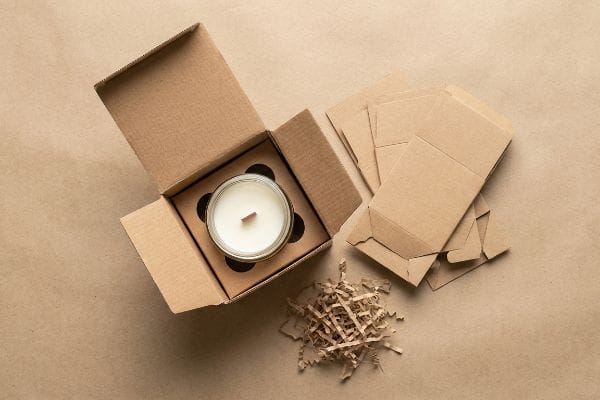
قد يعجبك المظهر الطبيعي للورق الخام، لكن توسيع نطاقه ليتناسب مع متاجر التجزئة الكبيرة يسبب احتكاكًا لوجستيًا شديدًا.
ما هي أنواع الصناديق الثلاثة؟
يضمن تصنيف عبوات البيع بالتجزئة مطابقة كثافة المواد الصحيحة مع مخاطر سلسلة التوريد المحددة.
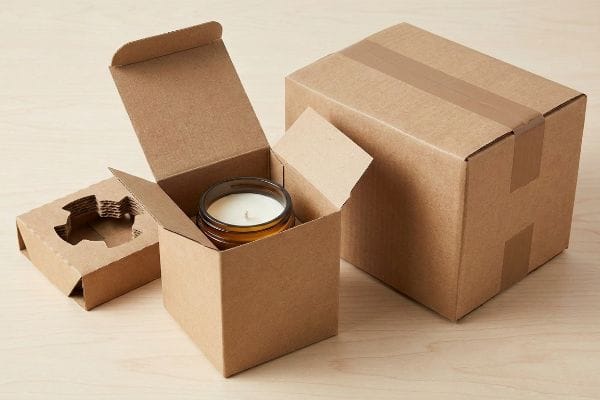
تتضمن أنواع الصناديق الثلاثة المستخدمة للشموع: الكرتون القابل للطي، وصناديق الهدايا الصلبة، وصناديق العرض الكرتونية المموجة. يضمن اختيار الطبقة الهيكلية المناسبة قوة تكديس مثالية، ويحمي البرطمانات الزجاجية الرقيقة من الصدمات الحركية أثناء عمليات النقل بالرافعات الشوكية متعددة المحاور وعمليات التعبئة الآلية.
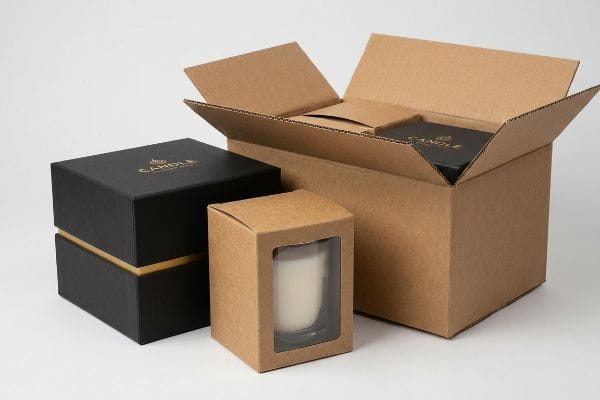
إن معرفة الفئات أمر سهل، لكن دمجها مع الميزات المتميزة في أرضية المصنع هو ما يتعثر فيه المبتدئون.
فخ شد رقعة النافذة في الكراتين الأساسية
من الأساليب الشائعة لدى المبتدئين طلب علبة كرتونية رقيقة قابلة للطي مصنوعة من ورق كرافت، مزودة بنافذة كبيرة شفافة من غشاء بوليمر لعرض الشمعة المصنوعة يدويًا بداخلها. يفترض المشترون أن طبقة مسطحة من بلاستيك PET (بولي إيثيلين تيريفثالات)مسبقًا سيثبت بشكل مثالي، مما يتيح للمستهلكين رؤية المنتج بوضوح مع الحفاظ على مظهر عضوي وصديق للبيئة.
في منشأتي، أرى هذا النوع من الهياكل يتشوه بشدة بشكل متكرر. نظرًا لأن البلاستيك الصلب وورق الكرافت الخام المسامي يتمددان بمعدلات مختلفة تمامًا في ظل رطوبة عالية في المستودع،فإن المواد اللاصقة الصلبة القياسية تُحدث توترًا سطحيًا هائلاً. لقد شاهدتُ عمال المتاجر يُعانون في تكديس هذه الكراتين لأن التوتر يُقوّس الكرتون المسطح إلى الداخل، مما يتسبب في انفصال النافذة الشفافة عن مكانها المُلصق بصوت عالٍ. أحل هذه المشكلة من خلال تطبيق بروتوكول استخدام رقعة نافذة مرنة، باستخدام مادة لاصقة مرنة مقاومة للظروف المناخية تتمدد مع تمدد ألياف الورق، مما يُقلل من تأخيرات خط التجميع بنسبة تُقدر بـ 30%.
| أخطاء شائعة للمبتدئين | الحل الاحترافي | فوائد أرضية البيع بالتجزئة |
|---|---|---|
| باستخدام غراء النوافذ البلاستيكي الصلب | لاصق مرن مطاطي3 | يمنع انفصال النافذة |
| تجاهل تمدد الرطوبة | بوليمرات مقاومة للظروف المناخية4 | يمنع تقوس الكرتون |
| تكديس الصناديق القابلة للطي الملتوية | تخفيف التوتر | يُسرّع عملية تعبئة الرفوف |
لا أسمح أبدًا باستخدام مواد لاصقة صلبة على ألواح الكرتون المسامية غير المبيضة لأن الشد الناتج عنها يُفسد بنيتها. استخدام مواد لاصقة مرنة يضمن استقرار الكراتين بشكل مثالي على الرفوف وسهولة تحميلها في صناديق الشحن الرئيسية دون أي عوائق.
🛠️ مكتب هارفي: هل تنحني صناديق العرض الحالية لديكم إلى الداخل أثناء التخزين في بيئة رطبة؟ 👉 اطلبوا تدقيقًا للمواد ↗ — تواصل مباشر مع مكتبي. أعدكم بعدم تلقي أي رسائل تسويقية آلية مزعجة.
هل يُسمح لي قانونًا ببيع الشموع المصنوعة منزليًا؟
إن الانتقال من هواية المطبخ إلى البيع بالتجزئة التجاري يتطلب التزاماً صارماً باللوائح الفيدرالية المتعلقة بالتعبئة والتغليف والمواد الكيميائية.
نعم. يمكنك بيع الشموع المصنوعة منزليًا بشكل قانوني إذا كان هيكل عملك، وملصقات سلامة المنتج، ومواد التعبئة والتغليف متوافقة مع قوانين التجارة المحلية. يشترط تجار التجزئة التجاريون الالتزام الصارم بالمواد الكيميائية، ما يعني أن عبوات الكرتون الخام غير المبيضة يجب أن تستخدم أحبارًا غير سامة وآمنة للأطفال لمنع تسرب المواد الخطرة أثناء ظروف التخزين القاسية في المستودعات.
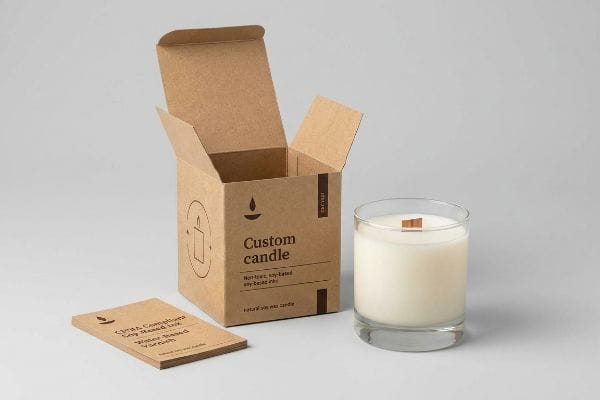
إن الحصول على رخصة عملك هو مجرد الحد الأدنى؛ أما إثبات أن عبواتك المادية لن تؤدي إلى تدقيق امتثال فهو العقبة الحقيقية.
المسؤولية الكيميائية لأحبار الطباعة القياسية
غالباً ما يصمم المؤسسون الناشئون رسومات بسيطة وجميلة لتغليف منتجاتهم، ثم يرسلون الملفات إلى أرخص مطبعة تجارية متاحة. ويفترضون أن الأحبار الصناعية القياسية المستخدمة في البريد المباشر أو علب الشحن العاديةمناسبة تماماً للسلع الاستهلاكية التي يُفترض أن يتم التعامل معها وشمها وتخزينها داخل المنازل.
أرى أن هذا الأمر سيُسبب رفضًا شديدًا من قِبل تجار التجزئة عندما تمتص العبوات الورقية المسامية غير المُحكمة الإغلاق أصباغًا معدنية ثقيلة أو مشتقة من البترول. فعندما تُخزّن هذه العبوات المُغطاة بكثافة بالحبر في مستودع حار سيئ التهوية، تنبعث منها رائحة كيميائية نفاذة تُطغى تمامًا على رائحة الشمع الرقيقة. لذا، أُلزم باستخدام أحبار نباتية مُتوافقة مع قانون تحسين سلامة المنتجات الاستهلاكية (CPSIA) وورنيشات مائية لجميع نقاط تلامس المنتج مع المستهلك. هذا المعيار الآمن للأطفال يمنع انبعاث الغازات السامة ويضمن اجتياز العبوة بسلاسة لعمليات التدقيق البيئي الصارمة في المتاجر الكبرى، مما يمنع تمامًا رفض الشحنات الواردة بسبب عدم الامتثال.
| أخطاء شائعة للمبتدئين | الحل الاحترافي | فوائد أرضية البيع بالتجزئة |
|---|---|---|
| باستخدام أحبار بترولية رخيصة | حبر الصويا المتوافق مع معايير CPSIA7 | يمنع انبعاث الغازات السامة8 |
| تطبيق الورنيشات الكيميائية | طبقات طلاء علوية مائية9 | يحافظ على رائحة الشموع |
| تجاهل عمليات التدقيق في المواد الكيميائية بالتجزئة | مستلزمات معتمدة وآمنة للأطفال | يمنع تلقي الرفض |
لا يستحق توفير بضعة سنتات على أصباغ رخيصة التسبب في إغلاق شامل لمتاجر التجزئة. إن الالتزام الصارم بمعايير الطباعة الكيميائية يحمي قيمة علامتك التجارية ويضمن أن تفوح من عبواتك رائحة الشمع المصنوع يدويًا، بدلاً من رائحة المذيبات الصناعية.
🛠️ مكتب هارفي: هل تشعر بالقلق من أن حبر التغليف الحالي يطغى على روائح الشمع الرقيقة؟ 👉 احصل على مراجعة لكيمياء الطباعة ↗ — حمّل الملف بأمان. صندوق رسائلي مفتوح إذا كانت لديك أي أسئلة لاحقًا.
ما هي أنواع الصناديق المختلفة؟
وبعيداً عن التصنيفات العامة، تحدد الأنماط الهيكلية بدقة كيفية تحميل منتجك وقفلها وعرضها على المستهلك.
تتضمن أنواع علب تغليف الشموع المختلفة علبًا ذات أطراف قابلة للطي بشكل مستقيم، وعلبًا ذات أطراف قابلة للطي بشكل عكسي، وعلبًا ذات قاع آلي، وعلبًا صلبة مكونة من قطعتين. ويحدد اختيار شكل الطي المناسب سرعة التجميع، مما يضمن تثبيت برطمانات الزجاج الرقيقة بإحكام دون إتلاف التجاويف الداخلية أثناء عمليات التعبئة والتغليف عالية السرعة.
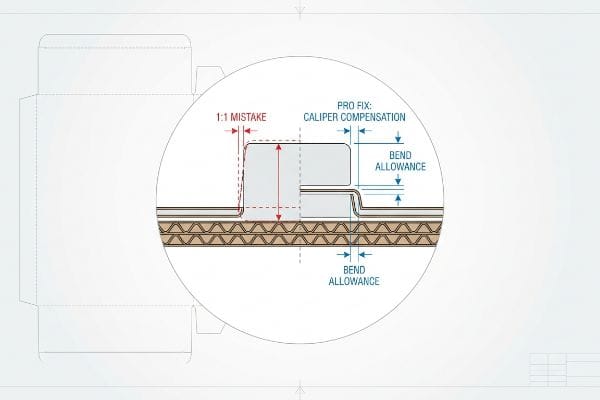
يبدو اختيار آلية القفل التلقائي فعالاً للغاية في قاعة الاجتماعات، لكن تنفيذها فعلياً يتطلب حسابات هندسية دقيقة للغاية.
انزياح خط التعويض في الفرجار
حتى المصممون المخضرمون غالباً ما يتجاهلون هذه النقطة العمياء عند رسم خطوط القطع ثنائية الأبعاد لعلب الكرتون السميكة القابلة للطي. فهم يصممون ألسنة التعشيق وفتحات الاستقبال في برامج التصميم الجرافيكي بنفس عرض اللوحة المقابلة تماماً (1:1)،على افتراض أن الورق يُطوى تماماً مثل الرسومات المتجهة الرقمية على الشاشة.
يستهلك طي الكرتون المموج السميك بزاوية 90 درجة كمية كبيرة من المواد . عند قياس هذه القوالب الأولية بنسبة 1:1 على طاولة القطع الرقمية من كونغسبيرغ، يتسبب قياس سمك الكرتون بدقة 1.5 مم (0.05 بوصة) في انحشار الألسنة بقوة في الفتحات الضيقة. يمكنك سماع صوت تمزق التجاويف الداخلية بوضوح عندما يحاول الموظفون إجبار الصندوق على أن يكون مربعًا، مما يؤدي إلى تقوس شديد في السطح يُفسد مظهره في المتاجر. أقوم تلقائيًا بتشغيل خوارزمية تعويض قياس السمك على جميع خطوط القطع، لتوسيع فتحات الاستقبال رياضيًا لتتوافق مع مقدار الانحناء المسموح به، مما يوفر على شركات التعبئة والتغليف 25 ثانية من العمل اليدوي لكل وحدة .
| أخطاء شائعة للمبتدئين | الحل الاحترافي | فوائد أرضية البيع بالتجزئة |
|---|---|---|
| تصميم فتحات مسطحة بنسبة 1:1 | حسابات تعويض الفرجار13 | يمنع انحشار الاحتكاك في اللسان |
| مع تجاهل سمك المادة | بدلات الانحناء الديناميكية14 | يمنع تقوس السطح الخارجي |
| شد ألسنة التعشيق بإحكام | فجوات دقيقة للتخليص15 | يقلل وقت التجميع بشكل كبير |
أعتمد على برامج التصميم بمساعدة الحاسوب (CAD) البارامترية لأن الورق المقوى الخام لا يلتزم بالهندسة الرقمية المثالية. يضمن تحديد مقدار الانحناء بدقة في ملف القطع عملية تجميع سلسة وخالية من التمزق لفريق المستودع.
🛠️ مكتب هارفي: هل يقوم عمال مستودعك بتمزيق الكرتون لمجرد إغلاق الألسنة؟ 👉 احصل على حل مجاني لمشكلة خطوط القطع ↗ — لا استمارات تُسبب مكالمات مبيعات لا تنتهي. قيمة حقيقية فقط.
ما هي الأحجام النموذجية لصناديق الشموع؟
إن توحيد أبعاد منتجاتك يحدد مدى ملاءمة منتجاتك الأساسية لعروضها الثانوية وحاويات الشحن من الدرجة الثالثة.
تتراوح الأحجام النموذجية لعلب الشموع عادةً من 50×50×50 مم للشموع الصغيرة إلى 100×100×127 مم للشموع متعددة الفتائل. يتطلب التخطيط السليم للأبعاد هندسة دقيقة لتفاوتات الإزاحة، لضمان انزلاق هذه الوحدات الأساسية بسلاسة في علب البيع بالتجزئة الرئيسية دون أي مخاطر لوجستية.
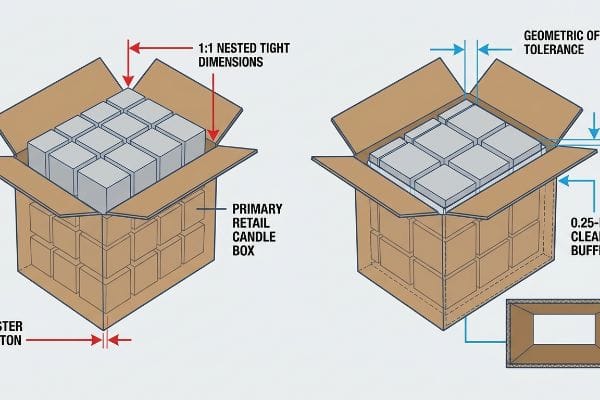
إن الحصول على علبة كرتون قابلة للطي بحجم مثالي في المختبر أمر سهل، ولكن إليك الحقيقة القاسية عندما تقوم بشحن 500 علبة منها داخل صندوق شحن رئيسي.
لماذا تفشل عملية التعشيش بنسبة 1:1 في أرضية المصنع؟
يقع العديد من فرق المشتريات في فخ تصميم التجويف الداخلي لكرتونة الشحن الرئيسية بحيث يتطابق تمامًا مع الأبعاد الخارجية المجمعةلصناديق البيع بالتجزئة الرئيسية الموجودة بداخلها. إذ يفترضون حسابيًا أن إحكامًا تامًا، دون أي فراغ، سيضمن تثبيت البرطمانات الزجاجية في مكانها وتوفير أقصى حماية أثناء النقل البحري المضطرب.
في منشأتي، ألاحظ بشكل روتيني أن هذا الترتيب النظري للعلبة يتعطل تمامًا أثناء فتحها. نظرًا لأن الورق المقوى الخام غير المبيض يتميز باحتكاك سطحي عالٍ للغاية،فإن سحب صينية ضيقة مقاس 609 مم من صندوق شحن بنفس المقاس يُحدث انغلاقًا تامًا. أختبر ذلك باستخدام محاكاة السحب والإسقاط، وبدون وجود مساحة كافية، يقوم موظفو المتاجر المتسرعون بسحب الألواح الأمامية بقوة، مما يؤدي إلى تمزيق حواف التثبيت الخام من العرض الجاهز للبيع بالتجزئة. أحل هذه المشكلة من خلال تطبيق هامش خطأ هندسي دقيق، حيث أقوم بتخصيص هامش أمان محيطي أدنى مطلق يبلغ 6.35 ممانخفاض احتكاك فتح العلبة إلى الصفر، مما يمنع تلف العناوين الرسومية ويقضي على عمليات رد المبالغ الباهظة التي يتكبدها تجار التجزئة نتيجة تلف البضائع.
| أخطاء شائعة للمبتدئين | الحل الاحترافي | فوائد أرضية البيع بالتجزئة |
|---|---|---|
| أبعاد متداخلة بنسبة 1:1 | التفاوت المسموح به في الإزاحة الهندسية19 | يوقف فتح أقفال الفراغ |
| الاعتماد على تركيبات الاحتكاك | حاجز خلوص 0.25 بوصة20 | يمنع تمزق رؤوس العرض |
| تجاهل مقاومة الورق المقوى | الفراغات المحيطة الرياضية21 | يمنع عمليات رد المبالغ المدفوعة من قبل تجار التجزئة |
أرفض السماح للرياضيات النظرية المثالية بإفساد عملية طرح مثالية على أرض الواقع. إن بناء هذا الحاجز الهيكلي الصغير الذي يبلغ 0.25 بوصة (6.35 مم) مباشرةً في خطوط قطع الكرتون الرئيسية يضمن وصول شحنتك الهشة بأمان وفك تغليفها بسلاسة في ثوانٍ.
🛠️ مكتب هارفي: هل يقوم موظفو متجرك بتمزيق عناوين العرض لمجرد إخراجها من صندوق الشحن؟ 👉 أرسل لي ملف تصميم القالب الخاص بك ↗ — سأقوم باختبار الحسابات قبل أن تهدر ميزانيتك على الإنتاج الضخم.
خاتمة
يمكنك اختيار مورد أرخص، ولكن عندما يتعطل كرتون العرض الرئيسي المتداخل بنسبة 1:1 بسبب رطوبة المستودع، سيقوم الموظفون المتسرعون بتمزيق عناوين العرض بعنف، مما يؤدي إلى رفض فوري من قبل تجار التجزئة، وبالتالي القضاء تمامًا على هامش ربحك الموسمي. هذه هي ورقة المواصفات الدقيقة التي يستخدمها أفضل 10 عملاء تجزئة لديّ لضمان عدم رفض أي منتج. توقف عن التخمين بشأن الإزاحات الهيكلية، ودعني أختبر قوالبك شخصيًا من خلال خدمة تدقيق القوالب المجانية ↗ لتحديد المسافات الدقيقة قبل الموافقة على الإنتاج بكميات كبيرة.
"تغليف نوافذ الكرتون القابل للطي - خيارات الأفلام"، https://www.netpak.com/en/packaging-resources/industry-articles/window-packaging-folding-cartons-film-choices/. تؤكد المواصفات الفنية للتغليف أن مادة البولي إيثيلين تيريفثالات (PET) هي المعيار الصناعي لألواح النوافذ الشفافة نظرًا لشفافيتها وصلابتها الهيكلية. دور الدليل: التحقق الفني؛ نوع المصدر: دليل علوم المواد. يدعم: البوليمر المحدد المستخدم في حشوات النوافذ. ملاحظة النطاق: يركز على خصائص مادة البولي إيثيلين تيريفثالات (PET) في تغليف التجزئة. ↩
"نظرة عامة على الورق ومواد تغليف المواد الغذائية المصنوعة من الورق"، https://pmc.ncbi.nlm.nih.gov/articles/PMC6801293/. بيانات فنية تقارن معامل التمدد الاسترطابي للبوليمرات وألياف السليلوز في بيئات عالية الرطوبة. دور الدليل: التحقق الفني؛ نوع المصدر: مرجع في علم المواد. يدعم: السبب الفيزيائي لتشوه المواد في علب الكرتون الأولية. ملاحظة النطاق: يركز على ورق الكرافت غير المطلي. ↩
"التغليف ذو النافذة الصلبة مقابل التغليف ذو النافذة المرنة"، https://www.tamarackproducts.com/packaging/rigid-vs-flexible-window-packaging/. شرح موجز لكيفية دعم مصدر خارجي موثوق لهذا الادعاء. دور الدليل: المواصفات الفنية؛ نوع المصدر: دليل علوم المواد. يدعم: يمنع انفصال النافذة. ملاحظة النطاق: يقتصر على الكراتين الأساسية. ↩
"تأثير الرطوبة ودرجة الحرارة على الخواص الميكانيكية لـ..."، https://bioresources.cnr.ncsu.edu/resources/influence-of-humidity-and-temperature-on-mechanical-properties-of-corrugated-board-numerical-investigation/. شرح موجز لكيفية دعم مصدر خارجي موثوق لهذا الادعاء. دور الدليل: التحقق من خواص المادة؛ نوع المصدر: دليل هندسة التغليف. يدعم: يمنع تقوس الكرتون. ملاحظة النطاق: خاص بالمواد المسترطبة. ↩
"جودة معلومات السلامة الكيميائية في صناعة الطباعة - PMC - NIH"، https://pmc.ncbi.nlm.nih.gov/articles/PMC4886190/. توضح الإرشادات التنظيمية المعتمدة من هيئات مثل إدارة الغذاء والدواء الأمريكية (FDA) أو REACH الاختلافات الكيميائية بين الأحبار الصناعية والأحبار المعتمدة لتغليف المنتجات الموجهة للمستهلك. دور الدليل: المواصفات الفنية؛ نوع المصدر: إرشادات تنظيمية. يدعم: التمييز بين مستويات سلامة الأحبار الصناعية والأحبار المخصصة للمستهلك. ملاحظة النطاق: يركز على مخاطر انتقال المواد الكيميائية وتقلبها. ↩
قانون تحسين سلامة المنتجات الاستهلاكية (CPSIA) | CPSC.gov، https://www.cpsc.gov/Regulations-Laws–Standards/Statutes/The-Consumer-Product-Safety-Improvement-Act. توضح الإرشادات الرسمية الصادرة عن لجنة سلامة المنتجات الاستهلاكية (CPSC) الحدود القصوى المسموح بها للرصاص والفثالات في أحبار تغليف المنتجات الاستهلاكية. دور الدليل: التحقق التنظيمي؛ نوع المصدر: وكالة حكومية. يدعم: ضرورة الامتثال لقانون تحسين سلامة المنتجات الاستهلاكية (CPSIA) لضمان سلامة الأحبار. ملاحظة النطاق: التركيز على القانون الفيدرالي الأمريكي. ↩
"FR Doc E9-20589"، https://downloads.regulations.gov/CPSC-2009-0002-0002/content.htm. يؤكد مصدر موثوق لمعايير السلامة الكيميائية (مثل لجنة سلامة المنتجات الاستهلاكية الأمريكية CPSC) أن الأحبار المصنوعة من فول الصويا تفي بمتطلبات قانون تحسين سلامة المنتجات الاستهلاكية (CPSIA) فيما يتعلق بالرصاص والفثالات. دور الدليل: التحقق؛ نوع المصدر: هيئة تنظيمية. يدعم: متطلبات الامتثال لتغليف منتجات التجزئة. ملاحظة النطاق: خاص بمعايير السلامة الفيدرالية الأمريكية. ↩
"الأحبار العادية مقابل الأحبار النباتية: ما الفرق؟"، https://tpsgp.osu.edu/blog/regular-vs-plant-based-inks-what%E2%80%99s-difference. تُظهر الأبحاث العلمية حول المركبات العضوية المتطايرة أن الأحبار المصنوعة من فول الصويا تُقلل بشكل ملحوظ من انبعاث الغازات السامة مقارنةً بالبدائل المصنوعة من البترول. دور الدليل: برهان تقني؛ نوع المصدر: دراسة كيميائية. يدعم: ميزة السلامة لحبر الصويا. ملاحظة النطاق: يركز على مستويات انبعاث المركبات العضوية المتطايرة. ↩
"الطبقات النهائية الزيتية والمائية نوعان من... - انستغرام"، https://www.instagram.com/reel/DIlq4g1OsoI/?hl=en. تُظهر البيانات الفنية المتعلقة بالتفاعلات الكيميائية أن التشطيبات المائية تفتقر إلى المذيبات القوية الموجودة في الورنيشات التقليدية والتي قد تُتلف زيوت الشموع العطرية. دور الدليل: المواصفات الفنية؛ نوع المصدر: تقرير علوم المواد. يدعم: الحفاظ على رائحة المنتج. ملاحظة النطاق: ينطبق على عبوات البيع بالتجزئة الحساسة للروائح. ↩
"تأثير خطوط الطي التناظرية والرقمية على الجوانب الميكانيكية... - PMC"، https://pmc.ncbi.nlm.nih.gov/articles/PMC9268991/. توضح معايير الصناعة لتصميم التغليف الهيكلي ضرورة تعويض السماكة (إزاحات السُمك) لضمان ملاءمة الألسنة للفتحات عند استخدام المواد المموجة. دور الدليل: التحقق الفني؛ نوع المصدر: دليل هندسة التغليف. يدعم: الادعاء بأن الأبعاد بنسبة 1:1 غير كافية للطيات المادية. ملاحظة النطاق: ينطبق تحديدًا على الكرتون المموج من النوع E. ↩
"التحليل التحليلي لصلابة الانحناء لخمسة..."، https://pmc.ncbi.nlm.nih.gov/articles/PMC8777652/. دليلٌ موثوقٌ به في هندسة التغليف، يشرح أن سُمك المادة (الفرجار) يتطلب هامشًا لتجنب التشوه أثناء الطي. دور الدليل: مبدأ تقني؛ نوع المصدر: دليل صناعي. يدعم: الادعاء بأن المادة تُستهلك أثناء الطي بزاوية 90 درجة. ملاحظة: التفاصيل تعتمد على حجم الطية. ↩
"دليل الخطوط المنحنية والتشويه - الجزء 2 - روبرت كامبل"، https://tuckyhut.com/curved-dielines-and-warping-tutorial-part-2-create-dieline-for-cup-package/. توفر دراسات الكفاءة الصناعية بيانات حول تقليل وقت التجميع عندما تتناسب الألسنة بدقة دون استخدام القوة. دور الدليل: التحقق الكمي؛ نوع المصدر: تحليل تشغيلي. يدعم: الادعاء بتوفير الوقت لكل وحدة. ملاحظة النطاق: يعتمد الوقت الفعلي على البراعة اليدوية وسماكة اللوح. ↩
"طريقة جديدة لتعويض الاحتكاك في محركات آلات التشغيل..."، https://pubmed.ncbi.nlm.nih.gov/39123867/. تشرح معايير التغليف الفنية كيفية منع احتكاك اللسان عن طريق تعديل خطوط القطع بناءً على سُمك المادة (الفرجار). دور الدليل: التحقق الفني؛ نوع المصدر: دليل هندسي. يدعم: استخدام تعويض الفرجار لمنع انحشار الاحتكاك. ملاحظة النطاق: ينطبق تحديدًا على تصميم علب الكرتون القابلة للطي. ↩
"إتقان نصف قطر انحناء مكابس الثني - شركة ADH لماكينات الأدوات"، https://www.adhmt.com/press-brake-bend-radius/. تمنع مواصفات التصنيع الخاصة ببدلات الثني في المواد الصفائحية التشوه والتقوس على السطح الخارجي أثناء الطي. دور الدليل: التحقق الفني؛ نوع المصدر: معيار التصنيع. يدعم: منع تقوس السطح من خلال بدلات الثني. ملاحظة النطاق: يعتمد على سُمك المادة ونصف قطر الطي. ↩
دليل تصميم الهياكل لتغليف الورق، https://greendotpackaging.com/paper-packaging-structural-design-guide/. تشير إرشادات التصميم الصناعي إلى أن إضافة هوامش تفاوت محسوبة أو فجوات خلوص إلى ألسنة التعشيق يقلل من احتكاك التجميع ووقته. دور الدليل: التحقق التشغيلي؛ نوع المصدر: دليل الإنتاج. يدعم: تأثير فجوات الخلوص على سرعة التجميع. ملاحظة النطاق: يركز على التجميع اليدوي والآلي. ↩
"كيفية تبسيط شحن البرطمانات الكبيرة"، https://flushpackaging.com/blogs/the-flush-feed/simplify-bulk-jar-shipping?srsltid=AfmBOooBCpG_F2QWNd-gXNWg1mkkaFDnw3GRe36s5529Q6PCzlchtYuB. توضح معايير هندسة التغليف ضرورة وجود هوامش سماحية لتجنب الكسر الناتج عن الضغط وتحسين كفاءة التعبئة. دور الدليل: التحقق الفني؛ نوع المصدر: معيار صناعي. يدعم: الادعاء بأن تصميم عدم وجود هوامش هو خطأ في عملية الشراء. ملاحظة النطاق: يركز على التغليف الثانوي الصلب. ↩
اختبار معامل الاحتكاك، https://unitload.vt.edu/facilities/corrugated-packaging-lab/cof-testing.html. يُعدّ هذا المصدر مرجعًا موثوقًا في علم مواد الورق، حيث يُؤكد معاملات الاحتكاك للورق المقوى غير المعالج مقارنةً بالبدائل المطلية. دور الدليل: التحقق التقني؛ نوع المصدر: دليل في علم المواد. يدعم: الادعاء بأن احتكاك المادة يُساهم في حدوث انحباس الفراغ. ملاحظة النطاق: خاص بالركائز غير المبيضة. ↩
"دليل شامل لتفاوت أبعاد صناديق الكرتون المموج - Upack"، https://www.upack.in/blog/post/complete-guide-on-corrugated-box-dimension-tolerance?srsltid=AfmBOopjvwJUB2vZYN_qaVzwUrI22E7Q04su2qGlycbR0HYwOEPCyoFp. توفر إرشادات هندسة التغليف معايير التفاوتات القياسية لتركيب الصواني الداخلية في صناديق الشحن الخارجية لمنع الالتصاق. دور الدليل: التحقق من صحة معايير الصناعة؛ نوع المصدر: دليل هندسة التغليف. يدعم: الصلاحية الفنية لإزاحة 0.25 بوصة. ملاحظة: قد تختلف التفاوتات بناءً على درجة الكرتون. ↩
"نصائح حول التغليف الحراري بالتفريغ"، https://www.packworld.com/leaders-new/machinery/thermoform-fill-seal/article/22578135/advice-about-vacuum-thermoformed-packaging. التحقق من المبدأ الهندسي الذي يمنع فيه التفاوت في الإزاحة فروق ضغط الهواء (انغلاق التفريغ) أثناء إخراج المنتج. دور الدليل: مبدأ تقني؛ نوع المصدر: دليل هندسة التغليف. يدعم: استخدام الإزاحات الهندسية في التداخل بنسبة 1:1. ملاحظة النطاق: خاص بالحاويات المتداخلة المحكمة. ↩
"التغليف والتخطيط اللوجستي لعروض البيع بالتجزئة - فرانك ماير"، https://www.frankmayer.com/blog/packaging-and-logistics-planning-for-retail-displays/. التحقق من صحة قياسات الخلوص القياسية المستخدمة في الصناعة لمنع التلف الناتج عن الاحتكاك في رؤوس العرض. دور الدليل: المواصفات الفنية؛ نوع المصدر: معيار التصميم الصناعي. يدعم: فعالية حاجز 0.25 بوصة. ملاحظة النطاق: يختلف بناءً على سمك المادة ووزن المنتج. ↩
"حشو الفراغات والتدعيم والتقوية الورقية تحل محل الوسادة الفقاعية..."، https://www.packworld.com/packexpo/video/22925860/paperbased-void-fill-dunnage-and-bracing-replaces-bubble-cushion-foam. شرح لكيفية تقليل الفجوات المحيطية المحسوبة للاحتكاك والسحب في عبوات الورق المقوى المتداخلة لتجنب الانهيار الهيكلي. دور الدليل: علم المواد؛ نوع المصدر: ورقة بيضاء تقنية. يدعم: استخدام الفراغات المحيطية لمنع عمليات رد الأموال من قبل تجار التجزئة. ملاحظة النطاق: ينطبق بشكل أساسي على التغليف الثانوي ذي الحجم الكبير. ↩