إطلاق حملة تسويقية في قطاع التجزئة دون إتقان الجوانب العملية لعرض المنتجات في نقاط البيع هو طريق مباشر لهدر الميزانية واسترداد الأموال من تجار التجزئة. دعونا نحل هذه المشكلة.
تُعدّ شاشات العرض المخصصة لنقاط البيع والشراء وحدات هيكلية مصممة هندسيًا لعرض وتسويق وتوزيع السلع الاستهلاكية المادية داخل بيئات البيع بالتجزئة التجارية. فهي تجذب انتباه المتسوقين، وتنظم المخزون، وتحفز عمليات الشراء الاندفاعية مباشرةً في ممرات عرض البضائع العالمية ذات الحركة المرورية العالية.

إن فهم المصطلحات الهيكلية ليس سوى الخطوة الأولى. يبدأ التحدي الحقيقي عندما تصطدم هذه المفاهيم النظرية بالقيود المادية لأرضية متجر مزدحمة.
ما الفرق بين شاشات نقاط البيع وشاشات نقاط البيع؟
إن التمييز بين هاتين المنطقتين يحدد استراتيجيتك الهيكلية بأكملها.
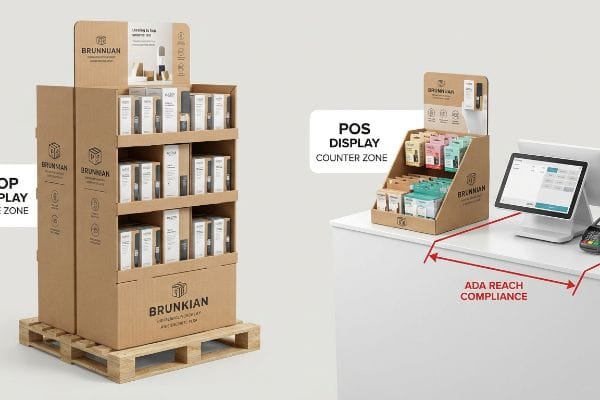
يكمن الفرق بين شاشات نقاط البيع وشاشات نقاط البيع في موقعها داخل المتجر ومساحتها. تشغل وحدات نقاط البيع ممرات واسعة مفتوحة، بينما تقتصر وحدات نقاط البيع تحديدًا على طاولات المعاملات القريبة من صندوق الدفع لتحفيز عمليات الشراء الاندفاعية في اللحظات الأخيرة.
لكن تعريف الاختصارات أمر سهل؛ أما الهندسة لمناطقها المادية المتميزة فهي التي تحدد نجاح الحملات أو فشلها.
تجاوز الفجوة المكانية بين قانون الأمريكيين ذوي الإعاقة (ADA) وقانون تعديل الإسكان الحضري (GMA)
تفترض العديد من العلامات التجارية أنها تستطيع ببساطة تصميم وحدة عرض ثم تقليصها حسابيًا إلى النصف لتكون بمثابة منصة عرض عند نقاط. فهي تتعامل مع المتجر بأكمله كلوحة بيضاء، متجاهلةً القواعد القانونية واللوجستية الصارمة التي تحكم هاتين المنطقتين التجاريتين المنفصلتين.هذه العقلية التوسعية تتجاهل تمامًا الحدود المادية الفعلية التي يفرضها مديرو العمليات في المتاجر الكبرى.
ألاحظ هذا الخطأ الشائع بين المبتدئين باستمرار عند مراجعة قوالب القطع المسطحة. يحاول أحد المشترين وضع قالب أرضي ضخم على طاولة الدفع، مخالفًا بذلك تمامًا قانون الأمريكيين ذوي الإعاقة (ADA) الذي ينص على أن يكون مدى الوصول الأمامي من 38.1 إلى 121.9 سم (15-48 بوصة) . عندما يحاول موظف المتجر تركيبه، تتدلى القاعدة الثقيلة فوق جهاز المسح الضوئي، مما يضطره إلى دفعه بقوة للخلف حتى يُسمع صوت احتكاك الورق المقوى بالجدار. يرفضه مدير المتجر فورًا، ويرمي القالب الثمين في مكبس النفايات. في متجري، نفصل مسارات التصميم بشكل دائم: تُثبّت القوالب الأرضية وفقًا لمعيار جمعية مصنعي البقالة (GMA)بـ 121.9 × 101.6 سم (48×40 بوصة) لأغراض التخزين، بينما تُصمّم قوالب العرض على الطاولة خصيصًا لتوفير وصول مريح. من خلال هذا الفصل، نتجنب أي مشاكل مع تجار التجزئة ونضمن موافقة المتجر الفورية.
| أخطاء شائعة للمبتدئين | الحل الاحترافي | فوائد أرضية البيع بالتجزئة |
|---|---|---|
| تقليص حجم وحدة أرضية لتناسب المنضدة | استخدام قيود مكانية متميزة | يمنع رفض الامتثال لقانون الأمريكيين ذوي الإعاقة4 |
| تجاهل أبعاد ماكينة تسجيل المدفوعات النقدية | التصميم من أجل الوصول الأمامي الصارم5 | يضمن تفاعلاً مريحاً للمتسوقين |
| التحميل الزائد على مساحة قاعدة صغيرة | موازنة نسبة العمق إلى الارتفاع6 | يمنع الوحدة من الانقلاب |
أذكّر عملائي دائمًا بأنّ التصميم الجرافيكي الجميل لا يُمكنه إنقاذ مبنى غير مطابق للمواصفات. يجب تصميم المخطط بدقة ليناسب المساحة التي سيشغلها لتجنب التكاليف الباهظة.
🛠️ مكتب هارفي: هل أنت غير متأكد من مدى توافق وحدة المنضدة الخاصة بك مع مناطق الوصول الحرجة؟ 👉 دعني أراجع مواصفاتها ↗ — وصول مباشر إلى مكتبي. أعدك بعدم تلقي أي رسائل تسويقية آلية مزعجة.
ما هي أنواع الشاشات الخمسة؟
إن تصنيف منتجاتك التجارية بشكل صحيح يحدد ميزانية المواد الخاصة بك.
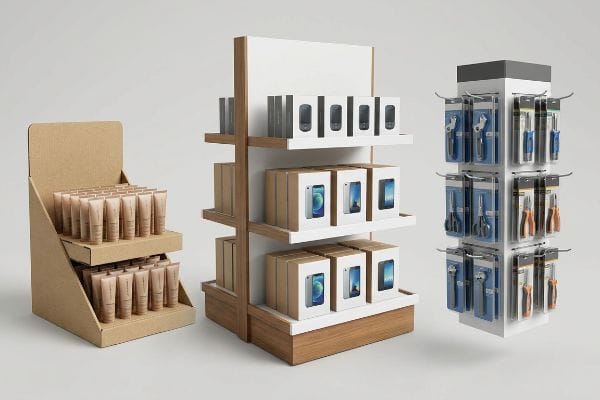
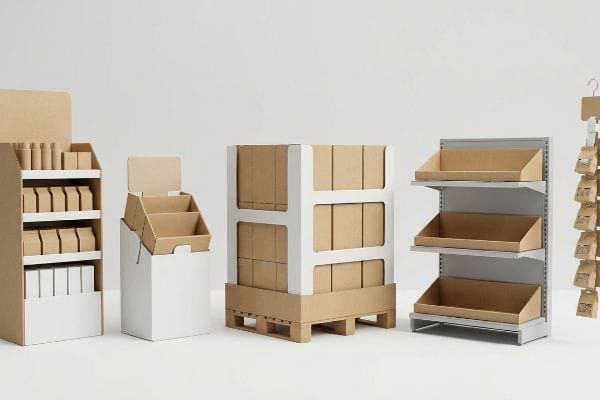
تشمل أنواع العرض الخمسة وحدات أرضية قائمة بذاتها، ووحدات عرض تُوضع على الطاولات، وهياكل منصات نقالة شديدة التحمل، ورفوف عرض جاهزة للبيع بالتجزئة، وشرائط تعليق. تستخدم كل فئة هندسة هيكلية مميزة لتحسين استغلال المساحات المحدودة، واستهداف مستويات نظر المتسوقين المختلفة، والتعامل مع أوزان المنتجات المتفاوتة في بيئات البيع بالتجزئة العالمية.
إن معرفة الفئات الخمس تساعدك في التخطيط للحملة، لكن تنفيذ الهيكل الداخلي لتلك الوحدات يتطلب عقلية مختلفة تمامًا.
صينية الرفوف ومصيدة التباعد
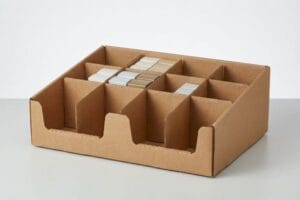
عند تصميم رفوف عرض قياسية أو صناديق أرضية ، غالبًا ما تحاول فرق التسويق عديمة الخبرة حشر شبكة كثيفة ومتناسقة تمامًا من المنتجات داخل الصندوق. يفترضون أن زيادة الكثافة الداخلية ستؤدي تلقائيًا إلى عائد استثمار أعلى لكل قدم مربع. يتجاهل هذا النهج المبسط الواقع النفسي للتسويق البصري، والآليات المادية لإعادة تخزين المنتجات في المتاجر .
ألاحظُ كيف ينقلب هذا الأمر ضدّ صاحب المتجر عندما يحاول موظف المناوبة الليلية سحب منتج من صينية مكتظة. ولأنّ المنتجات متراصة فوق بعضها دون أيّ مسافة بينها، فإنّ أظافر الموظف تعلق بحافة الكرتون المضلّع، ممزّقةً الغلاف الورقيّ البنيّ بصوت تمزّق عالٍ. ولمنع ذلك، أطبّقُ استراتيجية فواصل معيارية مُخصّصة تفصل البضائع إلى مجموعات غير متماثلة من ثلاثة أو خمسة أو سبعة منتجات . توفّر هذه المسافة الهيكلية المدمجة مساحةً فاصلةً فيزيائيةً حاسمةً تبلغ 6.35 ملم . وهي تُجبر العين على التفاعل مع التصميم، بينما تمنع تمامًا تمزّق الكرتون أثناء عمليات إعادة التخزين السريعة داخل المتجر، ما يحافظ على مظهر العلامة التجارية الأنيق على الرفوف.
| أخطاء شائعة للمبتدئين | الحل الاحترافي | فوائد أرضية البيع بالتجزئة |
|---|---|---|
| حشو المنتجات بدون أي مساحة خالية | إضافة مخزن تباعد مخصص11 | يمنع الموظفين من تمزيق الشفة الأمامية |
| استخدام تخطيط شبكي متناظر | هندسة المجموعات ذات الأرقام الفردية12 | يخلق توتراً بصرياً لجذب انتباه المتسوقين |
| تجاهل عملية إعادة التخزين | تصميم فواصل إدخال معيارية13 | يُسرّع عملية تجديد المخزون الليلي |
لا أسمح أبدًا لأي علامة تجارية بالتضحية بمساحة التخزين المتاحة لإعادة التعبئة لمجرد إضافة وحدة أخرى إلى الرف. إن إتاحة مساحة كافية للمنتج هي ما يمنع فعليًا تلفه بشكل كارثي على الرف.
🛠️ مكتب هارفي: هل منتجاتك معبأة بإحكام شديد لدرجة أنها قد تتمزق عند إخراجها؟ 👉 احصل على قائمة التحقق من المسافات ↗ — حمّلها بأمان. صندوق رسائلي مفتوح إذا كانت لديك أي أسئلة لاحقًا.
ما هو مثال على شاشة عرض نقاط البيع؟
يجب أن يقوم مصمم عرض المنتجات الفعال في أرضية المتجر بتأطير عبواتك الأساسية بشكل مثالي.
من الأمثلة على عروض نقاط البيع صناديق العرض الأرضية المصنوعة من الكرتون المموج، والتي تُستخدم لعرض زجاجات النبيذ الفاخرة في نهاية ممرات البقالة. ترفع هذه الهياكل المؤقتة المنتج عن الأرض، وتنظم المخزون، وتستخدم رسومات خارجية جذابة لجذب انتباه المتسوقين.
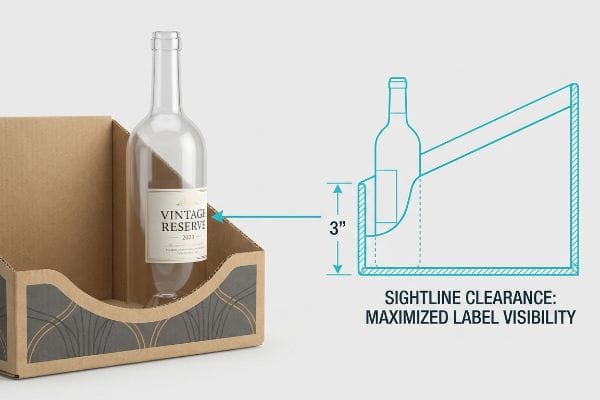
على الرغم من أن فكرة صندوق النبيذ البسيط تبدو سهلة على الورق، إلا أن التنفيذ المادي غالباً ما يدمر العلامة التجارية التي تم بناؤها من أجل الترويج لها.
فخ إخفاء الشفاه
تستثمر العديد من العلامات التجارية للمشروبات الفاخرة بكثافة في تصميم ملصقات زجاجاتها الرئيسية لجذب المستهلكين من مختلف الأقسام. مع ذلك، عند تحويل هذه الزجاجات إلى منصات عرض أرضية مموجة، غالبًا ما يصمم مصممو العبوات العامة حوافًا أمامية مرتفعة للغاية (14) . هذا الخطأ الهيكلي يحجب تمامًا القيمة القانونية والتسويقية الأساسية للمنتج عن أنظار المستهلك.
تخيل الأمر كأنك تشتري لوحة إعلانية باهظة الثمن ثم تركن شاحنة ضخمة أمامها مباشرةً. أرى هذا باستمرار عند مراجعة التصاميم المقدمة؛ يرسم المصمم جدارًا أماميًا مستقيمًا بطول 10.16 سم، مما يخفي تمامًا سنة الإنتاج المهمة المطبوعة على الزجاجة. إذا لم أنتبه لذلك، يلقي المتسوق المتسرع نظرة خاطفة على الملصق المخفي، ويشعر بالحيرة، ثم يكمل طريقه. لحل هذه المشكلة، أقوم باستيراد الشكل الهندسي الدقيق لملصق الزجاجة مباشرةً إلى بيئة التصميم بمساعدة الحاسوب (CAD). ثم أقوم بتصميم حافة حامل العرض بدقة متناهية مع انحناءة مخصصة، مما يضمن انخفاض الكرتون بما يكفي لضمان رؤية واضحة. يدمج هذا التعديل الدقيق بسلاسة بين أمان المنتج وأقصى تأثير بصري، مما يضمن تحويل حركة المرور في الممر إلى عملية بيعفعلية.
| أخطاء شائعة للمبتدئين | الحل الاحترافي | فوائد أرضية البيع بالتجزئة |
|---|---|---|
| باستخدام جدران استنادية مستقيمة وعالية | تصميم شكل انسيابي مقطوع حسب الطلب16 | يحافظ على وضوح ملصق المنتج الأساسي |
| تصميم الصينية بدون المنتج | استيراد هندسة الزجاجة إلى برنامج التصميم بمساعدة الحاسوب (CAD)17 | يضمن ملاءمة هيكلية مخصصة مثالية |
| إخفاء نص الامتثال الهام | تحديد خط الرؤية بدقة18 | يمنع ارتباك المتسوقين في الممر |
أحرص دائمًا على معاينة المنتج الفعلي داخل قالب القطع قبل قص أي قطعة من الورق المقوى. إذا كان غلاف المنتج يخفي الملصق، فإن مندوب المبيعات يُعرقل مبيعاتك عمدًا.
🛠️ مكتب هارفي: هل يُخفي تصميم صينية العرض الحالي أهم ميزات منتجك عن غير قصد؟ 👉 اطلب مراجعة شاملة لتصميمك ↗ — لا توجد استمارات تُؤدي إلى مكالمات مبيعات لا تنتهي. فقط قيمة حقيقية.
من يستطيع تصميم العروض في متجرك؟
إن اختيار شريك التصنيع المناسب يحدد ما إذا كانت حملتك ستنجح بالفعل أم لا.
يعتمد اختيار الجهة المسؤولة عن تصميم العروض في متجرك على استراتيجيتك اللوجستية. عادةً ما يتعاون مصنّعو التغليف الجاهز، ومهندسو الهياكل المتخصصون، وشركات التغليف المتعاقدة من جهات خارجية لتصميم وطباعة وتجميع وتعبئة الوحدات المادية مسبقًا قبل شحنها مباشرةً إلى متاجر البيع بالتجزئة لعرضها فورًا.
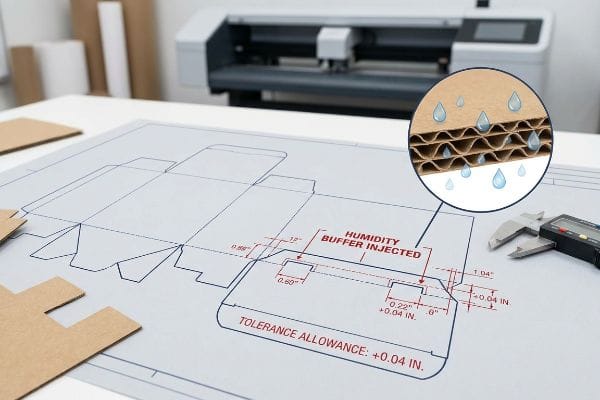
لكن معرفة النظرية لا تكفي عندما تبدأ الآلات بالعمل وتتغير نسبة الرطوبة.
لماذا يفشل الكرتون القياسي في أرضية المصنع؟
يلجأ أصحاب العلامات التجارية في كثير من الأحيان إلى نموذج شراء مجزأ، حيث يستعينون بمصمم جرافيك رخيص لرسم الشكل، وشركة تعبئة وتغليف منفصلة لتجميعه. يفترضون أن الفتحة الرقمية المرسومة بدقة في برنامج حاسوبي ستنزلق بسهولة في الواقع. يتجاهل هذا النهج المنعزل تمامًا الخصائص الفيزيائية للورق المقوى الخام .
يُعدّ تثبيت شاشة واحدة في مختبر مُكيّف أمرًا سهلاً، لكنّ الواقع المرير يكمن في شحن 500 شاشة إلى مستودع ساحلي رطب. في منشأتي، أرى باستمرار خطوط القطع الصلبة تتعطل تمامًا لأنّ بطانة الاختبار المسامية 32ECT (اختبار سحق الحواف) تمتص الرطوبة المحيطةأضيق بمقدار 1.01 مم. عندما يحاول عامل التعبئة والتغليف ضغط الأجزاء المتمددة معًا، تنضغط الأخاديد الداخلية وتتمزق الطبقة العلوية بشكل واضح تحت الاحتكاك. أحلّ هذه المشكلة عن طريق إدخال هامش رطوبة دقيق في تفاوتات القطع قبل بدء الإنتاج الضخم. من خلال تطبيق هذا الهامش الدقيق، أضمن انخفاض وقت تجميع التعبئة والتغليف بمقدار 42 ثانية لكل وحدة، مما يوفر على العملاء آلاف الدولارات من تكاليف العمالة غير المتوقعة ويضمن عملية تصنيع سلسة.
| أخطاء شائعة للمبتدئين | الحل الاحترافي | فوائد أرضية البيع بالتجزئة |
|---|---|---|
| فتحات رسم بدون أي تفاوت | حقن مُخزن رطوبة رياضي21 | يمنع تمزق الألسنة أثناء التجميع |
| تجاهل رطوبة المستودع المحيطة | هندسة انتفاخ ألياف الورق22 | يزيل فترات التوقف المكلفة لشركات التعبئة والتغليف |
| تقسيم مهام التصميم والتجميع | استخدام شركة تصنيع مركزية متكاملة | يضمن أن تتناسب المكونات معًا بشكل صحيح |
أرفض السماح لتشتت مصادر التوريد بتدمير حملة ناجحة. عندما تتحكم في الحسابات الهيكلية والتجميع النهائي تحت سقف واحد، فإنك تتخلص من الاحتكاكات التي تسبب تأخيرات هائلة.
🛠️ مكتب هارفي: لا تدع عيبًا هيكليًا بحجم 2 مليمتر يُفسد إطلاقًا ضخمًا لـ 500 متجر. 👉 أرسل لي ملف تصميم القالب ↗ — سأُجري اختبارات دقيقة للحسابات قبل أن تُهدر ميزانيتك على الإنتاج الضخم.
خاتمة
يمكنك اختيار استراتيجية شراء مجزأة، ولكن عندما يتمدد ورق الاختبار المسامي 32ECT في مستودع رطب، فإن التموجات الناتجة ستؤدي إلى إبطاء خط التجميع بنسبة 30% تقريبًا، مما يتسبب في خسائر عمالية فادحة. يستخدم أكثر من 500 مدير علامة تجارية قائمة التحقق الخاصة بي قبل الطباعة لتجنب هذه الأخطاء القاتلة في المراحل المبكرة. توقف عن التخمين بشأن قوانين الفيزياء البيئية، ودعني أراجع شخصيًا معايير التفاوت لديك من خلال خدمة التدقيق المجاني قبل الطباعة ↗ لاكتشاف أي احتكاك هيكلي مكلف قبل بدء الإنتاج الضخم.
معايير إمكانية الوصول وفقًا لقانون الأمريكيين ذوي الإعاقة (ADA) - Access-Board.gov، https://www.access-board.gov/ada/. تحدد مصادر موثوقة مثل ADA.gov أو أدلة التخطيط المكاني لمتاجر التجزئة الحد الأدنى من متطلبات المساحة وإمكانية الوصول لمختلف مناطق البيع بالتجزئة. دور الدليل: التحقق من القيود التنظيمية؛ نوع المصدر: إرشادات قانونية/تنظيمية. يدعم: وجود قيود قانونية على وضع العرض. ملاحظة النطاق: يركز على معايير قانون الأمريكيين ذوي الإعاقة (ADA) في الولايات المتحدة. ↩
الفصل الثالث: الأجزاء القابلة للتشغيل - Access-Board.gov، https://www.access-board.gov/ada/guides/chapter-3-operable-parts/. التحقق من معايير قانون الأمريكيين ذوي الإعاقة (ADA) فيما يتعلق بالنطاق المسموح به للوصول الأمامي لأغراض سهولة الوصول. دور الدليل: المواصفات الفنية؛ نوع المصدر: اللوائح الحكومية. يدعم: الامتثال المكاني لقانون الأمريكيين ذوي الإعاقة (ADA) لمنصات الدفع. ملاحظة النطاق: خاص بقياسات الوصول الأمامي. ↩
منصات نقالة "48×40" من GMA | أكبر مصنّع ومورّد للمنصات النقالة، https://www.palletone.com/products/gma-pallets/. تأكيد على حجم المنصة النقالة القياسي المحدد من قبل جمعية مصنّعي المواد الغذائية. دور الدليل: معيار صناعي؛ نوع المصدر: مواصفات جمعية تجارية. يدعم: حدود لوجستيات المستودعات لوحدات الأرضية. ملاحظة النطاق: ينطبق على معايير المنصات النقالة في أمريكا الشمالية. ↩
معايير قانون الأمريكيين ذوي الإعاقة (ADA) للتصميم المُيسّر، https://www.ada.gov/law-and-regs/design-standards/. التحقق من معايير قانون الأمريكيين ذوي الإعاقة (ADA) المتعلقة بالمسافة الفاصلة وإمكانية الوصول لتجهيزات متاجر التجزئة لتجنب المخالفات القانونية. دور الدليل: التحقق التنظيمي؛ نوع المصدر: إرشادات حكومية. يدعم: ضرورة القيود المكانية لتلبية قوانين إمكانية الوصول. ملاحظة النطاق: خاص بمعايير قانون الأمريكيين ذوي الإعاقة (ADA) الأمريكية. ↩
"عدادات المبيعات والخدمة - Access-Board.gov"، https://www.access-board.gov/ada/guides/animations/sales-and-service-counters.html. المواصفات الفنية لأقصى مسافة وصول مسموح بها لعدادات وشاشات العرض في متاجر البيع بالتجزئة المُيسّرة. دور الدليل: المواصفات الفنية؛ نوع المصدر: معايير بيئة العمل أو معايير قانون الأمريكيين ذوي الإعاقة (ADA). يدعم: متطلبات أبعاد وصول محددة لضمان سهولة الوصول. ملاحظة النطاق: يشير عادةً إلى حدود الوصول لمستخدمي الكراسي المتحركة. ↩
"ما هو متوسط ارتفاع رفوف متاجر التجزئة؟ - PopDisplay"، https://popdisplay.me/what-is-the-average-retail-shelf-height/. مبادئ هندسية لمركز الثقل واستقرار منصات عرض المنتجات القائمة بذاتها في متاجر التجزئة لمنع مخاطر الانقلاب. دور الدليل: معيار السلامة الفنية؛ نوع المصدر: دليل هندسي أو دليل سلامة متاجر التجزئة. يدعم: الادعاء بأن عمق القاعدة بالنسبة للارتفاع يؤثر على الاستقرار. ملاحظة النطاق: تطبيق فيزيائي عام على تجهيزات متاجر التجزئة. ↩
[ملف PDF] أثر كثافة المنتجات على السعر والجودة المُدرَكين، https://aquila.usm.edu/cgi/viewcontent.cgi?article=1258&context=honors_theses. شرح موجز لكيفية دعم مصدر خارجي موثوق لهذا الادعاء. دور الدليل: دعم نظري؛ نوع المصدر: دراسة سلوك المستهلك. يدعم: العلاقة بين المساحة البصرية الفارغة وزيادة نية الشراء لدى المستهلك. ملاحظة حول النطاق: يركز على بيئات البيع بالتجزئة ذات الحركة المرورية العالية. ↩
[ملف PDF] توافر المنتجات على الرفوف: مراجعة أدبية وإطار مفاهيمي، https://scholarworks.uark.edu/cgi/viewcontent.cgi?article=1009&context=mktguht. شرح موجز لكيفية دعم مصدر خارجي موثوق لهذا الادعاء. دور الدليل: دليل عملي؛ نوع المصدر: تقرير لوجستيات البيع بالتجزئة. يدعم: كيف يعيق التكدس المفرط للعروض إعادة تعبئة المنتجات بكفاءة. ملاحظة النطاق: يتعلق بمعايير التغليف الجاهز للبيع بالتجزئة. ↩
"قاعدة الثلاثة في التسويق البصري: بسيطة لكنها فعّالة..."، https://www.linkedin.com/posts/visual-merchandiser_visualmerchandising-retaildesign-vmdisplaytips-activity-7387144667760439296-9fEU. شرح موجز لكيفية تحسين "قاعدة الأعداد الفردية" في التصميم البصري لتفاعل المستهلك والتوازن المُدرَك. دور الدليل: مبدأ تصميم؛ نوع المصدر: دليل تسويق التجزئة. يدعم: استراتيجية استخدام مجموعات ذات أعداد فردية لتحقيق جاذبية بصرية. ملاحظة: ينطبق على الإدراك البصري وليس على الهندسة الإنشائية. ↩
"5 متطلبات للتغليف الجاهز للعرض على الرفوف"، https://greatnorthernpackaging.com/2025/11/19/5-requirements-for-shelf-ready-packaging/. شرح موجز للمواصفات الفنية لحواجز الأمان في واجهات العرض الكرتونية المموجة لمنع التلف الهيكلي. دور الدليل: المواصفات الفنية؛ نوع المصدر: دليل هندسة التغليف. يدعم: القياس المحدد اللازم لتجنب تمزق المواد. ملاحظة النطاق: قد يختلف بناءً على درجة الورق المقوى. ↩
"تجهيزات المتاجر التالفة: دليل استباقي - ستورفليكس"، https://www.storflex.com/blog/damaged-store-fixtures-a-proactive-guide/. تحدد إرشادات تصنيع التجهيزات الحد الأدنى من الخلوصات لمنع الإجهاد الهيكلي والانهيار الميكانيكي أثناء إزالة المنتج. دور الدليل: التحقق الهندسي؛ نوع المصدر: المواصفات الفنية للتصنيع. يدعم: منع تمزق الحافة الأمامية عبر فواصل تباعد. ملاحظة النطاق: يقتصر على أجهزة عرض البيع بالتجزئة المادية. ↩
"خدمات واستراتيجيات التسويق البصري | تي-روك جلوبال"، https://trocglobal.com/visual-merchandising/. تُقدّم هذه الأدلة المرجعية الموثوقة حول التسويق البصري و"قاعدة الثلاثة" شرحًا لكيفية خلق عدم التماثل توترًا بصريًا وجذب انتباه المستهلك. دور الدليل: تبرير فني؛ نوع المصدر: دليل صناعي. يدعم: فعالية المجموعات ذات الأرقام الفردية في جذب انتباه المتسوقين. ملاحظة النطاق: ينطبق على علم النفس البصري في بيئات البيع بالتجزئة. ↩
"ما هو تجديد المخزون؟ الأساليب وأفضل الممارسات - إكسوتيك"، https://www.exotec.com/insights/what-is-inventory-replenishment-methods-best-practices/. تُظهر الدراسات التشغيلية في قطاع التجزئة حول إدارة الرفوف أن الفواصل المعيارية تُقلل الوقت اللازم لترتيب المخزون. دور الدليل: التحقق التشغيلي؛ نوع المصدر: ورقة عمل لوجستية. يدعم: الادعاء بأن الفواصل المعيارية تُسرّع عملية التجديد. ملاحظة النطاق: يركز على كفاءة عملية إعادة التخزين. ↩
"14 نوعًا من عروض البيع بالتجزئة | شيكاغو، إلينوي"، https://wertheimerbox.com/types-of-retail-displays/. دليل هندسي للتغليف أو دليل صناعي يُفصّل الأخطاء الهيكلية الشائعة في تصميم منصات عرض المنتجات وتأثيرها على وضوح المنتج. دور الدليل: التحقق الفني؛ نوع المصدر: دليل تصميم صناعي. يدعم: تكرار عدم كفاية ارتفاع حافة التثبيت في عروض نقاط البيع العامة. ملاحظة النطاق: يتعلق تحديدًا بالتغليف الثانوي المموج. ↩
"رؤى نقاط البيع: تأثير عروض نقاط البيع بالتجزئة..."، https://www.bcipkg.com/point-of-purchase-insights-the-impact-of-retail-pop-displays-on-consumer-behavior/. تُثبت دراسات موثوقة في تصميم متاجر التجزئة وسلوك المستهلك أن وضوح خصائص المنتج الرئيسية يقلل من التشويش الذهني ويزيد من معدل الشراء. دور الدليل: دليل داعم؛ نوع المصدر: تقرير بحثي في القطاع. يدعم: العلاقة بين وضوح الرؤية ومعدل المبيعات. ملاحظة النطاق: ينطبق تحديدًا على عروض نقاط البيع التي تشجع على الشراء الاندفاعي. ↩
"شاشات عرض مخصصة لنقاط البيع | مورد شاشات عرض نقاط البيع"، https://blingblingpackaging.com/products/custom-pop-displays/. شرح موجز لكيفية تحسين الجدران الاستنادية المنحنية لرؤية المنتجات في شاشات العرض في نقاط البيع. دور الدليل: التحقق الفني؛ نوع المصدر: دليل تصميم صناعي. يدعم: فائدة الانحناءات المقطوعة بالقالب فوق الجدران العالية. ملاحظة النطاق: ينطبق على عارضات الأرضيات. ↩
"تصميم التغليف باستخدام برامج التصميم بمساعدة الحاسوب: دليل خطوة بخطوة - إيسكو"، https://www.esko.com/en/blog/packaging-design-with-cad-software. توثيق حول استخدام نماذج التصميم ثلاثية الأبعاد للتغليف الأولي لضمان دقة الأبعاد الهيكلية في صواني العرض الثانوية. دور الدليل: التحقق من العملية التقنية؛ نوع المصدر: دليل هندسي. يدعم: دقة التوافق الهيكلي المخصص. ملاحظة النطاق: معيار للتغليف الدقيق. ↩
"أفضل ممارسات التسويق: الامتثال - شركات فانجارد"، https://www.vanguardpkg.com/merchandising-best-practices-compliance/. معايير صناعية لتحليل خط الرؤية لضمان بقاء نص الامتثال المطلوب قانونًا مرئيًا للمستهلكين. دور الدليل: التحقق التنظيمي/تجربة المستخدم؛ نوع المصدر: معيار تسويق التجزئة. يدعم: منع ارتباك المتسوقين والامتثال القانوني. ملاحظة النطاق: خاص ببيئات ممرات البيع بالتجزئة. ↩
[ملف PDF] دراسة الخصائص الميكانيكية لتغليف الورق المقوى...، https://repository.rit.edu/cgi/viewcontent.cgi?article=1066&context=japr. شرح تقني لكيفية تسبب امتصاص الرطوبة وتقلبات درجة الحرارة في تغييرات أبعاد الورق المقوى المموج، مما يؤدي إلى فشل التركيب. دور الدليل: التحقق التقني؛ نوع المصدر: دليل في علم المواد أو هندسة التغليف. يدعم: الادعاء بأن التصاميم الرقمية غالبًا ما تفشل في التجميع الفعلي. ملاحظة النطاق: ينطبق تحديدًا على الركائز القائمة على السليلوز. ↩
"تأثير الرطوبة ودرجة الحرارة على الخواص الميكانيكية لـ..."، https://bioresources.cnr.ncsu.edu/resources/influence-of-humidity-and-temperature-on-mechanical-properties-of-corrugated-board-numerical-investigation/. التحقق من الخواص الاسترطابية للكرتون المموج 32ECT وكيف تؤثر الرطوبة المحيطة على الأبعاد الهيكلية. دور الدليل: التحقق الفني؛ نوع المصدر: دليل علوم المواد أو معيار صناعة التغليف. يدعم: الادعاء بأن أنواعًا محددة من الكرتون تتمدد في الظروف الرطبة. ملاحظة النطاق: ينطبق على المواد المموجة غير المطلية. ↩
"التصميم الأمثل لتغليف الكرتون المموج ذي الجدار المزدوج - PMC"، https://pmc.ncbi.nlm.nih.gov/articles/PMC8950760/. وثائق فنية حول معايير هندسة التغليف فيما يتعلق بتأثير الرطوبة على دقة المواد لمنع التمزق. دور الدليل: التحقق الفني؛ نوع المصدر: دليل هندسي. يدعم: ضرورة استخدام حواجز الرطوبة في التصميم الهيكلي. ملاحظة النطاق: يركز على الكرتون المموج. ↩
"تأثيرات الرطوبة النسبية على قوة انضغاط..."، https://open.clemson.edu/all_theses/3225/. بيانات من علم المواد حول كيفية تسبب الرطوبة المحيطة في تمدد ألياف الورق وما يترتب على ذلك من مشاكل في التركيب في شاشات العرض المُجمّعة بكميات كبيرة. دور الدليل: برهان علمي؛ نوع المصدر: ورقة بحثية صناعية. يدعم: العلاقة بين انتفاخ الألياف ووقت توقف التجميع. ملاحظة النطاق: ينطبق على بيئات المستودعات غير المُكيّفة. ↩