
إطلاق منتج أمر قاسٍ، لكن مشاهدة انهيار عرض منتجاتك عند نقاط البيع تحت ضغط البيع بالتجزئة أمر يمكن تجنبه تمامًا من خلال الهياكل المصممة هندسيًا.
تشمل خيارات صناديق العرض على الطاولات صواني معيارية مُلصقة مسبقًا، ووحدات متدرجة، وموزعات تعمل بالجاذبية مصممة خصيصًا لمناطق الدفع في نقاط البيع بالتجزئة. تستخدم هذه الصناديق متعددة الاستخدامات ورق مقوى مموج دقيق التمويج لتعزيز متانتها الهيكلية باستمرار، مما يضمن بقاء المنتجات الصغيرة مرئية بوضوح، ومنظمة بشكل آمن، ويسهل الوصول إليها فورًا.

إذا كنت تبحث فقط عن أرخص صندوق للشحن الجوي، فأنا لست الخيار الأمثل لك. أنا مصمم منتجات لمشاريع البيع بالتجزئة عالية المخاطر، حيث تؤثر المتانة بشكل مباشر على قيمة العلامة التجارية.
ما هي أنواع صناديق العرض المختلفة؟
يتطلب اختيار شكل الترويج المناسب مطابقة الهيكل المادي المحدد مع بيئة البيع بالتجزئة الخاصة بك وحركة المتسوقين المستهدفة.
تشمل أنواع صناديق العرض المختلفة بشكل أساسي الوحدات الأرضية، وتكوينات المنصات، والوحدات الجانبية متعددة الاستخدامات، والهياكل المدمجة التي توضع على أسطح الطاولات. يخدم كل نوع منها منطقة بيع بالتجزئة متخصصة، باستخدام تصميمات هيكلية محددة لجذب انتباه المستهلكين وزيادة عمليات الشراء الاندفاعية بشكل استراتيجي عند نقطة البيع.

إن فهم هذه الفئات لا فائدة منه إذا تجاهلت كيفية اندماجها فعلياً في بيئة البيع بالتجزئة الحية.
تصنيف استراتيجيات التسويق
تفترض العديد من العلامات التجارية الناشئة أنها تحتاج فقط إلى علبة واحدة عامة لتغطية استراتيجية التوزيع الخاصة بها بالكامل. وهي تخطئ في اعتبار جميع بيئات المتاجر متطابقة، فتتعامل مع متاجر المستودعات والصيدليات الصغيرة كمساحات قابلة للتبديل. يفترض هذا التخطيط النظري أن صينية كرتونية قياسية ستناسب بسلاسة رفوف العرض أو تستقر بشكل أنيق بجوار صندوق الدفع دون أي تعديلات خاصة على المساحة.ونتيجة لذلك، غالبًا ما تصمم فرق التسويق رسومات كبيرة الحجم لوحدات تتعارض بشكل جوهري مع تصميمات المتاجر الفعلية التي ستوضع فيها.
تفرض استراتيجية البيع بالتجزئة الواقعية أن السياق المادي يتفوق تمامًا على التصميم المرئي. يتطلب الإطلاق الناجح تصنيف مخزونك بدقة إلى فئات هيكلية محددة بناءً على حركة المتسوقين. تُقسّم منصات العرض الأرضية الممرات الرئيسية بمساحات واسعة،بينما وحدات العرض على الطاولات استغلال المساحة القيّمة عند نقاط الدفع. إذا لم تُخصّص منتجاتك الكرتونية لمناطق المتجر المناسبة، فسيسارع تجار التجزئة إلى نقل وحداتك العامة غير الملائمة إلى المخزن، مما يُلغي وجودك المادي تمامًا قبل أن يراه المستهلك.
| المقياس/الميزة | الافتراض العام | الواقع الاستراتيجي |
|---|---|---|
| تصميم المتجر | مقاس واحد يناسب الجميع | رسم الخرائط الهيكلية الخاصة بالمنطقة3 |
| تدفق المتسوقين | سياق التوضع المتجاهل | مُحسَّن لحركة المرور العالية4 |
| نتائج البيع بالتجزئة | تم نقله إلى الغرفة الخلفية | تكامل سلس بين الممرات5 |
يضمن تصميم عبوات منتجاتك بما يتناسب مع مناطق المتجر المحددة وصول منتجك فعلياً إلى صالة العرض. ويُعدّ التصنيف الاستراتيجي السليم أساساً لا غنى عنه لنجاح تجارة التجزئة.
🛠️ مكتب هارفي: هل تُهدد وحدات العرض الطويلة لديك بالانقلاب وتُؤثر سلبًا على عائد استثمارك في قسم الدفع؟ 👉 احصل على حاسبة نسب مجانية ↗ — أقوم بمراجعة كل ملف هيكلي شخصيًا خلال 24 ساعة.
كيفية عرض المنتجات في متجر بيع بالتجزئة؟
يتطلب جذب الانتباه بفعالية في ممرات البيع بالتجزئة المزدحمة استراتيجية مدروسة تخترق الكم الهائل من الفوضى البصرية التي يواجهها المستهلكون يوميًا.
يعتمد عرض المنتجات بفعالية في متاجر البيع بالتجزئة على تصميم عناصر بصرية جذابة تجذب انتباه المتسوقين من مسافات مختلفة. فمن خلال استخدام مجموعات المنتجات الاستراتيجية، والأشكال الهيكلية الجريئة، وخطوط الرؤية الواضحة والمريحة، تستطيع العلامات التجارية توجيه حركة المتسوقين مباشرةً نحو تفاعلات مربحة وملموسة مع البضائع.

لا قيمة للرسومات الجميلة إذا قام دماغ المستهلك بتصفيتها فعلياً من مسافة ثلاثين قدماً.
استراتيجية المشاركة المكانية
كثيرًا ما يتعامل المصممون المبتدئون مع تصميمات متاجر التجزئة كما لو كانوا يصممون إعلانًا لمجلة، مركزين كليًا على سهولة القراءة عن قرب وكثافة النصوص. وينطلقون من افتراض خاطئ مفاده أن المتسوقين المارين سيتوقفون، ويقتربون، ويقرؤون بعناية قائمة بميزات المنتج المطبوعة بخط صغير. تتجاهل هذه العقلية، التي تركز على شاشات الكمبيوتر، البيئة الحسية المزدحمة في المتجر، حيث يتجاهل المتسوقون المتسرعون تمامًا الرسائل المعقدةالتي لا تُبرز قيمتها بوضوح من مسافة بعيدة.
يتطلب التسويق الفعال في متاجر التجزئة مستوياتٍ متميزة من التواصل البصري المصمم لجذب المتسوقين من مسافة بعيدة. يجب أن يلفت الشكل الهيكلي الرئيسي الانتباه من مسافة ثلاثين قدمًا ، ليكون بمثابة علامة مميزة وسط مجموعة من الصناديق التقليدية. وعندما يقترب المستهلك لمسافة عشرة أقدام ، يجب أن تكون العلامة التجارية والمزايا الأساسية واضحةً تمامًا، مع إزالة جميع النصوص غير الضرورية لتجنب إرهاق ذهنه. من خلال تنظيم التسلسل الهرمي للعرض وفقًا لهذه الحدود المكانية للرؤية، تنجح العلامات التجارية في تحويل حركة المرور العابرة في الممرات إلى تفاعل فعلي مع المنتج وزيادة المبيعات.
| المقياس/الميزة | الافتراض العام | الواقع الاستراتيجي |
|---|---|---|
| مسافة طويلة | رسومات كثيفة ومليئة بالنصوص | أشكال هيكلية جريئة ومبتكرة9 |
| ارتباط وثيق | يفترض القراءة النشطة | رسائل أساسية مختصرة10 |
| نتائج البيع بالتجزئة | يمر المتسوقون مباشرة من أمام المكان | تفاعل المنتج النشط |
يضمن تنظيم استراتيجيتك البصرية بناءً على سلوك المتسوقين الفعلي وصول رسالتك بوضوح وسط فوضى الممرات. أتقن هذه المعايير المكانية للرؤية، وستتحقق مبيعاتك تلقائيًا.
🛠️ مكتب هارفي: هل مساحة متجرك الحالية غير مرئية للمتسوقين المارين من مسافة ثلاثين قدمًا؟ 👉 اطلب تحليلًا لخط الرؤية ↗ — سرية تامة. تصاميم متجرك غير المنشورة في أمان تام معي.
ما هي صناديق العرض على المنضدة؟
يتطلب تحقيق أقصى استفادة من مساحة الدفع المحدودة هياكل متخصصة تنظم البضائع الصغيرة بدقة مع الاندماج الكامل في التدفق السريع لصندوق الدفع المزدحم.
صناديق العرض على المنضدة عبارة عن وحدات عرض تجارية صغيرة الحجم مصممة خصيصًا لمناطق نقاط البيع. تعمل هذه الهياكل المموجة عالية الكفاءة على عزل السلع الاستهلاكية الصغيرة بفعالية، باستخدام طبقات متعددة وأقسام منظمة لعرض المخزون بشكل واضح، مما يشجع على عمليات الشراء الاندفاعية في اللحظات الأخيرة أثناء مرحلة الدفع النهائية.

تصغير وحدة أرضية لتناسب المكتب إلى كوابيس تنظيمية إذا تجاهلت كيفية تفاعل المتسوقين مع المنتجات الصغيرة.
تحسين العقارات عند نقاط البيع
ينظر العديد من فرق التسويق إلى مناطق الدفع على أنها مجرد نسخ مصغرة من الممرات العادية، متوقعين أن تؤدي الصواني المسطحة القياسية وظيفتها على أكمل وجه بجوار صندوق الدفع. ويفترضون خطأً أن صندوقًا بسيطًا غير مُدرج سيُبقي المنتجات الصغيرة، مثل مرطبات الشفاه أو ألواح الحلوى ، مرئية وجذابة للمتسوق المنتظر في الطابور. غالبًا ما يؤدي هذا النهج المُبسط إلى تكديس المنتجات بشكل عشوائي ، حيث تختفي البضائع الرئيسية خلف المنتجات الأطول أو تختلط معًا، فتفقد تمامًا مظهرها الفاخر وجاذبيتها التي تُحفز الشراء الفوري.
يتطلب إتقان عرض المنتجات على المنضدة تصميم فواصل داخلية محددة ودرجات متدرجةلرفع مستوى المنتجات وضمان رؤيتها بوضوح. ولأن مناطق نقاط البيع تتسم بالفوضى الشديدة وعرضة لنفاد المخزون بسرعة، يجب أن يوجه العرض نظر المتسوق مباشرةً إلى المنتج، حتى لو كان نصفه فارغًا. ويضمن دمج الحشوات المائلة أو الصواني المعيارية بقاء كل منتج في متناول اليد. هذا التنظيم الهيكلي المتقن يحوّل فورًا كومة من المنتجات الصغيرة المبعثرة إلى محرك مبيعات قوي عند نقطة الدفع.
| المقياس/الميزة | الافتراض العام | الواقع الاستراتيجي |
|---|---|---|
| وضع المنتج | التخلص من النفايات بشكل مسطح وغير متدرج | حشوات ودرجات بزوايا13 |
| عرض المخزون | مختبئة خلف الفوضى | أقصى قدر من الرؤية الأمامية |
| نتائج البيع بالتجزئة | فوضى، مبيعات ضائعة | محرك نبضي عالي التحويل14 |
يضمن تحسين عرض منتجاتك من خلال التنظيم الداخلي الاستراتيجي بقاء كل وحدة تخزين (SKU) ظاهرة بوضوح. ويُعدّ عرض المنتجات بشكل منظم على نقاط البيع الأداة الأقوى والأكثر فعالية لزيادة المبيعات الفورية.
🛠️ مكتب هارفي: هل تُشكّل صواني الدفع المكتظة لديكم خطرًا حقيقيًا على سلامة صناديق الدفع؟ 👉 اطلبوا تدقيقًا هيكليًا للخطوط ↗ — بدون وسطاء. تواصلوا مباشرةً مع مهندسين إنشائيين.
ما هي أنواع عروض البيع بالتجزئة المختلفة؟
يتطلب التنقل في بيئات تجارية متنوعة رسم خرائط دقيقة للهياكل المادية وفقًا لمتطلبات الممرات المفروضة بدقة، وتجنب حالات الفشل الهيكلي الكارثي أثناء طرح المنتجات في متاجر البيع بالتجزئة.
تشمل أنواع عروض البيع بالتجزئة المختلفة منصات عرض البضائع الثقيلة، ووحدات العرض التفاعلية، ووحدات العرض الجانبية متعددة الاستخدامات عالية الكثافة. يستهدف كل تصنيف هندسي بيئات مادية فريدة، مما يجبر العلامات التجارية على جذب المستهلكين هيكليًا مع الالتزام الصارم بمعايير تحمل الأحمال والتفاوتات الهندسية التي تفرضها فرق الامتثال في المتاجر الكبرى.
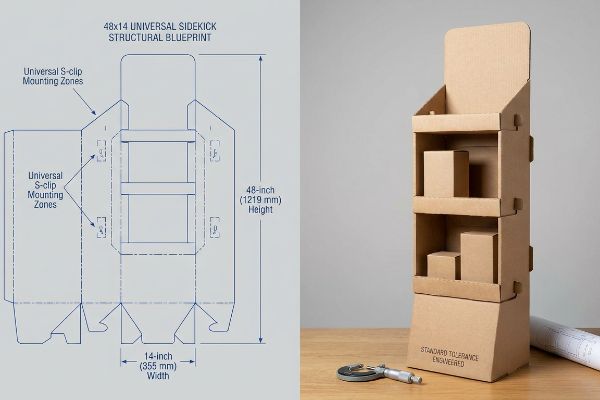
إن معرفة الفئات أمر أساسي؛ أما هندسة هذه الفئات لتناسب الأجهزة العالمية دون الحاجة إلى إعادة تجهيز مخصصة فهي المكان الذي يتم فيه تحقيق هوامش الربح في سلسلة التوريد.
توحيد معايير المساعد الجانبي العالمي 48×14
أثناء تدقيق الحملات الوطنية واسعة النطاق، ألاحظ باستمرار أن العلامات التجارية تستنزف ميزانياتها التشغيلية بتصميم خمسة رفوف عرض معلقة مختلفة تمامًا لخمسة متاجر تجزئة مختلفة. يفترضون خطأً أن كل سوبر ماركت أو صيدلية يحتاج إلى تصميم مخصص للتعليق على رفوفها السلكية ، متجاهلين تمامًا معايير التفاوتات الصناعية . تُجبر استراتيجية الشراء المجزأة هذه مصانع الإنتاج على استبدال ألواح القوالب باستمرار لعدة دفعات صغيرة، مما يؤدي إلى توقفات هائلة في خطوط التجميع. إنه استنزاف غير ضروري لرأس المال ناتج عن نقص حاد في المعرفة الهيكلية المشتركة بين متاجر التجزئة.
في مصنعي، يُعيق هذا النقص في الهندسة الموحدة سرعة طرح المنتجات في السوق في قسم الطباعة الحجرية والتغليف. في الموسم الماضي، أرسل أحد العملاء طلب عرض أسعار يطلب فيه بشكل عشوائي ثلاثة خطوط قوالب منفصلة، وذلك لأن أدلة تصميم المتاجر تختلف بأجزاء بسيطة من البوصة. قمتُ بقياسات الميكرومتر وأثبتُّ أننا لسنا بحاجة إلى أدوات مخصصة باهظة الثمن؛ بل نحتاج فقط إلى التصميم ضمن الحدود العالمية 48 بوصة (1219 مم) × 14 بوصة (355 مم) . من خلال دمج ملف التصميم بمساعدة الحاسوب (CAD) مع مناطق تثبيت مشابك S العالمية، تمكّنا من تشغيل الألواح الكرتونية المموجة بشكل متواصل على المكبس، مما أدى إلى خفض تكاليف الأدوات بشكل كامل وتقليل تكاليف التصنيع بنسبة 18%.
| المقياس/الميزة | الافتراض العام | الواقع المُهندس |
|---|---|---|
| تكييف قطاع التجزئة | أحجام متعددة مصممة حسب الطلب | أبعاد عالمية 48×1417 |
| إعداد الأدوات | قوالب مخصصة باهظة الثمن | ملف CAD موحد واحد |
| منطق سلسلة التوريد | تشغيل الدفعات المجزأة | الضغط المستمر عالي السرعة18 |
يؤدي حذف التباينات الزائدة ودمج معايير موحدة في مخططاتك الهيكلية مباشرةً إلى خفض تكاليف الأدوات بشكل كبير. كما أن التوحيد الهندسي الصارم يحمي هوامش سلسلة التوريد وسرعة الإنتاج.
🛠️ مكتب هارفي: هل يُجبرك تباين متطلبات الامتثال لدى تجار التجزئة على دفع تكاليف قوالب تقطيع متعددة ومتكررة؟ 👉 احصل على مراجعة شاملة للمخطط ↗ — أقوم بمراجعة كل ملف هيكلي شخصيًا خلال 24 ساعة.
خاتمة
يتطلب القضاء على مشكلة انقلاب أجهزة الدفع الإلكتروني الكارثية ومعالجة مشكلة الرؤية في المناطق العمياء هندسةً فيزيائيةً دقيقةً، وليس مجرد تصميمات جميلة على ورق مقوى عادي. وقد كشفت مراجعة هندسية دقيقة مؤخرًا عن خطأ فادح في التفاوت المسموح به يبلغ 2 مم في عملية طرح منتج وطني رئيسي قبل بدء الإنتاج. إذا كنت مستعدًا لوقف تأثير مشاكل سلسلة التوريد على هوامش أرباحك، دعني أُجري شخصيًا تدقيقًا مجانيًا لكثافة الشحن على ملفاتك الهيكلية ↗ لضمان نجاح إطلاق منتجك القادم.
"دليل شامل لعروض نقاط البيع"، https://www.frankmayer.com/blog/a-complete-guide-to-point-of-purchase-displays/. تحدد أدلة عرض المنتجات المعتمدة في قطاع التجزئة أبعادًا دقيقة وقيودًا على المساحة المخصصة لعرض المنتجات في نهاية الممرات ونقاط البيع لضمان سلامة المتجر والامتثال للمعايير. دور الدليل: التحقق الفني؛ نوع المصدر: معيار صناعة التجزئة. يدعم: ضرورة تخصيص أبعاد العرض لمناطق المتجر المختلفة. ملاحظة: تختلف القياسات المحددة باختلاف بائع التجزئة. ↩
"تأثير الممرات أحادية الاتجاه على تصميم متاجر التجزئة - PMC - NIH"، https://pmc.ncbi.nlm.nih.gov/articles/PMC8902859/. تصف أدبيات التسويق الاستخدام الاستراتيجي لعروض الأرضيات الكبيرة لعرقلة حركة المشاة وزيادة وضوح المنتجات. دور الدليل: دعم واقعي؛ نوع المصدر: دليل تصميم متاجر التجزئة. يدعم: الغرض الوظيفي لعروض الأرضيات ذات السعة العالية. ملاحظة: تختلف الفعالية باختلاف تصميم المتجر. ↩
[ملف PDF] تخطيط تصميم متجر بيع بالتجزئة، https://spc-retail.com/wp-content/uploads/2022/03/SPC-Retail_The-Ultimate-Guide-to-Retail-Store-Layout.pdf. إرشادات تصميم احترافية لمتاجر التجزئة تشرح كيفية تحسين تدفق العملاء وزيادة المبيعات من خلال ربط هياكل العرض بمناطق محددة في المتجر. دور الدليل: التحقق الفني؛ نوع المصدر: دليل صناعي. يدعم: ضرورة التخطيط الاستراتيجي بدلاً من الافتراضات العامة. ملاحظة النطاق: ينطبق بشكل أساسي على بيئات البيع بالتجزئة ذات المساحات الكبيرة. ↩
"عروض أسطح الطاولات في متاجر التجزئة ذات الحركة المرورية العالية: دليل لزيادة المبيعات"، https://www.displaysandholders.com/top-countertop-display-solutions-for-high-traffic-retail-areas?srsltid=AfmBOoo0sRzupEsL3AjIm6F3jzXVMsW9_Nlo06m4DuOsmThPb9xtrkwo. دراسة تحليلية لقطاع التجزئة تُظهر كيف يُسهم وضع عروض نقاط البيع في المناطق ذات الحركة المرورية العالية في زيادة معدلات الشراء الاندفاعي. نوع الدليل: دعم تجريبي؛ نوع المصدر: تقرير بحث سوقي. يدعم: استراتيجية تحسين سياق العرض. ملاحظة: تختلف الفعالية باختلاف فئة المنتج. ↩
"حالات استخدام الممرات اللانهائية في متاجر التجزئة - تعزيز المبيعات وتجربة التسوق"، https://clearomni.com/blog/top-use-cases-for-endless-aisle-solutions-in-retail-innovation. معايير العرض المرئي التي تصف دمج صناديق العرض في مسار الممرات لتقليل احتكاك المتسوقين. دور الدليل: التحقق من صحة أفضل الممارسات؛ نوع المصدر: كتاب مرجعي في مجال عرض المنتجات. يدعم: التحول من التخزين في المستودعات الخلفية إلى التكامل الفعال في أرضية المتجر. ملاحظة حول النطاق: يركز على تحسين المساحة المادية. ↩
"تقييم انتباه المستهلك وإثارته باستخدام تتبع حركة العين..."، https://pmc.ncbi.nlm.nih.gov/articles/PMC8380820/. تُظهر الأبحاث التجريبية حول التسويق البصري والتحميل الحسي الزائد أن بيئات البيع بالتجزئة عالية التحفيز تدفع المستهلكين إلى تجاهل المعلومات غير المباشرة. دور الدليل: التحقق السلوكي؛ نوع المصدر: دراسة في علم نفس المستهلك. يدعم: الادعاء بأن الرسائل المعقدة غير فعالة في جذب المتسوقين العابرين. ملاحظة النطاق: يركز على ممرات البيع بالتجزئة ذات الحركة المرورية العالية. ↩
"تصميم متاجر التجزئة لعرض المنتجات بشكل فعّال وتسهيل حركة العملاء"، https://www.business.qld.gov.au/industries/manufacturing-retail/retail-wholesale/retail-displays. شرح موجز لكيفية دعم مصدر خارجي موثوق لهذا الادعاء. دور الدليل: التحقق من الحقائق؛ نوع المصدر: دليل تصميم متاجر التجزئة. يدعم: عتبة المسافة المحددة لجذب الانتباه الهيكلي الأولي. ملاحظة النطاق: ينطبق على ممرات متاجر التجزئة ذات الحركة المرورية العالية. ↩
"أساسيات اللافتات - وضوح ارتفاع الأحرف | مدونة Signs.com"، https://www.signs.com/blog/signage-101-letter-height-visibility/?srsltid=AfmBOopDc-ESYvdx3lcTTNmUnTGSrj68_oYD9a7ssxKIMcNmDLOkPcma. شرح موجز لكيفية دعم مصدر خارجي موثوق لهذا الادعاء. دور الدليل: التحقق من الحقائق؛ نوع المصدر: بحث في علم النفس البيئي. يدعم: المسافة التي تصبح عندها تفاصيل العلامة التجارية والفوائد قابلة للقراءة. ملاحظة: بناءً على حدة البصر البشري القياسية. ↩
"عروض الترويج البصري لتجارة التجزئة الحديثة | BFF"، https://briteframes.com/visual-merchandising-displays/. يُقدّم دليلٌ موثوقٌ في مجال الترويج البصري تأكيدًا على أن الأشكال الهيكلية غير التقليدية تجذب الانتباه من مسافة بعيدة بفعالية أكبر من الرسومات النصية. دور الدليل: التحقق؛ نوع المصدر: معيار صناعي/دراسة أكاديمية. يدعم: استخدام الأشكال المبتكرة للتفاعل عن بُعد. ملاحظة النطاق: ينطبق تحديدًا على ممرات متاجر التجزئة ذات الحركة المرورية العالية. ↩
"كيفية جذب انتباه العملاء؟ دراسة حول فعالية..."، https://pmc.ncbi.nlm.nih.gov/articles/PMC8714787/. تشير الأبحاث في علم نفس المستهلك والعبء المعرفي إلى أن الرسائل المختصرة والمركزة تزيد من معدلات التفاعل أثناء التواصل المباشر مقارنةً بالنصوص المطولة. دور الدليل: التحقق؛ نوع المصدر: بحث تسويقي. يدعم: فعالية الرسائل المبسطة عند نقطة التفاعل. ملاحظة: قد تختلف الفعالية بناءً على مدى تعقيد المنتج. ↩
"14 نوعًا من عروض البيع بالتجزئة | شيكاغو، إلينوي - ويرثيمر بوكس"، https://wertheimerbox.com/types-of-retail-displays/. دراسات صناعية حول فعالية عروض نقاط البيع، تقارن بين الصواني المسطحة والهياكل المتدرجة من حيث وضوح المنتج وحجبه. دور الدليل: التحقق من الحقائق؛ نوع المصدر: أبحاث تسويق التجزئة. يدعم: الادعاء بأن العروض غير المتدرجة تؤدي إلى حجب المنتج. ملاحظة النطاق: يقتصر على مناطق الدفع للمنتجات الصغيرة. ↩
"عروض البيع بالتجزئة الكرتونية المموجة - ذا بوكس ميكر"، https://www.boxmaker.com/retail-displays/. توضح الأدلة المستقاة من أدلة تصميم متاجر التجزئة أو إرشادات هندسة التغليف كيف تُحسّن الهياكل المتدرجة من رؤية المنتج في المساحات المحدودة. دور الدليل: المواصفات الفنية؛ نوع المصدر: دليل صناعي. يدعم: ضرورة الهندسة المتدرجة لتحسين الرؤية. ملاحظة النطاق: ينطبق على عروض البيع بالتجزئة الكرتونية المموجة. ↩
"عروض البيع بالتجزئة المتدرجة: تأثيرها على رؤية المنتجات"، https://mcintyredisplays.com/blog/how-tiered-retail-displays-impact-visibility/. شرح تقني لكيفية تحسين بنية العرض المتدرجة لإمكانية الوصول إلى المنتجات ووضوح الرؤية مقارنةً بالتصاميم المسطحة. دور الدليل: مواصفات التصميم؛ نوع المصدر: دليل الترويج. يدعم: استخدام هياكل متخصصة للوضع. ملاحظة النطاق: يركز على بيئة العمل المادية للعرض. ↩
"نقطة الشراء: كيف يمكن لتجار التجزئة التأثير على المتسوقين عند..."، https://blog.intouch.com/posts/points-of-purchase-displays. بيانات تجريبية حول العلاقة بين تحسين عرض المنتجات على طاولات الدفع وزيادة معدلات تحويل عمليات الشراء الاندفاعية عند نقاط البيع. دور الدليل: مقياس أداء؛ نوع المصدر: دراسة تحليلية لقطاع التجزئة. يدعم: نتائج استخدام مساحات نقاط البيع الاستراتيجية في قطاع التجزئة. ملاحظة النطاق: خاص بمناطق الدفع ذات الحركة المرورية العالية. ↩
"شركة تصنيع أرفف عرض مخصصة"، https://rackleaders.com/endcap-displays-shelving/. وثائق فنية من مصنعي شاشات العرض أو أدلة الامتثال لمعايير البيع بالتجزئة، تُثبت التفاوتات القياسية في أبعاد شاشات العرض المعلقة. دور الدليل: التحقق الفني؛ نوع المصدر: مواصفات الصناعة؛ يدعمه: وجود معايير هيكلية مشتركة بين متاجر التجزئة. ملاحظة: قد تختلف التفاصيل بين فئات المتاجر الكبرى. ↩
"عرض جانبي مخصص من الورق المقوى، عرض باور وينج، وحدة طرفية..."، https://grandfly.com/cardboard-display/sidekick-powerwing-display/. التحقق من أن أبعاد 48×14 بوصة هي المعيار الصناعي لعروض البيع بالتجزئة الجانبية. دور الدليل: المواصفات الفنية؛ نوع المصدر: دليل امتثال البيع بالتجزئة. يدعم: وجود حد حجم عالمي لعروض البيع الجانبية. ملاحظة النطاق: التركيز على معايير البيع بالتجزئة في أمريكا الشمالية. ↩
"شاشة عرض جانبية قياسية من الورق المقوى لنقاط البيع"، https://popimpactdisplay.com/product-item/pos-48-inches-high-standard-size-cardboard-sidekick-display/. التحقق من الأبعاد القياسية في الصناعة لشاشات العرض الجانبية العالمية في متاجر التجزئة لضمان التوافق. دور الدليل: المواصفات الفنية؛ نوع المصدر: ورقة بيانات الشركة المصنعة. يدعم: بنية مادية موحدة. ملاحظة النطاق: خاص بفئات شاشات العرض الجانبية. ↩
"تصنيع تجهيزات المتاجر - شركة بالادين للصناعات"، https://paladinind.com/industries-served/store-fixtures/. دليل تقني على كفاءة ومزايا الإنتاجية للضغط المستمر مقارنةً بالتشغيل على دفعات في إنتاج مكونات التجزئة المعدنية أو البلاستيكية. دور الدليل: التحقق من صحة العملية؛ نوع المصدر: دليل هندسة صناعية. يدعم: تحسين منطق سلسلة التوريد. ملاحظة النطاق: يركز على التصنيع بكميات كبيرة. ↩