قد تُفسد القواعد الخشبية الخشنة عروض منتجاتك الفاخرة في متاجر التجزئة. إذا كنت ترغب في منع المتسوقين من المرور بجانب منتجاتك دون أن يلاحظوها، فإن إتقان التمويه على مستوى القاعدة هو خطوتك الأولى.
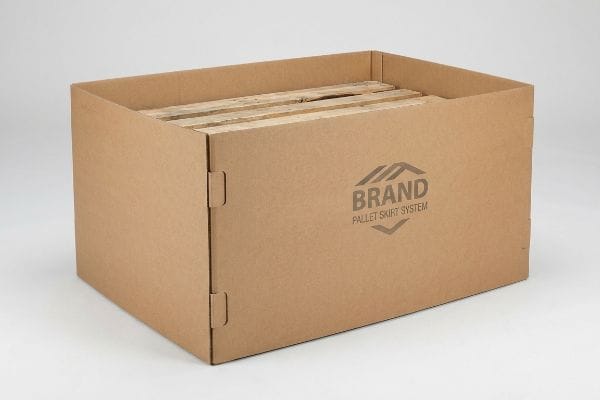
تُعدّ أغطية المنصات الخشبية الفعّالة عبارة عن أشرطة هيكلية مموجة مصممة لتغليف قواعد النقل الخشبية، مما يُخفي منصات الشحن غير الجذابة ويُوفر رؤية شاملة للعلامة التجارية. كما أنها تمنع إصابات المتسوقين من الشظايا المكشوفة، وتُحسّن المظهر الجمالي لأرضيات المتاجر، وتلتزم التزامًا صارمًا بمعايير جمعية مصنعي البقالة (GMA) ومعايير CHEP.
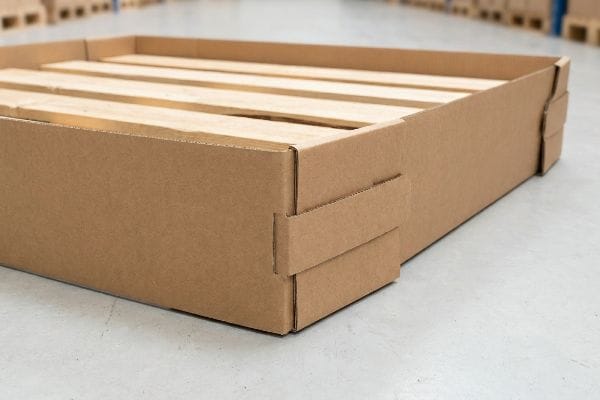
لكن معرفة ماهية هذه الأغطية الأساسية لا يكفي؛ فأنت بحاجة إلى فهم الفيزياء الهيكلية الكامنة وراءها لتجنب عمليات رد المبالغ المدفوعة من قبل متاجر التجزئة.
ما هي الطرق الثماني التي يمكن من خلالها تحسين تصميم العبوة؟
تحسين التصميمات الهيكلية لا يقتصر فقط على إضافة المزيد من الألوان؛ بل يتطلب استراتيجية مكانية.
يتضمن تحسين تصميم العبوات ثماني منهجيات أساسية: تعزيز السلامة الهيكلية، وتقليل هدر المواد، وتحسين جاذبية التصميم البصري (3-3-3)، وتبسيط عملية التجميع، واستخدام طلاءات صديقة للبيئة، وتصميم عبوات بدون بروز، وإضافة ألسنة متشابكة، واستخدام تقنية التلوين الموضعي. تساهم هذه الاستراتيجيات مجتمعةً في زيادة وضوح المنتج في متاجر البيع بالتجزئة ومتانته أثناء النقل.
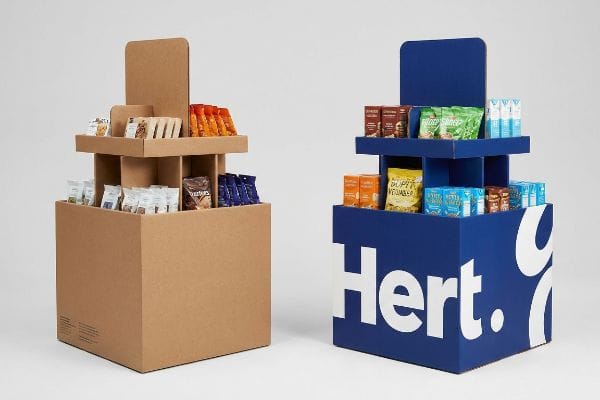
دعونا نركز على كيفية تطبيق ذلك مباشرة على أساس عروض الأرضيات.
تحسين التفاعل المكاني 3-3-3 لشاشات العرض الأساسية
غالباً ما يتجاهل مصممو الجرافيك المبتدئون الجزء السفلي من رفوف العرض في المتاجر، والذي يبلغ طوله 304.8 ملم، فيتركونه فارغاً أو يملؤونه ببيانات الباركود الصغيرة. يفترضون أن المتسوقين لا ينظرون إلا إلى الرفوف التي تقع على مستوى النظر ، متجاهلين حقيقة أن القاعدة الخشبية الضخمة تُشكل فراغاً بصرياً في أرضية المتجر.
كثيرًا ما أرى علامات تجارية تفشل في تطبيق قاعدة 3-3-3 للتفاعل مع العملاء في متاجر التجزئة.فهم يصممون عنوانًا جذابًا، لكنهم يتركون الجزء السفلي فارغًا، متجاهلين فرصة جذب الانتباه البصري الهائلة.لتحسين تصميم العبوة، يجب التعامل مع الجزء السفلي من المنصة كلوحة إعلانية عالية التباين. شاهدتُ ذات مرة بائعًا يُعاني في لصق شريط لاصق رقيق وخالٍ من العلامة التجارية حول منصة عرض؛ وكان صوت تمزق الشريط اللاصق الشفاف الرخيص يتردد في الممر، مُفسدًا جمالية العلامة التجارية. بدلًا من استخدام نص صغير، املأ تلك المساحة السفلية بلون بارز من نظام مطابقة ألوان بانتون (PMS) وشعارات كبيرة مقطوعة بدقة، لجذب انتباه المتسوقين من جميع أنحاء المتجر.
| أخطاء شائعة للمبتدئين | الحل الاحترافي | فوائد أرضية البيع بالتجزئة |
|---|---|---|
| ترك غلاف القاعدة فارغًا | غمر بالألوان الموضعية | يلفت الانتباه من مسافة 30 قدمًا4 |
| نص صغير في الطبقات السفلية | شعارات ضخمة مقطوعة بالقالب | يزيل العبء المعرفي الزائد |
| باستخدام شريط لاصق شفاف رخيص الثمن | ألسنة مموجة متشابكة | يوفر 25 ثانية من وقت التجميع5 |
لا أسمح أبدًا لعملائي بإهدار المساحة السفلية من رفوف عرض منتجاتهم. فترقية استراتيجية العرض الأساسية تقلل من التشتت الذهني وتحفز بشكل فعال عمليات الشراء العفوية حتى قبل أن يصل المتسوق إلى الرف.
🛠️ مكتب هارفي: هل رسوماتك في الطابق السفلي غير مرئية من الممر الرئيسي؟ 👉 اطلب تدقيقًا مكانيًا ↗ — وصول مباشر إلى مكتبي. أعدك بعدم تلقي أي رسائل تسويقية آلية مزعجة.
كيف تجعل خشب المنصات يبدو جميلاً؟
يُعد الخشب المستخدم في الخدمات اللوجستية غير المعالج منظراً قبيحاً يُقلل من قيمة عرض منتجك على الفور.
لتحسين مظهر ألواح الخشب المعاد تدويرها، يلزم تركيب أغطية جانبية مموجة مسبقة التشكيل لإخفاء قواعدها الخشبية الخشنة تمامًا. تعمل هذه الأغطية الهيكلية على إخفاء الشظايا، وتخفيف عدم استواء ألواح السطح، وتوفير مظهر خارجي أنيق يحمل العلامة التجارية، مما يرتقي بالجمال العام لوحدات عرض المنتجات المؤقتة.
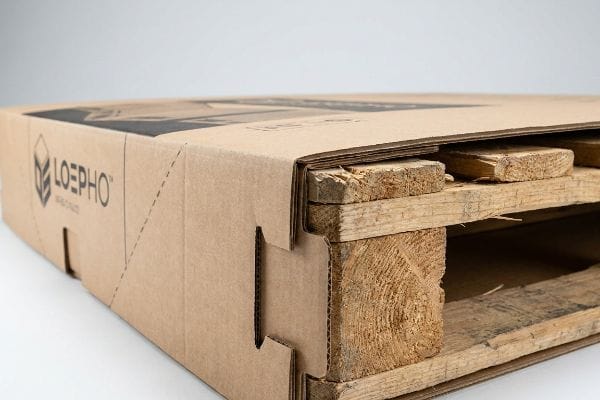
يبدو إخفاء ذلك الخشب الأزرق القبيح أمراً سهلاً على شاشة الكمبيوتر، لكن التطبيق العملي هو المكان الذي تفشل فيه الحملات.
تجنب خطر الاحتكاك بحافة المنصة
من الشائع افتراض إمكانية طباعة ورقة مستطيلة مسطحة من ورق مقوى مموج 32ECT (اختبار مقاومة الحواف للكسر)6 ولفها بإحكام حول القاعدة الخشبية. يصمم المصممون ملفات التصميم بمساعدة الحاسوب (CAD) هذه بدقة متناهية وفقًا لأبعاد 48×40 بوصة (1219.2×1016 مم)7، ظنًا منهم أن الورق المقوى سيتكيف تلقائيًا مع شكل القاعدة.
الحقيقة هي أن منصات التحميل اللوجستية القياسية خشنة للغاية وغير متناسقة الأبعاد. فعند محاولة تغليف خشب المنصة بشكل مثالي باستخدام غلاف مسطح دقيق للغاية، تعلق التجاويف الداخلية بشدة بالشظايا الحادة. لقد شاهدتُ عمال التعبئة والتغليف وهم يحاولون شد هذه الحواف الضيقة، ليسمعوا صوت تمزق حاد ومزعج للطبقة العلوية المصفحة بالطباعة الحجرية تحت وطأة التوتر السطحي الهائل. ولحل هذه المشكلة، أقوم دائمًا بتصميم حاجز خلوص 3.5 مم (0.14 بوصة) ومنطقة طي مسبقة التجهيز 25.4 مم (1 بوصة) في الزوايا. هذه الدقة المتناهية تسمح للكرتون بالانزلاق بسلاسة فوق الشظايا الخشنة دون تمزق.
| أخطاء شائعة للمبتدئين | الحل الاحترافي | فوائد أرضية البيع بالتجزئة |
|---|---|---|
| أغلفة مسطحة بدون أي تسامح | مصد زاوية بسمك 0.14 بوصة10 | ينزلق فوق شظايا الخشب |
| لصق الألواح الخشبية بالخشب الخشن | ألسنة متشابكة ذكر/أنثى | يسرّع عملية تركيب الأرضيات |
| مع تجاهل اختلافات ألواح سطح السفينة | منطقة انكماش مسبقة التحديد بقياس بوصة واحدة11 | يمنع تمزق الطبقة العلوية |
أصمم كل غلاف أساسي بحيث يراعي الاحتكاك الفيزيائي. إن إضافة هوامش خطأ مجهرية تقضي تمامًا على تمزق التوتر السطحي، مما يضمن أن تبدو علامتك التجارية في أبهى حلة بدلاً من أن تبدو متضررة ومخدوشة على الأرض.
🛠️ مكتب هارفي: هل تتمزق أغلفة قواعدك باستمرار على خشب المستودع الخشن؟ 👉 احصل على قالب التغليف الخاص بي ↗ — حمّله بأمان. صندوق رسائلي مفتوح إذا كانت لديك أي أسئلة لاحقًا.
ما هي تنانير المنصات الخشبية؟
إن فهم آليات تغليف قواعد المنتجات يمنع حدوث حالات فشل خطيرة في الامتثال لدى متاجر التجزئة الكبيرة.
تُعدّ أغطية المنصات الخشبية حاويات واقية تحمل علامات تجارية، مصنوعة من ورق مقوى مموج شديد التحمل، تُلفّ حول القاعدة الخشبية السفلية لعرض المنتجات في متاجر البيع بالتجزئة. وهي تؤدي غرضين: إخفاء المواد اللوجستية الخام غير الجذابة، وتوفير مساحة عرض ثانوية بارزة للسلع الاستهلاكية سريعة التداول في الممرات ذات الحركة الكثيفة.
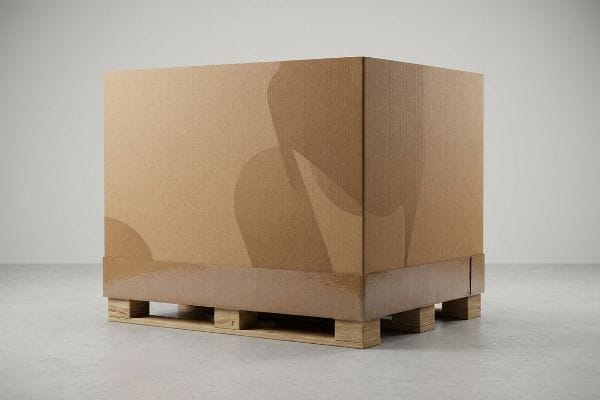
إن اختيار المواد المناسبة لهذه الحاويات هو المكان الذي ترتكب فيه حتى فرق المشتريات المتمرسة أخطاءً مكلفة للغاية.
تجنب فخ الإفراط في استخدام الكوروبلاست
عند مواجهة بيئات البيع بالتجزئة الرطبة مثل مراكز الحدائق أو أرضيات محلات البقالة، يشترط العديد من المشترين استخدام مادة الكوروبلاست الصلبة (البلاستيك المموج) لأغطية قواعد منتجاتهم.ويفترضون أنه بما أن الجزء السفلي من العرض قد يتعرض لآلات تنظيف الأرضيات، فإن البلاستيك المقاوم للماء الدائم هو الركيزة الوحيدة المناسبة.
تخيل مادة الكوروبلاست كبيت زجاجي؛ فهي تحبس الرطوبة بشكل دائم داخل قنواتها البوليمرية المجوفة . أرى فرقًا كثيرة تستخدم هذه الألواح البلاستيكية لتغليف منصات التحميل، متجاهلةً تمامًا المخاطر اللوجستية والصحية الجسيمة. خلال إحدى عمليات التوزيع، تسببت أغلفة بلاستيكية لأحد العملاء في حبس التكثيف على أرضية رطبة، وسرعان ما انتشرت رائحة العفن الكريهة داخل القنوات، مما أدى إلى رفضها فورًا لكونها صالحة للاستخدام مع المواد الغذائية. بدلًا من الإفراط في استخدام البلاستيك، استخدم ورق مقوى مموج عالي التحمل، مُصمم بطبقة واقية شفافة من البولي إيثيلين على الجزء السفلي بطول 101.6 مم (4 بوصات). هذا يعزل مقاومة الماء كيميائيًا في موضع احتكاك الممسحة المبللة، مما يحافظ على إمكانية إعادة تدوير المنتج بالكامل وسهولة فحصه .
| أخطاء شائعة للمبتدئين | الحل الاحترافي | فوائد أرضية البيع بالتجزئة |
|---|---|---|
| باستخدام البلاستيك المموج المجوف | ورق مقوى خام شديد التحمل | يجتاز عمليات التدقيق الصارمة في مجال الحوكمة البيئية والاجتماعية والمؤسسية15 |
| قواعد بلاستيكية دائمة | واقي ممسحة مطلي بالبولي إيثيلين في الجزء السفلي 4 بوصات16 | يقاوم رطوبة آلة تنظيف الأرضيات |
| تجاهل مخاطر التكثيف | ركائز ورقية قابلة للتهوية17 | يمنع نمو العفن الداخلي |
أمنع منعاً باتاً استخدام البلاستيك الصلب في عمليات التوزيع الموسمية قصيرة الأجل. يوفر الطلاء المائي الموجه حاجز الرطوبة المطلوب بدقة دون الإخلال بمتطلبات إعادة التدوير أو زيادة تكاليف الشحن.
🛠️ مكتب هارفي: هل تحتاج إلى حل أساسي مقاوم للماء لا يفشل في تدقيق الحوكمة البيئية والاجتماعية والمؤسسية؟ 👉 احصل على مواصفات واقي الممسحة ↗ — لا توجد استمارات تؤدي إلى مكالمات مبيعات لا نهاية لها. قيمة خالصة فقط.
كيف تصبح ماهراً في رصّ المنصات الخشبية؟
يُعد التوزيع السليم للأحمال بمثابة العمود الفقري الخفي للخدمات اللوجستية الدولية وبقاء قطاع التجزئة.
يتطلب إتقان رصّ المنصات اتباع بروتوكولات صارمة لتحديد حدود الصناديق دون أي بروز لضمان توزيع الحمل عموديًا بشكل مثالي. يجب أن تستقر كل كرتونة رئيسية بشكل كامل داخل المساحة القياسية المحددة من قبل هيئة إدارة المستودعات (GMA) والبالغة 48×40 بوصة، مما يسمح للزوايا الهيكلية بامتصاص الصدمات الحركية الديناميكية ومنع حدوث انهيار ضغط كارثي أثناء النقل عند رصّها بشكل مزدوج.
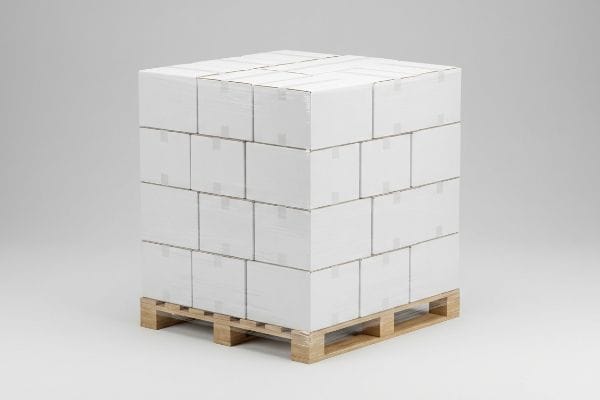
لكن معرفة النظرية لا تكفي عندما تبدأ الآلات بالعمل وتبدأ البضائع بالتحرك.
لماذا تفشل عملية تحميل المنصات القياسية في أرضية المصنع؟
غالباً ما تقوم فرق المشتريات بتوسيع أبعاد الكرتون الرئيسي لزيادة كثافة الشحن، في محاولة لحشر بضع وحدات إضافية في كل طبقة. ويفترضون أنه طالما أنهم يستخدمون لوحاً عالي التحمل (44ECT18)، فإن قوة المادة الخام ستحمي البضائع حتى لو كانت الصناديق بارزة قليلاً عن حافة المنصة الخشبية.
في منشأتي، أشهد بشكل روتيني العواقب الوخيمة لهذا الافتراض تحديدًا خلال اختبارات الاهتزاز التي تجريها الرابطة الدولية للنقل الآمن (ISTA). عند قياس الديناميكيات الفيزيائية، أجد أن الصندوق الكرتوني المموج يستمد ما يصل إلى 60% من قوته الرأسيةمن زواياه الأربع المتراصة. إذا تجاوزت علبة الكرتون الرئيسية سطح الصندوق بمقدار 15.7 ملم فقط، فإن هذه الزوايا لا تتحمل أي حمل. خلال عملية ضغط حديثة، انحنى الجزء السفلي غير المدعوم للخارج بشكل واضح وانضغط تحت وزن الجزء العلوي البالغ 383.4 كجم، مما أدى إلى تلف الدفعة المحاكاة. ولحل هذه المشكلة، أفرض في برنامجي حدًا صارمًا لعدم بروز أي جزء من الصندوق، مما يقلل مساحة قاعدة الكرتون بشكل مصطنع بمقدار 12.7 ملم. من خلال تطبيق هذا التفاوت الدقيق، تبقى الزوايا مدعومة بالكامل، مما يمنع تلف النقل الناتج عن الانضغاط ويوفر على العملاء ما يقدر بنحو 4100 دولار أمريكي من رسوم استرداد التكاليف لكل حمولة حاوية.
| أخطاء شائعة للمبتدئين | الحل الاحترافي | فوائد أرضية البيع بالتجزئة |
|---|---|---|
| زيادة بروز الصندوق إلى أقصى حد | صندوق إحاطة CAD بدون بروز | يمنع سحق الطبقة السفلية21 |
| الاعتماد بشكل صارم على درجة حرارة الغرفة المسطحة | التحقق الديناميكي من صحة النقل التابع لـ ISTA22 | يحاكي الصدمة الحركية الحقيقية |
| تجاهل محاذاة الزاوية | تقليص المساحة بمقدار 0.5 بوصة | يعيد 60% من قوة الضغط23 |
أعتمد على التناسق الهندسي، وليس فقط على كثافة المواد الخام. من خلال إبقاء الزوايا الحاملة للأحمال داخل المحيط الخشبي بدقة، ينجح الهيكل في الصمود أمام أقسى ظروف النقل الجزئي (أقل من حمولة شاحنة كاملة).
🛠️ مكتب هارفي: لا تدع عيبًا هيكليًا بحجم 2 مليمتر يُفسد إطلاقًا ضخمًا لـ 500 متجر. 👉 أرسل لي ملف تصميم القالب ↗ — سأُجري اختبارات دقيقة للحسابات قبل أن تُهدر ميزانيتك على الإنتاج الضخم.
خاتمة
يمكنك الحصول على أسمك ورق مقوى مموج في السوق، ولكن إذا سمحت بوجود بروز طفيف جدًا (0.62 بوصة) في القاعدة، فسيؤدي ذلك إلى تلف الطبقة السفلية، ما يتسبب في رفض فوري من قِبل تجار التجزئة وغرامات شحن باهظة. هذه هي المواصفات الدقيقة التي يستخدمها أفضل 10 عملاء تجزئة لديّ لضمان عدم رفض أي منتج. توقف عن التخمين بشأن التفاوتات، ودعني أُجري شخصيًا تدقيقًا أوليًا مجانيًا لملفاتك الهيكلية باستخدام خدمة "التدقيق قبل الطباعة" ↗ لاكتشاف نقاط الضعف الحرجة قبل بدء الإنتاج بكميات كبيرة.
[ملف PDF] تحليل تأثير وضع المنتج على مستوى النظر على المبيعات - المجلة الدولية لأبحاث التسويق والإعلان (IJRPR)، https://ijrpr.com/uploads/V6ISSUE4/IJRPR43345.pdf. تحليل لأنماط نظر المستهلكين في قطاع التجزئة، يقدم أدلة على ظاهرة "مستوى النظر هو مستوى الشراء". دور الدليل: دعم فرضية الصناعة؛ نوع المصدر: أبحاث علم نفس المستهلك. يدعم: فرضية أن المصممين يعطون الأولوية للرؤية على مستوى النظر. ملاحظة: قد تختلف أنماط الرؤية بالنسبة لمنتجات الأطفال. ↩
"قاعدة الثلاث ثوانٍ: تصميم واجهة مثالية للعبوة - ECRM"، https://ecrm.marketgate.com/Blog/2022/04/The-3-Second-Rule-Designing-a-Perfect-Package-Front-Panel. شرح لإطار عمل 3-3-3 لتحسين رؤية المنتجات في متاجر التجزئة ومسافة تفاعل المتسوقين. دور الدليل: تعريف إطار العمل؛ نوع المصدر: دليل تسويق التجزئة. يدعم: منهجية التفاعل المكاني. ملاحظة: يمكن استخدام المصطلحات بشكل متبادل مع قواعد خط الرؤية الأخرى. ↩
"تصميم متاجر التجزئة لعرض المنتجات بشكل فعّال وتسهيل حركة العملاء"، https://www.business.qld.gov.au/industries/manufacturing-retail/retail-wholesale/retail-displays. التحقق من معيار الصناعة للجاذبية البصرية بعيدة المدى في بيئات البيع بالتجزئة. دور الدليل: التحقق من صحة المقاييس؛ نوع المصدر: دراسة في علم نفس المستهلك. يدعم: المسافة المكانية المحددة للتفاعل البصري. ملاحظة: تعتمد المسافة على عرض الممر والإضاءة. ↩
"سبعة أنواع من عروض واجهات المتاجر: أفكار إبداعية لمصممي المتاجر"، https://unibox.co.uk/blog/7-types-of-window-display. يقدم بيانات تجريبية حول المسافة التي تجذب عندها الألوان الموضعية عالية التباين انتباه المستهلكين في بيئات البيع بالتجزئة. دور الدليل: التحقق من صحة المقاييس؛ نوع المصدر: دراسة في علم نفس المستهلك. يدعم: ادعاءات مسافة الرؤية. ملاحظة النطاق: تختلف باختلاف الإضاءة وتصميم المتجر. ↩
"ألسنة مموجة للتحكم في النفاثات دون الصوتية والصوتية"، https://www.longdom.org/open-access/corrugated-tabs-for-subsonic-and-sonic-jet-control-8580.html. تقارن هذه الدراسة كفاءة الوقت باستخدام ألسنة متشابكة هيكلية مقابل الشريط اللاصق في تجميع العبوات. دور الدليل: التحقق الكمي؛ نوع المصدر: تقرير هندسة صناعية. يدعم: تحسين سرعة التجميع. ملاحظة النطاق: يستند إلى مهام تجميع موحدة. ↩
[ملف PDF] مواصفات الكرتون المموج - رابطة صناديق الألياف، https://www.fibrebox.org/assets/2025/09/Walmart_Corrugated-Board_Specifications_Automation_Packaging_Standards.pdf. شرح موجز لكيفية دعم مصدر خارجي موثوق لهذا الادعاء. دور الدليل: مواصفات فنية؛ نوع المصدر: معيار صناعي. يدعم: الخصائص الهيكلية والاستخدام الشائع للكرتون المموج 32 ECT في التغليف. ملاحظة نطاق: يشير إلى قوة الضغط الرأسي للمادة. ↩
"أحجام المنصات القياسية | مع مخطط بياني"، https://www.kampspallets.com/standard-pallet-sizes-with-chart/. شرح موجز لكيفية دعم مصدر خارجي موثوق لهذا الادعاء. دور الدليل: معيار واقعي؛ نوع المصدر: دليل صناعة الخدمات اللوجستية. يدعم: الادعاء بأن 48×40 هو الحجم القياسي للمنصات في أمريكا الشمالية. ملاحظة النطاق: يشير تحديدًا إلى معيار جمعية مصنعي البقالة (GMA). ↩
"غطاء حافة المنصة - شركة PKG للتغليف"، https://pkgpackaging.com/pallet-skirt/. تحدد الإرشادات الهندسية للتغليف الصناعي هوامش التفاوت المسموح بها لتقليل الاحتكاك مع أسطح المنصات الخشنة. دور الدليل: التحقق الفني؛ نوع المصدر: معيار صناعة التغليف. يدعم: فعالية حاجز 0.14 بوصة. ملاحظة: قد تختلف الأبعاد باختلاف نوع المادة. ↩
"الدليل الشامل لصناديق الكرتون المموج - شور باكيدجينج"، https://www.shorr.com/resources/blog/ultimate-guide-corrugated-boxes/. تصف الأدلة الفنية لتصميم الكرتون المموج مناطق مُجهزة مسبقًا لامتصاص التوتر السطحي ومنع التمزق. دور الدليل: التحقق الفني؛ نوع المصدر: دليل هندسة التغليف. يدعم: فائدة منطقة التجعد بعرض بوصة واحدة. ملاحظة النطاق: ينطبق على الألواح المصفحة بالطباعة الحجرية. ↩
دليل سُمك واقيات الزوايا: خفيف مقابل ثقيل، https://custom-packaging-products.com/corner-protector-thickness-guide-light-duty-vs-heavy-duty/. التحقق من المواصفات الفنية لواقيات الزوايا المستخدمة في تغليف التجزئة لمنع تشابكها مع خشب المنصات الخام. دور الدليل: المواصفات الفنية؛ نوع المصدر: دليل هندسة التغليف. يدعم: القياس المحدد للحد من الشظايا. ملاحظة النطاق: يعتمد التطبيق على سُمك المادة. ↩
"أغطية المنصات: الدليل الشامل | بينيت للعروض المخصصة"، https://bpkc.com/blogs/blog/pallet-skirts-the-complete-guide. التحقق من معايير الصناعة للمناطق المُجهزة مسبقًا في أغطية المنصات لاستيعاب الاختلافات الهيكلية في ألواح السطح. دور الدليل: المواصفات الفنية؛ نوع المصدر: دليل التصميم الصناعي. يدعم: استخدام مناطق بعرض بوصة واحدة لمنع تمزق الطبقة العلوية. ملاحظة النطاق: خاص بالخدمات اللوجستية الثقيلة في قطاع التجزئة. ↩
"إرشادات تصميم مراكز الحدائق: البيوت الزجاجية وزراعة الزهور"، https://www.umass.edu/agriculture-food-environment/greenhouse-floriculture/fact-sheets/garden-center-design-guidelines. التحقق من متطلبات مشتري التجزئة للركائز المقاومة للماء في البيئات الرطبة لتحمل آلات تنظيف الأرضيات. دور الدليل: معيار صناعي؛ نوع المصدر: إرشادات امتثال التجزئة. يدعم: تفضيل البلاستيك المموج على الكرتون في بيئات محددة ذات رطوبة عالية. ملاحظة النطاق: قد تختلف المتطلبات باختلاف بائع التجزئة. ↩
"إطلاق العنان لإمكانيات البلاستيك المموج"، https://lairdplastics.com/resources/unlocking-the-potential-of-corrugated-plastic/?srsltid=AfmBOorLIv7gomWZxz6o7lInD7fXtgxzuskGfxNPVDMMOVxqE5etj3d_. التحقق من خصائص مادة البلاستيك المموج فيما يتعلق باحتباس الرطوبة وإمكانية نمو الميكروبات داخل التموجات. دور الدليل: التحقق التقني؛ نوع المصدر: مرجع في علم المواد أو ورقة بيانات تقنية صناعية. يدعم: مخاطر استخدام أغطية منصات التحميل البلاستيكية في البيئات الرطبة. ملاحظة النطاق: يركز على التصميم الهيكلي لشركة كوروبلاست. ↩
[ملف PDF] دليل SPC: كيف تعرف ما إذا كانت عبواتك الورقية قابلة لإعادة التدوير، https://sustainablepackaging.org/wp-content/uploads/2023/01/SPC_Paper-Pkg-Report_FINAL.pdf. تأكيد على أن الطلاء البوليمري الموجه على الكرتون المموج يسمح للمادة بالبقاء متوافقة مع عمليات إعادة تدوير الورق القياسية. دور الدليل: الامتثال التنظيمي؛ نوع المصدر: معيار صناعة إعادة التدوير أو شهادة بيئية. يدعم: الميزة البيئية للكرتون المموج على البلاستيك. ملاحظة النطاق: خاص بالطلاءات الجزئية مثل واقيات الممسحة. ↩
"زيادة مبيعات التجزئة والأرباح من خلال التغليف المستدام..."، https://www.internationalpaper.com/resources/recycling/article/drive-retail-sales-profit-through-sustainable-packaging-recycling. شرح موجز لكيفية توافق الورق المقوى القابل للتحلل الحيوي أو إعادة التدوير مع معايير الحوكمة البيئية والاجتماعية والمؤسسية (ESG) مقارنةً بالبدائل البلاستيكية. دور الدليل: التحقق؛ نوع المصدر: دليل الامتثال للاستدامة. يدعم: استخدام الورق المقوى لاجتياز التدقيق. ملاحظة النطاق: خاص بتفويضات استدامة الشركات. ↩
"أفضل حاجز بخار لاصق - منتجات بولي جارد"، https://polyguard.com/blog/peel-and-stick-vapor-barrier. مواصفات فنية توضح خصائص حاجز الرطوبة للطلاءات البوليمرية المطبقة على قاعدة أغلفة المنصات. دور الدليل: مواصفات فنية؛ نوع المصدر: معيار صناعة التغليف. يدعم: مقاومة آلات تنظيف الأرضيات الصناعية. ملاحظة النطاق: خاص بالجزء السفلي من الغلاف. ↩
غلاف تغليف الباليت HexcelStretch | HexcelPack، https://www.hexcelpack.com/packaging-products/hexcelpack-pallet-wrap. شرح علمي لكيفية منع انتقال بخار الرطوبة في الورق للتكثف وما يتبعه من نمو الفطريات. دور الدليل: التحقق التقني؛ نوع المصدر: دراسة في علم المواد. يدعم: منع العفن في التغليف. ملاحظة النطاق: يعتمد على مستويات الرطوبة البيئية. ↩
دليل قوة الصناديق الكرتونية المموجة: درجات التموج، وتصنيفات اختبار قوة سحق الحواف (ECT)، وقوة الجدار...، https://anchorbox.com/corrugated-box-strength/. التحقق الفني من اختبار قوة سحق الحواف (ECT) 44 كمقياس معياري لقوة الضغط للكرتون المموج. دور الدليل: المواصفات الفنية؛ نوع المصدر: معيار صناعي/دليل تغليف. يدعم: الخصائص الفنية لمادة التغليف المذكورة. ملاحظة: تقيس قيم اختبار قوة سحق الحواف (ECT) تحديدًا قوة الضغط الرأسي. ↩
"تقدير قوة الضغط لصناديق الكرتون المموج لـ..."، https://pmc.ncbi.nlm.nih.gov/articles/PMC9864211/. شرح موجز لكيفية دعم مصدر خارجي موثوق لهذا الادعاء. دور الدليل: التحقق الفني؛ نوع المصدر: كتاب هندسة التغليف. يدعم: تركيز قدرة تحمل الحمل الرأسي في زوايا الكرتون المموج. ملاحظة النطاق: ينطبق على الكرتون المموج القياسي. ↩
[ملف PDF] تأثير إزاحة الصندوق الموضوع على المنصة على قوة الضغط للوحدات...، https://digitalcommons.calpoly.edu/cgi/viewcontent.cgi?article=1067&context=it_fac. شرح موجز لكيفية دعم مصدر خارجي موثوق لهذا الادعاء. دور الدليل: التحقق الفني؛ نوع المصدر: إرشادات ISTA أو أبحاث لوجستية. يدعم: العتبة الحرجة التي يؤدي عندها البروز إلى فقدان دعم الزاوية. ملاحظة نطاق البحث: قد تختلف تفاصيل القياس حسب حجم الصندوق. ↩
"دراسة تأثير صلابة سطح المنصة على الكرتون المموج..."، https://pmc.ncbi.nlm.nih.gov/articles/PMC8585293/. تحليل هيكلي يوضح كيف يحافظ انعدام البروز على قوة الضغط الرأسي في الطبقة السفلية من المنصة المكدسة. دور الدليل: تفسير سببي؛ نوع المصدر: دليل فني لوجستي. يدعم: فائدة المربعات المحيطة المحسوبة بواسطة برامج التصميم بمساعدة الحاسوب (CAD). ملاحظة النطاق: التركيز على توزيع الحمل الرأسي. ↩
"اختبارات التغليف وفقًا لمعايير ISTA - إنترتك"، https://www.intertek.com/performance-testing/packaging/ista/. شرح لكيفية محاكاة معايير الرابطة الدولية للنقل الآمن (ISTA) للصدمات الحركية للتحقق من سلامة التغليف بما يتجاوز اختبارات سحق الحواف الثابتة. دور الدليل: التحقق المنهجي؛ نوع المصدر: معيار صناعي/جهة اعتماد. يدعم: ضرورة الاختبارات الديناميكية بدلًا من المقاييس الثابتة. ملاحظة النطاق: ينطبق على معايير الشحن الدولية. ↩
[DOC] النسخة المُقدمة (672.09 كيلوبايت) - VTechWorks، https://vtechworks.lib.vt.edu/bitstreams/359cd5e6-7099-48a8-9a3b-60aeee6db278/download. بيانات فنية توضح الفقد الكمي في قدرة تحمل الأحمال عند عدم محاذاة زوايا الصناديق الكرتونية المموجة أو بروزها فوق المنصة. دور الدليل: التحقق الكمي؛ نوع المصدر: دراسة هندسة التغليف. يدعم: الزيادة المحددة في الكفاءة الناتجة عن محاذاة الزوايا بدقة. ملاحظة: قد تختلف القيمة بناءً على درجة الكرتون المموج. ↩