هل تجد صعوبة في تحقيق التوازن بين جماليات متاجر التجزئة الفاخرة وميزانيات التسويق المحدودة؟ توقف عن دفع الأموال مقابل الهدر الهيكلي غير المرئي والزخارف المبالغ فيها.
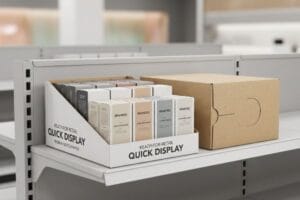
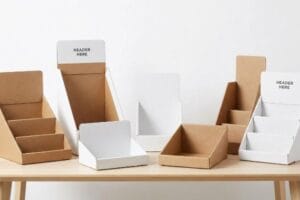
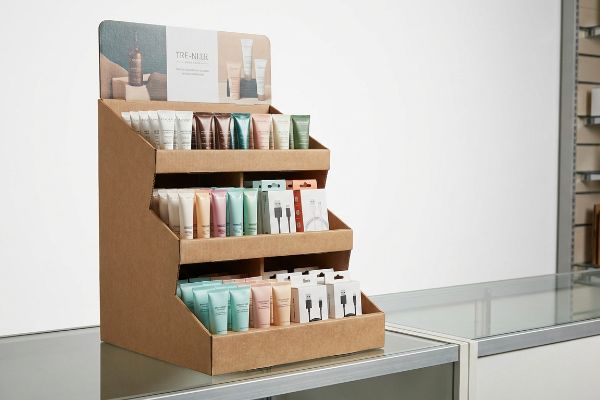
توفر عبوات العرض الكرتونية المصممة خصيصًا كفاءة عالية من حيث التكلفة، إذ تعزز ظهور المنتجات في متاجر التجزئة باستخدام مواد كرتونية خفيفة الوزن وقابلة لإعادة التدوير بدرجة عالية. صُممت هذه العبوات خصيصًا لسهولة وسرعة التركيب، وتستهدف مناطق البيع المباشر، مما يقلل بشكل كبير من حجم الشحن وتكاليف العمالة مقارنةً بتركيبات العرض المعدنية أو الخشبية الثابتة.
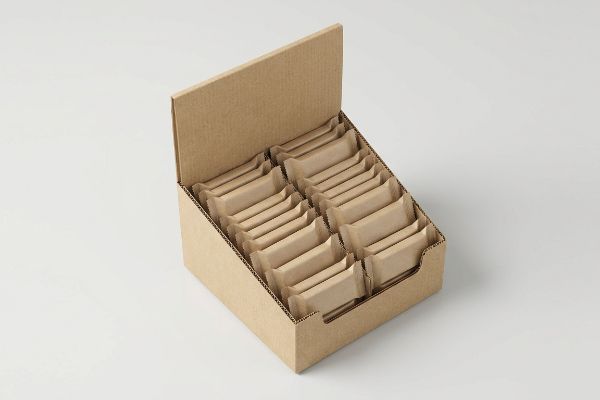
لكن معرفة التوفير النظري في التكاليف لا يكفي عندما تبدأ آلات المصنع بالعمل فعلياً.
كم تبلغ تكلفة التغليف بالكرتون؟
لا يمكنك حساب معدلات الوحدة بدقة دون تثبيت متغيرات سلسلة التوريد المادية الخاصة بك، بدءًا من درجات الورق وحتى عمالة التجميع.
تعتمد تكاليف تغليف الكرتون كلياً على مدى تعقيد التصميم الهندسي، وطرق الطباعة، وجودة المواد الخام. في حين أن صناديق الشحن القياسية لا تزال منخفضة التكلفة، فإن صناديق عرض المنتجات المصممة خصيصاً للمتاجر تتطلب أدوات متخصصة، وتقنية طباعة حجرية عالية الدقة، وقوالب دقيقة حاصلة على تصنيف اختبار مقاومة السحق (ECT)، مما يؤدي تدريجياً إلى زيادة تكلفة الاستثمار النهائي في التصنيع.
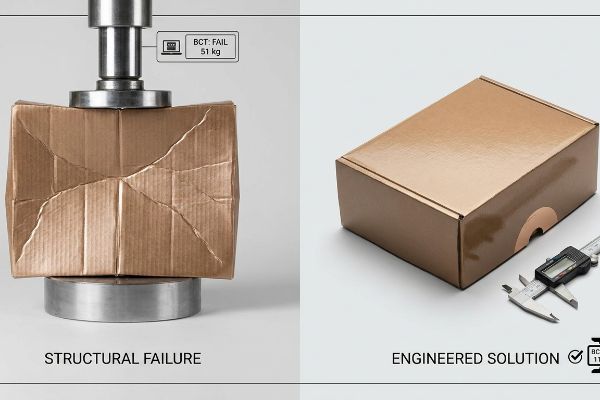
الجميع يريد صندوقًا رخيصًا حتى يسقط هذا الصندوق الرخيص بالفعل على أرضية مستودع رطبة.
فخ التدهور التجميلي في أرضية المصنع
كثيراً ما تتعامل فرق المشتريات مع التشطيبات التجميلية باهظة الثمن، مثل التغليف الكامل برقائق معدنية، كمتطلبات تسويقية لا تقبل المساومة. وللتعويض عن تكاليف الإنتاج الجمالية المرتفعة هذه، يحاولون سراً تخفيض تصنيف مقاومة حواف الكرتون المموج الأساسيإلى 1 لتوفير بضعة سنتات لكل وحدة. يفترضون أنه إذا كان المظهر الخارجي فاخراً، فإن البنية الداخلية لا تهم.
هذا ليس مجرد كلام نظري، بل أتعامل مع هذا الأمر عمليًا في قسم الاختبارات. في الربع الأخير، أرسلت لي إحدى الوكالات ملف تصميم لوحدة عداد ثقيلة، تطلب تغليفها بغلاف معدني سميك، لكنها طلبت صراحةً استبدال اللب المصنوع من ورق 32ECT الخام بورق 26ECT معاد تدويره، وذلك لتلبية ميزانيتها غير الواقعية. في البداية، افترضت أن اللوح الأخف وزنًا قد يتحمل حملاً خفيفًا. لكنني كنت مخطئًا تمامًا. خلال اختبار ضغط الصندوق (BCT) على مكبسنا الهيدروليكي، لاحظت أن مؤشر خلية الحمل استقر عند 51 كيلوغرامًا فقط. انكسرت الطبقة الداخلية على الفور، وانحنى الجزء السفلي بالكامل إلى الداخل. سحبت التصميم بالكامل وانتقلت إلى إعادة تصميم هيكلي. بدلًا من الاعتماد على أغشية معدنية سميكة باهظة الثمن لإخفاء ورق رخيص، استعدت المادة إلى معيار 32ECT الخام، وحققت الانعكاس المطلوب باستخدام طلاءات مائية لامعة عالية الصلابة . من خلال تطبيق هذا الأساس الصارم للمواد، تمكنت من القضاء على خطر التلف أثناء النقل مع خفض تكلفة الوحدة النهائية بنسبة 15٪ تقريبًا، مما وفر للعميل هامش ربحه ومنع عملية استرداد ضخمة من قبل بائع التجزئة.
| حل هندسي | النتيجة المادية | العائد على الاستثمار المالي/الامتثال |
|---|---|---|
| استعادة قلب 32ECT الأصلي | يمنع انبعاج الفلوت الديناميكي4 | يزيل مخاطر رد المبالغ المدفوعة من قبل بائع التجزئة |
| لمعان مائي عالي الصلابة | يضاهي انعكاسية الرقائق المعدنية الممتازة | خفض تكلفة الوحدة بنسبة 15%5 |
| التحقق من صحة نظام التحكم الهيدروليكي BCT6 | يتحقق من سعة الحمولة | يضمن سلامة النقل |
أرفض تخفيض جودة ألواح الهيكل لمجرد تمويل تحسينات تجميلية في جداول البيانات. إذا كنت ترغب في عرض يتحمل ظروف البيع بالتجزئة، فعليك أن تدفع ثمن المتانة أولاً ثم الجماليات.
🛠️ مكتب هارفي: هل تدفع سرًا مقابل تشطيبات تجميلية باهظة الثمن بينما يقوم موردك بتخفيض جودة الهيكل الأساسي لزيادة أرباحه؟ 👉 راجع قائمة مكونات الهيكل ↗ — أقوم بمراجعة كل ملف هيكلي شخصيًا خلال 24 ساعة.
كم تبلغ تكلفة صنع عبواتك الخاصة؟
يبدو إنشاء ملفات الترويج الخاصة بك بمثابة حيلة عبقرية لتوفير التكاليف حتى تحاول بالفعل طي النموذج الأولي المادي.
إن تصنيع عبواتك بنفسك يوفر عليك الكثير من تكاليف الوكالات الأولية، ولكنه ينطوي بطبيعته على مخاطر هيكلية خفية جسيمة. كما أن استخدام أدوات الويب الأساسية لرسم شاشات عرض معقدة ومتشابكة في متاجر البيع بالتجزئة يُخلّ بالدقة الرياضية المطلوبة، ويمنع تمامًا مراعاة معايير الانحناء، ويؤدي حتمًا إلى فشل كارثي في التجميع أثناء عمليات الإنتاج الضخمة.
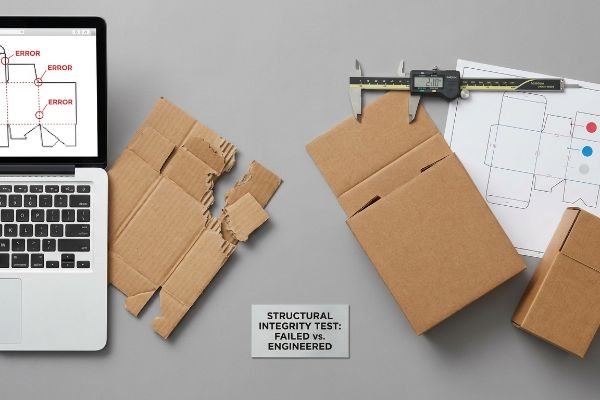
رسم مربع على الشاشة مجاني، لكن إدخال تلك الحسابات الخاطئة عبر قالب فولاذي سيكلفك كل شيء.
أزمة خطوط أدوات الويب
غالباً ما تحاول الشركات الناشئة والمصممون الهواة توفير المال برسم علامات تبويب عرض معقدة ومتشابكة مباشرةً باستخدام أدوات الويب الأساسية، مما ينتج عنه رسومات متجهة غير متصلة. يفترضون أنه إذا بدا التصميم كصندوق على شاشة الكمبيوتر، فإن طاولة القطع CNC (التحكم الرقمي بالحاسوب) ستعرف تلقائياً كيفية طيه. يتجاهلون تماماً الحسابات الهيكلية اللازمة لتحمل أحمال ديناميكية عالية .
هذا ليس مجرد كلام نظري، بل أتعامل مع هذه المشكلة في قسم الاختبارات عندما يتصل بي مؤسسون مذعورون. قبل شهرين، اتصل بي عميل مذعورًا لأن لوحته الربعية المصممة خصيصًا فشلت في اختبار السقوط القياسي. لقد رسموا خط القطع بأنفسهم عبر الإنترنت لتوفير بضعة آلاف من الدولارات. عندما أرسلوا لي الملف، كان كارثة من الخطوط النقطية بدون أي تعديل للسمك. افترضت أنني أستطيع تعديل ملفهم وتشغيل عينة. كنت مخطئًا تمامًا. عندما اصطدمت العينة بطاولة الطي، انحشرت لوحة B-flute بسمك 3 مم تمامًا لأن الفتحات تفتقر إلى نصف قطر الانحناء . كان بالإمكان سماع صوت تمزق الورقة العلوية المؤلم عندما انفصلت الألسنة المتشابكة. تخلصت من تصميم الوكالة وانتقلت كليًا إلى ترقية المواد والهندسة. صممتُ ملف PDF (تنسيق المستندات المحمولة) مُعايرًا بدقة عالية، تم إنشاؤه مباشرةً من برنامج التصميم بمساعدة الحاسوب (CAD)، مع تثبيت قيم الانحناء الصحيحة في الطبقة الأساسية رياضيًا، وفرضتُ عليهم تطبيق الرسومات السطحية فقط فوقها. أدى هذا التغيير الهيكلي الدقيق إلى القضاء على أي احتكاك تمامًا، مما ضمن انخفاض وقت تجميع التغليف المشترك بمقدار 45 ثانية لكل وحدة، وأنقذ العميل من إلغاء إطلاقه بالكامل.
| حل هندسي | النتيجة المادية | العائد على الاستثمار المالي/الامتثال |
|---|---|---|
| مرساة PDF بارامترية CAD | أقفال طي مادية رياضية | يزيل تكاليف فشل النموذج الأولي |
| هندسة تعويض الفرجار | يوسع فتحات اللسان المتشابكة | يُسرّع وقت التجميع |
| ألوان بقع الخطوط المتجهة | يقوم بتشغيل شفرات القطع CNC | يمنع أخطاء الإنتاج الضخم |
لا أسمح أبدًا لأدوات التصميم الجرافيكي الأساسية بتحديد خصائص التصميم الهيكلي في مصنعي. إذا لم تكن خطوط القطع بالقوالب تعوض رياضيًا عن السماكة الدقيقة للكرتون المموج، فأنت ببساطة تطبع مواد رديئة ومكلفة.
🛠️ مكتب هارفي: هل يقوم مصممو الجرافيك لديكم برسم طيات هيكلية دون حساب سُمك الكرتون المموج الفعلي بدقة؟ 👉 احصل على قالب جاهز ↗ — سرية تامة. تصاميمك غير المنشورة في مجال البيع بالتجزئة في أمان تام معي.
من يصنع صناديق الكرتون لشركة أمازون؟
تعتمد شركات التجارة الإلكترونية العملاقة على شبكات عالمية ضخمة من مصانع الكرتون المموج المتخصصة التي تلتزم التزاماً صارماً بمعايير اختبار النقل الخاصة بها.
تعتمد أمازون على شبكة واسعة لامركزية من شركاء تصنيع الكرتون المموج المتخصصين القادرين على إنتاج حاويات شحن قياسية بكميات كبيرة. يجب على هذه المنشآت الصناعية المعتمدة الالتزام التام ببروتوكولات اختبار ISTA (الرابطة الدولية للنقل الآمن) الصارمة، والتي تشمل 6 معايير أمازون SIOC، لضمان سلامة الطرود بشكل كامل أثناء مرورها عبر شبكات الخدمات اللوجستية الآلية.
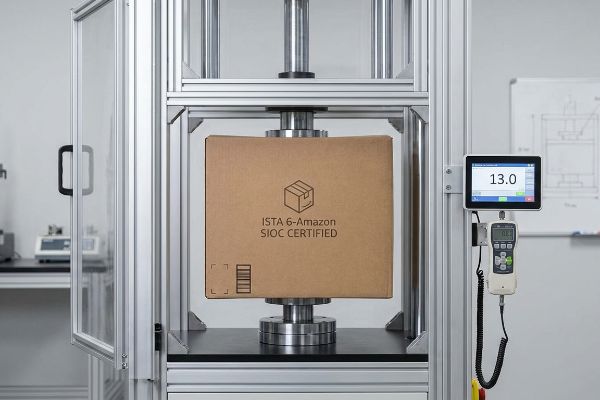
لكن محاولة تقليد عملياتهم اللوجستية من خلال جمع المواد المستعملة الخاصة بهم ستدمر سلسلة التوريد الخاصة بك في مجال الأعمال التجارية بين الشركات (B2B) بشكل كامل.
كارثة الإرهاق الناتج عن إعادة تدوير البريد
كثيراً ما تحاول العلامات التجارية الناشئة تمويل عملياتها اللوجستية ذاتياً عن طريق إعادة استخدام صناديق التجارة الإلكترونية B2C الواردة لتلبية طلبات التجزئة B2B الصادرة. يفترضون أن الصندوق السليم ظاهرياً يحتفظ بقوته الأصلية من المصنع. لكنهم يغفلون حقيقة أن التموجات في الكرتون تعمل كممتصات للصدمات الميكانيكية، مما يؤدي إلى إجهاد ألياف الورق بشكل دائم بعد رحلة واحدة فقط.
هذا ليس مجرد كلام نظري، فقد تعلمت هذا الدرس بطريقة قاسية في عام ٢٠٢١ عندما طلبت من كبير مهندسي التغليف، مارك، مراجعة شحنة فاشلة لشركة ناشئة. كانوا يشحنون معروضات إلى مشترين تجزئة باستخدام مغلفات بريدية معاد تدويرها من التجارة الإلكترونية لتوفير التكاليف. ظننا أنه يمكننا ببساطة إضافة حاجز رطوبة داخل الصناديق الموجودة وإعادة لصقها. بعد ثلاثة أيام، في غرفة التكييف لدينا، شاهدت الطبقة السفلية بأكملها تنهار تحت حمولة علوية. أخبرني صوت التكسير المروع للطبقة B المتآكلة هيكليًا بكل ما أحتاج إلى معرفته. لقد دمرت الصدمات الدقيقة الأصلية من شبكة الطرود مقاومة الصندوق للضغط تمامًا. انتقلت على الفور إلى تصحيح دقيق للأدوات ومعايرة الآلة على آلة التقطيع الدوارة لدينا. جهزنا خط إنتاج مخصصًا لشحنات ISTA 6-Amazon SIOC (الشحن في الحاوية الخاصة) الجديدة، مع ضبط ضغط السندان على الآلة لضمان عدم تحطم الطبقات. لم يمنع هذا التعديل في الأدوات القاعدة من الانهيار فحسب؛ لقد خفض ذلك معدل تلف الشحن للعميل إلى الصفر، مما أنقذه من عملية استرداد ضخمة من البائع.
| حل هندسي | النتيجة المادية | العائد على الاستثمار المالي/الامتثال |
|---|---|---|
| تفويض استخدام الكرتون المموج البكر | يعيد سعة التحميل الديناميكية | يمنع عمليات رد المبالغ المدفوعة من قبل البائع |
| التحقق من صحة ISTA 6 SIOC | يحاكي صدمة النقل الشديدة | يضمن سلامة الشحنات |
| إعادة معايرة آلة القطع الدوارة | يمنع سحق الفلوت الداخلي | يزيد من حدود قوة BCT |
أمنع شركات شحن الطرود المعاد تدويرها من استخدام خدمات الشحن بين الشركات دون تردد. فالصندوق الذي تعرض بالفعل لصدمات شبكة التوصيل لا يملك أي متانة هيكلية لحماية بضائعك ذات الهامش الربحي المرتفع.
🛠️ مكتب هارفي: هل تعاني كراتين الشحن الرئيسية لديكم من إجهاد دقيق في طبقاتها الداخلية قبل حتى مغادرتها مركز التوزيع؟ 👉 اطلب اختبار تحمل النقل ↗ — لا يوجد وسطاء. تتحدث مباشرةً مع مهندسين متخصصين في الإنشاءات.
هل إنتاج الكرتون رخيص؟
يتطلب تقييم تكلفة الإنتاج الحقيقية إزالة رسوم الأدوات الأولية وتحليل سرعة التصنيع الخام.
نعم. يُعدّ إنتاج الكرتون بكميات كبيرة رخيصًا بفضل آلات القطع الدورانية السريعة وآلات اللصق الآلية. مع ذلك، تبقى شاشات العرض المخصصة للبيع بالتجزئة بكميات صغيرة مكلفة إذا اعتمدت العلامات التجارية على التغليف الليثوغرافي التقليدي، الذي يتطلب ألواح طباعة معدنية باهظة الثمن، ومواد لاصقة سائلة، وفترات معالجة طويلة في المصنع قبل التجميع النهائي.
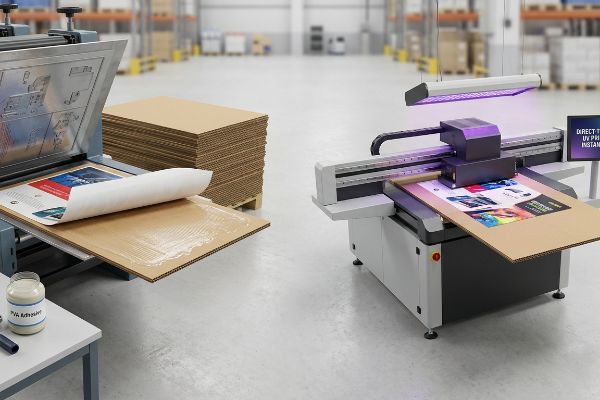
لكن أساليب التصنيع التقليدية لا تزال تستنزف ميزانيتك إذا لم تقم بتحديث بروتوكولات الطباعة الخاصة بك.
عنق الزجاجة في إعداد الطباعة الحجرية والتصفيح
كثيراً ما تفترض فرق العلامات التجارية أن استخدام الأحبار السائلة القياسية مباشرةً على ورق مقوى مموج خام سيوفر رسومات عالية الجودة بتكلفة منخفضة. لكنهم يغفلون حقيقة أن ألياف الورق المسامية تمتص السائل بشكل غير متساوٍ، مما ينتج عنه رسومات باهتة. ولحل هذه المشكلة، يلجؤون إلى الطباعة الحجرية التقليدية، متجاهلين التكاليف الباهظة لإعداد الصفائح المعدنية ووقت تصلب مواد لاصقة أسيتات البولي فينيل (PVA) الرطبة.
هذا ليس مجرد كلام نظري، فأنا أتعامل مع هذه المشكلة في قسم الاختبارات كلما وردتني حملة إنتاجية قصيرة. في العام الماضي، احتاج أحد العملاء إلى 200 وحدة فقط من غطاء طرفي. في البداية، افترضت أن التغليف الليثوغرافي القياسي هو سبيلنا الوحيد لتحقيق أهدافهم اللونية. كنت مخطئًا تمامًا. بعد تركيب الألواح العلوية، تسبب الغراء الرطب في انحناء الألواح بشدة،وعندما نزعت اللوح العلوي، شعرت بالرطوبة والتشوه الهيكلي تحته. أخذت قراءات الميكرومتر، وتأكدت أنني لست بحاجة إلى ألواح معدنية باهظة الثمن أو مواد لاصقة رطبة، بل كنت بحاجة فقط إلى تغيير جذري في سلسلة التوريد. نقلت العمل بأكمله إلى طابعتنا الرقمية المسطحة بالأشعة فوق البنفسجية ذات الطباعة المباشرة على الألواح. باستخدام مصفوفات ضوء الأشعة فوق البنفسجية التي تعالج الحبر السائل فورًا ليتحول إلى طبقة بوليمر صلبةفي جزء من الثانية عند ملامسته للوح، تجاوزت عنق الزجاجة في مرحلة ما قبل الطباعة تمامًا. أدى هذا التصحيح الصارم القائم على البيانات إلى القضاء تمامًا على خطر التشويه الناتج عن الرطوبة، مما قلل الجدول الزمني للنموذج الأولي بمقدار 48 ساعة وخفض بشكل كبير تكلفة الوحدة الواحدة في عملية الإنتاج المصغرة.
| حل هندسي | النتيجة المادية | العائد على الاستثمار المالي/الامتثال |
|---|---|---|
| الطباعة المباشرة على الألواح بالأشعة فوق البنفسجية | يتصلب الحبر السائل على الفور12 | يلغي تكاليف الألواح المعدنية13 |
| تطبيق خالٍ من الرطوبة | يمنع تشوه الركيزة | يُسرّع من سرعة طرح المنتجات في السوق |
| الطباعة الرقمية السريعة | يتجاوز إعدادات الطباعة الحجرية والتصفيح14 | تخفيضات كبيرة في أسعار الوحدات ذات الإنتاج القصير |
أرفض السماح لرسوم إعداد الطباعة الحجرية القديمة بإعاقة حملة تسويقية سريعة النمو. من خلال التحول إلى تقنية البلمرة الفورية بالأشعة فوق البنفسجية، أتخلص من الجهد الضائع في العملية وأقدم رسومات واضحة مباشرة على اللوحة.
🛠️ مكتب هارفي: هل ما زلت تدفع رسومًا باهظة لتصنيع ألواح الطباعة المعدنية لمنتجات التجزئة الموسمية ذات الكميات الصغيرة؟ 👉 حسّن استراتيجية الطباعة الخاصة بك ↗ — أقوم بمراجعة كل ملف هيكلي شخصيًا خلال 24 ساعة.
خاتمة
يمكنك البحث عن أرخص المواد الخام في السوق، ولكن عندما تنهار لوحة 26ECT منخفضة الجودة حتمًا تحت حمولة منصة نقالة متحركة، فإن الضرر الناتج عن النقل سيقضي تمامًا على هامش ربحك. في الشهر الماضي وحده، ساعدت مراجعتي الهيكلية 3 علامات تجارية على تجنب خسارة أكثر من 10,000 دولار من المخزون التالف ورسوم استرداد الأموال من تجار التجزئة. توقف عن إهدار ميزانية التسويق على منتجات معيبة هيكليًا، ودعني أصمم شخصيًا خطتك التسويقية التالية لضمان أقصى قدر من النجاح في قطاع التجزئة.
"اختبار مقاومة الحواف للكسر: رؤى أساسية لتغليف الكرتون المموج"، https://www.testresources.net/blog/edge-crush-test-essential-insights-for-corrugated-packaging. [يؤكد دليل هندسة التغليف أو تحليل تكلفة المواد أن خفض تصنيف اختبار مقاومة الحواف للكسر (ECT) يقلل من وزن المواد وتكاليف الألياف الخام لكل وحدة]. دور الدليل: التحقق الفني؛ نوع المصدر: معيار صناعي؛ يدعم: الحافز الاقتصادي لتقليل القوة الهيكلية لتوفير التكاليف؛ ملاحظة النطاق: تعتمد الوفورات الفعلية على حجم الإنتاج. ↩
[ملف PDF] مواصفات الورق المقوى المموج - رابطة صناديق الألياف، https://www.fibrebox.org/assets/2025/09/Walmart_Corrugated-Board_Specifications_Automation_Packaging_Standards.pdf. [تحدد المعايير الفنية لاختبار مقاومة السحق للحواف (ECT) مقدار فقدان قدرة تحمل الأحمال عند تخفيض تصنيف الورق المقوى المموج من 32ECT إلى 26ECT]. دور الدليل: مواصفات فنية؛ نوع المصدر: معيار صناعي. يدعم: الادعاء بأن تخفيض تصنيف ECT يؤدي إلى انهيار هيكلي. ملاحظة: قد تختلف النتائج بناءً على نوع التموج. ↩
"14 تقنية أساسية في تشطيب التغليف لمنتج فائق الجودة..."، https://print247.us/post/key-techniques-in-packaging-finishing-for-superior-product?srsltid=AfmBOooM-V7j-2AGvInNMs9LBQWaeCsojZXiuzAS6HU5MTDOBo7u4uVE. [تقارن أدلة التصنيع الخاصة بتشطيبات التغليف بين فعالية التكلفة والخصائص العاكسة للطلاءات المائية عالية الصلابة مقابل التغليف بالرقائق المعدنية]. دور الدليل: مقارنة العمليات؛ نوع المصدر: دليل فني. يدعم: الادعاء بأن الطلاءات المائية يمكن أن تحل محل الرقائق المعدنية باهظة الثمن لتقليل تكلفة الوحدة. ملاحظة: تعتمد الفعالية على نوع الورق الأساسي. ↩
"دور الانبعاج في تقدير مقاومة الضغط لـ..."، https://pmc.ncbi.nlm.nih.gov/articles/PMC7602429/. [توضح المواصفات الفنية لأنواع الورق المقوى المموج كيف تُخفف ألياف 32ECT البكر من الانبعاج تحت الإجهاد الديناميكي]. دور الدليل: التحقق الفني؛ نوع المصدر: دليل علوم المواد. يدعم: فعالية المواد. ملاحظة النطاق: خاص بأنواع اللب 32ECT. ↩
"ما هو الطلاء المائي للطباعة والتغليف؟"، https://www.customboxmakers.com/what-is-aqueous-coating/?srsltid=AfmBOor1487xJvhPus1zDg_DPc3jdo6mXn_Tls0sumSNHJbxSqI0MEqh. [ستُحدد تقارير تحليل تكاليف الطباعة والتغليف مقدار التوفير لكل وحدة عند استبدال الرقائق المعدنية بطلاء مائي لامع عالي الصلابة]. دور الدليل: التحقق المالي؛ نوع المصدر: تقرير معياري صناعي. يدعم: خفض التكاليف وعائد الاستثمار. ملاحظة النطاق: يختلف باختلاف حجم الإنتاج. ↩
اختبار ضغط الصناديق (BCT) | فهم أداء التغليف، https://www.storaenso.com/en/newsroom/news/2026/5/box-compression-testing-julian-krais. [تُفصّل معايير ASTM أو ISO لاختبار ضغط الصناديق (BCT) منهجية استخدام المكابس الهيدروليكية للتحقق من سعة الحمولة]. دور الدليل: التحقق من المنهجية؛ نوع المصدر: معيار فني. يدعم: عملية التحقق الهيكلي. ملاحظة النطاق: ينطبق على حاويات الشحن المموجة. ↩
"ما مقدار الحمولة التي يمكن أن تتحملها منصة التحميل الخاصة بي؟"، https://unitload.vt.edu/education/white-papers/5-wp-load-carrying-capacity-of-pallets.html. [تُفصّل معايير هندسة التغليف الاحترافية الصيغ الرياضية المستخدمة لحساب قدرة تحمل الأحمال وتوزيع الإجهاد في منصات العرض التجارية لمنع انهيارها]. دور الدليل: التحقق الفني؛ نوع المصدر: دليل هندسي. يدعم: ضرورة إجراء حسابات هيكلية للتغليف الحامل للأحمال. ملاحظة النطاق: ينطبق تحديدًا على الأحمال الديناميكية في بيئات البيع بالتجزئة. ↩
دليل سُمك الكرتون، https://www.aopackmachine.com/cardboard-thickness-guide/. [تُحدد المواصفات الفنية الصناعية للكرتون المموج السُمك القياسي وارتفاع التموج لمواد التموج من النوع B]. دور الدليل: التحقق الفني؛ نوع المصدر: معيار صناعي. يدعم: مواصفات سُمك المادة. ملاحظة: قد توجد اختلافات طفيفة بين الشركات المصنعة. ↩
"التحليل التحليلي لتحديد صلابة الانحناء لخمس طبقات..."، https://pmc.ncbi.nlm.nih.gov/articles/PMC8777652/. [تشرح الأدلة الهندسية لتصميم التغليف الهيكلي كيف يؤدي غياب نصف قطر الانحناء المناسب في التجاويف السميكة إلى انحشار المادة وفشل الهيكل]. دور الدليل: التحقق الفني؛ نوع المصدر: دليل هندسي. الدعامات: سبب فشل التجميع الهيكلي. ملاحظة النطاق: تختلف المتطلبات بناءً على سُمك المادة. ↩
"تأثيرات الرطوبة في عملية التغليف - AICC Now"، https://now.aiccbox.org/effects-of-moisture-in-the-lamination-process/. [تصف الإرشادات الصناعية لتغليف الكرتون المموج كيف تتسبب الرطوبة في المواد اللاصقة المائية في انتفاخ الألياف وعدم استقرار الأبعاد، مما يؤدي إلى انحناء الكرتون]. دور الدليل: آلية تقنية؛ نوع المصدر: دليل صناعي. يدعم: عيوب التغليف الليثوغرافي التقليدي. ملاحظة النطاق: خاص بالمواد اللاصقة المائية. ↩
"المعالجة بالأشعة فوق البنفسجية"، https://en.wikipedia.org/wiki/UV_curing. [تشرح الوثائق الفنية المتعلقة بتقنية المعالجة بالأشعة فوق البنفسجية كيف يُحفز الضوء فوق البنفسجي تفاعل بلمرة يُصلّب الحبر فورًا عند استخدامه]. دور الدليل: المواصفات الفنية؛ نوع المصدر: ورقة بيانات علوم المواد. يدعم: كفاءة واستقرار الطباعة الرقمية بالأشعة فوق البنفسجية. ملاحظة النطاق: ينطبق فقط على الأحبار القابلة للمعالجة بالأشعة فوق البنفسجية. ↩
"راتنجات المعالجة بالأشعة فوق البنفسجية | مركز حلول P&P – Covestro"، https://solutions.covestro.com/en/highlights/articles/stories/2024/advanced-uv-curable-resins-for-printing-inks-packaging. [تصف المواصفات الفنية للأحبار المعالجة بالأشعة فوق البنفسجية عملية البلمرة الضوئية الفورية التي تبدأ بالتعرض للأشعة فوق البنفسجية]. دور الدليل: التحقق الفني؛ نوع المصدر: دليل هندسي. يدعم: النتيجة المادية للطباعة بالأشعة فوق البنفسجية. ملاحظة النطاق: خاص بتركيبة الأحبار المعالجة بالأشعة فوق البنفسجية. ↩
"الطباعة الرقمية مقابل الطباعة الأوفست للتغليف: أيهما تختار؟"، https://pakfactory.com/blog/digital-vs-offset-printing-for-packaging-which-one-to-choose/?srsltid=AfmBOooon0zXAZDH8GzIpQIR6_2cYfbsohcVHXl5kbsFBCL7yRLR4i84. [تقارن تقارير تحليل التكاليف في هذا القطاع بين سير العمل الرقمي وطباعة الأوفست لتوضيح إمكانية الاستغناء عن تكاليف ألواح ما قبل الطباعة]. دور الدليل: التحقق المالي؛ نوع المصدر: تقرير صناعي. يدعم: العائد المالي على الاستثمار في الطباعة بالأشعة فوق البنفسجية. ملاحظة النطاق: يؤثر بشكل أساسي على الإنتاج بكميات صغيرة إلى متوسطة. ↩
"التغليف المطبوع بتقنية الطباعة الحجرية مقابل التغليف المطبوع رقميًا | مجموعة GWP"، https://www.gwp.co.uk/guides/litho-printed-packaging-vs-digitally-printed-packaging/. [أدلة مقارنة لسير العمل في إنتاج التغليف تشرح كيف تُغني الطباعة الرقمية المسبقة عن الحاجة إلى إنشاء الألواح المادية ومعايرة آلة التغليف]. دور الدليل: التحقق من العملية؛ نوع المصدر: دليل فني. يدعم: الكفاءة التشغيلية للطباعة المسبقة المرنة. ملاحظة النطاق: يركز على مرحلة إعداد الإنتاج. ↩