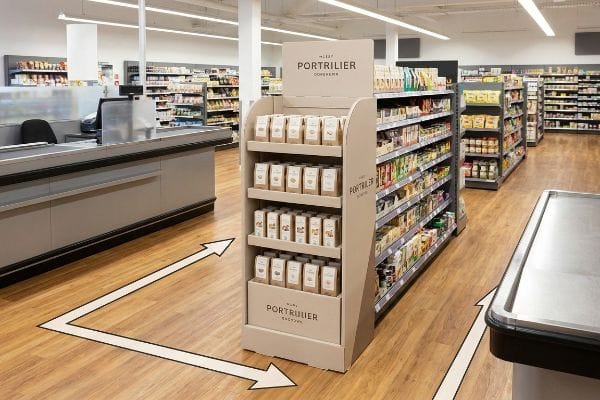
يتطلب التوزيع الأمثل للمنتجات في متاجر التجزئة مواءمة حركة الزوار مع بنية المتجر. إليكم تفصيلًا دقيقًا لأماكن وضع مندوبي المبيعات في متجركم.
يُحدد الموقع الاستراتيجي لشاشة عرض نقاط البيع معدل تحويلها إلى عملاء. وتُعزز المناطق ذات الحركة الكثيفة، مثل تقاطعات منصات التحميل الجزئية أو عدادات الدفع المُجهزة لذوي الاحتياجات الخاصة، من وضوحها. ويضمن التصميم الهندسي المكاني السليم توافق الهيكل المادي تمامًا مع تدفق الممرات الخاص بالمتجر المستهدف وسلوك المتسوقين.
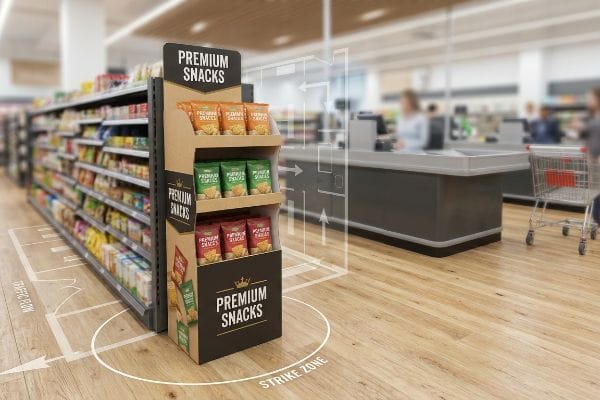
إنّ وضع المنتج على أرضية المتجر ليس سوى نصف المعركة. فإذا كان حجم المنتج يخالف قواعد المساحة لدى المتجر، فسيقوم مديرو المتجر ببساطة بإعادته إلى المخزن.
ما هي استراتيجية المتجر المؤقت؟
كثيراً ما تعتقد العلامات التجارية أن الانتشار الواسع يعني مبيعات هائلة. أرى باستمرار فرق تسويق طموحة تسعى جاهدة للحصول على منصات عرض كاملة ، بينما يضمن اتباع نهج أصغر حجماً مساحة عرض أفضل بكثير في المتاجر.
تتمحور استراتيجية المتاجر المؤقتة أو منصات العرض حول تحقيق أقصى قدر من التأثير البصري ضمن مساحات البيع بالتجزئة المحدودة. ومن خلال استخدام أحجام منصات التحميل الجزئية، تضمن العلامات التجارية مواقعها في الممرات ذات الحركة المرورية العالية دون احتكار مساحة العرض، مما يسمح بإطلاق منتجات أصغر حجماً بتجاوز الرفض وتحقيق مبيعات فورية.

إن تقليص رؤيتك لا يعني تقليص إيراداتك؛ بل يعني التكيف رياضياً مع الحدود المادية الصارمة للمتاجر الكبيرة.
الاستفادة من الهندسة الكسرية لتحقيق مواقع مميزة
تفترض العديد من العلامات التجارية أنه لتحقيق تأثير في متاجر التجزئة الكبرى مثل تارجت أو وول مارت ، يجب عليها عرض منصة عرض أرضية ضخمة بحجم 48 × 40 بوصة (1219.2 × 1016 مم) تابعة لجمعية مصنعي البقالة (GMA) . ويعتقدون أن احتكار قاعدة خشبية كاملة هو الطريقة الوحيدة لإثبات صحة حملة وطنية.
يُعدّ هذا النهج القائم على مبدأ "إما الكل أو لا شيء" فخًا شائعًا يقع فيه حتى فرق المشتريات ذات الخبرة. في إحدى المرات، أرسل لي أحد المشترين تصميمًا رائعًا لمنصة نقالة كاملة، لكن مدير المتجر رفضه لأن مساحة الممر القيّمة كانت محجوزة بالفعل للموسم. اضطررتُ لتغيير الاستراتيجية وإعادة تصميم القاعدة لتناسب ربع منصة نقالة بمساحة 24×20 بوصة (609.6×508 مم) . كان التغيير المادي طفيفًا، لكنني أتذكر بوضوح صوت ارتطام أربع وحدات أصغر حجمًا بسلاسة على منصة نقالة خشبية قياسية واحدة خلال تجربتنا. من خلال تقسيم المساحة حسابيًا، تجاوزنا قيود المساحة تمامًا. ضمنت هذه الهندسة الدقيقة للحملة الترويجية الحصول على موقع متميز عند أكثر تقاطعات المتجر ازدحامًا، مما أنقذ العميل من رفض كارثي من قِبل بائع التجزئة.
| أخطاء شائعة للمبتدئين | الحل الاحترافي | فوائد أرضية البيع بالتجزئة |
|---|---|---|
| يتم عرض المنصات الكاملة فقط | الهندسة الكسرية 24×20 أساس3 | يؤمن التقاطعات ذات الحركة المرورية العالية4 |
| تجاهل تقنين الممرات | قسّم بصمات GMA القياسية5 | يمنع رفض المدير |
| دفع مبالغ زائدة مقابل مساحة الأرضية | بضائع مشتركة على منصات نقالة مشتركة | يزيد من كثافة العرض |
أحرص دائماً على استخدام الأشكال الهندسية الكسرية عند إطلاق المنتجات الجديدة. فهذا يُسهّل عملية موافقة بائع التجزئة، ويُجبر مسؤول الترويج على عرض المنتجات في أكثر مناطق المتجر ربحية.
🛠️ مكتب هارفي: هل عروضك الحالية ضخمة جدًا بحيث لا تجتاز فحوصات التخليص الجمركي المعتادة في متاجر التجزئة؟ 👉 احصل على فحص لمخططك ↗ — تواصل مباشر مع مكتبي. أعدك بعدم تلقي أي رسائل تسويقية آلية مزعجة.
ما هي مبادئ البيع بالتجزئة الخمسة؟
لا يمكنك تصميم عبوات مادية بمعزل عن الواقع. فالهيكل الكرتوني الجميل سيفشل تماماً إذا لم يتكامل بشكل مباشر مع آليات العمل التشغيلية الأوسع للمتجر.
ما هي مبادئ البيع بالتجزئة الخمسة؟ إنها تعني تقديم المنتج المناسب، بالكمية المناسبة، بالسعر المناسب، في الوقت المناسب، وفي المكان المناسب. تضمن هذه المعايير الأساسية اندماج الحملة التسويقية بسلاسة في النموذج التشغيلي لنظام البيع بالتجزئة المحدد.
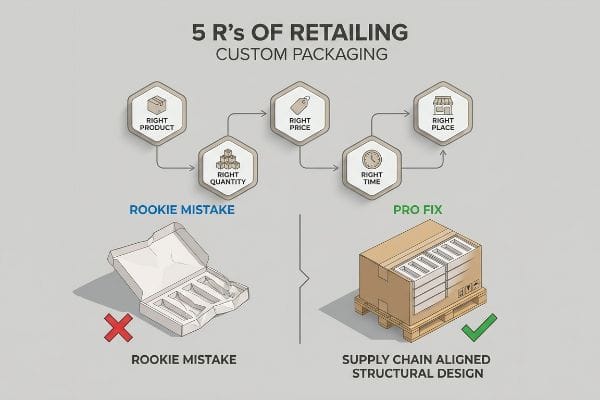
إن حفظ هذه الركائز الخمس أمر سهل، لكن تحويلها إلى صندوق مموج مادي قادر على تحمل الأحمال يتطلب توافقًا صارمًا في سلسلة التوريد.
مصفوفة مواءمة إطار عمل البيع بالتجزئة
كثيراً ما تحاول العلامات التجارية الناشئة إطلاق منتجاتها بالاعتماد فقط على المظهر الجمالي، ظناً منها أن المنتج الجيد في علبة أنيقة سيبيع نفسه تلقائياً. وتتجاهل هذه العلامات آليات العمل الصارمة اللازمة للبقاء في سوق الجملةمقارنةً بمتجر البقالة المحلي.
من السهل نسيان أن لكل قناة بيع بالتجزئة متطلباتها المادية الخاصة. شاهدتُ مؤخرًا إحدى العلامات التجارية وهي تحاول حشر صواني مستحضرات تجميل حساسة ، مُخصصة لصيدلية صغيرة، مباشرةً في متجر كبير لبيع المنتجات بالجملة. كان الخلل الهيكلي واضحًا منذ البداية. عندما شرحتُ للعميل تفاصيل العملية اللوجستية، جعلته يلمس صلابة لوح ECT الثقيل (32 ECT) الذي اضطررنا إلى استبداله بلوح آخر ليتحمل مناولة الرافعات الشوكية. كان علينا وضع مصفوفة خاصة لربط استراتيجيتهم مباشرةً بطلب المتجر الكبير على كميات كبيرة من المنتجات المعبأة على منصات نقالة. من خلال تصميم المنتج وفقًا لمعايير المكان والكمية المناسبة، منعنا سحق صوانيهم الحساسة تحت وطأة الشحن الثقيل، مما أدى فعليًا إلى تجنب تكاليف التعويض الباهظة عن أضرار النقل .
| أخطاء شائعة للمبتدئين | الحل الاحترافي | فوائد أرضية البيع بالتجزئة |
|---|---|---|
| تجاهل الخدمات اللوجستية الخاصة بالمتجر | تصميم هيكل الخريطة للقناة9 | يتحمل الاستخدام بواسطة الرافعات الشوكية |
| بافتراض أن مقاسًا واحدًا يناسب الجميع | درجات ألواح المقياس للكميات الكبيرة10 | يزيل التكسير أثناء النقل |
| إهمال احتياجات الكمية | مهندس متخصص في كثافة المنصات11 | يمنع عمليات رد المبالغ المدفوعة المكلفة |
لا أبدأ بتقطيع ألواح التقطيع إلا بعد التأكد من بيئة البيع بالتجزئة بدقة. إذا لم تتطابق الحسابات الهيكلية تمامًا مع الإطار التشغيلي للمتجر المستهدف ، فأنت بذلك تموّل كارثة.
🛠️ مكتب هارفي: هل هيكل التغليف الحالي لديكم مصمم فعلاً ليتحمل ظروف سلسلة التوريد الخاصة بمتاجر التجزئة المستهدفة؟ 👉 اطلبوا تدقيقًا لوجستيًا ↗ — حمّلوا الملف بأمان. صندوق بريدي مفتوح في حال وجود أي استفسارات لاحقًا.
ما هي العناصر الأربعة الأساسية للتسويق البصري؟
لا يقتصر التسويق على جعل الأشياء تبدو جميلة فحسب، بل هو فخ بصري مدروس. إذا لم يجذب تصميم متجرك انتباه الناس من مسافات مختلفة، فسيصبح العرض غير مرئي.
ما هي عناصر المزيج التسويقي الأربعة في مجال عرض المنتجات؟ وهي: المنتج، والسعر، والمكان، والترويج. عند تطبيقها على العروض المادية، تحدد هذه المبادئ كيفية تصميم العناصر الهيكلية، والأشكال المقطوعة، والألوان المميزة لجذب انتباه المتسوقين وتحفيز عمليات الشراء الفورية في ممرات المتاجر المزدحمة.

يتطلب تطبيق تلك المبادئ النظرية على ورقة مسطحة من الورق المقوى فهمًا عميقًا للسلوك المكاني البشري.
إتقان قاعدة التفاعل المكاني 3-3-3
غالباً ما تقوم فرق التصميم المبتدئة بتصميم عروض البيع بالتجزئة خصيصاً للعرض عن قرب على شاشات الكمبيوتر ذات الإضاءة الخلفية. يفترضون أن المتسوقين سيتوقفون بشكل طبيعي عن عرباتهم ويقرؤون كل سطر من النص المطبوع على اللوحة الكرتونية.
يتجاهل هذا التفكير القائم على مستوى الشاشة تمامًا كيفية تنقل المتسوقين في ممرات المتاجر الفعلية. غالبًا ما أضطر إلى إعادة تصميم الوحدات لأن التصميم الأصلي يبدو ككتاب مدرسي باهت من مسافة 3 أمتار. ولحل هذه المشكلة، أطبق قاعدة التوزيع المكاني 3-3-3.أتذكر مراجعتي لطباعة اختبار مسطحة حيث جعلت نقاط التظليل النصفية القياسية CMYK (سماوي، أرجواني، أصفر، أسود) الشعار الرئيسي يبدو ضبابيًا تمامًا. مررت إبهامي على ورق الاختبار المسامي، وأمرتُ على الفور بتغييره إلى لون موضعي موحد ومُدمج بدقة من نظام مطابقة ألوان بانتون (PMS). أدى هذا التغيير الفعلي في الحبر إلى تباين بصري قوي حقق متطلبات التشويش البصري من مسافة 9 أمتارمتناهية . من خلال هندسة الهيكل لضمان الرؤية من مسافة بعيدة، وإزالة الحافة الأمامية للتثبيت لتوفير إمكانية التحويل اللمسي بمقدار 76.2 ملم، سرّعنا عملية اتخاذ القرار لدى المتسوقين، ورفعنا بشكل ملحوظ سرعة دوران المخزون في الوحدة.
| أخطاء شائعة للمبتدئين | الحل الاحترافي | فوائد أرضية البيع بالتجزئة |
|---|---|---|
| تصميم للاستخدام عن قرب فقط | مهندس مسؤول عن إحداث اضطراب بطول 30 قدمًا14 | يلتقط حركة المرور السريعة في الممرات |
| استخدام درجات لونية باهتة بنظام CMYK | أغرق المكان بألوان PMS الموضعية الصلبة15 | يزيد من التباين البصري |
| شفاه تثبيت أمامية | حافة منخفضة لتوفير خلوص 3 بوصات16 | يسرع التحويل اللمسي |
أصمم كل ملف هيكلي لجذب حركة المتسوقين من جميع أنحاء المتجر. إذا لم يلفت عرضك انتباه المتسوقين قبل حتى وصولهم إلى الممر، فإن الحملة التسويقية فاشلة بالفعل.
🛠️ مكتب هارفي: هل يعتمد تصميمك الفني الحالي على نصوص صغيرة بدلاً من إحداث تغييرات هيكلية جذرية؟ 👉 احصل على تقييمك البصري ↗ — لا توجد استمارات تُسبب مكالمات مبيعات لا تنتهي. قيمة خالصة فقط.
ما هي شاشات العرض الترويجية التي توضع بالقرب من البضائع لترويج عملية البيع حيث يتخذ العميل قرار الشراء؟
الموقع يحدد الهندسة بشكل كامل. فعندما تنتقل من الممر الرئيسي للمتجر مباشرة إلى منطقة الدفع، يجب أن تتغير فيزياء هيكلك الكرتوني تماماً.
تتضمن شاشات العرض في نقاط البيع، الموضوعة بالقرب من البضائع، صواني عرض نقاط البيع وأقواس تثبيت جانبية متعددة الاستخدامات. تُثبّت هذه الوحدات المتخصصة مباشرةً عند صندوق الدفع أو بجانب المنتجات التكميلية، وهي مصممة خصيصًا لتحفيز عمليات الشراء الفورية في اللحظة التي يُنهي فيها العميل قرار الشراء.
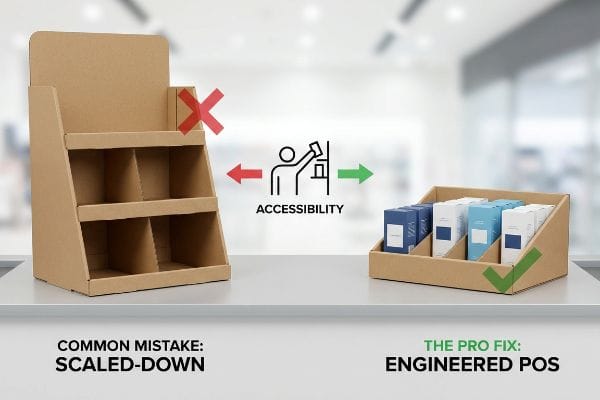
لكن معرفة النظرية لا تكفي عندما تبدأ الآلات بالعمل. فالمساحة القريبة من صندوق المحاسبة تخضع لرقابة صارمة، وأي خطأ في الحسابات هنا يُسبب مشاكل كبيرة في قطاع التجزئة.
لماذا تفشل عمليات تقليص الحجم لتناسب احتياجات المصنع في أرضيات المصانع؟
كثيراً ما تقترح شركات التجارة تصميماً قابلاً للتطوير، حيث وحدة أرضية بنسبة 50% لتصبح بمثابة صينية عرض على طاولة الدفع. ويفترضون أن السلامة الهيكلية والقواعد المكانية تظل ثابتةبغض النظر عن الموقع الفعلي النهائي للعرض في المتجر.
يُعدّ تثبيت شاشة عرض واحدة في المختبر أمرًا سهلاً، لكن إليك الواقع المرير عند شحن 500 شاشة منها مباشرةً إلى نقاط البيع بالتجزئة. في منشأتي، أرى باستمرار عملاءً يحاولون إعادة تدوير قوالب منصات GMA الضخمة إلى وحدات عرض صغيرة. خلال عمليات التدقيق البُعدي قبل الإنتاج، أثبتُ أن تصغير الحجم بنسبة 50% يُخالف المعايير القانونية الصارمة للبيع بالتجزئة. قمتُ بقياس الهيكل المادي وفقًا لنطاق الوصول الأمامي المنصوص عليه في قانون الأمريكيين ذوي الإعاقة (ADA)،فشلتتمامًا في تجاوز حد الوصول الرأسي من 15 إلى 48 بوصة (381-1219.2 مم). كانت الحافة الأمامية مرتفعة بشكل غير مريح، مما أجبر المستهلك على بذل جهد كبير للوصول إلى المنتج. قمتُ على الفور بفصل فرق الهندسة، وأعدتُ تصميم هندسة وحدة العرض رياضيًا لتتناسب تمامًا مع منطقة الوصول المطلوبة. من خلال تطبيق هذا التفاوت الهندسي الصارم، ضمنت أن الشكل الهيكلي قد اجتاز تدقيق السلامة الخاص بالتاجر، مما منع حدوث سيناريو كارثي حيث يقوم مديرو المتاجر برمي الوحدات غير المطابقة مباشرة في سلة المهملات.
| أخطاء شائعة للمبتدئين | الحل الاحترافي | فوائد أرضية البيع بالتجزئة |
|---|---|---|
| تقلص خطوط قطع الأرضيات بنسبة 50%19 | هندسة نقاط البيع الفريدة للمهندس | يناسب قيود الدفع الضيقة |
| تجاهل حدود الوصول القانوني | الالتزام بقواعد الطول الخاصة بقانون الأمريكيين ذوي الإعاقة (ADA)20 | يجتاز عمليات التدقيق الإداري الصارمة |
| بناء جدران عالية جداً | تم قص الشفة الأمامية لتسهيل الوصول21 | يؤمّن عمليات الاستحواذ السريعة والاندفاعية |
لا أسمح أبدًا لأي عميل باستخدام نفس التصميم تمامًا للممر ومنطقة الدفع. يتطلب عرض البضائع في نقاط البيع دقة متناهية، وليس مجرد حلول سريعة وغير مدروسة.
🛠️ مكتب هارفي: هل تعلم ما إذا كان عرض منتجاتك الحالي على المنضدة متوافقًا قانونيًا مع مناطق الوصول الأمامي الإلزامية في متاجر التجزئة؟ 👉 أرسل لي ملف تصميم القالب الخاص بك ↗ — سأقوم باختبار الحسابات بدقة قبل أن تُهدر ميزانيتك على الإنتاج الضخم.
خاتمة
يمكنك اختيار مورد أرخص، ولكن عندما يتم تصغير عرض منتجاتك بشكل عشوائي ليناسب طاولة العرض، مما يخالف معايير الوصول لذوي الاحتياجات الخاصة، فإن ذلك سيؤدي إلى رفض فوري من قبل بائع التجزئة، ويقضي تمامًا على هامش ربح المشروع. هذه هي ورقة المواصفات الدقيقة التي يستخدمها أفضل عشرة عملاء لي في قطاع التجزئة لضمان عدم رفض أي منتج. توقف عن التخمين بشأن القيود المكانية، ودعني أقوم شخصيًا بمراجعة ملفاتك الهيكلية من خلال خدمة التدقيق البُعدي المجانية ↗ لاكتشاف هذه الأخطاء الهندسية الجسيمة قبل بدء الإنتاج بكميات كبيرة.
"أحجام المنصات القياسية | مع مخطط بياني"، https://www.kampspallets.com/standard-pallet-sizes-with-chart/. التحقق من الأبعاد القياسية المستخدمة في صناعة منصات GMA في متاجر التجزئة الكبيرة. دور الدليل: التحقق من الحقائق؛ نوع المصدر: معيار صناعي. يدعم: المواصفات الفنية لعروض الأرضيات القياسية. ملاحظة النطاق: ينطبق على معايير التجزئة في أمريكا الشمالية. ↩
اختبار ISTA لعرض ربع منصة نقالة - PopDisplay، https://popdisplay.me/quarter-pallet-display-ista-testing/. التحقق من الأبعاد القياسية في الصناعة لعرض أجزاء المنصات النقالة للتأكد من مطابقة المواصفات 24×20 بوصة. دور الدليل: التحقق الفني؛ نوع المصدر: مواصفات عرض البيع بالتجزئة. يدعم: القياسات المحددة لربع منصة نقالة. ملاحظة: قد تختلف الأبعاد القياسية باختلاف المنطقة الجغرافية. ↩
"أنواع شاشات العرض في نقاط البيع - PopDisplay"، https://popdisplay.me/types-of-pop-displays/. التحقق من الأبعاد القياسية في الصناعة لقواعد العرض الجزئية في متاجر التجزئة لتحسين استخدام مساحة الأرضية. دور الدليل: المواصفات الفنية؛ نوع المصدر: معايير عرض التجزئة. يدعم: استخدام قواعد 24×20 للمواقع المتميزة. ملاحظة النطاق: ينطبق تحديدًا على شاشات العرض المؤقتة في نقاط البيع. ↩
"سيكولوجية تجارة التجزئة: كيف يؤثر تصميم المتجر على المبيعات - فوربس"، https://www.forbes.com/councils/forbesbusinesscouncil/2025/01/03/the-psychology-of-retail-how-store-layout-impacts-sales/. تشير الأدلة التجريبية إلى أن مساحات العرض الأصغر تزيد من احتمالية الحصول على مواقع مميزة في مناطق التجزئة ذات الحركة المرورية العالية. دور الدليل: الأساس المنطقي الاستراتيجي؛ نوع المصدر: بحث في إدارة تجارة التجزئة. يدعم: فائدة التصميم الهندسي الجزئي. ملاحظة: قد تختلف النتائج بناءً على اتفاقيات التأجير الخاصة بكل تاجر تجزئة. ↩
"أحجام المنصات القياسية - 48×40 وفقًا لمعايير GMA و6 أبعاد شائعة أخرى"، https://www.wearewarp.com/standard-pallet-sizes. تأكيد على أن معايير GMA (رابطة مصنعي البقالة) تحدد المساحة القياسية لعرض منصات البيع بالتجزئة. دور الدليل: معيار فني؛ نوع المصدر: رابطة صناعية. يدعم: الادعاء بأن المساحات القياسية هي الأساس للتقسيم. ملاحظة النطاق: معايير البيع بالتجزئة في أمريكا الشمالية بشكل أساسي. ↩
[ملف PDF] نشاط التسوق في متاجر المستودعات وتنافسيتها و...، https://digital.sandiego.edu/cgi/viewcontent.cgi?article=1010&context=busnfaculty. تُفصّل أدلة عمليات البيع بالتجزئة والأوراق البحثية المتخصصة في هذا القطاع المتطلبات اللوجستية والهوامش والتعبئة والتغليف اللازمة لضمان جدوى متاجر المستودعات مقارنةً بالأنواع الأخرى. دور الدليل: التحقق من الحقائق؛ نوع المصدر: تحليل القطاع. يدعم: الادعاء بأن قنوات البيع بالتجزئة المختلفة تتطلب استراتيجيات تشغيلية متميزة. ملاحظة النطاق: التركيز على توزيع الشركات (B2B) ومقاييس الحجم. ↩
"اختبار مقاومة الحواف: رؤى أساسية لتغليف الكرتون المموج"، https://www.testresources.net/blog/edge-crush-test-essential-insights-for-corrugated-packaging. يقدم هذا التقرير مواصفات فنية لقوة ألواح الكرتون المموج بمعامل مقاومة 32 (ECT) ومدى ملاءمتها للشحن الثقيل والتعامل مع الرافعات الشوكية. دور الدليل: مواصفات فنية؛ نوع المصدر: معيار صناعة التغليف. يدعم التقرير: الادعاء بأن معامل مقاومة 32 (ECT) مطلوب للوجستيات متاجر البيع بالجملة. ملاحظة النطاق: التركيز على طرق اختبار ألواح الألياف المموجة. ↩
شرح عمليات رد المبالغ المدفوعة في قطاع التجزئة: الأخطاء السبعة الشائعة التي يرتكبها الموردون...، https://legacyscs.com/common-retail-chargebacks-mistakes-explained/. يشرح هذا الدليل آلية رد المبالغ المدفوعة من قبل الموردين في هذا القطاع، والناتجة عن تلف المنتجات أثناء نقلها إلى متاجر التجزئة. دور الدليل: الممارسات الصناعية؛ نوع المصدر: دليل إدارة سلسلة التوريد. يدعم الدليل: التبعات المالية لفشل التغليف الهيكلي. ملاحظة النطاق: ينطبق على اتفاقيات موردي متاجر التجزئة الكبرى. ↩
"الشاحنات الصناعية ذاتية الدفع - الرافعات الشوكية - المعايير - إدارة السلامة والصحة المهنية (OSHA)"، http://www.osha.gov/powered-industrial-trucks/standards. تؤكد إرشادات التغليف على ضرورة ربط السلامة الهيكلية بقناة التوزيع المحددة لتحمل عمليات النقل الصناعية، مثل نقل الرافعات الشوكية. دور الدليل: المواصفات الفنية؛ نوع المصدر: ورقة عمل صناعية. يدعم: ضرورة الربط الهيكلي الخاص بكل قناة. ملاحظة النطاق: يركز على المتانة المادية في بيئات المستودعات. ↩
[ملف PDF] مواصفات الكرتون المموج - رابطة صناديق الألياف، https://www.fibrebox.org/assets/2025/09/Walmart_Corrugated-Board_Specifications_Automation_Packaging_Standards.pdf. يؤكد مصدر موثوق في هندسة التغليف على ضرورة رفع جودة الكرتون (مثل تصنيفات ECT أو Mullen) لمنع التلف الهيكلي في الشحنات الكبيرة. دور الدليل: التحقق الفني؛ نوع المصدر: دليل هندسة التغليف. يدعم: العلاقة بين جودة الكرتون ومتانته أثناء النقل. ملاحظة النطاق: ينطبق تحديدًا على الكرتون المموج. ↩
[ملف PDF] كيفية تقليل عمليات رد المبالغ المدفوعة في برنامج امتثال الموردين الخاص بك، https://www.weberlogistics.com/hs-fs/file-18466406.pdf. تحدد معايير الخدمات اللوجستية وسلسلة التوريد كيف يؤدي ضعف كثافة المنصات أو عدم استقرار الأحمال إلى عمليات رد مبالغ الشحن من تجار التجزئة. دور الدليل: معيار صناعي؛ نوع المصدر: دليل الخدمات اللوجستية لسلسلة التوريد. يدعم: العلاقة بين هندسة المنصات والعقوبات المالية. ملاحظة النطاق: تختلف هياكل رد المبالغ المدفوعة باختلاف تاجر التجزئة. ↩
"أهمية قاعدة الثلاثة في تصميمات متاجركم المخصصة"، https://mcintyredisplays.com/blog/custom-store-displays/. التحقق من صحة قاعدة 3-3-3 المكانية كإطار عمل معترف به للتفاعل مع المتسوقين في قطاع التجزئة. دور الدليل: تعريف مفاهيمي؛ نوع المصدر: دليل تصميم متاجر التجزئة. يدعم: منهجية التفاعل المتدرج مع المتسوقين بناءً على المسافة. ملاحظة: قد يختلف التطبيق باختلاف بيئة التجزئة. ↩
"تصميم متاجر التجزئة لعرض المنتجات بشكل فعّال وتسهيل حركة العملاء"، https://www.business.qld.gov.au/industries/manufacturing-retail/retail-wholesale/retail-displays. توثيق لمعايير الصناعة المتعلقة بالتأثير البصري بعيد المدى في ممرات متاجر التجزئة. دور الدليل: مقياس فني؛ نوع المصدر: دليل عرض المنتجات. يدعم: متطلبات المسافة المحددة لجذب انتباه المتسوق في البداية. ملاحظة النطاق: ينطبق على متاجر التجزئة ذات الحركة المرورية العالية والمساحة الكبيرة. ↩
"أساليب التفاعل البصري التي تُحفّز المبيعات في متاجر التجزئة الكبيرة"، https://thelookcompany.com/blog/visual-engagement-tactics-that-drive-sales-for-big-box-retail/. التحقق من معايير الصناعة للجاذبية البصرية بعيدة المدى وتأثيرها على خط الرؤية في بيئات البيع بالتجزئة. دور الدليل: المواصفات الفنية؛ نوع المصدر: دليل تصميم متاجر التجزئة. يدعم: رصد حركة المرور السريعة في الممرات. ملاحظة: قد تختلف المسافات بناءً على تصميم المتجر. ↩
وألوان الطباعة الموضعية في طباعة التغليف، https://meyers.com/meyers-blog/cmyk-vs-spot-colors-in-packaging-printing-what-cpg-brands-need-to-know/. مقارنة تقنية بين ألوان نظام مطابقة ألوان بانتون (PMS) الموضعية وطباعة CMYK لتحقيق أقصى قدر من التشبع والتباين. المرجع: معيار تقني؛ نوع المصدر: دليل تصميم جرافيكي. يدعم: تحقيق أقصى قدر من التباين البصري. ملاحظة: ينطبق تحديدًا على اللافتات المطبوعة. ↩
"كيفية إنشاء عروض مخصصة تزيد المبيعات - PopDisplay"، https://popdisplay.me/how-to-create-custom-displays-that-increase-sales/. تقييم المساحات المريحة لأرفف البيع بالتجزئة لتقليل الاحتكاك أثناء تفاعل العملاء مع المنتجات. دور الدليل: معيار مريح؛ نوع المصدر: دليل عرض المنتجات. يدعم: تسريع عملية التحويل اللمسي. ملاحظة النطاق: تختلف متطلبات المساحة حسب حجم المنتج. ↩
"العلاقة بين عروض التغليف وعروض الكرتون"، https://popdisplay.me/relationship-between-packaging-displays-and-cardboard-displays/. شرح موجز لكيفية إثبات مبادئ الهندسة الإنشائية للمواد المموجة أن تغيير الأبعاد يؤثر على قدرة التحميل والقيود المكانية. دور الدليل: التناقض؛ نوع المصدر: دليل هندسي. يدعم: مغالطة التصغير البسيط. ملاحظة النطاق: يقتصر على هياكل الكرتون. ↩
الفصل الثالث: الأجزاء القابلة للتشغيل - Access-Board.gov، https://www.access-board.gov/ada/guides/chapter-3-operable-parts/. التحقق من متطلبات الارتفاع القانونية المحددة للوصول الأمامي لضمان سهولة الوصول للأشخاص ذوي الإعاقة. دور الدليل: التحقق من الحقائق؛ نوع المصدر: وثائق تنظيمية. يدعم: حدود الارتفاع الرأسي المحددة للامتثال لقانون الأمريكيين ذوي الإعاقة (ADA) للوصول الأمامي. ملاحظة النطاق: ينطبق على معايير سهولة الوصول لتجهيزات متاجر التجزئة. ↩
"انخفاض مبيعات علب الكرتون يُشير إلى تراجع الإنفاق الاستهلاكي في الولايات المتحدة..."، https://www.supplychainbrain.com/articles/37458-slumping-cardboard-box-sales-signal-us-consumer-spending-slowdown. شرح موجز لكيفية دعم مصدر خارجي موثوق لهذا الادعاء. دور الدليل: التحقق الفني؛ نوع المصدر: دليل هندسة التغليف. يدعم: لماذا يؤدي التوسيع الخطي لخطوط القطع الهيكلية إلى مشاكل في الاستقرار وتحمل الأحمال في شاشات نقاط البيع. ملاحظة حول النطاق: يركز على فيزياء الكرتون وسلامة المادة. ↩
معايير قانون الأمريكيين ذوي الإعاقة للتصميم المُيسّر، الباب الثالث، اللائحة 28 من قانون اللوائح الفيدرالية...، https://www.ada.gov/law-and-regs/design-standards/1991-design-standards/. شرح موجز لكيفية دعم مصدر خارجي موثوق لهذا الادعاء. دور الدليل: التحقق التنظيمي؛ نوع المصدر: إرشادات قانونية. يدعم: ضرورة الالتزام بمعايير إمكانية الوصول المنصوص عليها في قانون الأمريكيين ذوي الإعاقة لتجهيزات متاجر التجزئة العامة لضمان الشمولية. ملاحظة النطاق: ينطبق بشكل أساسي على القانون الفيدرالي الأمريكي. ↩
"رؤى حول نقاط البيع: تأثير نقاط البيع بالتجزئة..."، https://www.bcipkg.com/point-of-purchase-insights-the-impact-of-retail-pop-displays-on-consumer-behavior/. شرح موجز لكيفية دعم مصدر خارجي موثوق لهذا الادعاء. دور الدليل: تبرير مريح؛ نوع المصدر: دراسة سلوك المستهلك. يدعم: استخدام تصميم يسهل الوصول إليه لزيادة سرعة التفاعل والتحويل لعمليات الشراء الاندفاعية. ملاحظة النطاق: يقتصر على بيئة العمل المريحة لوضع نقاط البيع. ↩