إن دخول متجر كبير يعني الدخول إلى ساحة معركة حيث تحدد أجزاء من الثانية النجاح أو الفشل، ومظهرك المادي هو سلاحك الوحيد.
تتطلب المبادئ الأساسية للتسويق البصري وضع المنتجات بشكل استراتيجي، وإبراز التباين العالي في التصميم، وتوفير سهولة الوصول، والإضاءة المثلى، وتسهيل حركة المتسوقين. يضمن استخدام هذه الاستراتيجيات الأساسية جذب العلامات التجارية لحركة المتسوقين العفوية، مع الالتزام التام في الوقت نفسه بمعايير الخدمات اللوجستية للمستودعات الدولية وتصميمات المتاجر الكبيرة.
إن فهم النظرية الكامنة وراء تفاعل المستهلك هو بداية رائعة، لكن ترجمة تلك الأفكار المجردة إلى هيكل مادي من الورق المقوى المموج هو المكان الذي تفشل فيه معظم الحملات.
ما هي المبادئ الخمسة للتسويق البصري؟
دعونا نحلل القواعد الأساسية التي تجعل منتجك ملحوظًا، ويتم اختياره، ووضعه في سلة التسوق قبل أن يغادر العميل.
تتضمن المبادئ الخمسة للتسويق البصري إنشاء نقاط جذب، وزيادة وضوح المنتج إلى أقصى حد، والاستفادة من علم نفس الألوان، وضمان انسيابية العرض، والحفاظ على سهولة الوصول إلى المنتجات. ويحدد تطبيق هذه التكتيكات التسويقية الدقيقة مدى نجاح عرض نقاط البيع في جذب انتباه المستهلكين المتسرعين داخل الممرات المزدحمة.
في حين أن تلك الأعمدة الخمسة تبدو رائعة في عرض العلامة التجارية، إلا أنها تنهار تمامًا إذا لم يتم تصميمها وفقًا لمسافات مكانية محددة.
إتقان قاعدة التفاعل المكاني 3-3-3
كثيراً ما تصمم فرق التسويق المبتدئة عروض البيع بالتجزئة خصيصاً للعرض عن قرب على شاشات الكمبيوتر ذات الإضاءة الخلفية، مهووسةً باختيارات الخطوط الصغيرة وتدرجات الألوان الدقيقة. يفترضون أنه إذا بدت الرسومات جميلة على شاشاتهم، فستجذب تلقائياً المتسوقين من جميع أنحاء المتجر. يتجاهل هذا النهج المسطح ثنائي الأبعاد تماماً الواقع المادي لكيفية تنقل المتسوقين فعلياً في ممرات البيع بالتجزئة الضخمة والمزدحمة بصرياً .
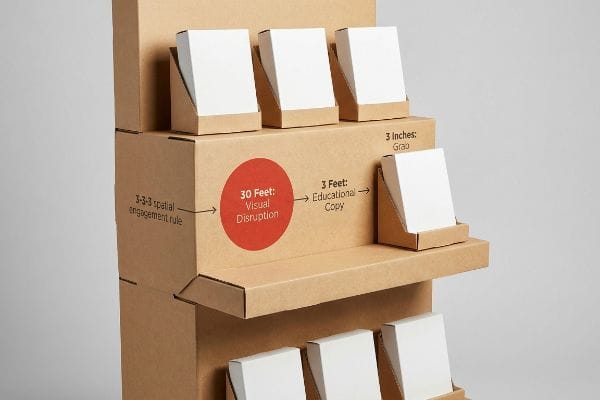
أعلم أنك تحدق في شاشتك بثقة، لأن 80% من عملائي يوافقون على التصميمات دون اختبارها عن بُعد، ولكن عليك مراعاة قاعدة التفاعل المكاني 3-3-3 . يحتاج المتسوقون إلى رؤية عنصر التشويق البصري من مسافة 9 أمتار، والتفاعل مع المحتوى التثقيفي من مسافة متر واحد، والإمساك بالمنتج من مسافة 7.5 سم. لقد رأيت متسوقين متسرعين يُضيّقون أعينهم محاولين قراءة نص صغير جدًا على وحدة تبدو كصندوق رمادي ضبابي تحت إضاءة فلورية قوية. يجب عليك استخدام أشكال مقطوعة بشكل بارز وألوان بانتون قوية لجذب الانتباه من مسافة بعيدة، ثم قص الحافة الأمامية لضمان رؤية المنتج بنسبة 85% على الأقل لتحقيق التحويل النهائي، مما يجنبك حملة تسويقية يمر بها المتسوقون دون أن يلاحظوها .
| أخطاء شائعة للمبتدئين | الحل الاحترافي | فوائد أرضية البيع بالتجزئة |
|---|---|---|
| التصميم من مسافة الشاشة | تطبيق قاعدة 3-3-34 | يزيد من استقطاب حركة المشاة |
| استخدام نص صغير في كل مكان | ألوان متجانسة منقطة5 | يمنع التداخل البصري |
| شفاه تثبيت أمامية | حافة سفلية لزيادة الرؤية | يزيد من معدل التقاط الاندفاع6 |
أرفض السماح لعملائي بإهدار ميزانياتهم على شاشات عرض غير مرئية، لذلك أقوم دائمًا بتصميم الهيكل الخارجي بحيث يقوم بالعمل الشاق من مسافة بعيدة.
🛠️ مكتب هارفي: هل أنت غير متأكد من مدى ملاءمة تصميمك الفني للعرض على شاشة الكمبيوتر في ممرات المتاجر؟ 👉 احصل على تقييم مجاني لخطوط الطباعة ↗ — تواصل مباشر مع مكتبي. أضمن لك عدم تلقي أي رسائل تسويقية آلية مزعجة.
ما هي العناصر الأربعة الأساسية للتسويق البصري؟
قبل أن تفكر حتى في التصميم الجرافيكي أو القوالب المقطوعة، يجب أن تربط حملتك بإطار تجاري متين.
تشمل عناصر التسويق البصري الأربعة: المنتج، والسعر، والمكان، والترويج. ويضمن تنسيق هذه العناصر الأساسية أن يتناسب تصميم العرض الكرتوني المموج مع بيئة البيع بالتجزئة المختارة، وأن ينقل القيمة بوضوح، ويبرز البضائع بفعالية، ويحقق تحويلات مربحة للمستهلكين عبر قنوات المستودعات ذات الحركة المرورية العالية.
توفر هذه الركائز الأربع أساسًا تسويقيًا رائعًا، لكنها عديمة الفائدة إذا كان هيكلك المادي ينتهك القواعد المحددة لأرضية متجر التجزئة.
لماذا تفشل عناصر المزيج التسويقي الأربعة بدون مواءمة المتجر؟
كثيراً ما تحاول العلامات التجارية الجديدة إطلاق منتجاتها دون إتقان الأسس الرئيسية لتجارة التجزئة، ظناً منها أن المنتج المميز سيُباع تلقائياً. تقضي هذه العلامات أسابيع في تحسين رسائلها الترويجية واستراتيجية التسعير، لكنها تفشل في تكييف حضورها الفعلي مع مختلف أنواع متاجر التجزئة. وبدون هذا التوافق الأساسي مع متطلبات العمل، تصبح الحملة غير متوافقة اقتصادياً ومادياً مع النموذج التشغيلي للمتجر المستهدف .
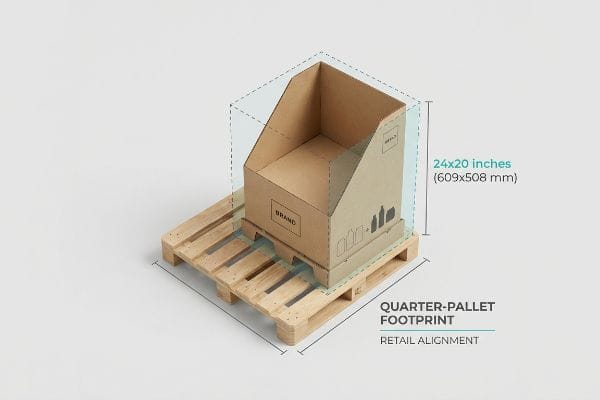
من الشائع جدًا التركيز المفرط على الجانب الترويجي لدرجة تجاهل القيود اللوجستية المتعلقة بمساحة المتاجر المختلفة. من الأخطاء الشائعة التي أراها باستمرار، عرض منتجات ضخمة على رفوف المتاجر الصغيرة، حيث يحرص مشتري المتجر على استغلال كل شبر من مساحة المتجر بدقة. ذات مرة، شاهدتُ مندوبًا لإحدى العلامات التجارية يتصبب عرقًا وهو يحاول إدخال وحدة عرض ضخمة وغير متناسقة في ممر ضيق، وشعر بمقاومة الكرتون الشديدة وهو يصطدم بالرفوف المعدنية الثابتة، قبل أن يرفضها مدير المتجر نهائيًا. لتجنب ذلك، يجب تصميم حملتك التسويقية بما يتناسب مع هيكل المتجر، باستخدام أحجام قياسية جزئية، مثل ربع منصة نقالة بمقاس 24 ×20 بوصة (609×508 مم)، مما يضمن اندماج الوحدة بسلاسة في بيئة المتجر.
| أخطاء شائعة للمبتدئين | الحل الاحترافي | فوائد أرضية البيع بالتجزئة |
|---|---|---|
| تجاهل مساحات المتاجر | الربط بأطر البيع بالتجزئة9 | يضمن موافقة المشتري الفورية |
| رمي الوحدات كبيرة الحجم | استخدام حساب المنصات الجزئية - الرياضيات10 | يُحسّن من وضع المنتج في الممرات الضيقة |
| التركيز فقط على الترويج | مواءمة الأبعاد الفيزيائية | يمنع رفض الأرضية |
أقوم دائماً بمطابقة الهيكل المادي رياضياً مع قناة البيع بالتجزئة المستهدفة قبل وضع قطرة حبر واحدة.
🛠️ مكتب هارفي: هل أنت متأكد من أن مساحة عرض منتجاتك تتناسب تمامًا مع الأبعاد المكانية الدقيقة لمتجر التجزئة الذي تستهدفه؟ 👉 احجز مكانك في المتجر ↗ — حمّل الملف بأمان. صندوق رسائلي مفتوح إذا كانت لديك أي أسئلة لاحقًا.
ما هي قواعد التسويق السبع؟
بمجرد الموافقة على مساحة متجرك، فإن الطريقة التي ترتب بها البضائع فعلياً على الصواني المموجة تحدد كيفية تفاعل المتسوقين معها.
تتمحور قواعد التسويق السبع حول تعزيز وضوح المنتجات، وضمان سهولة الوصول إليها، والحفاظ على نظافتها، وتجميع المنتجات ذات الصلة بشكل منطقي، واستخدام التسويق المتبادل، وتدوير المخزون بشكل استراتيجي، وتطبيق أسعار واضحة. يضمن تطبيق هذه الإرشادات بدقة أن تظل عروض البيع بالتجزئة منظمة وجذابة بصريًا، ومحفزة للغاية للشراء الفوري من قبل المستهلكين.
على الرغم من أن تنظيم الأشياء يبدو أمراً بسيطاً، إلا أن تطبيق التناظر المثالي على رف من الورق المقوى غالباً ما يأتي بنتائج عكسية أثناء عمليات البيع بالتجزئة في العالم الحقيقي.
قاعدة التخطيط غير المتماثل 3-5-7
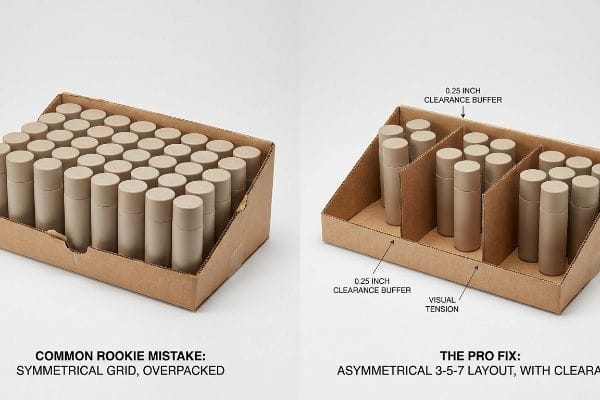
كثيرًا ما يحاول المصممون المبتدئون رصّ المنتجات بشكل متناسق ومتناظر تمامًا على رف عرض واحد، ظنًا منهم أن الكثافة القصوى تؤدي إلى مبيعات أعلى. ويعتقدون أن تكديس أكبر عدد ممكن من المنتجات في الرف يُضفي على العرض مظهرًا وفيرًا واحترافيًا. إلا أن هذا التكدس المتناسق يتجاهل تمامًا الجانب النفسي للتوتر البصري، ويُسبب احتكاكًا كبيرًا أثناء عملية إعادة التخزين اليومية.
حتى المصممون المخضرمون غالبًا ما يتجاهلون هذه النقطة العمياء، لكن التعامل مع رفوفك كشبكة مثالية يدفع المتسوقين المتسرعين إلى إلقاء نظرة سريعة على المعروضات دون التوقف. كما أن تكديس المنتجات بإحكام شديد يخلق كابوسًا لإعادة التعبئة؛ فقد سمعتُ صوت تمزق الورق المقوى الخام المزعج عندما قام بائع متجر محبط بحشر زجاجة بقوة في صينية مكتظة، مما أفسد عرض العلامة التجارية في ثوانٍ. يجب عليك تطبيق قاعدة عدم التماثل من خلال تصميم فواصل معيارية مخصصة تفصل البضائع بشكل طبيعي إلى مجموعات فردية العدد11، مما يوفر مسافة 0.25 بوصة (6.35 مم) الدقيقة12 لمنع تمزق المنتجات أثناء إعادة التعبئة، مع خلق توتر بصري يجذب العين.
| أخطاء شائعة للمبتدئين | الحل الاحترافي | فوائد أرضية البيع بالتجزئة |
|---|---|---|
| شبكات متناظرة مثالية | تجميع غير متماثل 3-5-713 | يجذب انتباه المتسوقين بصريًا |
| الإفراط في ملء الرف | إضافة فواصل وحدات التخزين المعيارية14 | يمنع تمزق حواف الكرتون |
| لا يتطلب الأمر أي تصريح أمني | هندسة منطقة عازلة للتخليص15 | يضمن إعادة التخزين بسلاسة |
أقوم بتضمين مساحات تخزين واسعة في كل تصميم لأن العرض لا ينجح إلا إذا تمكن موظف البيع بالتجزئة المتسرع من إعادة تخزينه دون إتلافه.
🛠️ مكتب هارفي: هل تتمتع رفوفك الحالية بالمساحة الكافية تمامًا لمنع تلفها أثناء إعادة التخزين؟ 👉 اطلب مراجعة هيكلية ↗ — لا توجد استمارات تُسبب مكالمات مبيعات لا تنتهي. فقط قيمة حقيقية.
ما هي العناصر الخمسة الأساسية للتسويق؟
يتطلب نجاح التسويق تنفيذًا مثاليًا للعرض، ولكن كل استراتيجيات التسويق في العالم لا يمكنها إنقاذ عرض مكسور ماديًا.
تشمل عناصر التسويق الخمسة: المنتج، والسعر، والمكان، والترويج، والأفراد. ويضمن دمج هذه المتغيرات الأساسية أن تقدم حملتك التسويقية المنتج المناسب بالتكلفة المثلى، في الموقع الصحيح مع عرض بصري جذاب، مع توفير الدعم الكامل لموظفي المتجر الذين يديرون العمليات.
إن جعل شاشة واحدة تعمل في المختبر أمر سهل، ولكن إليك الحقيقة القاسية عندما تقوم بشحن خمسمائة منها عبر المحيط.
لماذا يفشل الوضع المثالي على الرصيف
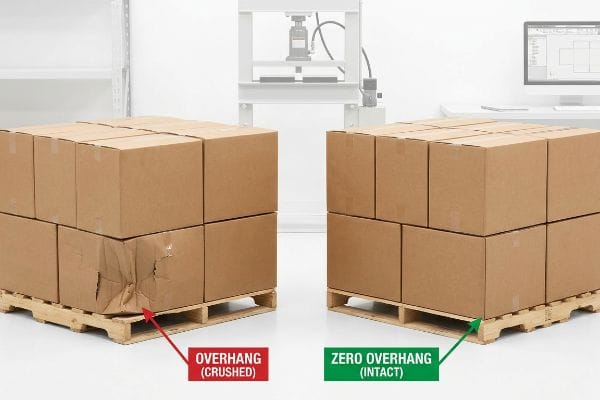
غالباً ما تقوم فرق المشتريات بتوسيع أبعاد الكرتون الرئيسي لزيادة كثافة الشحن، ظناً منها أن خصائص الضغط الخام للكرتون المموج عالي التحمل ستحمي البضائع بداخله. كما أنها توافق على عروض مطبوعة بشكل جذاب وتركز كلياً على الجانب الترويجي، متجاهلةً تماماً الجوانب الفيزيائية لكيفية تكديس هذه الصناديق المعبأة على منصة خشبية للتصدير. هذا يخلق ثغرة هيكلية خطيرة، حيث يُفترض أن القوة النظرية للمادة تعوض عن خلل جوهري في هندسة الشحن.
في منشأتي، أشهد بشكل روتيني تلف حملات تسويقية قبل وصولها إلى المتجر، وذلك لأن أحد المشترين وافق على كرتونة رئيسية تتجاوز أبعاد منصة التحميل القياسية (48×40 بوصة، 1219×1016 مم) وفقًا لمعايير جمعية مصنعي البقالة (GMA) بمقدار 0.5 بوصة (12.7 مم) فقط. تستمد الصناديق الكرتونية المموجة ما يصل إلى 60 % من قوتها في اختبار ضغط الصناديق (BCT) من المحاذاة الرأسية لزواياها الأربع، لذا عندما تتدلى إحدى الزوايا عن الخشب، فإنها لا تتحمل أي حمل. أختبر ذلك باستخدام مكابس ضغط هيدروليكية، وعندما يحدث هذا التدلي، ألاحظ انحناء الطبقة السفلية غير المدعومة للخارج بشكل واضح، مما يؤدي إلى انهيارها بشكل كارثي، وبالتالي إبطاء خط التجميع بنسبة 30% تقريبًا، بينما يسارع فريق العمل لإنقاذ البضائع المتضررة. من خلال فرض حدود بدون بروز في برنامج التصميم بمساعدة الكمبيوتر (CAD) الخاص بي وتقليص المساحة القصوى لضمان دعم مثالي للزوايا، أقوم على الفور باستعادة قوة الضغط الحاسمة، مما يؤدي إلى القضاء تمامًا على أضرار النقل وتكاليف استرداد الأموال الباهظة من قبل تجار التجزئة.
| أخطاء شائعة للمبتدئين | الحل الاحترافي | فوائد أرضية البيع بالتجزئة |
|---|---|---|
| تتدلى فوق المنصة الخشبية | صندوق إحاطة بدون بروز | يمنع سحق الطبقة السفلية18 |
| الاعتماد فقط على الدرجة الممنوحة | محاذاة زوايا الصندوق الهيكلي | يعيد 60% من قوة الضغط19 |
| استغلال حجم الكرتون بشكل أعمى | تقليص البصمة البيئية بأجزاء | يمنع تلف البضائع أثناء النقل |
لا أسمح أبدًا لأي عميل بوضع اللمسات الأخيرة على استراتيجيته الترويجية حتى أثبت رياضيًا أن هيكله المادي سيصمد أمام الرحلة اللوجستية.
🛠️ مكتب هارفي: لا تدع عيبًا هيكليًا بحجم 2 مليمتر يُفسد إطلاقًا ضخمًا لـ 500 متجر. 👉 أرسل لي ملف تصميم القالب ↗ — سأُجري اختبارات دقيقة للحسابات قبل أن تُهدر ميزانيتك على الإنتاج الضخم.
خاتمة
يمكنك أن تُولي اهتمامًا كبيرًا لنظرية التسويق البصري، ولكن عندما يتدلى كرتون رئيسي ضخم فوق المنصة ويتعرض للسحق بشكل كارثي في مستودع رطب، فإن انبعاج الطبقة السفلية الناتج يُؤدي إلى رفض فوري من قِبل تجار التجزئة، مما يُبدد أرباح حملتك التسويقية بالكامل. يستخدم أكثر من 500 مدير علامة تجارية قائمة التحقق الخاصة بي قبل الطباعة لتجنب هذه الأخطاء القاتلة في المراحل المبكرة. توقف عن التخمين بشأن أبعاد المنصات، ودعني أُجري شخصيًا تدقيقًا مجانيًا لملفاتك الهيكلية قبل الطباعة ↗ لاكتشاف هذه الإخفاقات اللوجستية الخفية قبل بدء الإنتاج الضخم.
[ملف PDF] نوايا سلوك التسوق التي يساهم فيها تصميم المتجر و...، http://yoon.human.cornell.edu/research/IJD_Ahmed_Yoon_crowding.pdf. [بحث موثوق في علم النفس البيئي وتصميم متاجر التجزئة يُفصّل الأنماط المعرفية والجسدية التي يستخدمها المتسوقون للتنقل في بيئات غنية بالمحفزات]. دور الدليل: دعم فني؛ نوع المصدر: مجلة محكمة أو دليل تصميم متاجر التجزئة. يدعم: التأكيد على أن التنقل المادي يختلف عن الاستهلاك البصري عبر الشاشة. ملاحظة النطاق: التركيز على سلوك مساحة البيع بالتجزئة المادية. ↩
"أهمية قاعدة الثلاثة في تصميمات متاجركم المخصصة"، https://mcintyredisplays.com/blog/custom-store-displays/. [يشرح دليل تصميم متاجر التجزئة أو دليل عرض المنتجات المرئية المعتمد مستويات التفاعل القائمة على المسافة (30 قدمًا، 3 أقدام، 3 بوصات) لقاعدة 3-3-3]. دور الدليل: تعريف؛ نوع المصدر: معيار صناعي؛ يدعم: النهج المنظم لمسافات تفاعل المتسوقين. ملاحظة النطاق: قد يختلف التطبيق باختلاف حجم بيئة البيع بالتجزئة.] ↩
"كيفية زيادة ظهور المنتجات في متاجر التجزئة باستخدام شاشات العرض عند نقاط البيع"، https://www.industrialpackaging.com/blog/increased-retail-visibility. [تُحدد دراسات تحليلات متاجر التجزئة أو هندسة العرض الحد الأدنى المطلوب من ظهور المنتج لزيادة معدلات التحويل التكتيكية إلى أقصى حد عند نقطة الشراء]. دور الدليل: التحقق من صحة المقاييس؛ نوع المصدر: دراسة تسويقية؛ يدعم: المتطلبات الفنية لتعديل حواف تثبيت العرض. ملاحظة النطاق: خاص بتصميم وحدة نقاط البيع المادية.] ↩
"المبادئ الأساسية للتسويق البصري - PopDisplay"، https://popdisplay.me/key-principles-of-visual-merchandising/. [دليلٌ موثوقٌ حول التفاعل المكاني في متاجر التجزئة، يشرح كيف تُحسّن قاعدة 3-3-3 مسافة وتوقيت المشاهدة لجذب العملاء.] دور الدليل: التحقق الفني؛ نوع المصدر: دليلٌ صناعي. يدعم: فعالية قاعدة 3-3-3 في زيادة حركة الزوار. ملاحظة النطاق: خاص بقواعد التسويق البصري المكاني. ↩
"مقارنة بين نظام CMYK والألوان الموضعية في طباعة التغليف"، https://meyers.com/meyers-blog/cmyk-vs-spot-colors-in-packaging-printing-what-cpg-brands-need-to-know/. [تُظهر مبادئ نظرية الألوان والتسلسل الهرمي البصري أن الكتل اللونية الصلبة ذات التباين العالي تمنع المنتج أو اللافتة من الاندماج مع محيطها.] دور الدليل: التحقق الفني؛ نوع المصدر: دليل التصميم. يدعم: استخدام الألوان الموضعية الكثيفة لمنع التداخل البصري. ملاحظة النطاق: ينطبق على خلفيات العرض واللافتات. ↩
"كيف تؤثر عروض نقاط البيع على الشراء الاندفاعي؟"، https://www.greatnortherninstore.com/2022/03/how-retail-displays-influence-impulse-shopping/. [تشير دراسات بيئة العمل في قطاع التجزئة إلى أن تقليل العوائق المادية، مثل الحواف المرتفعة للأرفف، يقلل من صعوبة تفاعل العملاء مع المنتجات وشرائها.] نوع الدليل: دليل سلوكي؛ نوع المصدر: دراسة في علم نفس التجزئة. يدعم: العلاقة بين انخفاض حواف الأرفف وزيادة معدلات الشراء الاندفاعي. ملاحظة: يركز على سهولة الوصول المادي إلى البضائع. ↩
"مستقبل تجارة التجزئة التقليدية: 5 إجراءات لتحسين تجربة العملاء"، https://mitsloan.mit.edu/ideas-made-to-matter/future-physical-retail-5-actions-to-elevate-customer-experience. [تُظهر دراسات إدارة تجارة التجزئة أن عدم مواءمة مساحات عرض المنتجات المادية مع القيود التشغيلية المحددة للمتجر يؤدي إلى انخفاض عائد الاستثمار وعدم كفاءة الخدمات اللوجستية]. دور الدليل: دعم النظرية؛ نوع المصدر: تقرير صناعي أو كتاب أكاديمي. يدعم: ضرورة مواءمة المتجر لنجاح الحملة. ملاحظة النطاق: ينطبق على بيئات تجارة التجزئة التقليدية (المتاجر الفعلية). ↩
"أنواع عرض المنصات: كاملة، نصف، وربع - GreenDot Packaging"، https://greendotpackaging.com/understanding-pallet-display-types-full-half-and-quarter-pallet-displays/. [تحدد معايير الصناعة للشحن على المنصات وعروض الكرتون المموج أبعادًا كسرية قياسية لضمان التوافق مع أرفف وأرضيات متاجر البيع بالتجزئة]. دور الدليل: مواصفات فنية؛ نوع المصدر: معيار صناعة الخدمات اللوجستية. يدعم: تنسيقات كسرية قياسية للتكامل مع متاجر البيع بالتجزئة. ملاحظة النطاق: قد يختلف بناءً على معايير المنصات الإقليمية (مثل GMA مقابل ISO). ↩
"تفعيل وحدة العرض المرئي وتصميم المتجر"، https://www.mbharch.com/post/deepening-the-synergy-operationalizing-the-unity-of-visual-merchandising-and-store-design. [تصف أدبيات إدارة البيع بالتجزئة عملية مواءمة أبعاد العرض مع تصميمات المتاجر الموحدة لتسريع الموافقة على المشتريات]. دور الدليل: التحقق من صحة العملية؛ نوع المصدر: كتاب دراسي في إدارة الأعمال. يدعم: موافقة المشتري الفورية. ملاحظة النطاق: تعتمد الفعالية على معايير بائع التجزئة المحددة.] ↩
"عروض متاجر النوادي: أرفف جانبية، منصات نقالة، والمزيد للبضائع بالجملة"، https://www.qpack.com/retail-displays/pallet/club-store. [يشرح مصدر موثوق في مجال الخدمات اللوجستية لتجارة التجزئة أو تخطيط المتاجر كيف تسمح حسابات المنصات النقالة الجزئية بتناسب العروض مع عرض الممرات المحدود]. دور الدليل: مواصفات فنية؛ نوع المصدر: دليل صناعي. يدعم: تحقيق أقصى استفادة من وضع المنتجات في الممرات الضيقة. ملاحظة النطاق: خاص بمساحات متاجر التجزئة الفعلية.] ↩
"التسويق البصري وأجواء المتجر: مراجعة متكاملة..."، https://www.sciencedirect.com/science/article/pii/S0148296322006233. [تُظهر مبادئ علم النفس البصري وتصميم متاجر التجزئة أن المجموعات ذات الأرقام الفردية أكثر فعالية في جذب الانتباه وخلق توتر بصري من الترتيبات المتناظرة]. دور الدليل: مبدأ تصميم؛ نوع المصدر: دراسة في علم نفس التجزئة. يدعم: استخدام مجموعات ذات أرقام فردية لجذب المتسوقين. ملاحظة نطاق البحث: قاعدة تصميم عامة. ↩
"٦ أشياء تحتاجها لتغليف جاهز للبيع بالتجزئة"، https://www.creativedisplaysnow.com/things-you-need-for-retail-ready-packaging/. [تحدد معايير الصناعة لتغليف المنتجات الجاهزة للبيع بالتجزئة الحد الأدنى من التفاوتات المطلوبة لمنع التلف الهيكلي وتمزق المواد أثناء إعادة تعبئة المنتج]. دور الدليل: المواصفات الفنية؛ نوع المصدر: دليل هندسة التغليف. يدعم: مقياس الخلوص المحدد لمنع التمزقات أثناء إعادة التخزين. ملاحظة النطاق: قد يختلف التفاوت بناءً على درجة الورق المقوى. ↩
"خدمات واستراتيجيات التسويق البصري | تي-روك جلوبال"، https://trocglobal.com/visual-merchandising/. تُفسر الأبحاث في علم نفس المستهلك والتسويق البصري سبب كون المجموعات غير المتماثلة ذات الأرقام الفردية أكثر تحفيزًا بصريًا من الشبكات المتماثلة. دور الدليل: التحقق من الحقائق؛ نوع المصدر: دراسة في علم نفس المستهلك. يدعم: كفاءة تخطيط 3-5-7. ملاحظة النطاق: التركيز على أنماط الانتباه البصري. ↩
"التغليف الجاهز للعرض على الرفوف (SRP) - البيع بالتجزئة - سمورفيت ويستروك"، https://www.smurfitwestrock.com/products/packaging/retail/retail-ready-packaging. تصف معايير هندسة التغليف كيفية منع الفواصل الداخلية لانزلاق المنتج، مما يقلل من الإجهاد الهيكلي والتآكل على الحافة الأمامية للعلبة. دور الدليل: المواصفات الفنية؛ نوع المصدر: دليل التغليف. يدعم: متانة العروض الكرتونية المموجة. ملاحظة النطاق: خاص بعلب PDQ/البيع بالتجزئة الجاهزة. ↩
"خمس خطوات لتحسين كفاءة تخزين البضائع في متاجر التجزئة - إنتاتش إنسايت"، https://www.intouchinsight.com/blog/retail-stocking-steps. تحدد إرشادات تشغيل المتاجر الحد الأدنى من متطلبات المساحة الرأسية لتسهيل إعادة تعبئة البضائع بسرعة دون إتلاف المنتجات أو التغليف. دور الدليل: أفضل الممارسات التشغيلية؛ نوع المصدر: دليل إدارة متاجر التجزئة. يدعم: سرعة إعادة التخزين. ملاحظة النطاق: تطبيق عام على رفوف متاجر التجزئة. ↩
منصات نقالة "48×40" من جمعية مصنعي البقالة (GMA) | أكبر مصنّع ومورّد لمنصات النقل، https://www.palletone.com/products/gma-pallets/. [تؤكد معايير الخدمات اللوجستية والشحن في هذا القطاع الأبعاد القياسية لمنصات النقل التابعة لجمعية مصنعي البقالة]. دور الدليل: التحقق من الحقائق؛ نوع المصدر: معيار صناعي؛ يدعم: دقة أبعاد منصة النقل. ملاحظة النطاق: يُستخدم هذا المعيار بشكل أساسي في الخدمات اللوجستية لتجارة التجزئة في أمريكا الشمالية. ↩
"تقدير قوة الضغط لصناديق الكرتون المموج..."، https://pmc.ncbi.nlm.nih.gov/articles/PMC9864211/. [تشرح أدلة هندسة التغليف العلاقة التقنية بين استقامة الزوايا وقوة الضغط الكلية للكرتون المموج]. دور الدليل: التحقق التقني؛ نوع المصدر: دليل هندسي؛ الدعامات: تأثير دعامات الزوايا على قوة الضغط الكلية. ملاحظة: قد تختلف النسب المئوية الفعلية بناءً على درجة الكرتون ونوع التموج. ↩
"الحد من حالات انهيار حمولات المنصات: الجزء الثاني"، https://www.packworld.com/home/article/13372817/reducing-the-occurrence-of-collapsing-pallet-loads-part-ii. [تشرح معايير الخدمات اللوجستية كيف يؤدي بروز المنصة إلى إزالة الدعم الأساسي من زوايا الكرتون، مما يؤدي إلى انهيار الطبقات السفلية]. دور الدليل: تفسير سببي؛ نوع المصدر: دليل صناعة الشحن. يدعم: فائدة الصناديق المحيطة ذات الحواف غير البارزة. ملاحظة النطاق: ينطبق تحديدًا على عبوات الكرتون المموج. ↩
"دراسة تأثير صلابة سطح المنصة على الكرتون المموج..."، https://pmc.ncbi.nlm.nih.gov/articles/PMC8585293/. [يُظهر تحليل هندسي لتغليف الكرتون المموج استعادة قدرة التحمل الرأسي عند محاذاة زوايا الكرتون مع دعامات المنصة]. دور الدليل: التحقق الفني؛ نوع المصدر: دراسة هندسية للتغليف. الدعامات: استعادة قوة الضغط. ملاحظة: قد تختلف النسبة المئوية الدقيقة باختلاف نوع الكرتون. ↩