تخوض العلامات التجارية لمنتجات السلع الاستهلاكية سريعة التداول حرباً شرسة للسيطرة على أرفف المتاجر. إذا لم تكن عروض منتجاتك جذابة بما يكفي، فإنك تستنزف ميزانية التسويق وتخسر مبيعات فورية لصالح منافسيك الأسرع.
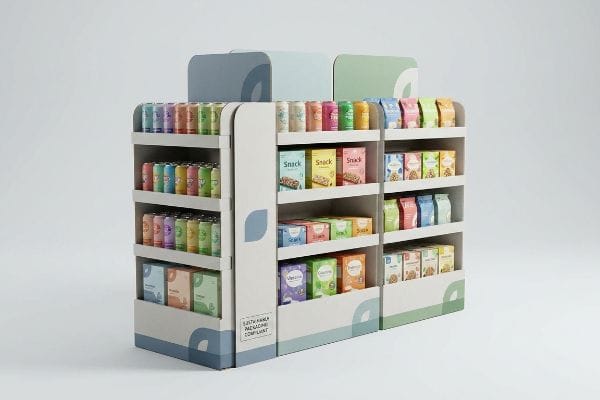
يتمحور تسويق السلع الاستهلاكية سريعة التداول في القرن الحادي والعشرين حول الابتكار البصري الجريء، والامتثال لمعايير التغليف المستدام، والمرونة الهيكلية. تتطلب هذه السلع عروضًا جاهزة للبيع بالتجزئة مصممة لجذب انتباه المتسوقين في غضون ثلاث ثوانٍ، مع الالتزام الصارم بمتطلبات المتاجر الكبرى ومعايير إعادة التدوير البيئية الحديثة.

إن تحويل هذه المفاهيم التسويقية رفيعة المستوى إلى مواد كرتونية مادية تصمد بالفعل في صالات البيع بالتجزئة يتطلب أكثر من مجرد مصمم جرافيك جيد.
ما هي قاعدة 3-3-3 في التسويق؟
يُعدّ فهم سيكولوجية المتسوقين أساس أي عملية إطلاق لمتجر فعلي. لا يُمكنك أن تتوقع من علبة عادية أن تمنع مستهلكًا متسرعًا من التجول في ممر مزدحم في متجر كبير.
تنص قاعدة 3-3-3 في التسويق على أنه يجب على بائع التجزئة في المتاجر التقليدية جذب انتباه المتسوق من مسافة ثلاثين قدمًا، وإثارة اهتمامه المحدد من مسافة ثلاثة أقدام، ودفع عملية شراء المنتج النهائية من مسافة ثلاث بوصات. يضمن هذا الإطار المكاني أعلى معدلات الشراء الاندفاعي.
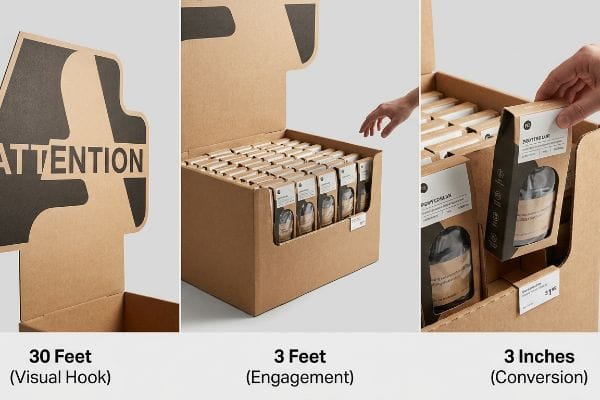
يبدو الأمر رائعاً في مكالمة زووم، لكن ترجمة عتبات المسافة هذه إلى واقع هيكلي هو المكان الذي تفشل فيه معظم العلامات التجارية.
تطبيق قاعدة 3-3-3 على تجار التجزئة التقليديين
حتى فرق التسويق المخضرمة غالباً ما تصمم عروض البيع بالتجزئة خصيصاً للعرض عن قرب على شاشات الكمبيوتر ذات الإضاءة الخلفية. يركزون بشكل مفرط على النقاط الصغيرة المكتوبة بخط صغير وأنماط الخلفية المعقدة، مفترضين أن المتسوق سيتوقف تلقائياً لقراءة كل شيء. إنهم يغفلون كيف يؤثر الحجم المادي وإضاءة المتجر القاسية على الإدراك البشري،متجاهلين تماماً الواقع المكاني للمستهلك المتحرك.
أعلم أنك تنظر إلى هذا الهيكل الكرتوني وأنت تشعر بالحيرة، لأن 80% من عملائي يرغبون في طباعة نص روائي على بطاقة العنوان من المرة الأولى. أرسل لي أحد المشترين ذات مرة ملفًا رائعًا، ولكن عندما طبعت نموذجًا أوليًا على ورق كرافت خام (اختبار مقاومة الحواف 32ECT) ، أصبح النص الصغير ضبابيًا وغير واضح من مسافة ثلاثة أمتار. استخدمت مقصًا صناعيًا وقصصت الحافة الأمامية بمقدار بوصة واحدة (25.4 مم) بالضبط - يمكنك سماع صوت طقطقة الورق المقوى - لضمان وضوح المنتج بنسبة 85% في تلك المرحلة النهائية التي تبلغ 76.2 مم. من خلال إزالة الرسائل الثانوية واستبدالها بشريط ملون كبير مقطوع بدقة عالية لخطاف بطول 9 أمتار، تجنبنا الإرهاق الذهني، مما زاد من عمليات الشراء الفورية وخفض تكلفة المواد الخام.
| أخطاء شائعة للمبتدئين | الحل الاحترافي | فوائد أرضية البيع بالتجزئة |
|---|---|---|
| طباعة نصوص صغيرة على العناوين | أشكال مقطوعة بقالب عالي التباين | يجذب المتسوقين من مسافة 30 قدمًا4 |
| منتجات إخفاء الشفاه | حافة مقطوعة لرؤية بنسبة 85%5 | محركات تحويل النبضات 3 بوصة |
| أرفف مسطحة متناظرة | تجميع المنتجات غير المتماثل 3-5-76 | يخلق توتراً بصرياً نفسياً |
لا أسمح أبدًا للعلامات التجارية بالتعامل مع العبوات الكرتونية المسطحة كما لو كانت صفحة مجلة. من خلال التركيز الشديد على التفاعل المكاني، أضمن أن تكون حملتك بمثابة مندوب مبيعات صامت بدلاً من لوحة إعلانية فوضوية يسهل تجاهلها.
🛠️ مكتب هارفي: هل أنت غير متأكد من أن أعمالك الفنية مزدحمة للغاية بحيث لا تصلح لعرضها بشكل جذاب؟ 👉 احصل على تدقيق مجاني لملفاتك ↗ — وصول مباشر إلى مكتبي. أعدك بعدم تلقي أي رسائل تسويقية آلية مزعجة.
ما هي الاتجاهات الناشئة في قطاع السلع الاستهلاكية سريعة التداول؟
لم تعد الاستدامة مجرد شعار رائج، بل أصبحت التزاماً تشغيلياً صارماً تفرضه كبرى شركات التجزئة. ويتعين على العلامات التجارية الحديثة تغيير مواد التغليف الخاصة بها فوراً.
تُولي الاتجاهات الناشئة في قطاع السلع الاستهلاكية سريعة التداول أهمية بالغة للالتزام بمعايير التغليف المستدام، وتحديداً التحول من المواد المختلطة غير القابلة لإعادة التدوير. وتتبنى العلامات التجارية بسرعة هياكل أحادية المادة، ومواد لاصقة صديقة للبيئة عالية المرونة، وطلاءات مائية لضمان إمكانية إعادة تدوير منتجاتها المعروضة في متاجر البيع بالتجزئة بشكل كامل ضمن مسارات إعادة التدوير البلدية القياسية.
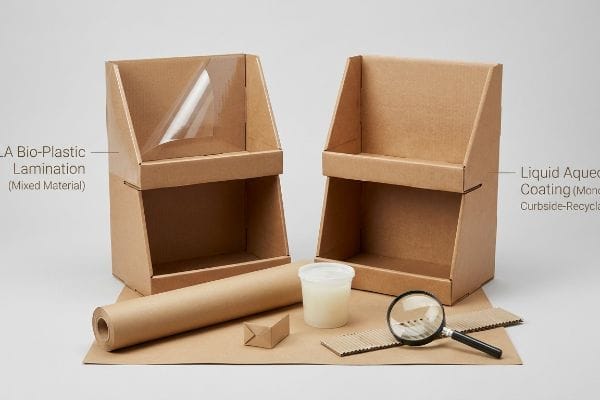
ومع ذلك، فإن التسرع في وضع ملصق صديق للبيئة على شاشة عرض نقاط البيع غالباً ما يؤدي إلى عدم توافق كيميائي كارثي في أرضية المصنع.
فخ الكيمياء في التغليف المستدام
كثيراً ما تُلزم فرق المشتريات باستخدام رقائق بلاستيكية حيوية مصنوعة من حمض البوليلاكتيك (PLA)7، ظناً منها أن هذا الغشاء المصنوع من الذرة يضمن الامتثال الكامل للمعايير البيئية لعروضها الكرتونية في متاجر التجزئة. ويعتمدون على الكتيبات التسويقية التي تدّعي أن هذه المواد تتحلل طبيعياً، مُلبّين بذلك متطلبات الاستدامة لحملاتهم التسويقية واسعة النطاق دون استشارة مهندس تصنيع.
إنها فخ شائع يقع فيه حتى فرق المشتريات ذات الخبرة عند محاولتها ترقية تشطيبات التغليف الليثوغرافي القياسية. مؤخرًا، أصرّ أحد عملائي على استخدام طبقة سميكة من مادة PLA على شاشة عرضه، غير مدرك تمامًا أن هذا البلاستيك الحيوي يُشكّل حاجزًا ماديًا صلبًا يصدّ الماءأثناء عمليات إعادة تدوير الكرتون المموج القديم (OCC). عندما نزعتُ شريط اختبار من لوح B-flute، وشعرتُ بمقاومة الطبقة اللاصقة والمطاطية، أوضحتُ لهم كيف تعترض مراكز إعادة التدوير البلدية هذه المواد المختلطة فورًا وتوجههامباشرةً إلى مكبّ النفايات. استبدلتُ مواصفاتهم بطلاء مائي يذوب بسلاسة في أحواض مصانع الورق، مما جنّبهم تكاليف باهظة من عمليات تدقيق الحوكمة البيئية والاجتماعية والمؤسسية (ESG) لدى تجار التجزئة، مع الحفاظ على تشطيب نظيف وقابل لإعادة التدوير.
| أخطاء شائعة للمبتدئين | الحل الاحترافي | فوائد أرضية البيع بالتجزئة |
|---|---|---|
| استخدام رقائق البلاستيك الحيوي PLA | تطبيقات الطلاء المائي السائل10 | يجتاز عمليات التدقيق الصارمة الخاصة بالحوكمة البيئية والاجتماعية والمؤسسية لدى تجار التجزئة |
| خلط المشابك البلاستيكية مع الورق | ألسنة قفل ورقية على طراز الأوريغامي | يُمكّن من إعادة تدويرها بنسبة 100% على جانب الطريق11 |
| ورق مقوى رخيص لا يمكن تتبعه | سلسلة الحفظ المعتمدة من مجلس الإشراف على الغابات12 | يمنع عمليات رد المبالغ المدفوعة الضخمة من قبل تجار التجزئة |
أرفض السماح للعلامات التجارية بالوقوع في فخ التضليل البيئي الذي ينتهي برفضها من قبل سلسلة التوريد. من خلال مطابقة التركيب الكيميائي للسطح مع إمكانية إعادة تدويره في الواقع، أضمن لك تسويقًا سلسًا ومتوافقًا مع القوانين.
🛠️ مكتب هارفي: هل أنت قلق من أن تؤدي مواد التغليف الحالية لديك إلى رفض إعادة التدوير من قِبل تجار التجزئة؟ 👉 اطلب مراجعة للمواد ↗ — حمّل الملف بأمان. صندوق بريدي مفتوح إذا كانت لديك أي أسئلة لاحقًا.
كيف تغير التسويق في القرن الحادي والعشرين؟
يتعرض المستهلكون المعاصرون يومياً لوابل من الإعلانات الرقمية والمطبوعة. ويتطلب النجاح في هذه البيئة الفوضوية تبسيط الأمور بدلاً من إضافة المزيد من الميزات.
شهد التسويق تحولاً جذرياً في القرن الحادي والعشرين، إذ انتقل من الإعلانات الغنية بالمعلومات إلى التبسيط المعرفي شديد التركيز. وفي متاجر البيع بالتجزئة التقليدية، تستخدم العلامات التجارية الناجحة قاعدة 40-40-20 بحزم للتخلص من الفوضى البصرية، ما يضمن أن يحفز عرض المنتج الأساسي قرارات الشراء الفورية خلال فترة تفاعل لا تتجاوز ثلاث ثوانٍ.
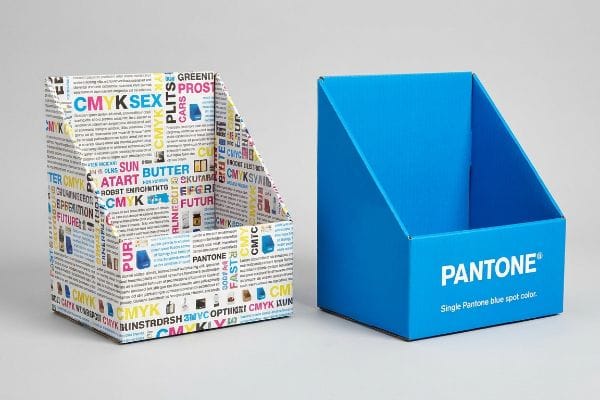
إن تبني هذا النهج البسيط أمر صعب بالنسبة لمديري العلامات التجارية الذين يرغبون بطبيعة الحال في زيادة المساحة المادية لكل شاشة عرض يشترونها.
فخ الإرهاق المعرفي في قطاع التجزئة
كثيراً ما تتعامل فرق التسويق مع شاشات العرض الكرتونية في متاجر التجزئة كصفحات معلوماتية فارغة، انطلاقاً من افتراض أن المزيد من النصوص يعني قيمة أكبر للمستهلك. فهم يحاولون طباعة جميع أبحاثهم الموسمية حول سلوك المتسوقين مباشرةً على الكرتون الرئيسي ولوحات العنوان، مما يحول الوحدة إلى كتاب مدرسي كثيف يتجاهله المتسوقون بشكل فعلي .
تخيل الأمر كلوحة إعلانية على طريق سريع؛ إذا حاولت قراءة فقرة طويلة وأنت تسير بسرعة 60 ميلاً في الساعة، ستتعرض لحادث، والمتسوقون المتسرعون يعانون من نفس الإرهاق الذهنيبصيغة AI (أدوبي إليستريتور) مغطاة بنصوص صغيرة بألوان CMYK (سماوي، أرجواني، أصفر، أسود) تُفصّل كل ميزة من ميزات المنتج. مؤخرًا، استخدمت قلم تحديد أحمر سميكًا وشطبت 80% من نص أحد العملاء - كان صوت احتكاك القلم بالنسخة المطبوعة عاليًا في غرفة ما قبل الطباعة - لعزل مناسبة الشراء الأساسية. من خلال حصر التنفيذ الإبداعي في 20% فقط من التركيز وتلوين الخلفية بلون بانتون ثابت، أوقفنا المتسوقين في مساراتهم وعززنا سرعة التحويل الفعلي للحملة المحددة.
| أخطاء شائعة للمبتدئين | الحل الاحترافي | فوائد أرضية البيع بالتجزئة |
|---|---|---|
| طباعة فقرات نصية كثيفة | عزل عرض منتج أساسي واحد | يمنع الإرهاق المعرفي للمتسوق15 |
| باستخدام خلفيات CMYK المعقدة | ألوان بانتون الموضعية الصلبة | يخلق توتراً بصرياً عالي التباين16 |
| تقلص مساحة المنتج المخصصة للنص | عناصر ثلاثية الأبعاد قابلة للتمدد | يؤدي إلى تحويلات نبضية أسرع17 |
أتخلص من ضوضاء التسويق الثانوي لأن المتسوقين المرتبكين ببساطة يتجاهلون الأمر. من خلال تطبيق التسلسل الهرمي البصري بدقة، أضمن وصول حملتك التسويقية إلى الجمهور فورًا وتحقيق زيادة ملموسة في المبيعات.
🛠️ مكتب هارفي: هل أعمالك الفنية مزدحمة للغاية بحيث لا يمكنها الصمود في بيئة متاجر التجزئة الكبيرة؟ 👉 احصل على تشخيص تصميمك ↗ — لا توجد استمارات تُسبب مكالمات مبيعات لا تنتهي. قيمة حقيقية فقط.
ما هي أبرز اتجاهات السلع الاستهلاكية سريعة التداول لعام 2026؟
يمزج مستقبل تجارة التجزئة بين الهياكل المادية والتفاعل الرقمي. أصبحت العناصر التفاعلية ضرورية للعلامات التجارية التي تسعى للسيطرة على مساحات العرض المميزة في نهاية الممرات
تتمثل أبرز اتجاهات قطاع السلع الاستهلاكية سريعة التداول لعام 2026 في دمج الإلكترونيات التفاعلية الذكية في شاشات العرض الكرتونية المستدامة دون إنتاج نفايات خطرة. وتستفيد العلامات التجارية من شاشات LCD المدمجة ومشغلات الفيديو الرقمية لتعزيز التفاعل، مما يتطلب أقفال احتكاك عالية الدقة وخالية من المواد اللاصقة لضمان استخراج النفايات الإلكترونية بشكل آمن في نهاية دورة حياتها.
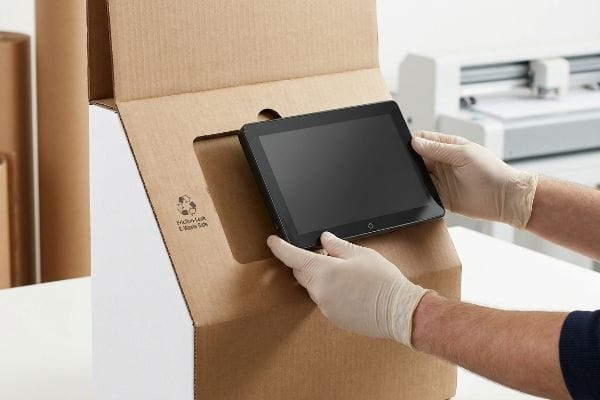
لكن معرفة النظرية لا تكفي عندما تبدأ الآلات بالعمل وتصل هذه الوحدات المعقدة ذات المواد المختلطة فعلياً إلى سلسلة التوريد.
لماذا تفشل عمليات التكامل الإلكتروني القياسية في أرضية المصنع؟
العلامات التجارية بشكل متزايد شاشات LCD ومشغلات الفيديو الرقمية في شاشات العرض الكرتونية المموجة في متاجر التجزئةلتعزيز التفاعل، لكنها غالباً ما تفترض أن المواد اللاصقة الصناعية القياسية هي أفضل طريقة لتثبيت هذه الأجهزة الثقيلة. وتثق هذه العلامات بأن موظفي المتاجر سيقومون بتفكيك المواد المختلطة بعناية باستخدام أدوات متخصصة في نهاية الحملة لفصل المكونات يدوياً لإعادة تدويرها.
تثبيت شاشة واحدة في المختبر أمر سهل، لكن الواقع المرير يكمن في شحن 500 شاشة إلى بيئة فوضوية في المتاجر الكبرى. في منشأتي، أرى باستمرار عملاء يحاولون تثبيت شاشات رقمية باهظة الثمن في ألواح خلفية هيكلية من نوع E-flute باستخدام غراء PVA (أسيتات البولي فينيل) السائل. عند اختبار ذلك باستخدام عمليات التفكيك اللوجستية العكسية القياسية، تجبرني مقاومة اللوح المموج الملصق بشدة على تحطيم الغلاف بعنف لإزالة الشاشة، مما يكشف عن بطاريات الليثيوم الخطرة ويتسبب في غرامات باهظة للتخلص من النفايات الخطرة19.استخدمتُ القياسات الدقيقة من برنامج التصميم بمساعدة الحاسوب (CAD) وأثبتُّ أنني لستُ بحاجة إلى مواد لاصقة دائمة؛ صممتُ قفل احتكاك دقيقًا قابلًا للفك بدقة 1.2 مم.20. من خلال فرض هذا التجويف الخالي من الغراء بشكل صارم، أضمن انخفاض وقت تجميع التعبئة المشتركة بشكل كبير، ويمكن لموظفي المتجر استخراج النفايات الإلكترونية بأمان في أقل من ثلاث ثوانٍ، مما ينقذ العلامة التجارية من عقوبات الامتثال الكارثية.
| أخطاء شائعة للمبتدئين | الحل الاحترافي | فوائد أرضية البيع بالتجزئة |
|---|---|---|
| لصق شاشات LCD بالكرتون | تجاويف قفل احتكاك مقطوعة بالقالب | يمنع فرض غرامات باهظة على النفايات الخطرة21 |
| تجاهل التهوية الديناميكية الحرارية | فتحات تهوية العادم بالحمل الحراري السلبي | يمنع ارتفاع درجة حرارة الشاشات الرقمية22 |
| شحن المواد المختلطة معًا | الخدمات اللوجستية والتجميع المنفصلان | يتجاوز الرسوم الجمركية الباهظة على استيراد الكهرباء23 |
أصمم وحدات تفاعلية تراعي المستهلك وسلسلة التوريد على حد سواء. ومن خلال عزل المكونات الإلكترونية باستخدام حسابات هندسية دقيقة، أضمن لك التخلص من مسؤوليتك البيئية قبل بدء الإنتاج.
🛠️ مكتب هارفي: لا تدع عيبًا هيكليًا بحجم 2 مليمتر يُفسد إطلاقًا ضخمًا لـ 500 متجر. 👉 أرسل لي ملف تصميم القالب ↗ — سأُجري اختبارات دقيقة للحسابات قبل أن تُهدر ميزانيتك على الإنتاج الضخم.
خاتمة
يمكنك اختيار مورد أرخص لحملتك التسويقية لمنتجاتك الاستهلاكية سريعة التداول، ولكن عندما يتسبب غشاء البلاستيك الحيوي PLA غير القابل لإعادة التدوير في فشل ذريع في تدقيق الحوكمة البيئية والاجتماعية والمؤسسية، فإن عمليات رد الأموال من تجار التجزئة ستقضي فورًا على هامش ربحك بالكامل. هذه هي ورقة المواصفات الدقيقة التي يستخدمها أفضل 10 عملاء تجزئة لديّ لضمان عدم رفض أي طباعة. توقف عن المقامرة بالتركيب الكيميائي، ودعني شخصيًا أراجع تصميمك من خلال خدمة التدقيق المجاني قبل الطباعة ↗ لاكتشاف هذه الأخطاء الجسيمة في المواد قبل بدء الإنتاج الضخم.
"تأثير الإضاءة على الأداء البصري - PMC - NIH"، https://pmc.ncbi.nlm.nih.gov/articles/PMC11627233/. شرح علمي لكيفية تأثير الحجم المكاني وظروف الإضاءة على المعالجة البصرية والانتباه لدى الإنسان. دور الدليل: التحقق التقني؛ نوع المصدر: دراسة في علم النفس البيئي. يدعم: الادعاء بأن بيئات البيع بالتجزئة تُغير الإدراك. ملاحظة النطاق: ينطبق على مساحات البيع بالتجزئة المادية. ↩
"تقدير قوة الضغط للكرتون المموج..."، https://pmc.ncbi.nlm.nih.gov/articles/PMC8467740/. تعريف فني لاختبار قوة الضغط على الحواف (ECT) للكرتون المموج المصنوع من ورق الكرافت الخام للتحقق من سلامته الهيكلية لعرض المنتجات في متاجر البيع بالتجزئة. دور الدليل: المواصفات الفنية؛ نوع المصدر: معيار التغليف الصناعي. يدعم: ملاءمة المواد لمتاجر البيع بالتجزئة. ملاحظة النطاق: يشير تحديدًا إلى تصنيف قوة الضغط 32ECT. ↩
"العلاقة بين ضغط الوقت والشراء الاندفاعي لدى المستهلكين..."، https://pmc.ncbi.nlm.nih.gov/articles/PMC10750050/. بحث أكاديمي حول كيفية منع تقليل كثافة المعلومات على شاشات نقاط البيع من إرهاق المستهلك المعرفي وزيادة التحويل الاندفاعي. دور الدليل: مبدأ نفسي؛ نوع المصدر: مجلة تسويق محكمة. يدعم: فعالية استراتيجية التبسيط لقاعدة 3-3-3. ملاحظة النطاق: ينطبق على بيئات البيع بالتجزئة ذات الحركة المرورية العالية. ↩
"إرشادات تصميم متاجر التجزئة التجارية"، https://www.westminsterco.gov/DocumentCenter/View/4258. شرح موجز لكيفية التحقق من معايير تصميم متاجر التجزئة من النطاق الفعال للوحات الإعلانية عالية التباين لجذب المتسوقين البعيدين. دور الدليل: التحقق الفني؛ نوع المصدر: دليل تصميم متاجر التجزئة. يدعم: النطاق البصري لأشكال اللافتات المقطوعة. ملاحظة: قد يختلف النطاق حسب الإضاءة وعرض الممر. ↩
"نقطة الشراء: كيف يمكن لتجار التجزئة التأثير على المتسوقين في اللحظة المناسبة..."، https://blog.intouch.com/posts/points-of-purchase-displays. شرح موجز لمواصفات عرض المنتجات المتعلقة بإزالة حواف العرض لزيادة نسبة ظهور المنتج. دور الدليل: مواصفات فنية؛ نوع المصدر: دليل عرض المنتجات. يدعم: مقياس الرؤية المحدد الذي يتم تحقيقه من خلال تعديل حواف العرض. ملاحظة النطاق: يركز على أجهزة البيع بالتجزئة المادية. ↩
"فن التسويق البصري: استراتيجيات لـ T-ROC"، https://trocglobal.com/visual-merchandising/. شرح موجز لـ "قاعدة الأعداد الفردية" في التسويق البصري، وكيف تخلق المجموعات ذات الأعداد الفردية توترًا بصريًا نفسيًا. دور الدليل: مبدأ نفسي؛ نوع المصدر: دراسة سلوك المستهلك. يدعم: فعالية التجميع غير المتماثل في جذب انتباه المتسوقين. ملاحظة النطاق: ينطبق تحديدًا على ترتيبات الرفوف. ↩
"البلاستيك الحيوي لتغليف المواد الغذائية: الأثر البيئي، والاتجاهات..."، https://pmc.ncbi.nlm.nih.gov/articles/PMC9563026/. التحقق من مدى توافق رقائق PLA مع معايير التسميد الصناعية الفعلية مقارنةً بادعاءات التسويق الاستهلاكي. دور الدليل: التحقق التقني؛ نوع المصدر: مجلة علوم بيئية أو معيار إدارة النفايات. يدعم: الطبيعة التقنية لمواد PLA وحالة امتثالها. ملاحظة النطاق: التركيز على تطبيقات التغليف المموج. ↩
"ما وراء البلاستيك الأحفوري: الجيل القادم من البلاستيك الحيوي القائم على حمض البولي لاكتيك..."، https://pmc.ncbi.nlm.nih.gov/articles/PMC13001162/. وثائق فنية تشرح كيف تعمل أغشية حمض البولي لاكتيك كحواجز كارهة للماء تعيق عملية فصل الألياف في إعادة تدوير الورق المقوى المموج. دور الدليل: التحقق الفني؛ نوع المصدر: مجلة علوم المواد أو معيار صناعة التغليف. يدعم: عدم التوافق الكيميائي للبلاستيك الحيوي مع إعادة تدوير الورق القياسية. ملاحظة النطاق: خاص بعمليات إعادة تدوير الورق البلدية القياسية. ↩
"مقاطعة مونرو، نيويورك - إعادة تدوير النفايات المنزلية من الأرصفة"، https://www.monroecounty.gov/des-residentialrecycling. إرشادات إدارة النفايات التي توضح بالتفصيل كيفية تحويل المواد المركبة غير القابلة لإعادة التدوير من مسارات إعادة التدوير إلى مكبات النفايات. دور الدليل: التحقق من الحقائق؛ نوع المصدر: تقرير صادر عن هيئة إدارة النفايات البلدية أو وكالة بيئية. يدعم: نتائج التخلص من عبوات المواد المختلطة في الواقع العملي. ملاحظة: قد تختلف بروتوكولات التحويل باختلاف المنشأة البلدية. ↩
"طلاء ورقي قابل لإعادة التدوير والتحلل الحيوي مع... - PMC"، https://pmc.ncbi.nlm.nih.gov/articles/PMC11948148/. مقارنة بين الطلاءات المائية ورقائق PLA من حيث قابلية إعادة التدوير ومتطلبات تدقيق الحوكمة البيئية والاجتماعية والمؤسسية لدى تجار التجزئة. دور الدليل: مقارنة فنية؛ نوع المصدر: مجلة علوم المواد. يدعم: استخدام الطلاءات المائية كبديل مستدام. ملاحظة: تعتمد الفعالية على التركيبة الكيميائية المحددة. ↩
"دليل حديث لإعادة التدوير من المنازل"، https://domtarpackagingkingsport.com/2026/01/06/a-modern-guide-to-curbside-recycling/. التحقق من أن إزالة المكونات البلاستيكية لصالح آليات القفل الورقية يسمح بمعالجة العبوات ضمن مسارات إعادة التدوير البلدية القياسية. دور الدليل: التحقق الفني؛ نوع المصدر: معيار صناعة إعادة التدوير. يدعم: إمكانية إعادة تدويرها بنسبة 100%. ملاحظة النطاق: يخضع ذلك للبنية التحتية للمنشأة المحلية. ↩
"شهادة سلسلة التوريد"، https://fsc.org/en/chain-of-custody. وثائق توضح كيف تضمن شهادة مجلس الإشراف على الغابات (FSC) التوريد المستدام وتمنع العقوبات المالية من تجار التجزئة بسبب مواد التغليف غير المطابقة. دور الدليل: تأكيد تنظيمي؛ نوع المصدر: إرشادات جهة منح الشهادات. يدعم: منع عمليات رد المبالغ المدفوعة من قبل تجار التجزئة. ملاحظة النطاق: خاص بمعايير مجلس الإشراف على الغابات (FSC). ↩
"تأثير وفرة المعلومات على منصات التجارة الإلكترونية..."، https://pmc.ncbi.nlm.nih.gov/articles/PMC9265496/. تُظهر الأبحاث التجريبية حول الحمل المعرفي وعلم نفس البيع بالتجزئة كيف تؤدي المعلومات الزائدة في شاشات نقاط البيع إلى عزوف المستهلكين. دور الدليل: التحقق السلوكي؛ نوع المصدر: دراسة أكاديمية. يدعم: التأكيد على تجاهل شاشات العرض الغنية بالمعلومات. ملاحظة النطاق: خاص ببيئات البيع بالتجزئة التقليدية. ↩
"الحمل المعرفي أثناء التواجد الافتراضي المخطط له وغير المخطط له..."، https://www.sciencedirect.com/science/article/pii/S0268401223000488. يشرح بحث أكاديمي في علم النفس البيئي والتسويق العصبي كيف تؤدي المحفزات البصرية المفرطة في متاجر البيع بالتجزئة إلى إرهاق معرفي وشلل في اتخاذ القرارات. دور الدليل: أساس نظري؛ نوع المصدر: مجلة محكمة. يدعم البحث: العلاقة بين الفوضى البيئية وانخفاض قدرة المستهلك على المعالجة. ملاحظة: يركز البحث على بيئات البيع بالتجزئة المادية. ↩
"تفضيل المستهلك لحزم الطعام في ظل عبء معرفي - PMC"، https://pmc.ncbi.nlm.nih.gov/articles/PMC8997493/. يشرح بحث تجريبي في علم نفس المستهلك كيف يُقلل تقليل كثافة المعلومات وتعقيد الخيارات من العبء المعرفي أثناء عملية اتخاذ القرار. دور الدليل: دعم نظري؛ نوع المصدر: مجلة أكاديمية. يدعم: فائدة عزل عرض أساسي واحد بدلاً من نص كثيف. ملاحظة النطاق: يركز على بيئات نقاط البيع. ↩
"مقارنة بين ألوان CMYK والألوان الموضعية في طباعة التغليف"، https://meyers.com/meyers-blog/cmyk-vs-spot-colors-in-packaging-printing-what-cpg-brands-need-to-know/. مبادئ التصميم الفني المتعلقة باستخدام الألوان الموضعية (بانتون) مقابل ألوان المعالجة (CMYK) لتحقيق تشبع أعلى وتباين بصري أفضل في الطباعة. المصدر: المواصفات الفنية؛ نوع المصدر: دليل تصميم جرافيكي. يدعم استخدام ألوان بانتون الصلبة لتحقيق تباين بصري. ملاحظة: ينطبق على وسائط الطباعة المادية. ↩
"تأثير العناصر البصرية لتصميم التغليف على الشراء..."، https://pmc.ncbi.nlm.nih.gov/articles/PMC11851823/. دراسات تسويقية تحلل كيف تزيد عناصر التغليف ثلاثية الأبعاد والعناصر الهيكلية من التفاعل اللمسي وتسرّع سلوك الشراء الاندفاعي. دور الدليل: دليل سببي؛ نوع المصدر: دراسة بحثية تسويقية. يدعم: فعالية توسيع العناصر ثلاثية الأبعاد المقطوعة بالقالب. ملاحظة النطاق: يقتصر على عروض أرضيات متاجر البيع بالتجزئة. ↩
«أهم 7 اتجاهات في مجال اللافتات الرقمية في قطاع التجزئة لعام 2025 | مدونة Xibo»، https://xibosignage.com/blog/top-7-retail-digital-signage-trends-in-2025. يؤكد تحليل سوق الصناعة لاتجاهات تجارة التجزئة «الرقمية المادية» على التكامل المتزايد للأجهزة الرقمية في هياكل الكرتون المموجة المستدامة لتعزيز تفاعل المستهلك. دور الدليل: التحقق من الحقائق؛ نوع المصدر: تقرير بحث سوقي. يدعم: انتشار الإلكترونيات في شاشات العرض الكرتونية. ملاحظة النطاق: يركز على اتجاهات تسويق السلع الاستهلاكية سريعة التداول المتميزة لعامي 2025-2026. ↩
"أسئلة وأجوبة متكررة حول إعادة تدوير بطاريات الليثيوم أيون"، https://www.epa.gov/hw/lithium-ion-battery-recycling-frequently-asked-questions. شرح للوائح البيئية والعقوبات المترتبة على سوء التعامل مع بطاريات الليثيوم أو تلفها العرضي في متاجر البيع بالتجزئة. دور الدليل: التحقق؛ نوع المصدر: هيئة تنظيمية حكومية. يدعم: خطر الغرامات بسبب تلف الأجهزة الإلكترونية في شاشات العرض. ملاحظة: تختلف الغرامات المحددة باختلاف الولاية القضائية. ↩
"تغليف من الورق المقوى المموج بتصميم مبتكر لتحسين المتانة..."، https://bioresources.cnr.ncsu.edu/resources/corrugated-board-packaging-with-innovative-design-for-enhanced-durability-during-transport/. المعايير الفنية لمستويات التفاوت في القطع الدقيق بالقوالب لتركيبات الاحتكاك في الورق المقوى المموج. دور الدليل: التحقق الفني؛ نوع المصدر: دليل هندسة التغليف. يدعم: فعالية تفاوت 1.2 مم لتأمين غلاف المكونات. ملاحظة النطاق: بناءً على مواصفات مادة E-flute القياسية. ↩
"مزيد من المعلومات حول النفايات الإلكترونية"، https://dtsc.ca.gov/e-waste-more-information/. التحقق من العقوبات التنظيمية المرتبطة بالتخلص من المواد الإلكترونية المركبة والكرتونية التي تعيق عمليات إعادة التدوير. دور الدليل: إثبات تنظيمي؛ نوع المصدر: وكالة حكومية معنية بالبيئة. يدعم: المخاطر المالية لاستخدام التكامل الإلكتروني القائم على المواد اللاصقة. ملاحظة النطاق: يختلف باختلاف المنطقة، مثل توجيهات الاتحاد الأوروبي بشأن نفايات المعدات الكهربائية والإلكترونية. ↩
"إدارة الحرارة في لوحات الدوائر المطبوعة لشاشات العرض في متاجر التجزئة: الحفاظ على برودة مصابيح LED"، https://www.allpcb.com/blog/pcb-knowledge/thermal-management-in-retail-display-pcbs-keeping-leds-cool.html. التحقق الفني من متطلبات تبديد الحرارة لشاشات العرض الرقمية المتكاملة وفعالية التهوية بالحمل الحراري السلبي. دور الدليل: المواصفات الفنية؛ نوع المصدر: دليل هندسة الإلكترونيات. يدعم: الادعاء بأن نقص التهوية يؤدي إلى عطل في الأجهزة. ملاحظة النطاق: يعتمد على سطوع الشاشة وحجم الغلاف. ↩
"تصنيف المعدات الكهربائية للاستيراد والتصدير - GOV.UK"، https://www.gov.uk/guidance/classifying-electrical-equipment-for-import-and-export. تحليل رموز النظام المنسق (HS) لتحديد ما إذا كانت المنتجات الإلكترونية/الأثاثية المركبة تخضع لرسوم جمركية أعلى من المكونات المنفصلة. دور الدليل: التحقق من قانون التجارة؛ نوع المصدر: وكالة الجمارك وحماية الحدود. يدعم: ميزة توفير التكاليف للخدمات اللوجستية المنفصلة. ملاحظة النطاق: خاص باتفاقيات التجارة الدولية وبلد المنشأ. ↩