
تقضي شهورًا في إتقان تصميم عبوات المنتجات، لتجدها في النهاية تختفي وسط الزحام البصري في ممرات المتاجر. النجاح في قطاع التجزئة يتطلب أكثر من مجرد وضع العبوات على الرفوف.
تُنسق عروض المنتجات المرئية في المتاجر المساحة المادية لتوجيه سلوك المتسوقين. ومن خلال تنظيم الإضاءة والتصميم الهيكلي ووضع المنتجات، تُعزز العلامات التجارية ظهور منتجاتها على الرفوف. وتُشير المعايير الصناعية العالمية إلى أن العروض الفعّالة في متاجر التجزئة تُقلل من الاحتكاك، وتُنظم حركة المتسوقين، وتُحوّل تصفح الممرات مباشرةً إلى عمليات بيع قابلة للقياس.

يتطلب إتقان هذا الفضاء المادي الابتعاد عن النماذج الرقمية القياسية وفهم كيفية تفاعل الكرتون وتوزيع الوزن وتصميمات المتاجر في العالم الحقيقي.
ما هو التسويق البصري في متاجر البيع بالتجزئة؟
لزيادة حجم المبيعات، يجب أن تفهم كيف يتنقل المتسوقون فعلياً بين الممرات.
التسويق البصري هو التلاعب الاستراتيجي ببيئات البيع بالتجزئة لتحسين ظهور المنتجات. يتحكم هذا المجال في كيفية شغل البضائع للمساحة المادية، مما يضمن تفاعل المستهلكين بشكل طبيعي مع العروض. من خلال تطبيق المنطق الهيكلي ومبادئ بيئة العمل، تزيد العلامات التجارية بشكل ملحوظ من معدلات التحويل في أسواق التجزئة العالمية.

وضع عرض على الأرض أمر سهل، لكن التأكد من أن المتسوقين يمدون أيديهم بالفعل إلى المنتج يتطلب قياسات مادية دقيقة.
تحقيق النجاح في مجال عرض المنتجات بشكل مرئي
حتى فرق المشتريات ذات الخبرة غالباً ما تفترض أن زيادة المساحة الرأسية في عرض المنتجات على الأرض تؤدي تلقائياً إلى زيادة المبيعات. فهم يوافقون على وحدات عرض طويلة ومسطحة تُخزّن المنتجات من الأرض وصولاً إلى مستوى النظر، ظناً منهم أن زيادة المخزون على الأرض تعني تقليل عمليات إعادة التخزين. إلا أن هذا النهج يتجاهل تماماً طبيعة جسم المتسوق وإرهاقه .
في مجال تخطيط متاجر التجزئة، ألاحظ باستمرار محاولات العملاء وضع المنتجات الأكثر مبيعًا على الرفوف السفلية. لكن في الواقع، لا ينحني المستهلكون عادةً للتصفح. تعلمت ذلك من خلال مراقبة موظفي المتاجر وهم يتعاملون مع صوت سقوط الصناديق الثقيلة على الرفوف السفلية، والتي يتجاهلها المتسوقون في أغلب الأحيان. لحل هذه المشكلة، أعتمد بروتوكولًا بصريًا صارمًا يُراعي "ارتفاع الإنسان" عند عرض المنتجات. من خلال وضع الرف التفاعلي الرئيسي على ارتفاع يتراوح بين 127 و137.1 سم (50 إلى 54 بوصة)السفلي وتركيز المنتجات الأكثر ربحية في هذه المنطقة المريحة يقلل من احتكاك المتسوقين. هذا التعديل الاستراتيجي يُبقي أيدي المستهلكين تتحرك بسرعة، مما يزيد من دوران المخزون بشكل طبيعي دون الحاجة إلى عمالة إضافية في المتجر.
| أخطاء شائعة للمبتدئين | الحل الاحترافي | فوائد أرضية البيع بالتجزئة |
|---|---|---|
| تخزين عناصر الأبطال بالقرب من قاعدة الأرضية | رفع الرف الرئيسي إلى 50 بوصة (127 سم)3 | يُسرّع التفاعل مع المنتج |
| طبقات سفلية مسطحة وغير مائلة | إمالة الرفوف السفلية لأعلى بمقدار 15 درجة4 | يزيد من وضوح رؤية الأشياء الثقيلة |
| إهدار مساحة مستوى النظر على شعارات العلامات التجارية | تخصيص منطقة الاستهداف للمنتجات المادية ذات هامش الربح العالي5 | يحفز عمليات الشراء الفورية الاندفاعية |
توجد بضائعك الأكثر ربحية في المكان الذي تستقر فيه الأيدي بشكل طبيعي أثناء دفع العربة، مما يلغي تمامًا حاجة العملاء للانحناء بشكل غير مريح.
🛠️ مكتب هارفي: هل منتجاتك المميزة موضوعة بعيدًا عن الأنظار وتتراكم عليها الأتربة؟ 👉 اطلب تحليلًا مكانيًا ↗ — تواصل مباشر مع مكتبي. أعدك بعدم تلقي أي رسائل تسويقية آلية مزعجة.
ما هو دور مصمم العرض المرئي في المتجر؟
التنفيذ هو ما يميز الفكرة الجيدة عن الحملة المربحة.
يتمثل دور مصمم العرض المرئي في ضمان التناسق الهيكلي والالتزام بمعايير العلامة التجارية في جميع أنحاء المتجر. فهو يضمن أن تتوافق العروض المادية مع أدلة أسلوب المتجر بدقة. ويضمن هذا التطبيق الدقيق لحدود الارتفاع، وأحجام قنوات الأسعار، ومعايير السلامة، توحيد قيمة العلامة التجارية عالميًا.
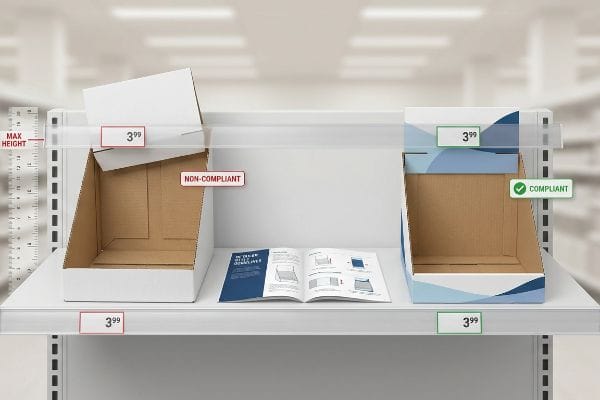
إن فكرة التصميم الجميلة لا فائدة منها إذا لم يتمكن البائع من تثبيتها فعلياً ضمن الحدود الصارمة لبيئة متجر كبير.
دليل أنماط متاجر التجزئة
كثيرًا ما يتعامل مديرو العلامات التجارية مع مصممي العرض المرئي باعتبارهم مجرد بناة منصات عرض، مفترضين أن وظيفتهم الوحيدة هي طي الكرتون وتخزين الصناديق. يرسلون مجموعات عرض عامة، متوقعين من الفريق المحلي أن يجعلوها مناسبة تمامًا سواءً كانوا يُجهّزون ركنًا أو ممرًا ضخمًا في متجر كبير. هذا الإهمال يتجاهل تمامًا القيود الصارمة لأدلة أسلوب البيعبالتجزئة.
أتلقى اتصالات محمومة عندما تفشل عملية تركيب عرض المنتجات في المتجر. يتساءل المشترون عن سبب سقوط بطاقات العروض الترويجية أو سبب رفض مدير المتجر للوحدة بأكملها. عادةً ما ينبع السبب من تجاهل إرشادات الامتثال. يمكنك سماع صوت احتكاك القنوات البلاستيكية الصلبة عندما يحاول أحد مندوبي المبيعات إدخال بطاقة عرض في مسار رف مصمم بشكل غير صحيح. أحل هذه المشكلة من خلال الاحتفاظ بقاعدة بيانات استراتيجية تتضمن حدود الارتفاع وأبعاد القنوات لدى تجار التجزئة الأمريكيين. عند تخطيط الحملة، نضمن تضمين هذه الحدود الدقيقة في إرشادات عرض المنتجات. هذا يضمن تجربة سلسة لمندوب المبيعات في المتجر، مما يحافظ على امتثال حملتك للقوانين ووضوحها.
| أخطاء شائعة للمبتدئين | الحل الاحترافي | فوائد أرضية البيع بالتجزئة |
|---|---|---|
| تصميم ارتفاع موحد لجميع المتاجر | ربط خطوط القطع بأدلة أسلوب محددة لتجار التجزئة | يمنع رفض مدير المتجر |
| تخمين أبعاد حافة الرف | تثبيت التفاوتات الدقيقة لفرجار قناة السعر7 | يضمن بقاء العلامات مثبتة بإحكام |
| تجاهل الامتثال لمتطلبات الوصول الأمامي | تقييد عمق المنتج وفقًا لإرشادات قانون الأمريكيين ذوي الإعاقة (ADA)8 | يحافظ على إمكانية الوصول إلى البضائع بشكل قانوني |
يتطلب التنفيذ الميداني الخالي من العيوب الالتزام بمعايير البيع بالتجزئة الدقيقة، مما يسمح للتجار المحليين بقضاء وقت أقل في التعامل مع الكرتون ووقت أطول في عرض منتجاتك.
🛠️ مكتب هارفي: هل يُهدر فريقك الميداني ساعاتٍ في محاولة تركيب شاشات عرض عامة على تجهيزات متاجر مُخصصة؟ 👉 تحقق من امتثالك ↗ — حمّل الملف بأمان. صندوق بريدي مفتوح إذا كانت لديك أي أسئلة لاحقًا.
ما الفرق بين التسويق البصري والعرض؟
يُعد فهم الاستراتيجية مقابل الأداة أمراً بالغ الأهمية لنجاح تجارة التجزئة.
يكمن الفرق بين التسويق البصري والعرض المادي في النطاق والتطبيق. فالتسويق البصري يمثل الاستراتيجية المكانية الشاملة التي تحكم حركة المتسوقين وتفاعلهم النفسي. في المقابل، يُعد العرض المادي أداة هيكلية محددة تُستخدم ضمن إطار التسويق الأوسع هذا لتسليط الضوء على منتجات محددة.
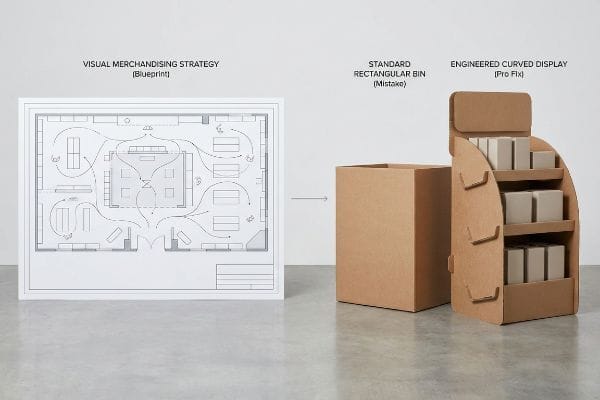
إن العرض هو الهيكل المادي الذي يحمل المنتج، لكن التسويق هو الذي يحدد بالضبط كيف يقاطع هذا الهيكل بيئة المستهلك.
استراتيجية التسويق البصري مقابل أساليب العرض
تخيّل العرض المرئي كخطة معمارية لحيٍّ بأكمله، بينما يُمثّل العرض مجرد الطوبة المادية المستخدمة في بناء منزل واحد. غالبًا ما تُغفل العلامات التجارية هذه الحدود، فتطلب صناديق كرتونية مربعة قياسية وتتوقع أن يكون وجودها بحد ذاته استراتيجية تسويقية. إنهم يفترضون خطأً أن أي منصة عرض أرضية ستُعيق حركة المارة بشكل طبيعي .
هذا افتراض خطير في تجارة التجزئة الحديثة. فوضع صندوق مستطيل مسطح في ممر مليء بصناديق مستطيلة مسطحة أخرى يُخفي المنتج بصريًا. تتطلب استراتيجية التسويق الناجحة إحداث تغيير مدروس. أحل هذه المشكلة بدمج أشكال منحنية مقطوعة بدقة في العناوين الرئيسية والألواح الجانبية للعرض. من القواعد الأساسية في استراتيجية تجارة التجزئة تجنب الزوايا الخارجية القائمة قدر الإمكان.فالحافة الحادة والنظيفة للشكل المنحني المصمم خصيصًا تجذب الضوء العلوي القوي بطريقة مختلفة، مما يكسر رتابة الممر ويجذب انتباه المتسوق مباشرة إلى منتجك.
| أخطاء شائعة للمبتدئين | الحل الاحترافي | فوائد أرضية البيع بالتجزئة |
|---|---|---|
| بالاعتماد على الصناديق المستطيلة القياسية | ألواح جانبية منحنية ومقطوعة بالقالب من الناحية الهندسية11 | يكسر رتابة الممرات البصرية |
| استخدام رؤوس مسطحة تندمج مع | طبقة مزدوجة العمق على رأس العارضة12 | يُنشئ تباينًا للظلال للنص |
| وضع الصناديق بشكل موازٍ لحركة المرور | توجيه هيكل العرض المادي13 | يُعطّل مسارات المشي الطبيعية |
تُجبر الخطوط المنحنية المتسوقين المارين على التوقف والنظر، مما يحول على الفور صندوقًا كرتونيًا عاديًا إلى عنصر بيع بالتجزئة قوي.
🛠️ مكتب هارفي: هل يبدو عرض منتجاتك الحالي مطابقًا تمامًا لعرض المنافسين المجاورين له؟ 👉 احصل على تصميمك الهيكلي ↗ — لا توجد استمارات تُسبب مكالمات مبيعات لا تنتهي. قيمة حقيقية فقط.
هل يقتصر التسويق البصري على العروض الموجودة في المتجر فقط؟
إن حصر رؤيتك في قطعة واحدة من الورق المقوى يعني ضياع فرص تحقيق الإيرادات.
لا، لا يقتصر التسويق البصري على مجرد تركيبات كرتونية معزولة، بل يشمل التصميم الداخلي المتكامل، بما في ذلك مناطق عرض البضائع، وشبكات الإضاءة، وحركة المرور في الممرات. فالبيئة المعمارية بأكملها تعمل كنظام متكامل مصمم لتوجيه انتباه المستهلكين نحو سلع ترويجية محددة.
عندما تدرك أن المساحة المادية الكاملة للمتجر قابلة للتفاوض، فإن خياراتك الهيكلية تتوسع بشكل كبير.
زيادة كثافة الأرضية باستخدام المنصات الجزئية
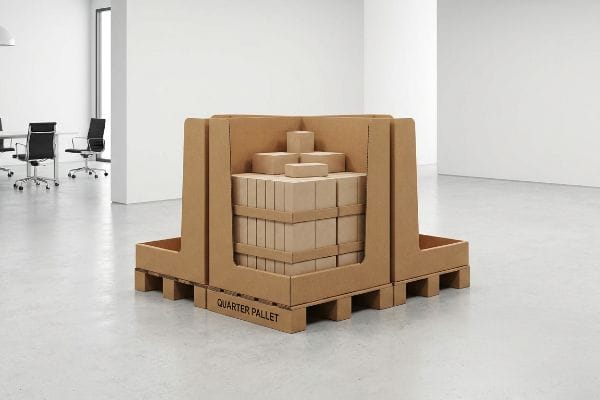
كثيراً ما تُقدّم العلامات التجارية الناشئة عروضاً أرضية كاملة الحجم (48×40 بوصة، 121.9×101.6 سم) إلى كبار مشتري المتاجر الكبرى، مُفترضةً أن الحملة التسويقية القوية تتطلب احتكار قاعدة خشبية كاملة. وعندما يرفض المتجر هذا العرض بسبب محدودية المساحات المخصصة للعروض المميزة ، تفترض العلامة التجارية أنه لا بديل أمامها سوى اللجوء إلى الرفوف القياسية.
لا داعي للتخلي عن الممر لمجرد عدم قدرتك على تأمين مساحة مربعة كاملة. أرى علامات تجارية تفشل في هذه المفاوضات باستمرار، مما يؤدي إلى صوت طقطقة الخشب المزعج عند إعادة منصة نقالة كبيرة الحجم مرفوضة إلى المخزن. لتجنب ذلك، أُعطي الأولوية لعرض المنتجات بأحجام قياسية جزئية، وتحديدًا منصات نقالة نصفية بقياس 48×20 بوصة (121.9×50.8 سم) وربعية بقياس 24 ×20 بوصة (60.9×50.8 سم) . من خلال تقسيم القاعدة بشكل استراتيجي، أسمح لحملتين تسويقيتين منفصلتين بمشاركة منصة واحدة على منصة جمعية مصنعي البقالة (GMA). يمنح هذا التخطيط الدقيق للمساحة مشتري التجزئة المرونة اللازمة للموافقة على المساحة المصغرة، مما يضمن لك مكانًا في المناطق ذات الحركة الكثيفة.
| أخطاء شائعة للمبتدئين | الحل الاحترافي | فوائد أرضية البيع بالتجزئة |
|---|---|---|
| يتم وضع المنصات بالحجم الكامل فقط | أبعاد المنصات الهندسية النصفية أو الربعية | يضمن الحصول على مواقع مميزة ذات حركة مرور عالية18 |
| تجاهل مساحات البيع بالتجزئة المشتركة | تصميم قواعد معيارية تتشابك معًا | يُتيح مرونة في التسويق المشترك |
| المبالغة في تقدير المساحة المطلوبة | تقليص القاعدة لزيادة الكثافة إلى أقصى حد | يخفض معدلات رفض تجار التجزئة19 |
تُمكّنك الأشكال الهندسية الكسرية من التفاوض بثقة على مساحة الأرضية من خلال إثبات للمشتري بالتجزئة أنك تحترم بشدة مساحة الأرضية المتنازع عليها بشدة.
🛠️ مكتب هارفي: هل تُرفض عروض منتجاتك لأن المشترين يقولون إنها تشغل مساحة كبيرة؟ 👉 اطلب مخططًا تفصيليًا ↗ — تواصل مباشر مع مكتبي. أعدك بعدم تلقي أي رسائل تسويقية آلية مزعجة.
لماذا تعتقد أن العرض المرئي ضروري في تصميم المتجر؟
يجب أن يبرر الهيكل المادي تكلفة تصنيعه من خلال توليد الإيرادات بشكل مباشر.
يُعدّ التسويق البصري ضروريًا لأنه يُغيّر سلوكيات التسوق التلقائية ويُحفّز التفاعل. فبدون تصميم مكاني مدروس، تندمج المنتجات مع تصميم الممرات. ويُحفّز تطبيق التسويق الاستراتيجي التعرف النفسي السريع، مما يُسرّع بشكل ملحوظ دوران المخزون ويضمن مكانة مميزة في قنوات البيع بالتجزئة شديدة التنافسية.

لا يُعد التسويق ترفاً جمالياً؛ بل هو تدخل هيكلي قابل للقياس مصمم لرفع المبيعات على الفور.
حساب الزيادة في المبيعات خلال 3 ثوانٍ
غالباً ما ينظر مديرو التسويق إلى تصميم المتجر الفعلي وعروضه الهيكلية على أنها ضرورة لا بد منها أو مجرد وسيلة لعرض رسوماتهم. يترددون في الاستثمار في ألواح كرتونية سميكة أو أدوات مخصصة، معتقدين أنه طالما أن الشعار مرئي، سيبيع المنتج نفسه تلقائياً. ينسون أن بيئة البيع بالتجزئة الحديثة مشبعة بصرياً بشكلكبير.
إذا لم تجذب استراتيجية التسويق الخاصة بك انتباه المستهلك بشكل مباشر، فأنت تهدر ميزانية الترويج. أختبر هذه الحقيقة باستمرار، وألاحظ مقاومة صواني PDQ عند انزلاقها بثبات على منضدة الدفع المزدحمة، مما يحفز التفاعل. إذا كانت زاوية العرض غير مناسبة، يمر المتسوقون دون أن يلاحظوا. أطبق معادلة "الرفع في 3 ثوانٍ" لضمان عائد استثمار أعلى في قطاع التجزئة. من خلال إمالة الرف الداخلي للأعلى بزاوية 15 درجة بالضبط، واستخدام جدار خلفي ممتد لزيادة الثبات، نجعل واجهة المنتج مباشرة في مجال رؤية المتسوق القادم. هذا الرفع البسيط في الوضعية يزيل الحواجز البصرية، ويقلل الوقت الذي يستغرقه المستهلك للتعرف على المنتج إلى أقل من ثلاث ثوانٍممايسرع بشكل مباشر عمليات الشراء الاندفاعية.
| أخطاء شائعة للمبتدئين | الحل الاحترافي | فوائد أرضية البيع بالتجزئة |
|---|---|---|
| وضع المنتج بشكل مسطح في صينية | زاوية الإدخال بمقدار 15 درجة23 | تُجبر القوى على التعرف البصري الفوري |
| باستخدام ألواح خلفية رقيقة | هندسة دعامة حامل رسم ممتدة | يعمل على تثبيت أحمال البضائع الثقيلة |
| المنتج الذي يقف وراء الشفاه العالية | تطبيق تقنية القطع بنسبة 85% للرؤية24 | يزيد من سرعة الشراء الاندفاعي |
تضمن الزوايا الهيكلية المحسوبة أن عرضك الترويجي يبيع المنتج المستهدف بشكل أسرع بكثير من المنافسين المباشرين الموجودين بجانبه.
🛠️ مكتب هارفي: هل تنقلب صواني سطح الطاولة لديك أم تخفي منتجاتك خلف ألواح أمامية طويلة؟ 👉 تحقق من عائد استثمارك ↗ — حمّل الملف بأمان. صندوق رسائلي مفتوح إذا كانت لديك أي أسئلة لاحقًا.
ما الفرق بين تصميم المتجر وعرض المنتجات بشكل مرئي؟
إن فهم الفرق بين التصميم المعماري الدائم والتركيبات المتحركة يوفر آلاف الدولارات في مطالبات التعويض عن الأضرار.
يكمن الفرق بين تصميم المتجر وعرض المنتجات المرئي في البنية التحتية مقابل التفاعل. يحدد تصميم المتجر الممرات المادية الثابتة ومسارات التنقل داخل المبنى. أما عرض المنتجات المرئي فيُغير هذه المسارات بشكل ديناميكي، من خلال إدخال تجهيزات هيكلية مؤقتة وترتيبات منتجات مُستهدفة لتحفيز شراء المستهلكين.
لكن معرفة النظرية لا تكفي عندما تبدأ الآلات بالعمل وتتعارض هذه التجهيزات المؤقتة مع الممرات الدائمة.
لماذا تفشل تصميمات آلات الغزل القياسية في أرضية المصنع؟
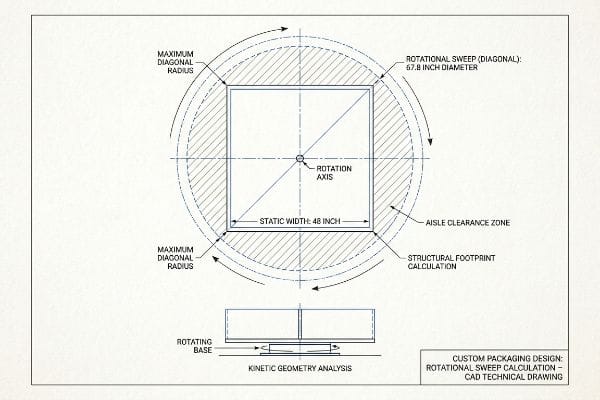
في منشأتي، أرى باستمرار فرق المشتريات تصمم منصات عرض أرضية دوارة بزاوية 360 درجة بناءً على أبعادها الثابتة المواجهة للأمام فقط. يفترضون أنه إذا كان تصميم المتجر يوفر مساحة عرض ترويجية بعرض 121.9 سم، فإن منصة عرض مربعة دوارة بعرض 121.9 سم ستناسبها تمامًا. هذا يمثل فهمًا خاطئًا خطيرًا للهندسة الحركية، إذ يتجاهل تمامًا الواقع المادي لنصف قطر الدوران البالغ25 درجة عندما يتفاعل المتسوق فعليًا مع وحدة العرض.
هذا ليس مجرد كلام نظري، بل أراه يحدث فعلاً في قسم اختبار التصنيع عند تركيب شاشات العرض كاملة التحميل على قواعد فولاذية متينة مزودة بمحامل كروية. ولأن طول قطر القاعدة المربعة أطول بكثير من عرضها، فإن تدوير الوحدة يتسبب في انحناء الزوايا الصلبة المموجة بقوة نحو الخارج. شاشة عرض بعرض 121.9 سم (48 بوصة) ستُحدث قوس دوران يبلغ حوالي 172.2 سم (67.8 بوصة). أعرف جيداً صوت الصرير المعدني المزعج الناتج عن اصطدام عربات التسوق بعنف بزاوية شاشة عرض دوارة، والذي قد يمتد فجأة إلى الممر الرئيسي. ولمنع هذا العطل الكارثي، أُلزم بإجراء حساب دقيق لزاوية الدوران في برنامج التصميم بمساعدة الحاسوب (CAD). من خلال تحديد نصف قطر الدوران القطري الأقصى مسبقاً، أُقيد المساحة الأساسية للشاشة بأبعاد هندسية أصغر، مما يضمن بقاء الزوايا الدوارة بأمان ضمن المساحة المحددة في الممر. يضمن هذا التخطيط الهيكلي المسبق عدم قيام مدير المتجر برمي عرضك في سلة المهملات بسبب إعاقة حركة المشاة، مما يجنبك عمليات رد المبالغ المدفوعة بسبب عدم الامتثال المدمرة.
| أخطاء شائعة للمبتدئين | الحل الاحترافي | فوائد أرضية البيع بالتجزئة |
|---|---|---|
| قياس العرض الثابت فقط | حساب المسح الدوراني القطري26 | يمنع تصادم عربات التسوق |
| زيادة حجم القاعدة الدوارة | حصر البصمة بنسب جزئية27 | يحرص على الحفاظ على خلو الممرات من العوائق بشكل صارم |
| استخدام وصلات الزوايا الضعيفة | تدعيم الحواف الخارجية بجدار مزدوج28 | يتحمل الاحتكاك الحركي والصدمات |
يضمن حساب نصف قطر الدوران بدقة قبل الإنتاج دوران الجهاز بسلاسة تامة دون أن يصبح عبئاً حركياً في الممر الرئيسي.
🛠️ مكتب هارفي: لا تدع عيبًا هيكليًا بحجم 2 مليمتر يُفسد إطلاقًا ضخمًا لـ 500 متجر. 👉 أرسل لي ملف تصميم القالب ↗ — سأُجري اختبارات دقيقة للحسابات قبل أن تُهدر ميزانيتك على الإنتاج الضخم.
خاتمة
يمكنك اختيار مورد أرخص، ولكن عندما تنزلق قاعدة دوارة كبيرة الحجم إلى ممر ثابت، متسببةً في اصطدام عربات التسوق، ما يؤدي إلى رفض فوري من قِبل بائع التجزئة وأسابيع من إعادة العمل اليدوي المكلف، فإن التوفير الأولي يتبخر. هذه هي ورقة المواصفات الدقيقة التي يستخدمها أفضل 10 عملاء تجزئة لديّ لضمان عدم رفض أي طباعة. توقف عن التخمين بشأن مسافات الدوران، ودعني شخصيًا أراجع ملفاتك الهيكلية من خلال تدقيق القوالب المجاني ↗ لاكتشاف الأخطاء الهندسية الجسيمة قبل بدء الإنتاج.
"أساسيات التسويق البصري - ماوفوركس"، https://www.mauveworx.com/blog/the-basics-of-visual-merchandising. [تؤكد دراسة موثوقة في مجال هندسة العوامل البشرية في متاجر التجزئة أن وضع المنتجات خارج "المنطقة المثلى" يزيد من الجهد البدني ويقلل من تفاعل المستهلك]. دور الدليل: التحقق التقني؛ نوع المصدر: دراسة هندسة العوامل البشرية أو ورقة بحثية في قطاع التجزئة. يدعم: عدم كفاءة استغلال المساحة الرأسية إلى أقصى حد دون مراعاة هندسة العوامل البشرية. ملاحظة النطاق: يركز على مدى وصول المتسوقين وأنماط مسحهم البصري. ↩
[ملف PDF] إرشادات لمحلات البقالة بالتجزئة - بيئة العمل المريحة لـ... - إدارة السلامة والصحة المهنية (OSHA)، https://www.osha.gov/sites/default/files/publications/OSHA3192.pdf. [تحدد معايير الصناعة الخاصة ببيئة العمل المريحة والتسويق البصري في قطاع التجزئة النطاق الأمثل لارتفاع "منطقة العرض" بما يتوافق مع متوسط طول نظر الإنسان. دور الدليل: التحقق الفني؛ نوع المصدر: دليل تصميم متاجر التجزئة أو دراسة بيئة العمل المريحة. يدعم: القياس المحدد لوضع المنتج الأمثل. ملاحظة النطاق: قد تختلف النطاقات المحددة اختلافًا طفيفًا بناءً على طول الفئة المستهدفة.] ↩
"ما هو ارتفاع أرفف متاجر البقالة؟ دليل شامل لتجار التجزئة"، https://www.hedarack.com/blogs-detail/how-tall-are-grocery-store-shelves. [تحدد معايير الصناعة الخاصة ببيئة العمل المريحة والتسويق البصري في متاجر التجزئة ارتفاع منطقة التفاعل لزيادة التواصل البصري مع العملاء]. دور الدليل: مواصفات فنية؛ نوع المصدر: دليل تصميم متاجر التجزئة. يدعم: الارتفاع الأمثل للرفوف للتفاعل مع المنتجات. ملاحظة: قد يختلف الارتفاع بناءً على متوسط طول العملاء. ↩
"كيفية تحسين رؤية المنتجات في خزائن عرض متاجر التجزئة"، https://www.onidisplay.com/how-to-improve-product-visibility-retail-display-cabinets/. [تشرح الكتيبات الفنية الخاصة بتجهيزات متاجر التجزئة كيف أن الميل لأعلى بشكل محدد يزيد من وضوح المنتجات وسهولة الوصول إليها في الرفوف السفلية]. دور الدليل: مواصفات فنية؛ نوع المصدر: دليل تسويقي. يدعم: وضوح المنتجات الثقيلة. ملاحظة النطاق: يتناول تحديدًا رفوف الطبقة السفلية. ↩
"وضع المنتجات لتشجيع الشراء الاندفاعي - لينكدإن"، https://www.linkedin.com/top-content/retail-merchandising/retail-space-utilization/impulse-purchase-placement/. [تُظهر بيانات علم نفس البيع بالتجزئة والمبيعات أن وضع المنتجات ذات هامش الربح العالي في مستوى النظر يزيد من معدلات التحويل وعمليات الشراء الاندفاعي]. دور الدليل: الأساس المنطقي الاستراتيجي؛ نوع المصدر: دراسة في علم نفس البيع بالتجزئة. يدعم: استراتيجية استخدام منطقة العرض. ملاحظة النطاق: التركيز على وحدات حفظ المخزون المادية. ↩
"SIRRMER013 تطوير إرشادات العرض المرئي - Training.gov"، https://training.gov.au/training/details/SIRRMER013. [يُفصّل دليل معياري في القطاع أو كتاب دراسي في إدارة البيع بالتجزئة القيود المحددة المتعلقة بالأبعاد والمواد والسلامة التي تفرضها كبرى متاجر التجزئة في أدلة أسلوبها]. دور الدليل: مواصفات فنية؛ نوع المصدر: دليل معياري في القطاع. يدعم: وجود متطلبات امتثال صارمة لعروض المتاجر. ملاحظة النطاق: تختلف القيود المحددة باختلاف متجر التجزئة وشكل المتجر. ↩
[ملف PDF] دراسة CALiPER الثالثة لمصابيح البيع بالتجزئة، https://www1.eere.energy.gov/buildings/publications/pdfs/ssl/caliper_retail-lamps-study3.pdf. [يؤكد مصدر موثوق في هندسة تجهيزات البيع بالتجزئة على ضرورة دقة قياسات الفرجار لضمان ثبات اللافتات على حواف الرفوف]. دور الدليل: مواصفات فنية؛ نوع المصدر: معيار صناعي. يدعم: متطلبات القياسات الدقيقة للأجهزة. ملاحظة النطاق: خاص بملحقات الرفوف.] ↩
"الشركات المفتوحة للجمهور - ADA.gov"، https://www.ada.gov/topics/title-iii/. [تُحدد معايير قانون الأمريكيين ذوي الإعاقة (ADA) للتصميم المُيسّر أقصى بروز وعمق وصول لضمان إمكانية وصول الأشخاص ذوي الإعاقة إلى البضائع]. دور الدليل: متطلب قانوني؛ نوع المصدر: لائحة حكومية. يدعم: الادعاء بأن قيود العمق ضرورية للامتثال القانوني. ملاحظة النطاق: ينطبق على بيئات البيع بالتجزئة في الولايات المتحدة.] ↩
"لماذا يجب على تجار التجزئة التركيز على مدة بقاء المتسوقين - V-Count"، https://v-count.com/why-retailers-should-focus-on-dwell-time/. [تُظهر الدراسات في علم النفس البيئي لتجارة التجزئة أن مجرد وجود تجهيزات عرض لا يكفي لتغيير مسار المتسوقين دون وضع استراتيجي وجاذبية بصرية.] دور الدليل: تأكيد مفهوم خاطئ؛ نوع المصدر: بحث في قطاع تجارة التجزئة. يدعم: الحاجة إلى عرض مرئي استراتيجي بدلاً من مجرد نشر تجهيزات العرض. ملاحظة: قد تختلف التأثيرات بناءً على كثافة المتجر وفئة المنتج. ↩
«المبادئ الأساسية للتصميم والعروض المرئية | إس بي سي ريتيل»، https://spc-retail.com/the-basic-principles-for-design-and-visual-displays/. [يؤكد معيار تصميم صناعي أو دليل للتسويق المرئي أن كسر الزوايا القائمة يزيد من بروز العناصر البصرية ويغير أنماط التسوق المعتادة]. دور الدليل: التحقق الفني؛ نوع المصدر: دليل تصميم. يدعم: فعالية الأشكال المنحنية في عروض البيع بالتجزئة. ملاحظة النطاق: يركز على بيئات نقاط البيع. ↩
"كيفية تحسين عروض البيع بالتجزئة - جريت نورثرن إنستور"، https://www.greatnortherninstore.com/2021/03/retail-displays-not-working-heres-why-and-what-to-do-about-it/. [تشير مبادئ التسويق البصري إلى أن كسر الأنماط الخطية بأشكال منحنية أو عضوية يقلل من الرتابة البصرية ويجذب انتباه المتسوقين]. دور الدليل: استراتيجية التصميم؛ نوع المصدر: كتاب مدرسي في التسويق. يدعم: كسر رتابة الممرات. ملاحظة النطاق: يتعلق بعروض الترويج المؤقتة. ↩
"شاشات عرض نقاط البيع المخصصة (POP) / مجموعة جاي"، https://www.jaygroup.com/contract-packaging/pos-pop/. [تشرح مواصفات تصميم لافتات البيع بالتجزئة كيف يُضفي إضافة العمق إلى العناوين بُعدًا وتباينًا للظلال لتحسين وضوح النص]. دور الدليل: مواصفات فنية؛ نوع المصدر: دليل تصميم. يدعم: فائدة الطبقات للتباين البصري. ملاحظة النطاق: التركيز على بناء شاشات عرض نقاط البيع. ↩
"تحليل تدفق حركة المرور فيما يتعلق بالتسويق البصري"، https://dmsretail.com/traffic-flow-analysis/. [تُظهر الدراسات في علم النفس البيئي لتجارة التجزئة أن وضع العروض بشكل غير متوازٍ يُعطّل أنماط المشي المعتادة لزيادة اكتشاف المنتجات]. دور الدليل: ادعاء سلوكي؛ نوع المصدر: دراسة في علم نفس تجارة التجزئة. يدعم: تعطيل مسارات المشي الطبيعية. ملاحظة نطاق الدراسة: تختلف الفعالية باختلاف عرض الممر. ↩
دليل أبعاد المنصات القياسية | أحجام منصات الشحن - فليت ووركس، https://www.fleetworks.ai/resources/pallet-dimensions-standard. [تؤكد معايير الخدمات اللوجستية والتجزئة أن منصة GMA بقياس 48×40 بوصة هي المعيار الصناعي لعرض المنتجات على أرضيات المتاجر بالحجم الكامل في أمريكا الشمالية]. دور الدليل: مواصفات فنية؛ نوع المصدر: معيار صناعي. يدعم: تعريف العرض القياسي بالحجم الكامل. ملاحظة النطاق: ينطبق بشكل أساسي على متاجر التجزئة الكبيرة في أمريكا الشمالية. ↩
[ملف PDF] مستقبل المتاجر الكبيرة المهجورة، https://lawreview.colorado.edu/wp-content/uploads/2013/11/9.-Schindler-FINAL_s.pdf. [توثق أبحاث إدارة البيع بالتجزئة والمبادئ التوجيهية التشغيلية التوزيع الاستراتيجي لمناطق التقاطعات ذات الحركة المرورية العالية لتعظيم الإيرادات لكل قدم مربع]. دور الدليل: حقيقة تشغيلية؛ نوع المصدر: أدبيات إدارة البيع بالتجزئة. يدعم: ندرة مساحات العرض الرئيسية وتخصيصها المُتحكم به. ملاحظة: تختلف بروتوكولات التخصيص المحددة باختلاف بائع التجزئة. ↩
"ورقة مواصفات المنصات: مرجع الأبعاد وسعة الوزن"، https://www.repackify.com/resources/guides/dimensions/pallets?srsltid=AfmBOoo0LR3yI0tnEmqZ-KBTBVWLwCzvTOIvcyR2ZDYM70_HqvkK5bSD. [تؤكد كتيبات اللوجستيات القياسية في الصناعة أو مواصفات GMA أبعاد مساحات المنصات نصف الحجم المستخدمة في بيئات البيع بالتجزئة]. دور الدليل: التحقق الفني؛ نوع المصدر: معيار صناعي. يدعم: أبعاد المعدات الدقيقة. ملاحظة النطاق: قد تختلف الأبعاد القياسية اختلافًا طفيفًا وفقًا لمعايير اللوجستيات الإقليمية. ↩
دليل أحجام المنصات، https://miami-pallets.com/pallet-sizes. [تؤكد أدلة إدارة الخدمات اللوجستية والمستودعات الأبعاد القياسية لمساحة ربع المنصة لضمان التوافق مع منصات GMA]. دور الدليل: التحقق الفني؛ نوع المصدر: معيار صناعي. يدعم: أبعاد المعدات الدقيقة. ملاحظة: قد تختلف الأبعاد القياسية اختلافًا طفيفًا باختلاف معايير الخدمات اللوجستية الإقليمية. ↩
"أنواع عرض المنصات: كاملة، نصف، وربع - GreenDot Packaging"، https://greendotpackaging.com/understanding-pallet-display-types-full-half-and-quarter-pallet-displays/. تُظهر معايير الصناعة لإدارة مساحات البيع بالتجزئة أن مساحات العرض الأصغر تُمكّن العلامات التجارية من شغل مناطق "نهاية الممر" أو "الجناح الرئيسي" ذات الحركة المرورية العالية، حيث يُحظر استخدام المنصات الكاملة. دور الدليل: داعم؛ نوع المصدر: منشور تجاري للبيع بالتجزئة. يدعم: الميزة الاستراتيجية للمنصات النصفية أو الربعية. ملاحظة: تعتمد الفعالية على سياسات المساحة المحددة لكل تاجر تجزئة. ↩
"7 سمات لعرض بيع بالتجزئة عالي التأثير - سمورفيت ويستروك"، https://www.smurfitwestrock.com/blog/7-features-of-a-high-impact-retail-display. تشير بيانات الخدمات اللوجستية والتسويق إلى أن تحسين المساحة الأساسية لزيادة كثافة العرض على أرضية المتجر يقلل من حالات رفض تجار التجزئة بسبب قيود المساحة. دور الدليل: داعم؛ نوع المصدر: دراسة بحثية تسويقية. يدعم: العلاقة بين تقليل المساحة وموافقة تجار التجزئة. ملاحظة النطاق: ينطبق بشكل أساسي على بيئات متاجر التجزئة الكبيرة ومتاجر البقالة. ↩
[ملف PDF] تحليل نوعي للتأثير السلوكي للتجربة الحسية المتعددة، https://openresearch.okstate.edu/bitstreams/97d107d4-4dfe-4902-991d-238d9d263302/download. [توفر الدراسات المحكمة في علم النفس البيئي أو التسويق بالتجزئة بيانات حول الفوضى البصرية وتأثيرها على مدى انتباه المستهلك]. دور الدليل: فرضية أساسية؛ نوع المصدر: مجلة أكاديمية. يدعم: الادعاء بأن التشبع البصري يستلزم تسويقًا استراتيجيًا لجذب الانتباه. ملاحظة النطاق: يركز على الحمل المعرفي والإدراك الحسي. ↩
"مستقبل رؤية المنتجات على الرفوف: كيف يُسهم علم تجارة التجزئة والتقنيات الناشئة..."، https://www.inuru.com/post/shelf-visibility-future-retail-2030. [يؤكد دليل تصميم متاجر التجزئة أو دراسة هندسة العوامل البشرية أن زاوية ميل محددة، مثل 15 درجة، تُحسّن مجال رؤية المتسوقين في المناطق ذات الحركة الكثيفة]. دور الدليل: المواصفات الفنية؛ نوع المصدر: دليل تصميم متاجر التجزئة. يدعم: وضع المنتج الأمثل لضمان رؤيته. ملاحظة: قد تختلف الفعالية بناءً على ارتفاع المنتج وارتفاع الرف. ↩
"العلاقة بين ضغط الوقت وسلوك المستهلكين الاندفاعي..."، https://pmc.ncbi.nlm.nih.gov/articles/PMC10750050/. [تشير أبحاث علم نفس المستهلك إلى وجود نافذة زمنية حرجة تبلغ حوالي ثلاث ثوانٍ لكي يتمكن التعرف على المنتج من تحفيز عملية شراء اندفاعية بنجاح]. دور الدليل: مقياس سلوكي؛ نوع المصدر: دراسة في علم نفس التسويق. يدعم: فعالية زيادة وضوح المنتج خلال ثلاث ثوانٍ. ملاحظة النطاق: ينطبق بشكل أساسي على بيئات البيع بالتجزئة ذات الحركة المرورية العالية والوتيرة السريعة. ↩
"أساسيات التسويق البصري - سبيد برو"، https://www.speedpro.com/blog/visual-merchandising-101/. [يُقدّم دليل تصميم متاجر التجزئة الموثوق به مواصفات فنية حول كيفية تحسين زاوية عرض محددة، مثل 15 درجة، لخط الرؤية من أجل التعرف الفوري على المنتج]. دور الدليل: التحقق الفني؛ نوع المصدر: دليل تصميم متاجر التجزئة. يدعم: فعالية زوايا عرض المنتجات المحددة في التسويق. ملاحظة النطاق: ينطبق على العروض القائمة على الصواني. ↩
"لماذا لا يستطيع 70% من المتسوقين مقاومة الشراء الاندفاعي؟ - سالسيفي"، https://www.salsify.com/blog/why-shoppers-cant-resist-impulse-buy. [ستؤكد دراسات علم نفس المستهلك وهندسة بيئة العمل في قطاع التجزئة العلاقة بين عتبات رؤية محددة، مثل نسبة 85%، وسرعة قرارات الشراء الاندفاعي]. دور الدليل: التحقق من صحة المقاييس؛ نوع المصدر: دراسة سلوك المستهلك. يدعم: العلاقة بين وضوح المنتج وسرعة الشراء. ملاحظة نطاق البحث: يشير تحديدًا إلى ارتفاع حواف العرض. ↩
هل يمكن تخصيص حوامل العرض الدوارة؟ – PopDisplay، https://popdisplay.me/can-the-rotating-display-stands-be-customized/. [يؤكد دليل فني حول المتطلبات المكانية الهندسية أن تدوير حامل مربع يتطلب قطرًا مساويًا لقطره، وليس عرض ضلعه]. دور الدليل: التحقق الفني؛ نوع المصدر: معيار تصميم صناعي. يدعم: الادعاء بأن أبعاد العرض الثابتة غير كافية للحوامل الدوارة. ملاحظة النطاق: ينطبق على الحوامل الدوارة ذات المحور المركزي. ↩
"اصطدامات عربات التسوق: مخاطر خفية يجب معرفتها"، https://www.dcreport.org/2025/11/25/shopping-cart-collisions-hidden-dangers-you-should-know/. [تنص أدلة تصميم الصناعة لتجهيزات متاجر التجزئة على أن حساب الدوران الكامل ضروري لتجنب إعاقة حركة المرور والتسبب في اصطدامات العربات]. دور الدليل: التحقق الفني؛ نوع المصدر: دليل تصميم صناعي. يدعم: منع اصطدامات العربات. ملاحظة النطاق: ينطبق تحديدًا على شاشات العرض الدوارة. ↩
معايير إمكانية الوصول وفقًا لقانون الأمريكيين ذوي الإعاقة (ADA) - Access-Board.gov، https://www.access-board.gov/ada/. [يُقدّم قانون الأمريكيين ذوي الإعاقة (ADA) وإرشادات السلامة في قطاع التجزئة نسبًا مُحدّدة لأبعاد تجهيزات العرض بالنسبة لعرض الممرات لضمان الامتثال لمعايير إمكانية الوصول]. دور الدليل: الامتثال التنظيمي؛ نوع المصدر: معيار السلامة. يدعم: الحفاظ على خلوص الممرات بدقة. ملاحظة النطاق: يركز على معايير إمكانية الوصول التجارية. ↩
"التخطيط للتغليف والخدمات اللوجستية لعروض البيع بالتجزئة - فرانك ماير"، https://www.frankmayer.com/blog/packaging-and-logistics-planning-for-retail-displays/. [تُظهر مواصفات المواد المستخدمة في عروض الكرتون المموج أن البناء ذو الجدار المزدوج يوفر المتانة الهيكلية اللازمة لتحمل الصدمات الحركية في المناطق ذات الحركة المرورية العالية]. دور الدليل: مواصفات المواد؛ نوع المصدر: ورقة بيانات فنية للتصنيع. يدعم: المتانة ضد الاحتكاك والصدمات. ملاحظة النطاق: خاص بتركيبات الكرتون المؤقتة أو شبه الدائمة. ↩