الامتثال لمعايير متاجر التجزئة الكبرى لا يرحم. إذا لم تستوفِ شحنات العرض الخاصة بك متطلبات المسح الرقمي لدى وول مارت، فستواجه رفضًا فوريًا ورسوم استرداد ضخمة. إليك كيفية تجاوز هذا الشرط.
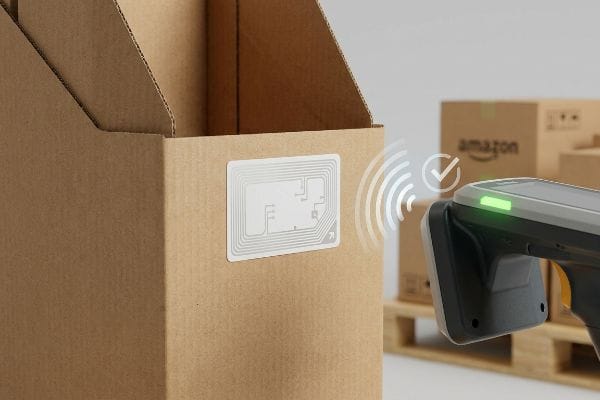
تشمل الأسباب الكامنة وراء إلزام وول مارت باستخدام تقنية تحديد الهوية بموجات الراديو (RFID) تحسين شفافية سلسلة التوريد، ومنع حالات نفاد المخزون الوهمية، وتسريع عملية جرد المخزون. تضمن هذه التقنية إعادة تعبئة المخزون بدقة على مستوى المتجر، وتقلل من العمل اليدوي الشاق، وتحسن عملية تلبية الطلبات متعددة القنوات دون الحاجة إلى أي مسح ضوئي مباشر.
يمكنك تصميم عرض بيع بالتجزئة جميل، ولكن إذا تعارضت الهندسة الهيكلية مع المصافحة الرقمية على منصة الاستقبال، فإن الحملة ستفشل قبل أن تبدأ.
لماذا تشترط وول مارت استخدام علامات RFID؟
تتعامل وول مارت مع مليارات المنتجات يومياً، مما يعني أن عمليات جرد المخزون اليدوية مستحيلة رياضياً.
تُلزم وول مارت باستخدام علامات RFID لضمان وجود الكمية المناسبة من المخزون عبر سلسلة التوريد الواسعة لديها. تُزيل هذه الأجهزة الرقمية أخطاء العد اليدوي، وتضمن وصول المنتجات إلى رفوف البيع في الوقت المناسب، وتوفر البيانات اللازمة لتنفيذ عمليات استلام العملاء من المتجر عبر الإنترنت بسلاسة.
إن فهم هذا التفويض الرقمي ليس سوى الخطوة الأولى قبل أن نقوم بتصميم الصندوق المادي.
مبادئ الشفافية الخمسة للمخزون
تفترض العديد من فرق التسويق أن متطلبات المتاجر الكبرى ليست سوى عقبات بيروقراطية تهدف إلى تحصيل رسوم الامتثال. وينظرون إلى الملصقات الرقمية على أنها إضافة مزعجة، فيلصقونها على الكراتين الرئيسية أينما وُجدت مساحة فارغة دون مراعاة النظام التشغيلي الأوسع للمتجر.
يُفعّل هذا التوجيه فعلياً قواعد البيع بالتجزئة الخمس:توفير المنتج المناسب، بالكمية المناسبة، بالسعر المناسب، في الوقت المناسب، وفي المكان المناسب. ويتطلب التوزيع الأمثل فهم هذه الأساسيات بدلاً من مجرد وضع الملصقات. ومن خلال ربط جهاز التتبع الرقمي بمناطق واضحة وخالية من العوائق على العبوة الخارجية،تضمن العلامات التجارية نقل البيانات بسلاسة عبر شبكة البيع بالتجزئة بأكملها. ويضمن هذا التوافق الاستراتيجي أن تتعرف أنظمة إدارة المخزون على المخزون الوارد فوراً، مما يمنع حدوث حالات نفاد المخزون المكلفة في صالات العرض.
| أخطاء شائعة للمبتدئين | الحل الاحترافي | فوائد أرضية البيع بالتجزئة |
|---|---|---|
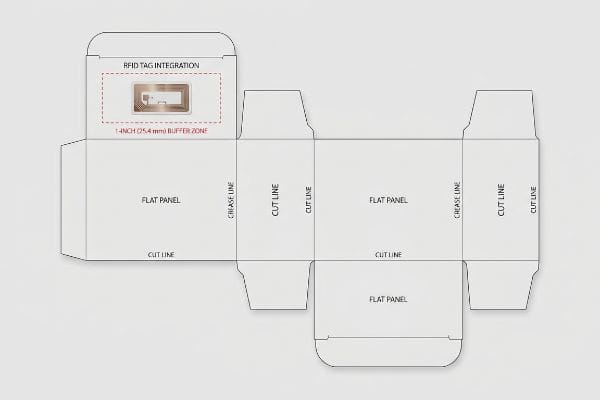
| وضع العلامات على الطيات | تكامل الشاشة المسطحة | لا يوجد أي كسر في الهوائي |
| تجاهل إزالة العلامات | منطقة عازلة بقياس بوصة واحدة (25.4 مم)3 | نجاح المسح بنسبة 100%4 |
| التعامل مع العلامات كملصقات | التضمين في تصميم القالب CAD5 | يمنع إعادة العمل اليدوي |
من خلال دمج وضع العلامات بشكل استراتيجي في مرحلة التصميم الأولية، أضمن أن كل عرض بيع بالتجزئة يظهر بشكل مثالي عند وصوله إلى المتجر.
🛠️ مكتب هارفي: هل أنت غير متأكد من أن تصميم قالب العرض الحالي لديك يوفر مساحة كافية لإجراء مسح ضوئي رقمي آمن؟ 👉 اطلب تدقيقًا لتصميم القالب ↗ — تواصل مباشر مع مكتبي. أعدك بعدم تلقي أي رسائل تسويقية آلية مزعجة.
هل يمكن قراءة علامات RFID من خلال الملابس؟
تحدد فيزياء الموجات الراديوية مدى جودة اتصال جهاز التتبع بجهاز الاستقبال.
نعم. يمكن قراءة علامات RFID من خلال الملابس ومعظم مواد البيع بالتجزئة القياسية. تخترق موجات الترددات الراديوية الأقمشة والورق المقوى المموج والأغلفة البلاستيكية بسهولة، مما يسمح لموظفي المتجر بمسح مئات قطع الملابس المعبأة داخل صندوق شحن من الورق المقوى المغلق على الفور دون الحاجة إلى فتح الصندوق.
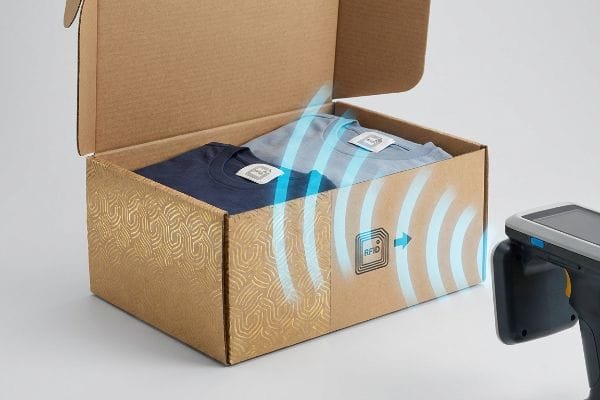
في حين أن الأقمشة لا تشكل أي تهديد للإشارة، فإن مواد التغليف المحيطة بتلك الملابس يمكن أن تسبب تداخلاً كارثياً.
التنقل في المنطقة الصديقة لتقنية تحديد الهوية بموجات الراديو (RFID)
غالباً ما تقوم فرق المشتريات بتحديث عبوات منتجاتها المخصصة للبيع بالتجزئة باستخدام تشطيبات معدنية فاخرة، انطلاقاً من افتراض أن مستحضرات التجميل الراقية تؤدي بطبيعة الحال إلى زيادة المبيعات. ونادراً ما تستشير هذه الفرق فرق التعبئة والتغليف حول كيفية تأثير هذه التحسينات التجميلية على الوظائف الرقمية للعبوةالرئيسية.
بينما لا تشكل المواد الأساسية كقمصان القطن أو الكرتون العادي أي تهديد للإشارة،فإن العناصر المعدنية تحجب تمامًا إرسال الترددات اللاسلكية.وهذا فخ شائع للعلامات التجارية التي تطلب أحبارًا معدنية تغطي كامل مساحة العرض أو رقائق معدنية مزخرفة دون إدراك التداخل الذي تُسببه. يتطلب الوضع الاستراتيجي نقل هذه الأجهزة إلى مناطق مخصصة غير مطبوعة بعيدة عن أي زخارف معدنية. ويحافظ إنشاء هذه المناطق الخالية على المظهر الفاخر للعبوة مع ضمان إتمام عملية الاتصال الرقمي فورًا في المتجر.
| أخطاء شائعة للمبتدئين | الحل الاحترافي | فوائد أرضية البيع بالتجزئة |
|---|---|---|
| وضع العلامات فوق الحبر المعدني9 | مناطق مخصصة غير مطبوعة | إرسال الإشارة بدون عوائق |
| استخدام أجهزة التتبع القريبة المصنوعة من رقائق معدنية10 | التحول إلى اللمعان المائي | يحافظ على المظهر الفاخر بأمان |
| وضع الأجهزة المعدنية القريبة | خلوص معدني 3 بوصات (76.2 مم)11 | يمنع التداخل الرقمي |
إن إزالة العناصر المعدنية من منطقة القراءة هي أبسط طريقة لحماية الإشارة وضمان بقاء الشاشة مرئية تمامًا لأجهزة المسح الضوئي في متاجر البيع بالتجزئة.
🛠️ مكتب هارفي: هل تُخفي تشطيبات الطباعة المعدنية الفاخرة لديك إشارات المخزون وتُعرّض منتجاتك لخطر الرفض من قِبل تجار التجزئة؟ 👉 احصل على مراجعة للمواد ↗ — حمّل الملف بأمان. صندوق بريدي مفتوح إذا كانت لديك أي أسئلة لاحقًا.
هل يمنع نظام تحديد الهوية بموجات الراديو (RFID) سرقة المتاجر؟
تخسر متاجر التجزئة الكبيرة مليارات الدولارات بسبب الانكماش كل عام، وتتبع المخزون المادي يمثل معركة مستمرة.
لا، تقنية تحديد الهوية بموجات الراديو (RFID) لا تمنع السرقة من المتاجر فعلياً. مع ذلك، توفر هذه التقنية لتجار التجزئة بيانات دقيقة وفورية عن المخزون، مما يسمح لهم بتحديد المنتجات المسروقة بدقة ووقت السرقة. هذه الرؤية التفصيلية تساعد مديري المتاجر على إعادة ملء المخزون الناقص بسرعة وتحليل المناطق الأكثر عرضة للسرقة لتحسين استراتيجيات منع الخسائر بشكل عام.

إن معرفة ما اختفى أمر بالغ الأهمية، ولكن منع حدوث أضرار مادية للعرض الذي يحمل تلك البضائع هو المكان الذي تتولى فيه الهندسة الإنشائية زمام الأمور.
دقة المخزون والأمن الهيكلي
غالباً ما تهتم العلامات التجارية بالتتبع الرقمي لبضائعها، وتستثمر بكثافة في العلامات الذكية لمراقبة النقص12.إنهم يفترضون أنه طالما أن البيانات الرقمية دقيقة، فإن العرض المادي للمنتج في صالة البيع بالتجزئة سيدار بشكل طبيعي.
لا قيمة لجرد رقمي مثالي إذا لم يكن العرض المادي قادرًا على تحمل تفاعلات المتسوقين اليومية. فأنظمة التتبع الأكثر تطورًا لا تُبلغ إلا عن العناصر المفقودة،ولا تستطيع منع صينية كرتونية عندما يسحب العملاء المنتجات بسرعة من الرف. يتطلب النجاح الحقيقي في تجارة التجزئة الجمع بين هذه الرؤية الرقمية والمتانة الهيكلية الأساسية، مثل استخدام ألواح أمامية مُدعمة مقاومة للتمزق. من خلال التركيز على الأمن المادي الأساسي جنبًا إلى جنب مع البيانات الرقمية، تضمن العلامات التجارية بقاء مخزونها المتبقي منظمًا، ومرتبًا، وجاهزًا للمشتري التالي.
| أخطاء شائعة للمبتدئين | الحل الاحترافي | فوائد أرضية البيع بالتجزئة |
|---|---|---|
| شفاه تثبيت واهية | ألواح أمامية مطوية مزدوجة الجدار14 | يمنع تمزق المنتج من قبل العميل |
| الاعتماد فقط على الوسائل الرقمية | عمليات التدقيق الهيكلي المادي | يحمي المخزون المتبقي |
| منتجات متداخلة بإحكام | تخفيضات على وحدات التخزين (SKU) بقياس 0.25 بوصة (6.35 مم)15 | إزالة المنتج بدون احتكاك |
تُخبر العلامات الرقمية بائع التجزئة بالضبط بما فُقد، لكن التصميم الهيكلي الذكي يضمن بقاء الوحدات المتبقية منظمة بشكل مثالي وجاهزة للبيع.
🛠️ مكتب هارفي: هل هيكل عرض منتجاتك الحالي قوي بما يكفي لتحمل تصرفات المتسوقين العدوانية الذين يسحبون المنتجات من الرفوف؟ 👉 اطلب فحص هيكلك ↗ — لا توجد استمارات تُسبب مكالمات مبيعات لا تنتهي. قيمة حقيقية فقط.
ما هي أكبر مشكلة تواجه وول مارت؟
تعمل الخدمات اللوجستية للمتاجر الكبيرة بسرعات مرعبة، مما يعني أن أي خلل طفيف في التعبئة والتغليف يؤدي إلى اختناقات نظامية هائلة.
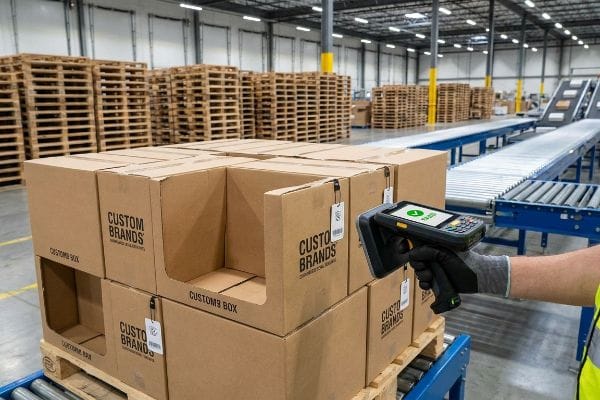
تُعدّ سرعة المعالجة والامتثال لأنظمة الاستلام الآلي أكبر مشكلة تواجهها وول مارت في إدارة سلسلة التوريد. فعندما تحتوي الكراتين الرئيسية على رموز شريطية مشوهة أو علامات رقمية موضوعة بشكل غير صحيح، تتعطل الماسحات الضوئية. هذا الاختناق المنهجي يُجبر على إعادة التعبئة اليدوية المكلفة، ويُبطئ التوزيع على مستوى البلاد، ويتسبب في خسائر مالية فادحة للعلامات التجارية غير الملتزمة.
لكن معرفة النظرية لا تكفي عندما تبدأ الآلات بالعمل وتصطدم تلك الصناديق بالناقلات المادية.
لماذا تفشل تنسيقات الخدمات اللوجستية القياسية في أرضية المصنع؟
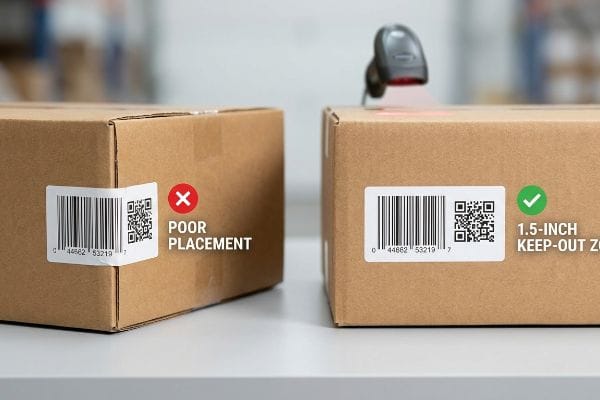
كثيراً ما تفترض فرق المشتريات أنه طالما وُجد ملصق التتبع المطلوب في مكان ما على الصندوق، فسيقبله بائع التجزئة. ويتعاملون مع خط القطع الرئيسي للكرتونة كمجرد اقتراح غير دقيق، ويضعون ملصقات اللوجستيات بالقرب من خطوط القطع الهيكلية دون مراعاة السماكة الفعلية للكرتون المموج .
يُعدّ مسح شاشة واحدة بنجاح على المكتب أمرًا سهلاً، لكن إليك الواقع المرير عند شحن 500 شاشة عبر منشأة لوجستية آلية تابعة لجهة خارجية. في منشأتي، أرى بشكل روتيني ملفات عملاء حيث يكون الرمز الشريطي موضوعًا على بُعد 2.79 مم فقط من طيّة ورق مقوى سميك. عند طي هذا الورق المقوى السميك بزاوية 90 درجة، فإنه يستهلك جزءًا من الورق، ويتمدد الغلاف الورقي الخارجيمملجميع البيانات القابلة للمسح. من خلال تطبيق هذه المسافة المحددة، أضمن بقاء الملصق مسطحًا تمامًا، مما يمنع فشل الفرز الآلي ويوفر على العملاء ما يُقدّر بـ 4500 دولار أمريكي من رسوم إعادة التعبئة اليدويةلكل عملية طرح.
| أخطاء شائعة للمبتدئين | الحل الاحترافي | فوائد أرضية البيع بالتجزئة |
|---|---|---|
| ملصقات بالقرب من خطوط التهديف | منطقة محظورة بقطر 1.5 بوصة (38.1 مم)19 | معدل المسح التلقائي بنسبة 100%20 |
| تجاهل فرجار اللوحة | خطوط القطع المعوضة بواسطة الفرجار21 | يمنع تشويه البيانات |
| مقياس تخمين الباركود | الاختبارات البصرية قبل الإنتاج | يلغي غرامات إعادة التعبئة |
لا أسمح لأساليب التصميم التجاري التقليدية بالتأثير سلبًا على امتثال الخدمات اللوجستية. فمن خلال تثبيت الهندسة المكانية قبل الإنتاج الضخم، أضمن انسيابية الشحنة بسلاسة تامة عبر نظام الاستلام الآلي.
🛠️ مكتب هارفي: لا تدع عيبًا هيكليًا بحجم 2 مليمتر يُفسد إطلاقًا ضخمًا لـ 500 متجر. 👉 أرسل لي ملف تصميم القالب ↗ — سأُجري اختبارات دقيقة للحسابات قبل أن تُهدر ميزانيتك على الإنتاج الضخم.
خاتمة
يمكنك اختيار مورد أرخص يتجاهل دقة طي الورق، ولكن عندما تتسبب الكراتين الرئيسية في تمدد الرموز الشريطية حول الحواف، تتعطل الماسحات الضوئية، مما يؤدي إلى إبطاء خط الاستلام الآلي بنسبة 40% تقريبًا، ويتسبب في غرامات باهظة على متاجر التجزئة لإعادة التعبئة. هذه هي المواصفات الدقيقة التي يستخدمها أفضل 10 عملاء تجزئة لديّ لضمان عدم رفض أي منتج. توقف عن الاعتماد على التخمينات الهيكلية، ودعني أراجع تصميماتك شخصيًا من خلال خدمة التدقيق المسبق المجانية ↗ لضمان سلامة عملياتك اللوجستية قبل بدء الطباعة.
"كيفية وضع علامات على السوائل والمعادن والأشياء الصغيرة لنظام تحديد الهوية بموجات الراديو (RFID) الخاص بشركة وول مارت..."، https://www.impinj.com/library/blog/what-walmart-suppliers-should-know-about-tagging-t. تربط وثائق القطاع استراتيجية وول مارت لنظام تحديد الهوية بموجات الراديو (RFID) بالمبدأ اللوجستي الأساسي المتمثل في "الحقوق الخمسة" للمخزون. دور الدليل: التحقق المفاهيمي؛ نوع المصدر: تحليل القطاع. يدعم: الأهداف التشغيلية للتكليف. ملاحظة نطاق البحث: قد تختلف المصطلحات المستخدمة في قواعد البيع بالتجزئة باختلاف المصدر. ↩
"امتثال تغليف وول مارت بتقنية RFID: ما تحتاج إلى معرفته"، https://popdisplay.me/walmart-rfid-packaging-compliance-what-you-need-to-know/. تحدد الإرشادات الفنية لتطبيق تقنية RFID موضع وضع العلامات لتجنب التداخل من المعادن أو السوائل. دور الدليل: التحقق الفني؛ نوع المصدر: دليل مورد الشركة. يدعم: متطلبات تحديد موضع العلامة لضمان الإرسال. ملاحظة النطاق: ينطبق على المواد التي تسبب توهين إشارة الترددات اللاسلكية. ↩
"نطاق الكشف الأمثل لعلامة RFID لتحديد المواقع باستخدام RFID..."، https://pmc.ncbi.nlm.nih.gov/articles/PMC3291925/. مواصفات فنية من مصنعي أجهزة RFID توضح المسافة اللازمة بينها وبين الأسطح المعدنية لمنع انحراف الإشارة. دور الدليل: مواصفات فنية؛ نوع المصدر: معيار صناعي. يدعم: المسافة الموصى بها لتحسين الإشارة. ملاحظة النطاق: ينطبق بشكل أساسي على علامات UHF RFID. ↩
"وضع علامات RFID: أفضل الممارسات لتحسين الدقة - AssetPulse"، https://www.assetpulse.com/blog/rfid-tag-placement. معايير أداء توضح كيف يساهم وضع العلامات الأمثل ومناطق الحماية في القضاء على حالات فشل القراءة في بيئات البيع بالتجزئة. دور الدليل: مقياس أداء؛ نوع المصدر: ورقة بحثية تقنية. يدعم: العلاقة بين التخليص ودقة القراءة. ملاحظة النطاق: يمثل الأداء في الحالة المثالية. ↩
"التغليف المتكامل بتقنية RFID يُحدث ثورة في تغليف منتجات التجزئة"، https://www.finelinetech.com/rfid-integrated-packaging-is-revolutionizing-retail-packaging/. إرشادات هندسية للتغليف تشرح عملية دمج مواقع هوائيات RFID في قوالب التصميم بمساعدة الحاسوب (CAD) للإنتاج الآلي. دور الدليل: إجراءات سير العمل؛ نوع المصدر: دليل هندسي. يدعم: الطريقة الاحترافية لضمان اتساق وضع العلامات. ملاحظة النطاق: خاص بالتصنيع بكميات كبيرة. ↩
"تعمل علامة RFID على العبوات المعدنية، حتى مع السوائل"، https://www.packagingdigest.com/smart-packaging/rfid-tag-works-on-metal-packaging-even-with-liquids. شرح تقني لكيفية تسبب المواد المعدنية في انعكاس أو إضعاف إشارات موجات الترددات الراديوية. دور الدليل: التحقق التقني؛ نوع المصدر: دليل هندسي أو دراسة فيزيائية. يدعم: الادعاء بأن التشطيبات المعدنية تتداخل مع المسح الرقمي. ملاحظة النطاق: خاص بتداخل الترددات الراديوية. ↩
"هل يمكن قراءة علامات RFID من خلال الملابس؟ - XMINNOV"، https://www.rfidtagworld.com/news/NFC-RFID-IOT-Knowledge_6327.html. بيانات تجريبية تُظهر انخفاض توهين إشارات الترددات اللاسلكية عبر المواد العضوية غير الموصلة. دور الدليل: التحقق من الحقائق؛ نوع المصدر: تقرير اختبار الترددات اللاسلكية أو دراسة أكاديمية. يدعم: الادعاء بأن مواد الملابس القياسية شفافة لتقنية RFID. ملاحظة النطاق: يستثني المواد ذات المحتوى الرطوبي العالي. ↩
"مواد الحماية والحجب بتقنية RFID - RFID4U"، https://rfid4u.com/rfid-shielding-and-blocking-materials/. شرح علمي لكيفية عكس أو امتصاص المواد الموصلة لموجات الترددات الراديوية، مما يمنع اختراق الإشارة. دور الدليل: التحقق التقني؛ نوع المصدر: كتاب فيزياء أو دليل هندسة الترددات الراديوية. يدعم: الادعاء بأن المعادن تحجب إشارات RFID. ملاحظة النطاق: ينطبق تحديدًا على ترددات UHF RFID الشائعة. ↩
"تداخل مواد RFID: كيف تؤثر المعادن والسوائل..."، https://www.rfidlabel.com/rfid-materials-interference-how-do-metals-and-liquids-affect-performance/?srsltid=AfmBOoqiHGQagb3Y6pqOf2dPYL0KkDBN5SZyjBMYDvGg219GUYOxoCbo. ينبغي أن يشرح مصدر موثوق في هندسة الترددات الراديوية كيف تعمل الأحبار المعدنية الموصلة على إضعاف أو عكس الموجات الراديوية، مما يعيق نقل الإشارة. دور الدليل: التحقق الفني؛ نوع المصدر: دليل هندسي. يدعم: التداخل الناتج عن الأحبار المعدنية. ملاحظة النطاق: ينطبق على تقنية RFID السلبية بتردد UHF. ↩
"هممم، ما مدى فعالية رقائق الألومنيوم في حجب تقنية تحديد الهوية بموجات الراديو (RFID)؟ على الرغم من..."، https://news.ycombinator.com/item?id=2061861. تشرح المبادئ العلمية للحماية الكهرومغناطيسية كيف تعمل الرقائق المعدنية كحاجز لإشارات الترددات الراديوية، مما يُحدث تأثير قفص فاراداي. دور الدليل: التحقق التقني؛ نوع المصدر: كتاب فيزياء. يدعم: تداخل المواد مع أجهزة تتبع RFID. ملاحظة النطاق: ينطبق على مواد الرقائق الموصلة. ↩
"تقنية تحديد الهوية بموجات الراديو على المعادن: علامات تحديد الهوية بموجات الراديو والأسطح المعدنية - متجر أطلس لتحديد الهوية بموجات الراديو"، https://www.atlasrfidstore.com/rfid-insider/rfid-tags-on-metal-surfaces/?srsltid=AfmBOooCZfffqfkY8ijlk4REcIgMicgg4H7NI1WbR8yzOmmC0kRqQSZh. تحدد معايير الصناعة لنشر تقنية تحديد الهوية بموجات الراديو الحد الأدنى للمسافة من الأسطح المعدنية لمنع انحراف تردد الهوائي وفقدان الإشارة. دور الدليل: التحقق المتري؛ نوع المصدر: دليل التنفيذ الفني. يدعم: التباعد المطلوب لمنع التداخل الرقمي. ملاحظة النطاق: قد يختلف التباعد المحدد بناءً على التردد وتصميم الهوائي. ↩
"تقنية تحديد الهوية بموجات الراديو (RFID) للوقاية من الخسائر: كيفية الحد من هدر المخزون في قطاع التجزئة - بيونتاغ"، https://www.beontag.com/blog/rfid-for-loss-prevention/. تقارير أبحاث السوق حول الإنفاق على تكنولوجيا التجزئة ومعدلات تبني أنظمة RFID للحد من خسائر المخزون. دور الدليل: دعم واقعي؛ نوع المصدر: تحليل قطاعي. يدعم: الادعاء بأن العلامات التجارية تستثمر في تكنولوجيا التتبع للحد من الهدر. ملاحظة النطاق: ينطبق بشكل أساسي على متاجر التجزئة الكبيرة. ↩
"كيف تُحدث علامات الأمان بتقنية RFID ثورة في منع سرقة متاجر التجزئة؟"، https://checkpointsystems.com/blog/security-tags-retail-theft-prevention/. تحليل فني لقدرات تقنية RFID يؤكد أن تتبع المخزون يُحدد الخسائر ولكنه لا يوفر رادعًا ماديًا للسرقة. دور الدليل: التأكيد؛ نوع المصدر: ورقة بحثية متخصصة في هذا المجال. يدعم: الادعاء بأن التتبع الرقمي يفتقر إلى خصائص وقائية مادية. ملاحظة النطاق: ينطبق على أنظمة RFID السلبية. ↩
"14 نوعًا من عروض البيع بالتجزئة | شيكاغو، إلينوي - ويرثيمر بوكس"، https://wertheimerbox.com/types-of-retail-displays/. التحقق من مواصفات التغليف القياسية في الصناعة لعروض البيع بالتجزئة لمنع العبث والتمزق. دور الدليل: التحقق الفني؛ نوع المصدر: دليل هندسة التغليف. يدعم: السلامة الهيكلية للعروض المادية. ملاحظة النطاق: ينطبق على تجهيزات البيع بالتجزئة المصنوعة من الكرتون المموج أو البلاستيك. ↩
"التكنولوجيا التي يحتاجها تجار التجزئة لتقليل الاحتكاك"، https://biztechmagazine.com/article/2024/03/technology-retailers-need-reduce-friction. التحقق من القياس المحدد لتصفية وحدات التخزين لتحسين استرجاع المنتجات وتقليل الاحتكاك. دور الدليل: التحقق من صحة المقياس؛ نوع المصدر: دليل تسويق التجزئة. يدعم: كفاءة الوصول إلى المخزون الفعلي. ملاحظة النطاق: خاص بتصميمات المنتجات المتداخلة. ↩
دليل الامتثال لمعايير التجزئة لعام 2026 بشأن وضع الملصقات والتغليف، https://www.warehousequote.com/resources/retail-compliance-labeling-packaging-guide. تحدد أدلة موردي التجزئة المعتمدة ومعايير GS1 للتغليف الحد الأدنى للمسافات الفاصلة بين الملصقات والحواف وخطوط الطي لمنع تشوه الرموز الشريطية. دور الدليل: المواصفات الفنية؛ نوع المصدر: دليل امتثال الشركة. يدعم: الادعاء بأن وضع الملصق بشكل غير صحيح يتسبب في فشل المسح الضوئي. ملاحظة: تختلف القياسات الدقيقة باختلاف بائع التجزئة. ↩
"التحليل التحليلي لصلابة الانحناء لخمس طبقات..."، https://pmc.ncbi.nlm.nih.gov/articles/PMC8777652/. شرح مفصل لكيفية تسبب الخصائص الفيزيائية للكرتون المموج من النوع B في تمدد الطبقة الداخلية وتشوهها أثناء الطي بزاوية 90 درجة، مما يؤثر على قراءة الرموز الشريطية. دور الدليل: آلية تقنية؛ نوع المصدر: دليل هندسة التغليف. يدعم: السبب الفيزيائي لفشل الماسح الضوئي. ملاحظة النطاق: خاص بفيزياء الكرتون المموج. ↩
"إعادة تغليف المنتجات بما يتوافق مع معايير البيع بالتجزئة: وول مارت، وكوستكو، ومتاجر التجزئة الكبرى..."، https://nautical-direct.com/retail-compliance-repackaging-walmart-costco-and-big-box-requirements-explained/. التحقق من عمليات رد المبالغ المدفوعة وفقًا لمعايير الصناعة والغرامات المالية التي تفرضها متاجر التجزئة الكبرى على التغليف غير المتوافق الذي يتطلب تدخلًا يدويًا. دور الدليل: التحقق المالي؛ نوع المصدر: دليل امتثال موردي التجزئة. يدعم: الأثر الاقتصادي لأخطاء التغليف. ملاحظة: تختلف التكاليف باختلاف بائع التجزئة والحجم. ↩
[ملف PDF] وضع الملصقات - خدمة سلامة الأغذية والتفتيش - وزارة الزراعة الأمريكية، https://www.fsis.usda.gov/sites/default/files/media_file/2021-03/FPLIC_2a_Labeling.pdf. التحقق من القياس الموحد لوضع الملصقات لضمان توافقها مع الماسح الضوئي الآلي. دور الدليل: المواصفات الفنية؛ نوع المصدر: دليل معايير الصناعة. يدعم: المساحة المطلوبة للمسح الضوئي الآلي. ملاحظة النطاق: قد تختلف المعايير قليلاً حسب بائع التجزئة. ↩
"استخدام نظام إدارة الأدوية باستخدام الباركود وآثاره على السلامة"، https://pmc.ncbi.nlm.nih.gov/articles/PMC11784319/. بيانات توضح العلاقة بين الالتزام بمواصفات التصميم وتحقيق دقة مسح مثالية في مراكز التوزيع الآلية. دور الدليل: مقياس أداء؛ نوع المصدر: دراسة حالة لوجستية. يدعم: فعالية منطقة الحظر. ملاحظة النطاق: يشير إلى أقصى كفاءة نظرية. ↩
"تأثير خطوط الطي التناظرية والرقمية على الخصائص الميكانيكية... - PMC"، https://pmc.ncbi.nlm.nih.gov/articles/PMC9268991/. شرح تقني لتعديل قياسات خطوط القطع لمراعاة سُمك المادة (الفرجار) لمنع انكماش أو تشوه الرمز الشريطي. دور الدليل: أسلوب تقني؛ نوع المصدر: دليل هندسة التغليف الهيكلي. يدعم: منع تشوه البيانات. ملاحظة النطاق: خاص بمواد الكرتون المموج والسميك. ↩