إطلاق خط منتجات للعناية بالبشرة أمرٌ مثير، لكن تغليفه لا ينبغي أن يعيق عملية طرحه. فلنصمم علب لوشن جاهزة للعرض في المتاجر، تجذب الأنظار وتلبي احتياجات رفوف المتاجر.
يتطلب تصميم علب مستحضرات التجميل المخصصة هندسة دقيقة لقوالب الهيكل، واختيار أفضل أنواع الورق المقوى، وتطبيق معايرات دقيقة قبل الطباعة. ومن خلال دمج أبعاد خاصة بكل منتج وطلاءات واقية، تضمن العلامات التجارية بقاء عبوات مستحضرات التجميل الأساسية معلقة بأمان مع تعزيز جاذبيتها البصرية والامتثال لمعايير البيع بالتجزئة الصارمة.
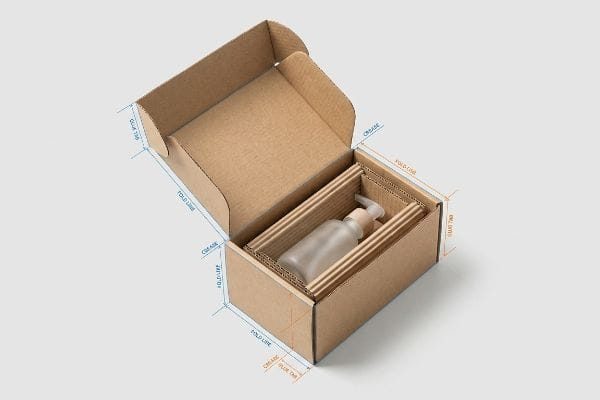
لكن معرفة الخطوات النظرية عديمة الفائدة تمامًا إذا تعطلت عملية التعبئة والتغليف عندما تبدأ آلات الإنتاج بالعمل فعليًا.
كيف يمكنني تصميم عبوات مخصصة خاصة بي؟
قد تعتقد أن تغليف زجاجة غسول يتطلب فقط قالب كرتون قابل للطي قياسي.
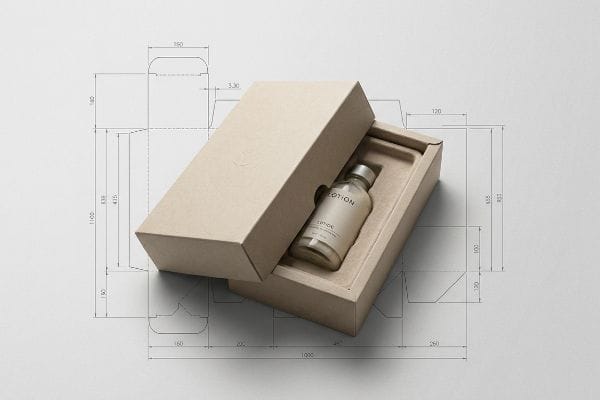
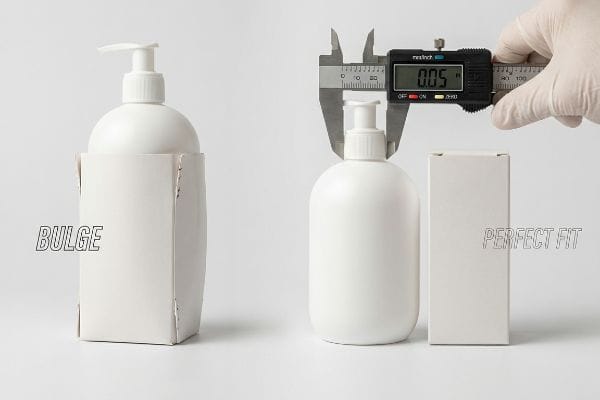
يتطلب تصميم عبوات مخصصة مطابقة الكرتون الثانوي تمامًا مع عبوة مستحضرات التجميل الأساسية. ويشمل تصميم هذه العبوات المخصصة قياسات دقيقة باستخدام الفرجار، بالإضافة إلى مراعاة معايير هيكلية صارمة لمنع أي انتفاخات دقيقة، مما يضمن عملية تجميع آلية سلسة وعرضًا انسيابيًا على أرفف المتاجر في جميع شبكات التوزيع العالمية الرئيسية.
إن توسيع نطاق هذا المنتج من نموذج أولي واحد إلى طرحه بكميات كبيرة في متاجر التجزئة يكشف عن نقاط احتكاك خفية.
مصيدة الانتفاخات الصغيرة في عبوات المستحضرات
تقتضي الممارسة المعتادة طلب ملف تصميم بمساعدة الحاسوب (CAD) عام بناءً على الأبعاد النظرية المسطحة لزجاجة المستحضر. حتى المصممون المخضرمون غالبًا ما يتجاهلون هذه النقطة، مفترضين أن أنبوب مستحضرات التجميل الصلب سيتناسب تمامًا مع علبة كرتونية رقيقة من مادة SBS (كبريتات الصوديوم المبيضة الصلبة)دون أي مقاومة.
ألاحظ هذا المأزق باستمرار عندما تنتقل العلامات التجارية إلى التوزيع بالجملة. شاهدتُ ذات مرة فريق تعبئة يعمل بجدٍّ خلال نوبته، وهم يضغطون بقوة على أنابيب غسول دائرية داخل علب كرتونية مربعة "مثالية" من الناحية الرياضية. أجبر البلاستيك الصلب الألواح الجانبية الرقيقة المصنوعة من الورق المقوى على الانحناء للخارج قليلاً. عندما تم حشر عشرات من هذه العلب المنتفخة بإحكام في صينية عرض منتجات مموجة (PDQ)، تسبب الانتفاخ الصغير المتراكم في تحطيم العلب لبعضها البعض ، مما أدى إلى تشويه مظهرها الأنيق في متاجر البيع بالتجزئة. نتغلب على هذه المشكلة بقياس عبوة الغسول المملوءة بالكامل باستخدام مقياس رقمي لتحديد قمة الانتفاخ بدقة، مع إضافة هامش أمان دقيق يبلغ 1.27 ملم .
| أخطاء شائعة للمبتدئين | الحل الاحترافي | فوائد أرضية البيع بالتجزئة |
|---|---|---|
| باستخدام الأبعاد النظرية المسطحة | القياس المادي باستخدام الفرجار4 | يمنع سحق الكرتون |
| تجاهل انتفاخ الحاوية الأساسية | هندسة الخلوصات الدقيقة المخصصة5 | تسريع خط التجميع |
| إدخال الأجزاء الضيقة في الصواني | تطبيق الحواجز المكانية الدقيقة6 | يمنع ازدحام الرفوف |
أرفض الموافقة على التصميم النهائي حتى أمسك زجاجة المستحضر الفعلية بيدي للتحقق من التوتر السطحي الفعلي، مما يضمن ملاءمة مثالية في كل مرة.
🛠️ مكتب هارفي: هل تتسبب عبوات غسول الجسم الأساسية لديكم في تشويه عبوات البيع بالتجزئة عن طريق الخطأ؟ 👉 احصلوا على مراجعة ملفات مخصصة ↗ — تواصل مباشر مع مكتبي. أعدكم بعدم تلقي أي رسائل تسويقية آلية مزعجة.
هل صنع غسول الجسم بنفسك أرخص؟
إن محاولة تقليل التكاليف عن طريق تجميع سلسلة التوريد الخاصة بك عادة ما تخلق فخاخًا مالية غير مرئية.
الأمر يعتمد على عدة عوامل. قد يبدو تصنيع عبوات المستحضرات بنفسك أرخص في البداية إذا استخدمت نموذج التعاقد مع موردين للحصول على مكونات متفرقة. مع ذلك، غالبًا ما تتسبب استراتيجية الشراء المجزأة هذه في أعطال جسيمة في الآلات وغرامات توقف باهظة، مما يقضي على الوفورات الأولية خلال مراحل التجميع السريع والتوزيع النهائي في متاجر التجزئة.
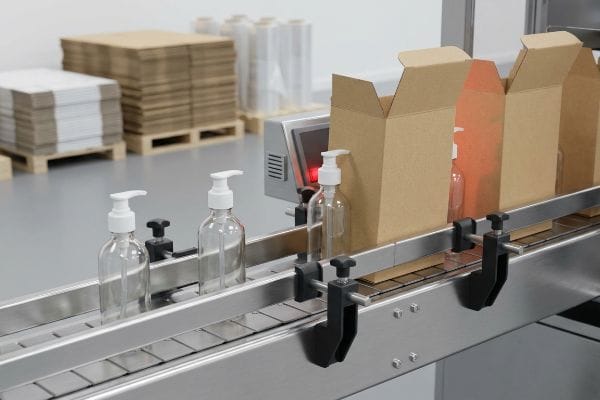
عندما تقسم مسؤوليات التعبئة والتغليف بين عدد كبير جدًا من الموردين، فإن قوانين الفيزياء ستجبرهم في النهاية على الاصطدام.
فخ التجميع باستخدام الرسوم مقابل التجميع الجاهز
غالباً ما تسعى العلامات التجارية الناشئة إلى تقليل تكاليف الوحدة باستخدام نموذج التصنيع بالعمولة،حيث تستورد عبوات المستحضرات الخام، والأغلفة المطبوعة، ومكونات العرض الكرتونية من موردين مختلفين تماماً. ويفترض هذا النموذج أن دفع تكلفة التجميع النهائي لشركة تغليف متعاقدة سيحقق عائداً على الاستثمار أفضل من الاعتماد على شركة تصنيع مركزية متكاملة الخدمات.
في الواقع، يُعدّ الاعتماد على عمليات شراء مجزأة في خط تجميع عالي السرعة عبئًا تشغيليًا هائلًا. أتذكر صوت احتكاك ناقل الفرز المزعج عندما وصلت علب كرتون قابلة للطيّ من أحد العملاء، والتي تمّ الحصول عليها من مصادر منفصلة، بطلاء مختلف قليلًا انزلق من بين أذرع الآلة. ببساطة، أوقفت شركة التعبئة والتغليف التابعة خط الإنتاج، مما تسبب في غرامات باهظة لتوقف الآلة عن العمل بالساعة، قضت على هوامش الربح المتوقعة للعلامة التجارية. من خلال دمج الهندسة الهيكلية والتجميع الفعلي في بروتوكول موحد جاهز للتنفيذ، يتمّ نقل مخاطر توافق المكونات بالكامل إلى شريك التصنيع ، مما يضمن تكلفة ثابتة للوحدة.
| أخطاء شائعة للمبتدئين | الحل الاحترافي | فوائد أرضية البيع بالتجزئة |
|---|---|---|
| توريد المكونات من موردين متعددين | التصنيع المركزي المتكامل10 | يضمن ذلك تكاليف الوحدة الثابتة |
| دفع أجور عمال التجميع فقط | الهندسة والتجميع الموحدان11 | يقضي على وقت توقف الآلة |
| تجاهل الاحتكاك بين المكونات | اختبار التوافق الهيكلي المسبق12 | يضمن إتمام العملية بسلاسة |
أقوم باستبعاد العلامات التجارية التي تريد مني فقط طباعة صناديق رخيصة بينما تتولى هي عملية التجميع في مكان آخر، لأنني أصمم عبوات مصممة خصيصًا لتتحمل عمليات البيع بالتجزئة عالية السرعة دون تكبد خسائر فادحة في عمليات رد المبالغ المدفوعة.
🛠️ مكتب هارفي: هل تُهدر مكونات التغليف غير المتطابقة ميزانية مشروعك على خط التجميع دون أن تشعر؟ 👉 اطلب تقرير تدقيق سلسلة التوريد الخاص بك ↗ — حمّله بأمان. صندوق بريدي مفتوح إذا كانت لديك أي أسئلة لاحقًا.
كيف يمكنني تصميم عبوات منتجاتي الخاصة؟
إن تسليم ملف تصميم موقع ويب هاوٍ إلى آلة قطع صناعية هو كارثة مؤكدة.
يتطلب تصميم عبواتك الخاصة استيراد ملفات PDF هيكلية مُصممة مسبقًا إلى برنامج التصميم الذي تختاره، بدلًا من رسم علامات التبويب يدويًا. من خلال تثبيت خط القطع الدقيق رياضيًا على الطبقة السفلية، يستطيع المصممون تطبيق الرسومات السطحية بأمان دون التأثير على انحناءات الحواف الضرورية لثبات العرض في ظروف الاستخدام الشاقة.
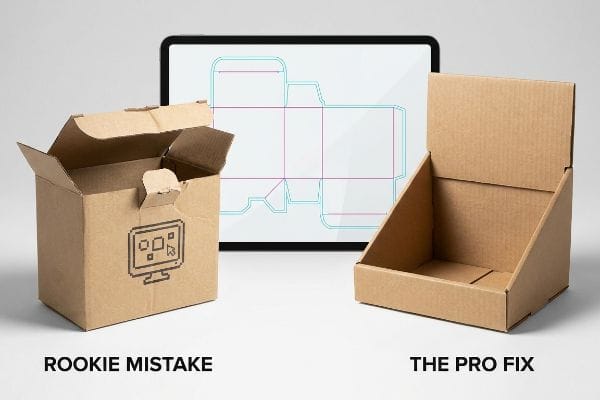
إن تطبيق الرسومات الجميلة لا معنى له إذا لم يتمكن الأساس الهيكلي من الصمود أمام عملية الطي.
قاعدة تثبيت أداة الويب للمستحضرات
تحاول العديد من فرق التسويق توفير تكاليف الوكالات التسويقية من خلال تكليف المصممين المبتدئين برسم علامات تبويب العرض المتشابكة مباشرةً باستخدام أدوات تصميم بسيطة على الإنترنت. فهم يتعاملون مع الصندوق الهيكلي ثلاثي الأبعاد تمامًا كما لو كان لافتة رقمية مسطحة، على افتراض أن الرسومات النقطية القياسية ستُترجم بسهولة إلى طيات وقطع ماديةفي المصنع.
لا تستطيع أدوات الويب تطبيق بدلات الانحناء التلقائية أو حساب السماكة الفعلية للكرتون المموج السميك14.لقد شاهدتُ فرق التعبئة والتغليف وهي تلجأ بيأس إلى شريط التغليف اللاصق الفوضوي لأن لسان القفل المرسوم رقميًا يفتقر إلى الإزاحة الدقيقة البالغة 0.125 بوصة (3.17 مم)15 المطلوبة لتجاوز طيّة بزاوية 90 درجة. ببساطة، يتمزق الورق المقوى الخام عند الزوايا تحت الضغط. نحن نتخلص تمامًا من هذه المشكلة من خلال إنشاء ملف PDF مُهندس من ArtiosCAD تقوم باستيراده وتثبيته بشكل دائم على الطبقة السفلية، مما يضمن عدم استبدال تصميمك الإبداعي للسطح بالحسابات الهيكلية المعقدة.
| أخطاء شائعة للمبتدئين | الحل الاحترافي | فوائد أرضية البيع بالتجزئة |
|---|---|---|
| علامات تبويب الرسم في برامج الويب | باستخدام قوالب ArtiosCAD المصممة هندسيًا16 | يضمن إحكام إغلاق الألسنة بشكل مثالي |
| مع تجاهل سمك الورق المقوى | تطبيق بدلات الانحناء الآلية17 | يزيل تمزق زوايا الصندوق |
| دمج الرسومات مع الخطوط المقطوعة | قفل طبقة PDF الهيكلية | يُسرّع عملية الموافقة |
أقدم خطوط القطع الخالية من العيوب الرياضية مسبقاً لأنني أرفض أن أرى تصميم علامة تجارية جميل ينهار تماماً تحت الضغط المادي للطي الأساسي.
🛠️ مكتب هارفي: هل تواجه صعوبة في تحديد المكان الأمثل لوضع تصميمك الفني على القالب الرقمي؟ 👉 اطلب ملف PDF هيكلي مُقفل ↗ — لا توجد استمارات تُسبب مكالمات مبيعات لا تنتهي. قيمة حقيقية فقط.
كيفية تصميم علبة تغليف؟
إن تصميم علبة لوشن جميلة على الشاشة يتجاهل تماماً تقلب المواد الكيميائية النشطة في منتجك.
يتطلب تصميم علبة التغليف هندسة مادة مقاومة للمذيبات لتحمل انتقال المواد الكيميائية من المستحضرات المعطرة. ويضمن استخدام مواد لاصقة متخصصة بالذوبان الساخن بدلاً من المواد اللاصقة المائية التقليدية عدم ذوبان المذيبات العضوية للأجزاء الهيكلية، مما يضمن الحفاظ على سلامة العلبة أثناء عمليات النقل والتخزين في المتاجر.
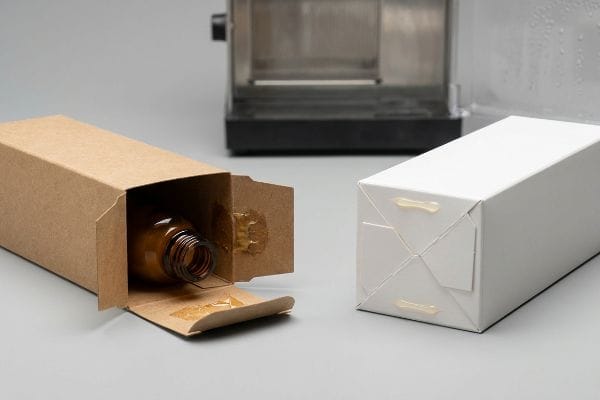
إن وضع عرض للمستحضرات في مختبر مكيف الهواء أمر سهل، ولكن إليك الحقيقة القاسية عندما تقوم بشحن 500 منها إلى سلسلة توريد رطبة.
التهديد الخفي لهجرة مذيبات العطور
يحدث خطأ شائع في هذا النظام عندما تستخدم العلامات التجارية ورق كرافت خام غير مبطن لتغليف مستحضرات التجميل والكريمات الفاخرة، بهدف الحصول على مظهر ريفي وصديق للبيئة. غالبًا ما تفترض فرق المشتريات أن المواد اللاصقة القياسية من نوع PVA (أسيتات البولي فينيل) المائيةكافية لتثبيت أجزاء الكرتون، متجاهلةً تمامًا الطبيعة الكيميائية النشطة للمنتج الموجود بداخله.
في منشأتي، أرى هذا الافتراض النظري يفشل فشلاً ذريعاً بشكل متكرر خلال اختبارات الإجهاد الناتجة عن ظروف المناخ. تعمل الزيوت النباتية المركزة والعطور الاصطناعية في المستحضرات كمذيبات كيميائية شديدة الفعالية تنطلق منها غازات في بيئات النقل الدافئة. لقد أخرجتُ علب اختبار من غرف التسخين لأجد أن أغطيةها السفلية قد انفتحت تماماً، لأن المذيبات العضوية المتسربة أذابت بقوة غراء PVA القياسي19، تاركةً بقايا لزجة ومتضررة. من خلال ترقية الأغطية إلى مواد لاصقة متخصصة من نوع EVA (أسيتات فينيل الإيثيلين)20- وهي مواد مقاومة كيميائياً لتسرب المذيبات - وتصميم أقفال احتكاك ميكانيكية للقاع، أضمن سلامة الهيكل، مما يوفر على العملاء آلاف الدولارات من عمليات إرجاع البضائع إلى المتاجر بسبب انسكاب العبوات الأساسية.
| أخطاء شائعة للمبتدئين | الحل الاحترافي | فوائد أرضية البيع بالتجزئة |
|---|---|---|
| باستخدام مواد لاصقة PVA القياسية | الترقية إلى مواد لاصقة ذائبة ساخنة من مادة EVA21 | يمنع فتح أغطية الكرتون |
| تجاهل انبعاث الغازات من الزيوت النباتية | هندسة المصفوفات المقاومة للمذيبات22 | يحافظ على السلامة الهيكلية |
| بالاعتماد بشكل صارم على اللحامات المسطحة الملصقة | إضافة أقفال ميكانيكية مضادة للصدمات في أسفل السيارة23 | يمنع سقوط زجاجات اللوشن |
أرفض السماح لتفاعل كيميائي مجهري بتدمير عملية طرح مستحضرات تجميل باهظة الثمن، ولهذا السبب أقوم بفحص التركيب الكيميائي للمادة اللاصقة بدقة قبل إجراء أي عملية قطع بالقالب.
🛠️ مكتب هارفي: لا تدع عيبًا كيميائيًا مجهريًا يُفسد إطلاق منتج تجميلي في 500 متجر. 👉 أرسل لي ملف تصميم القالب ↗ — سأُجري اختبارات دقيقة للحسابات قبل أن تُهدر ميزانيتك على الإنتاج الضخم.
خاتمة
يمكنك اختيار شريك تصنيع أرخص لتوفير بعض المال في البداية، ولكن عندما تتسبب المكونات الهيكلية غير المتطابقة في تعطل الآلات المؤتمتة بشكل مفاجئ، مما يؤدي إلى إبطاء خط التجميع بنسبة 30% تقريبًا، ستفقد هامش ربحك بالكامل. يستخدم أكثر من 500 مدير علامة تجارية قائمة التحقق الخاصة بي قبل الطباعة لتجنب هذه الأخطاء القاتلة في المراحل المبكرة. توقف عن التخمين بشأن التفاوتات الهيكلية، ودعني أقوم شخصيًا بمراجعة ملفاتك من خلال خدمة التدقيق المجانية لخطوط القطع ↗ لاكتشاف نقاط الاحتكاك المادية قبل بدء الإنتاج.
"الكرتون المبيض الصلب"، https://en.wikipedia.org/wiki/Solid_bleached_board. التحقق الفني من ورق SBS المقوى كمادة قياسية للتغليف الثانوي لمستحضرات التجميل وخصائصه الفيزيائية. دور الدليل: التحقق الواقعي؛ نوع المصدر: دليل علوم المواد أو صناعة التغليف. يدعم: تحديد مواد الصناعة القياسية المستخدمة في علب مستحضرات التجميل الفاخرة. ملاحظة النطاق: يقتصر على تطبيقات التغليف الثانوي. ↩
"عرض نقاط البيع المموج"، https://pci-packaging.com/project/titleist-point-of-sale-display/. شرح فني لكيفية تسبب التباينات التراكمية في الأبعاد وانحناء الألواح في حدوث خلل هيكلي في عروض البيع بالتجزئة عالية الكثافة. دور الدليل: شرح الآلية؛ نوع المصدر: دليل هندسة التغليف الهيكلي. يدعم: العلاقة السببية بين الانتفاخات الدقيقة وسحق الكرتون. ملاحظة النطاق: ينطبق على تغليف البيع بالتجزئة عالي الكثافة. ↩
"اختبار تغليف مستحضرات التجميل - إنترتك"، https://www.intertek.com/beauty-personal-care/cosmetics-packaging-testing/. معايير الصناعة أو أدلة هندسة التغليف التي تحدد قيم التفاوت المسموح به لمنع تقوس الألواح في الكراتين الثانوية. دور الدليل: التحقق؛ نوع المصدر: دليل المواصفات الفنية. يدعم: صحة مقياس الخلوص 0.05 بوصة. ملاحظة النطاق: قد يختلف الخلوص بناءً على وزن الورق المقوى (GSM). ↩
"الاستفادة القصوى من الفرجار الرقمي"، https://www.designreview.byu.edu/collections/getting-the-most-out-of-digital-calipers. وثائق فنية حول معايير قياس التغليف تُبيّن أن التحقق المادي يمنع أخطاء الأبعاد التي تؤدي إلى تلف الكرتون. دور الدليل: التحقق الفني؛ نوع المصدر: دليل صناعي. يدعم: ضرورة القياس المادي بدلاً من البيانات النظرية. ملاحظة النطاق: ينطبق بشكل أساسي على التغليف الصلب وشبه الصلب. ↩
"صناعة التغليف: تحديد وحل مشكلات سرعة خط الإنتاج و..."، https://lean6sigmahub.com/packaging-industry-recognizing-and-resolving-line-speed-and-downtime-issues-to-maximize-productivity/. أوراق بحثية هندسية تشرح كيف تُسهم الخلوصات الدقيقة في تقليل انتفاخ العبوة الأساسية، وبالتالي الحد من الاحتكاك والانسدادات على خطوط التجميع. دور الدليل: تحسين العمليات؛ نوع المصدر: ورقة بحثية هندسية. يدعم: العلاقة بين الخلوصات وسرعة التجميع. ملاحظة النطاق: التركيز على تفاوتات العبوة الأساسية. ↩
"كيف يؤثر تغيير تغليف منتجك على مساحة الرفوف..."، https://dotactiv.com/blog/product-packaging-impacts-shelf-space-availability. معايير الخدمات اللوجستية للبيع بالتجزئة التي توضح بالتفصيل استخدام المساحات الفاصلة في تصميم الصواني لضمان سهولة إدخالها وإخراجها من رفوف البيع بالتجزئة. دور الدليل: الكفاءة التشغيلية؛ نوع المصدر: دليل الخدمات اللوجستية للبيع بالتجزئة. يدعم: منع ازدحام الرفوف. ملاحظة النطاق: خاص بتغليف الصواني متعددة الوحدات. ↩
"عملية التصنيع بالعمولة: من الفكرة إلى الواقع"، https://www.intoceramics.com/blog/toll-manufacturing-process/. تحليل صناعي يُفصّل كيف يُمكن للمصادر المنفصلة في نموذج التصنيع بالعمولة أن تُخفّض تكاليف الوحدة الأولية مُقارنةً بالحلول الجاهزة. دور الدليل: التحقق المالي؛ نوع المصدر: تقرير سلسلة التوريد. يدعم: استراتيجية تقليل تكاليف المكونات الأولية. ملاحظة النطاق: يتجاهل المخاطر التشغيلية طويلة الأجل. ↩
اتفاقية التصنيع بالعمولة، https://www.sec.gov/Archives/edgar/data/1534287/000119312512115618/d244198dex1036.htm. شرحٌ للعقوبات التعاقدية القياسية في هذا القطاع التي يفرضها مُصنّعو التعبئة والتغليف المشتركون على توقف خطوط الإنتاج بسبب مواد معيبة أو غير متوافقة مُقدمة من العميل. دور الدليل: حقيقة تشغيلية؛ نوع المصدر: دليل عقود التصنيع. يدعم: المخاطر المالية المرتبطة بتجزئة عمليات الشراء. ملاحظة النطاق: شائع في خطوط التجميع الآلية عالية السرعة. ↩
"الحلول المتكاملة مقابل التصنيع حسب الطلب - أيهما الأنسب لي؟"، https://www.ryder.com/en-us/insights/blogs/logistics/turnkey-vs-tolling. تحليل لكيفية نقل عقود الحلول المتكاملة للمخاطر التقنية ومسؤولية مراقبة الجودة من مالك العلامة التجارية إلى المُصنِّع. دور الدليل: مقارنة نماذج الأعمال؛ نوع المصدر: أدبيات إدارة سلسلة التوريد. يدعم: الميزة الاستراتيجية للبروتوكولات الموحدة. ملاحظة النطاق: يخضع لشروط اتفاقية مستوى الخدمة المحددة. ↩
"التصنيع التعاقدي المتكامل: شرح وفوائد"، https://multipacksolutions.com/blog/turnkey-contract-manufacturing-for-product-launches/. شرح لكيفية توحيد اتفاقيات التصنيع المتكامل لعمليات الشراء لتحقيق استقرار وتأمين تكاليف الوحدة الثابتة في مواجهة تقلبات السوق. دور الدليل: دعم الفائدة التقنية؛ نوع المصدر: دليل صناعة التصنيع. يدعم: الادعاء بأن الإنتاج المركزي يقلل من تقلبات التكلفة. ملاحظة النطاق: ينطبق بشكل أساسي على الإنتاج القابل للتوسع بكميات كبيرة. ↩
"أثر التوقف غير المخطط له | شركة آرثر جي راسل (AGR)"، https://arthurgrussell.com/impact-of-unplanned-downtime/. تحليل فني لكيفية تقليل عدم التوافق الفني وتوقفات الآلات غير المخطط لها من خلال دمج التصميم الهندسي مع عمليات التجميع. دور الدليل: إثبات الكفاءة التشغيلية؛ نوع المصدر: مجلة الهندسة الصناعية. يدعم: الادعاء بأن العمليات الموحدة تقضي على وقت التوقف. ملاحظة النطاق: يركز على تقليل مراحل التجميع القائمة على التجربة والخطأ. ↩
"لماذا يُعدّ التجميع والاختبار حلقتين حاسمتين في...؟"، https://ctsemiconductor.com/why-assembly-test-are-the-critical-links-in-the-semiconductor-supply-chain/. دليل يُبيّن كيف يُسهم التحقق من ملاءمة المكونات وتفاعلها قبل الإنتاج الضخم في منع أعطال التجميع وتأخيرات الشحن. دور الدليل: معيار ضمان الجودة؛ نوع المصدر: كتاب في إدارة سلسلة التوريد. يدعم: الادعاء بأن الاختبار المسبق يضمن سلاسة التنفيذ. ملاحظة النطاق: خاص بتجميع المنتجات متعددة المكونات. ↩
"الرسومات النقطية مقابل الرسومات المتجهة: أيهما الأنسب للتغليف؟ - PopDisplay"، https://popdisplay.me/raster-vs-vector-which-to-use-for-packaging/. يجب أن يشرح دليل فني حول إنتاج التغليف سبب ضرورة استخدام المسارات المتجهة في آلات القطع بالقوالب، وسبب عدم ملاءمة الرسومات النقطية للدقة الهيكلية. دور الدليل: التحقق الفني؛ نوع المصدر: دليل هندسي صناعي. يدعم: الادعاء بأن الرسومات النقطية لا تفي بالغرض في الإنتاج الفعلي. ملاحظة النطاق: خاص بأنظمة القطع الآلية. ↩
"تأثير خطوط الطي التناظرية والرقمية على الخصائص الميكانيكية... - PMC"، https://pmc.ncbi.nlm.nih.gov/articles/PMC9268991/. تشرح أدلة هندسة التغليف كيف يؤثر سُمك المادة (السماكة) على مقدار الانحناء المسموح به والسلامة الهيكلية. دور الدليل: تعريف تقني؛ نوع المصدر: كتاب هندسي. يدعم: الادعاء بأن أدوات التصميم الأساسية تفتقر إلى القدرة على مراعاة سُمك المادة. ملاحظة النطاق: ينطبق على مختلف أنواع الألواح. ↩
"تغليف الكرتون المموج بتصميم مبتكر لـ..."، https://bioresources.cnr.ncsu.edu/resources/corrugated-board-packaging-with-innovative-design-for-enhanced-durability-during-transport/. توضح الوثائق الفنية المتعلقة بتفاوتات تغليف الكرتون المموج المسافات اللازمة لثنيات الطي لتجنب تداخل المواد. دور الدليل: المواصفات الفنية؛ نوع المصدر: دليل معايير الصناعة. يدعم: الحاجة إلى قياسات دقيقة للمسافات لمنع الانهيار الهيكلي. ملاحظة النطاق: خاص بمعايير طي الكرتون المموج. ↩
دليل تصميم الهياكل لتغليف الورق، https://greendotpackaging.com/paper-packaging-structural-design-guide/. يشرح هذا الدليل الفني، الخاص ببرامج تصميم الهياكل، كيفية ضمان دقة تركيب وإغلاق الألسنة باستخدام قوالب التصميم بمساعدة الحاسوب (CAD). دور الدليل: التحقق الفني؛ نوع المصدر: مواصفات البرنامج. يدعم: استخدام برامج التصميم بمساعدة الحاسوب (CAD) المتوافقة مع معايير الصناعة لضمان دقة التصميم الهيكلي. ملاحظة: خاص ببرامج تصميم الهياكل. ↩
"التحليل التحليلي لتحديد صلابة الانحناء لخمسة..."، https://pmc.ncbi.nlm.nih.gov/articles/PMC8777652/. توضح المعايير الهندسية لتغليف الورق المقوى كيفية منع بدلات الانحناء لإجهاد المادة وتمزقها عند الزوايا. دور الدليل: التحقق من صحة المعلومات؛ نوع المصدر: كتاب هندسة التغليف. يدعم: ضرورة بدلات الانحناء لمنع الانهيار الهيكلي. ملاحظة النطاق: ينطبق على عمليات تشكيل الطي. ↩
"الفثالات في مستحضرات التجميل"، https://www.fda.gov/cosmetics/cosmetic-ingredients/phthalates-cosmetics. وثائق فنية حول قابلية بولي فينيل أسيتات (PVA) للذوبان أو التحلل بفعل المذيبات العضوية الموجودة في مستحضرات التجميل المعطرة. دور الدليل: التحقق الفني؛ نوع المصدر: دليل كيمياء المواد اللاصقة أو دليل هندسة التغليف. يدعم: الادعاء بأن المواد اللاصقة المائية القياسية غير كافية لعبوات مستحضرات التجميل التي تحتوي على كميات كبيرة من المواد الكيميائية. ملاحظة نطاق البحث: مقارنة بين PVA وبدائل اللصق بالذوبان الساخن المقاومة للمذيبات. ↩
"هندسة البولي فينيل الكحولي الوظيفي: مراجعة شاملة لـ..."، https://pmc.ncbi.nlm.nih.gov/articles/PMC12903494/. تشير أدبيات علم المواد إلى أن البولي فينيل الكحولي عرضة للتلف أو الذوبان عند تعرضه للمذيبات العضوية غير القطبية الشائعة في العطور. دور الدليل: التحقق التقني؛ نوع المصدر: دليل التوافق الكيميائي. يدعم: آلية الفشل الهيكلي في تغليف المنتجات المعطرة. ملاحظة النطاق: ينطبق تحديدًا على المواد اللاصقة المصنوعة من البولي فينيل الكحولي المائي. ↩
"كل ما تحتاج معرفته عن غراء EVA وPVA - هينجنينغ"، https://hengningfilm.com/blog/what-is-the-difference-between-eva-and-pva-glue/. تؤكد المواصفات الفنية للمواد اللاصقة البوليمرية أن بوليمرات EVA المشتركة تُظهر مقاومة أعلى بكثير للزيوت والمذيبات العضوية مقارنةً بـ PVA. دور الدليل: المواصفات الفنية؛ نوع المصدر: قاعدة بيانات علوم المواد أو ورقة البيانات الفنية للشركة المصنعة. يدعم: فعالية EVA كنظام إغلاق مقاوم للمذيبات. ملاحظة: قد يختلف الأداء بناءً على نسبة أسيتات الفينيل. ↩
"هل غراء EVA أم غراء PVC أفضل لأعمال النجارة؟"، https://snxtechnologies.com/eva-vs-pvc-glue-which-adhesive-is-better-for-woodworking-applications/. مقارنة فنية بين بوليمرات لاصقة تُظهر قوة ربط EVA الفائقة ومقاومته للفشل مقارنةً بـ PVA في تغليف مستحضرات التجميل. دور الدليل: التحقق الفني؛ نوع المصدر: دليل علوم المواد. يدعم: فعالية غراء EVA في تثبيت أغطية الكرتون. ملاحظة النطاق: خاص ببيئات المنتجات عالية الرطوبة أو الزيتية. ↩
"طلاءات حاجز البوليمر الطبيعي لمقاومة الزيوت والشحوم"، https://scholarworks.wmich.edu/cgi/viewcontent.cgi?article=4054&context=honors_theses. دليل علمي يشرح كيف تمنع مصفوفات الحاجز المتخصصة تدهور الركيزة الناتج عن المركبات العضوية المتطايرة في الزيوت النباتية. دور الدليل: التحقق الكيميائي؛ نوع المصدر: مجلة هندسة التغليف. يدعم: الحاجة إلى مقاومة المذيبات للحفاظ على السلامة الهيكلية. ملاحظة النطاق: يركز على عبوات مستحضرات التجميل المعطرة. ↩
"صناديق ذات قاع أوتوماتيكي (قفل تصادمي) سهلة الاستخدام"، https://pmpackaging.com/product-catalog/boxes-and-cartons/auto-bottom-boxes. تحليل هيكلي يوضح قدرة تحمل الأحمال ونقاط الضعف في قيعان القفل التصادمي مقارنةً بالوصلات اللاصقة لزجاجات مستحضرات التجميل الموزونة. دور الدليل: إثبات هيكلي؛ نوع المصدر: معيار تصميم صناعي. يدعم: الادعاء بأن الأقفال الميكانيكية تمنع الزجاجات من السقوط من خلال القاع. ملاحظة النطاق: يركز على قوة الضغط الرأسي. ↩