أنت بصدد إطلاق منتج جديد، ويطلب منك تجار التجزئة نموذجًا ماديًا. قد يكون التحديق في مجسم كرتوني مسطح أمرًا مربكًا، خاصةً عندما يُفسد خطأ بسيط بحجم ملليمتر واحد العرض التقديمي بأكمله.
يتطلب تصميم نموذج أولي لعرض المنتجات على الأرض إتقان الهندسة الإنشائية قبل تطبيق الرسومات التجميلية. يُستخدم نموذج هيكلي مادي، يُصنع غالبًا من ورق مقوى مموج غير مطبوع، للتحقق من قدرة تحمل الأحمال، واحتكاك التجميع، وأبعاد المنتج لدى تجار التجزئة، قبل استثمار آلاف الدولارات في أدوات باهظة الثمن وعمليات إنتاج ضخمة.
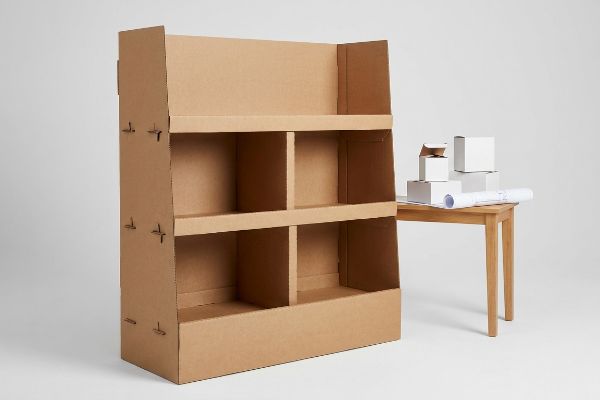
لكن معرفة نظرية طي الورق لا تكفي عندما تبدأ الآلات المؤتمتة بالعمل وتقترب المواعيد النهائية. دعونا نستعرض الجوانب العملية لجعل أول وحدة لديك تقف بشكل مستقيم.
ما هي الخطوات الخمس لإنشاء شاشة عرض؟
لا تدع المواعيد النهائية الصارمة في قطاع التجزئة تجبرك على تخطي مراحل التحقق الأساسية.
تتضمن الخطوات الخمس لإنشاء شاشة عرض: تحديد الحجم المبدئي، والهندسة الهيكلية، وصنع نموذج أولي أبيض، وتخطيط الرسومات قبل الطباعة، والتصنيع بكميات كبيرة. يضمن اتباع هذا التسلسل الدقيق التحقق الكامل من سلامة الهيكل قبل أن تلامس أي حبر سائل لوحة الكرتون المموجة النهائية على خط الإنتاج.
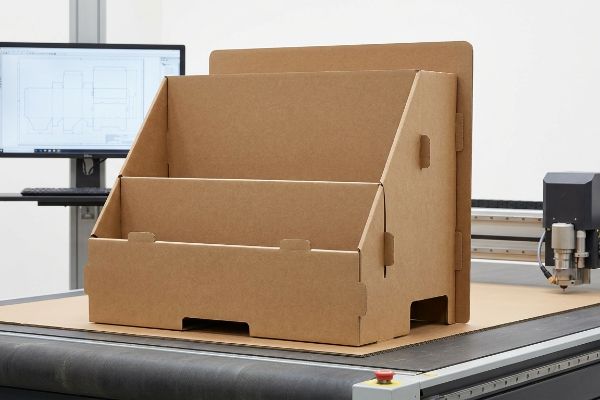
إن الانتقال الخطي عبر هذه المراحل يمنع الأخطاء الكارثية من الوصول إلى أرضية المصنع.
دورة حياة عرض البيع بالتجزئة لمدة 60 يومًا
ألاحظ أن بعض العلامات التجارية تحاول اختصار مدة إطلاق المنتج من 60 يومًامرحلة العينات البيضاء غير المطبوعة. فهي تطلب من مصمميها تحويل الرسومات ثنائية الأبعاد إلى هيكل مفاهيمي، ثم الانتقال مباشرةً إلى الطباعة الرقمية.
أعلم أنك تحت ضغط الالتزام بمواعيد التسليم النهائية، لكن تجاهل التحقق من سلامة الهيكل يُعدّ فخًا. في مصنعي، أرى باستمرار عروضًا مطبوعة بجودة عالية تنهار لأن مصمم الجرافيك لم يختبر فعليًا أجزاء التعشيق. أطبق قاعدة صارمة: يجب عليك الموافقة أولًا على نموذج أولي فارغ مُصمم باستخدام برنامج التصميم بمساعدة الحاسوب (CAD) ومقطّع على طاولة كونغسبيرغ. إن سماع صوت شفط الفراغ العالي لطاولة القطع CNC (التحكم العددي بالحاسوب) أثناء تقطيعها لوح الكرافت الأولي هو صوت تقليل المخاطر. يضمن التحقق من سلامة الهيكل الأساسي عدم تمزق الأجزاء السفلية عند وضع البضائع الثقيلة،مما يوفر عليك إعادة العمل على الدفعة المطبوعة بالكامل.
| أخطاء شائعة للمبتدئين | الحل الاحترافي | فوائد أرضية البيع بالتجزئة |
|---|---|---|
| تصميم الرسومات قبل الاختبار الهيكلي | اطلب عينة بيضاء فارغة من برنامج التصميم بمساعدة الحاسوب (CAD) أولاً | يتحقق من قدرة التحميل بأمان3 |
| دمج مرحلة ما قبل الطباعة مع النماذج الأولية المادية | عزل الفيزياء الهيكلية عن الفن البصري | يمنع عمليات إعادة الطباعة المكلفة |
| تجاهل الأوزان الدقيقة للمنتج أثناء النماذج الأولية | اختبر العينة ببضائع ثقيلة حقيقية | يضمن عدم ترهل الطبقة الأساسية4 |
أرفض طباعة ورقة واحدة من ورق الاختبار حتى تثبت الحسابات الهيكلية الأساسية أنه يمكنه تحمل الوزن على الأرض.
🛠️ مكتب هارفي: هل أنت غير متأكد من أن الجدول الزمني الذي وضعته يتيح مساحة كافية للاختبارات العملية المناسبة؟ 👉 اطلب مراجعة للجدول الزمني ↗ — تواصل مباشر مع مكتبي. أعدك بعدم تلقي أي رسائل تسويقية آلية مزعجة.
ما هي أنواع الشاشات الخمسة؟
إن اختيار التنسيق الخاطئ يضمن إيداع منتجك في المستودع الخلفي.
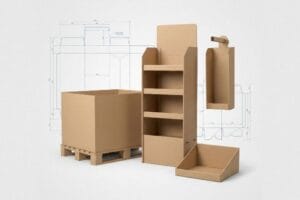
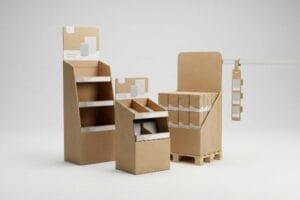
تتضمن أنواع العرض الخمسة منصات أرضية، ووحدات عرض على الطاولات، ووحدات عرض على منصات نقالة كبيرة، وصواني جاهزة للعرض على الرفوف، وشرائط تعليق. يستهدف كل نوع منها منطقة بيع بالتجزئة محددة، ويتكيف مع القيود المكانية المختلفة، وأنماط حركة المتسوقين، والمتطلبات القانونية الصارمة للمتاجر الكبيرة فيما يتعلق بالوصول الأمامي والارتفاع الأقصى.
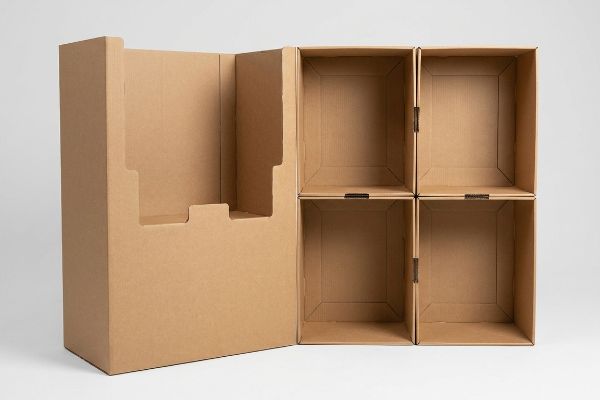
إن مطابقة تصميمك مباشرة مع مساحة الأرضية المتاحة لدى المشتري هي أسهل طريقة للحصول على الموافقة.
التنقل بين المنصات الجزئية وتنسيقات الأرضيات
تفترض العديد من العلامات التجارية الناشئة أن إحداث تأثير كبير يتطلب وحدة عرض ضخمة بمساحة 48×40 بوصة (121.9×101.6 سم)5.إنهم يصممون مساحة عرض هائلة، على افتراض أن بائع التجزئة سيتنازل بسعادة عن مساحة مميزة عند التقاطعات.
عندما يسألني المشترون عن تنسيق العرض الأنسب، أنصحهم دائمًا بالنظر أولًا إلى المساحة الفعلية للمتجر. غالبًا ما يُرفض عرض كامل المساحة المتاحة في المتجر فورًا نظرًا لمحدودية مساحة الممرات. لذا، أوصي بتصميم منصات عرض جزئية ، بتقسيم القاعدة إلى أرباع أبعادها 24×20 بوصة (60.9×50.8 سم) . عندما تتجول في المتجر وتشعر بمقاومة منصة عرض ربعية كثيفة ومربعة تمامًا وهي تُثبّت في رفّ مشترك، ستدرك أن استغلال المساحة الأمثل هو الحل الأمثل. يتيح لك هذا النهج الجزئي عرض المنتجات معًا بسلاسة، مما يقلل من مخاطر المتجر ويزيد بشكل كبير من فرصك في الحصول على الموقع المرموق.
| أخطاء شائعة للمبتدئين | الحل الاحترافي | فوائد أرضية البيع بالتجزئة |
|---|---|---|
| بافتراض أن المنصات الأكبر حجماً تضمن مبيعات أفضل | قواعد ربع منصة نقالة هندسية 7 | يؤمّن مساحة الممرات ذات الحصص المحدودة للغاية |
| وحدات أرضية قابلة للتركيب لمناطق الدفع الضيقة | التحول إلى وحدات عرض المنتجات المتوافقة مع معايير السلامة | يفي بحدود الوصول الأمامي وفقًا لقانون الأمريكيين ذوي الإعاقة (ADA)8 |
| تجاهل فرص التسويق المشترك | صمم قواعد معيارية لتشارك أغطية الأطراف | يحسن بشكل كبير قبول تجار التجزئة |
أصمم عروض المنتجات لتناسب الواقع اللوجستي للتاجر، وليس فقط قائمة رغبات العلامة التجارية الجمالية.
🛠️ مكتب هارفي: هل أنت قلق من أن مساحة متجرك الحالية ستؤدي إلى رفض تلقائي من قبل مديري المتاجر؟ 👉 احصل على مراجعة لتصميم المساحة ↗ — حمّل الملف بأمان. صندوق رسائلي مفتوح إذا كانت لديك أي أسئلة لاحقًا.
كيفية إنشاء نموذج أولي بسيط؟
إن رسم مربع على الشاشة يختلف تماماً عن هندسة هيكل يعمل فعلياً.
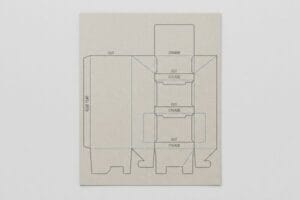
يتطلب إنشاء نموذج أولي بسيط تثبيت طبقة قالب مصممة هندسيًا أسفل الرسومات المرئية. فبدلاً من رسم المكونات المتشابكة يدويًا في تطبيقات الويب الأساسية، يجب استيراد ملف بارامتري مُدقَّق رياضيًا لضمان مراعاة سماكة الكرتون القياسية أثناء عملية الطي.
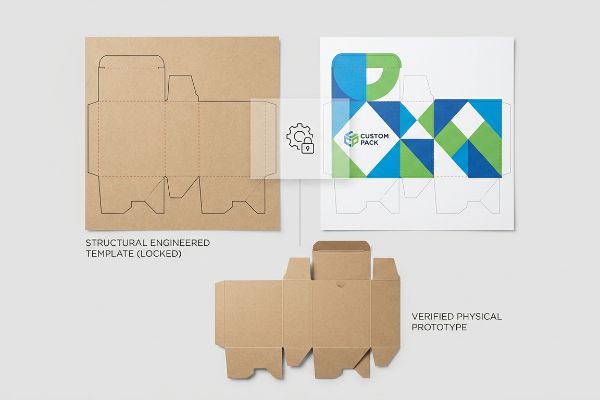
بمجرد تثبيت المعادلات الرياضية الهيكلية المعتمدة، يمكنك تصميم الرسومات السطحية بثقة تامة.
الهروب من فخ أدوات الويب ثنائية الأبعاد
غالباً ما تحاول الشركات الناشئة توفير المال من خلال تكليف المصممين برسم هياكل العرض من الصفر باستخدام أدوات ويب أساسية قائمة على الحوسبة السحابية. ينتج عن ذلك خطوط متجهة غير متصلة أو صور نقطية مسطحة،على افتراض أن آلات المصنع ستعرف تلقائياً كيفية طيها.
أتفهم جاذبية العمل السريع باستخدام برامج الرسومات المألوفة، لكن رسم هيكل ثلاثي الأبعاد على لوحة ثنائية الأبعاد يتجاهل فيزياء سُمك المواد. فعند طي لوح من الورق المقوى المموج بزاوية 90 درجة، يستهلك ذلك 1.5 ملم من المادة . وعندما أختبر هذه الملفات غير الاحترافية في قسم التقطيع، أرى عمال التعبئة والتغليف يبذلون جهدًا كبيرًا في طي الورق المقوى حتى يسمعوا صوت تمزق ألياف الكرافت الخام. القاعدة الأساسية هي طلب ملف PDF مُقفل مُنشأ من برنامج متخصص في الهياكل أولًا . ثم تضع رسوماتك فوق هذا الهيكل المُثبت، مما يضمن محاذاة الفتحات دون الحاجة إلى استخدام شريط لاصق شفاف قبيح لتثبيته.
| أخطاء شائعة للمبتدئين | الحل الاحترافي | فوائد أرضية البيع بالتجزئة |
|---|---|---|
| رسم خانات مخصصة في أدوات الويب الأساسية | استخدم ملفات CAD المُنشأة بشكل بارامتري | يضمن قفل اللسان بدقة |
| تجاهل استهلاك طي اللوحة | قم بتطبيق بدلات انحناء محددة للفرجار | يمنع تمزق سطح الورق |
| إرسال خطوط هيكلية نقطية غير متصلة | قم بتوفير مسارات متجهة للألوان الموضعية المطلقة | يضمن قطع القوالب الآلي النظيف |
أقوم بقفل الطبقة الهيكلية قبل تطبيق أي رسومات حتى تبقى العمليات الحسابية الفيزيائية سليمة تمامًا.
🛠️ مكتب هارفي: هل ترسل ملفات أدوات الويب المسطحة إلى الطابعة وتأمل أن تُقفل علامات التبويب بالفعل؟ 👉 احصل على قالبك البارامتري ↗ — لا نماذج تُسبب مكالمات مبيعات لا تنتهي. قيمة خالصة فقط.
كيفية تصميم عرض للمنتجات؟
إن الانتقال من إنتاج عينة واحدة إلى الإنتاج الضخم يُدخل متغيرات فيزيائية جديدة تمامًا.
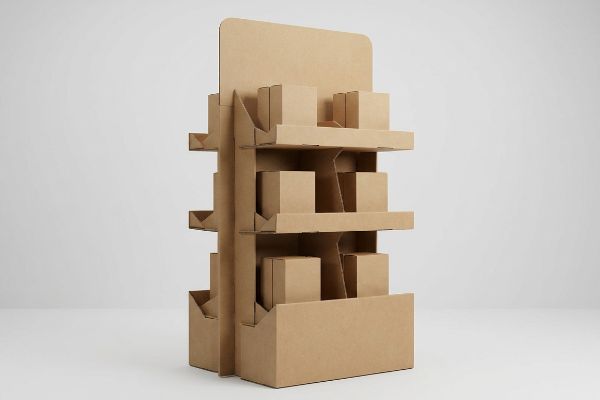
يُحوّل تصميم منصة عرض المنتج تصميمك من بيئة رقمية مُتحكّم بها إلى سلاسل توريد مادية غير متوقعة. تتضمن عملية التصنيع قطعًا دقيقًا بالقوالب، وتغليفًا آليًا، وهندسة صارمة لتحمل الرطوبة لضمان سلامة الهيكل النهائي في مواجهة أحمال البضائع الثقيلة وشحن الحاويات لمسافات طويلة.
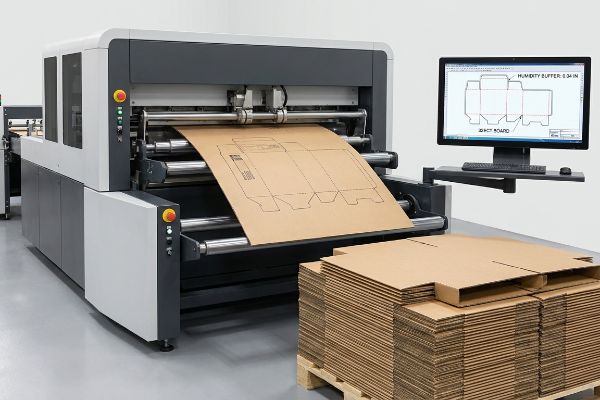
إن جعل وحدة واحدة تعمل في المختبر أمر سهل، ولكن إليك الحقيقة القاسية عندما تقوم بشحن 500 وحدة منها إلى مناخات مختلفة.
لماذا تفشل قوالب القطع القياسية في أرضية المصنع؟
حتى فرق المشتريات المخضرمة غالباً ما توافق على تصميمات القوالب الهيكلية بناءً على قياس سُمك لوح الاختبار الجاف المطلق. فهم يختبرون عينة بيضاء نقية في غرفة اجتماعات مُكيّفة، ويفترضون أن 500 وحدة مُنتجة بكميات كبيرة ستُجمّع بنفس السلاسة والسهولة.
هذا ليس مجرد كلام نظري، بل أراه يحدث فعلاً في قسم الاختبارات عند شحن البضائع إلى المستودعات الساحلية الرطبة. في منشأتي، أختبر بشكل روتيني ألواح الكرتون المموجة 32ECT (اختبار مقاومة الحواف) التي امتصت الرطوبة أثناء الشحن البحري. يتمدد الورق المسامي، محولاً فتحة الاستقبال المصممة بدقة 3.17 مم إلى مصيدة صلبة. عند قياس التمدد باستخدام الميكرومتر، يكون التماسك شديداً لدرجة أن عمال التعبئة يضطرون إلى ثني الطبقة العلوية المطبوعة أثناء محاولتهم إجبار الأجزاء على الالتصاق ببعضها. من خلال تطبيق هامش رطوبة تلقائي 1 مم في تصميم CAD قبل قطع القوالب، أتخلص تماماً من هذا الاحتكاك. يضمن هذا التعديل الدقيق انخفاض وقت التجميع بما يصل إلى 30 ثانية لكل وحدة، مما يقلل بشكل كبير من تكاليف العمالة خلال عمليات التعبئة واسعة النطاق.
| أخطاء شائعة للمبتدئين | الحل الاحترافي | فوائد أرضية البيع بالتجزئة |
|---|---|---|
| التصميم بدقة تامة وفقًا لسمك اللوح الجاف المطلق | صمم جهازًا رياضيًا لتخزين الرطوبة | يمنع تعطل علامات التبويب أثناء الإعداد |
| تجاهل التورم الناتج عن الرطوبة المحيطة في المستودعات | أضف تفاوتات دقيقة لخلوص الفتحة | يمنع شركات التعبئة والتغليف من سحق الفلوتات |
| إلقاء اللوم على فرق التجميع في تمزق المعروضات | اضبط خط القالب الهيكلي ميكانيكيًا | يقلل بشكل كبير من وقت العمل اليدوي |
أقوم بتصميم معايير التفاوتات لأسوأ ظروف بيئة المستودعات، بحيث يبدو منتجك دائمًا في حالة ممتازة على أرضية المستودع.
🛠️ مكتب هارفي: لا تدع عيبًا هيكليًا بحجم 2 مليمتر يُفسد إطلاقًا ضخمًا لـ 500 متجر. 👉 أرسل لي ملف تصميم القالب ↗ — سأُجري اختبارات دقيقة للحسابات قبل أن تُهدر ميزانيتك على الإنتاج الضخم.
خاتمة
يمكنك تجاهل قوانين رطوبة الجو، ولكن عندما يتمدد الكرتون المموج غير المعالج في مستودع رطب، فإن الاحتكاك الهيكلي الناتج يُبطئ خط التجميع بنسبة تُقدر بـ 30%، ويُبدد هامش ربح مشروعك تمامًا بسبب إعادة العمل اليدوي. يستخدم أكثر من 500 مدير علامة تجارية قائمة التحقق الخاصة بي قبل الطباعة لتجنب هذه الأخطاء القاتلة في المراحل المبكرة. توقف عن التخمين بشأن التفاوتات، ودعني أُجري شخصيًا تدقيقًا مجانيًا لخطوط القطع ↗ لاكتشاف الأخطاء الجسيمة قبل الإنتاج.
"الجداول الزمنية لبرامج عرض المنتجات في متاجر التجزئة - فرانك ماير"، https://www.frankmayer.com/blog/retail-display-program-timelines/. [يُمكن لدليل معياري في مجال تصنيع نقاط البيع (POP) أن يُؤكد المدة النموذجية لدورة إطلاق عرض منتجات التجزئة]. دور الدليل: التحقق من الحقائق؛ نوع المصدر: دليل صناعي. يدعم: الجدول الزمني القياسي لإنتاج العروض. ملاحظة: قد تختلف الجداول الزمنية بناءً على مدى تعقيد المشروع. ↩
"أعطال عرض المنتجات في متاجر التجزئة: مشاكل التصميم الهيكلي - لينكدإن"، https://www.linkedin.com/posts/paxsolutions_packaging-display-fail-activity-7448039212622254080-5eMb. [تنص معايير التغليف الصناعية على ضرورة التحقق من سلامة المكونات الحاملة للوزن، مثل أغطية القاعدة، هيكليًا لمنع فشلها تحت أقصى حمولة]. دور الدليل: التحقق الفني؛ نوع المصدر: دليل هندسة التغليف. يدعم: الادعاء بأن التحقق الهيكلي يمنع الفشل المادي للعرض. ملاحظة النطاق: يتعلق بشكل أساسي بمواد الكرتون المموج. ↩
"ما مقدار الحمولة التي يمكن أن تتحملها منصتي؟"، https://unitload.vt.edu/education/white-papers/5-wp-load-carrying-capacity-of-pallets.html. [تنص معايير الصناعة لشاشات نقاط البيع على استخدام عينات بيضاء غير مطبوعة للتحقق من السلامة الهيكلية وقدرة تحمل الحمولة قبل الإنتاج النهائي]. دور الدليل: التحقق الفني؛ نوع المصدر: دليل صناعي. يدعم: فائدة العينات البيضاء للتحقق من صحة الحمولة. ملاحظة النطاق: ينطبق بشكل أساسي على شاشات العرض المصنوعة من الكرتون المموج والبلاستيك. ↩
"كيفية اختبار تجهيزات الأرضيات من حيث قوة تحملها وثباتها..."، https://www.samtop.com/floor-display-load-testing-guide/. [تتطلب المواصفات الفنية لتجهيزات متاجر التجزئة إجراء اختبارات تحمل الوزن باستخدام عينات منتجات فعلية لمنع تشوه المواد وانهيار القاعدة الهيكلي]. دور الدليل: التحقق المادي؛ نوع المصدر: دليل هندسي. يدعم: ضرورة الاختبار بأوزان البضائع الفعلية. ملاحظة: تختلف النتائج بناءً على كثافة المواد وامتداد الرف. ↩
منصات GMA "48×40" | أكبر مصنّع ومورّد لمنصات التحميل، https://www.palletone.com/products/gma-pallets/. [يؤكد دليل لوجستي أو تجاري موثوق أن 48×40 بوصة هو البعد القياسي لمنصات GMA المستخدمة لعرض المنتجات في متاجر التجزئة في أمريكا الشمالية]. دور الدليل: المواصفات الفنية؛ نوع المصدر: دليل معايير الصناعة. يدعم: الأبعاد القياسية لوحدات العرض الأرضية. ملاحظة النطاق: ينطبق بشكل أساسي على أسواق أمريكا الشمالية. ↩
"أنواع عرض المنصات: كاملة، نصف، وربع - GreenDot Packaging"، https://greendotpackaging.com/understanding-pallet-display-types-full-half-and-quarter-pallet-displays/. [تؤكد مواصفات الصناعة لأبعاد عرض نقاط البيع (POP) القياسات القياسية لقواعد ربع المنصة]. دور الدليل: مواصفات فنية؛ نوع المصدر: دليل صناعي. يدعم: الأبعاد الدقيقة لأقسام المنصات الجزئية. ملاحظة: قد تختلف المعايير قليلاً بين أنظمة المنصات في أمريكا الشمالية (GMA) وأوروبا. ↩
"ما هي أحجام المنصات القياسية ولماذا هي مهمة؟"، https://crateandpack.com/what-are-standard-pallet-sizes-and-why-does-it-matter/. [تحدد أدلة الخدمات اللوجستية وسلاسل التوريد في قطاع التجزئة الأبعاد المحددة ومتطلبات تحمل الأحمال لقواعد المنصات الجزئية المستخدمة في الممرات ذات الحركة المرورية العالية]. دور الدليل: مواصفات فنية؛ نوع المصدر: معيار صناعي. يدعم: المتطلبات الهندسية لقواعد المنصات ذات البصمة المصغرة. ملاحظة: قد تختلف الأبعاد قليلاً حسب تفضيلات بائع التجزئة. ↩
معايير قانون الأمريكيين ذوي الإعاقة للتصميم المُيسّر، الباب الثالث، اللائحة 28 CFR...، https://www.ada.gov/law-and-regs/design-standards/1991-design-standards/. [تُحدد معايير قانون الأمريكيين ذوي الإعاقة الرسمية للتصميم المُيسّر الحد الأقصى المسموح به للارتفاع والعمق للوصول الأمامي لضمان سهولة الوصول لمستخدمي الكراسي المتحركة]. دور الدليل: الامتثال التنظيمي؛ نوع المصدر: لائحة حكومية. يدعم: الادعاء بأن منصات عرض المنتجات على الطاولات تُلبي قوانين سهولة الوصول. ملاحظة النطاق: ينطبق تحديدًا على إرشادات قانون الأمريكيين ذوي الإعاقة الفيدرالية الأمريكية. ↩
"الصور المتجهة مقابل الصور النقطية: اختيار التنسيق المناسب"، https://pavilion.dinfos.edu/Article/Article/2223089/vector-vs-raster-images-choosing-the-right-format/. [تشير الأدلة المرجعية المعتمدة في مجال التصنيع باستخدام الحاسب الآلي والتغليف الصناعي إلى أن معدات الطي الآلية تتطلب متجهات ذات مسارات مغلقة أو بيانات بارامترية بدلاً من الخطوط المفتوحة أو الصور النقطية لتنفيذ عمليات طي دقيقة]. دور الدليل: المواصفات الفنية؛ نوع المصدر: دليل التصنيع. يدعم: الادعاء بأن مخرجات أدوات الويب الأساسية غير كافية لآلات المصانع. ملاحظة النطاق: يركز على عمليات التصنيع الصناعية الآلية.] ↩
[ملف PDF] صلابة انحناء الورق المقوى المموج، https://www.fpl.fs.usda.gov/documnts/pdf1992/luo92a.pdf. [تؤكد المواصفات الفنية لأنواع الورق المقوى المموج السماكة القياسية وبدل الطي للورق المقوى من النوع E]. دور الدليل: المواصفات الفنية؛ نوع المصدر: دليل هندسي. يدعم: متطلبات سماكة المادة للطي. ملاحظة: قد تختلف السماكة الفعلية قليلاً حسب الشركة المصنعة. ↩
قوالب تصميم قوالب الصناديق في مجال التغليف: ملف PDF جاهز للتحميل...، https://packhit.com/packaging/dieline/template/. [تُعطي معايير الصناعة في هندسة التغليف الأولوية للبرامج البارامترية لإنشاء قوالب التصميم لضمان السلامة الهيكلية بدلاً من الرسم اليدوي ثنائي الأبعاد]. دور الدليل: أفضل الممارسات في الصناعة؛ نوع المصدر: معيار مهني. يدعم: سير العمل القياسي لإنشاء النماذج الأولية. ملاحظة النطاق: ينطبق على التغليف الصناعي المموج. ↩
[ملف PDF] مواصفات الكرتون المموج - رابطة صناديق الألياف، https://www.fibrebox.org/assets/2025/09/Walmart_Corrugated-Board_Specifications_Automation_Packaging_Standards.pdf. [دليل المواصفات الفنية الصناعية أو دليل هندسة التغليف يحدد قدرة تحمل الأحمال الهيكلية والخصائص الفيزيائية للكرتون المموج 32 ECT]. دور الدليل: مواصفات فنية؛ نوع المصدر: معيار صناعي. يدعم: اختيار المواد لعرض المنتجات. ملاحظة النطاق: ينطبق تحديدًا على معايير الكرتون المموج. ↩
"اختبار الخصائص الفيزيائية لمواد التغليف - إنترتك"، https://www.intertek.com/packaging/testing/physical-and-mechanical-properties/. [توفر أدلة هندسة التغليف أو أدلة التصميم الهيكلي التفاوتات الموصى بها لإزاحات خطوط القطع لمراعاة التمدد الاسترطابي في المواد الورقية]. دور الدليل: أفضل الممارسات الهندسية؛ نوع المصدر: دليل فني. يدعم: تخفيف التصاق المواد أثناء التجميع. ملاحظة النطاق: قد تختلف قياسات التخزين المؤقت الدقيقة بناءً على درجة المادة والظروف البيئية. ↩