يؤدي اختيار مواد عرض خاطئة في متاجر التجزئة إلى إهدار ميزانية حملتك التسويقية. سواءً كان العرض مؤقتًا أو دائمًا، فإن عدم توافق هيكل العرض مع دورة حياة المتجر يضمن هدرًا في تكاليف الشحن ورفضًا قاطعًا من قِبل تجار التجزئة.
يعتمد اختيار أفضل منصة عرض في متاجر التجزئة على مدة حملتك التسويقية وحجمها اللوجستي. تعمل منصات العرض المؤقتة المصنوعة من الكرتون المموج على زيادة هوامش ربح الشحن للمنتجات المسطحة في الحملات الترويجية القصيرة، بينما تستخدم المنصات الدائمة مواد صلبة في عمليات الإطلاق التي تستمر لعدة أشهر، مما يوازن بين المتانة المادية وتكاليف الشحن والتخزين المرتفعة بشكل ملحوظ.
إن اختيار الركيزة المناسبة ليس مجرد خيار تسويقي، بل هو عملية حسابية لوجستية معقدة. دعونا نحلل كيف تؤثر التكلفة الإجمالية للملكية على الواقع المادي لعمليات طرح المنتجات في متاجر التجزئة.
ما هي أنواع عروض البيع بالتجزئة المختلفة؟
يتجادل مشتري التجزئة باستمرار بين وحدات الورق المقوى المؤقتة، والمراكز البلاستيكية شبه الدائمة، ورفوف الأسلاك المعدنية الدائمة، على افتراض أن الفولاذ شديد التحمل يضمن دائمًا عائدًا أفضل على الاستثمار.
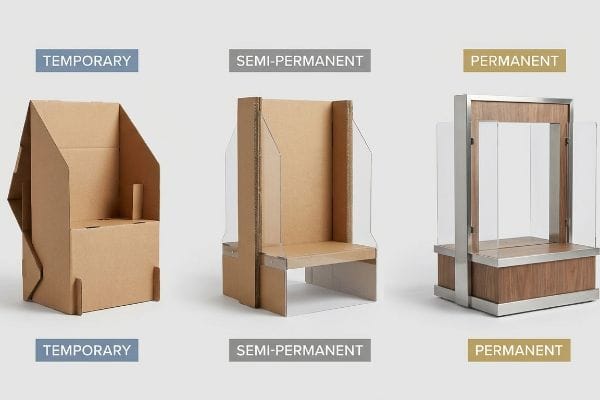
تختلف أنواع العرض في متاجر التجزئة بشكل أساسي حسب مدة صلاحيتها: وحدات عرض مؤقتة من الكرتون المموج لإطلاق المنتجات الموسمية، وصواني أكريليك شبه دائمة للاستخدام متوسط المدى، وتجهيزات معدنية ملحومة دائمة مصممة للتكامل مع الممرات لعدة سنوات.
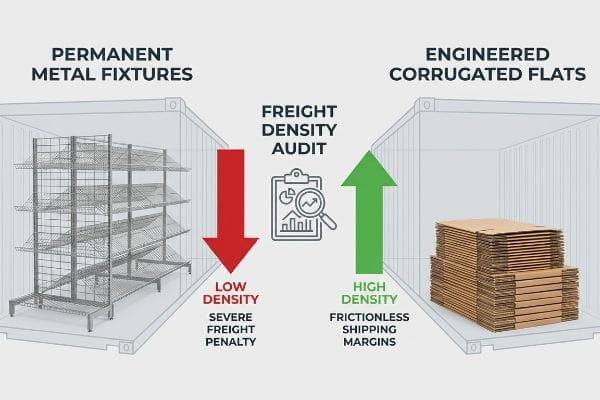
على الرغم من أن المنشآت الدائمة تبدو محصنة ضد الرصاص في التصميم الرقمي، إلا أن وجودها المادي في سلسلة التوريد العالمية غالباً ما يعيق ميزانية الحملة الشاملة.
غرامة الشحن الدائمة للأجهزة
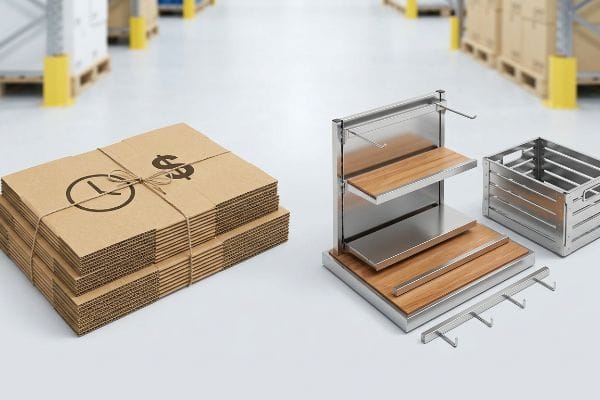
عند تدقيق استراتيجيات الشراء لدى العملاء، ألاحظ باستمرار لجوء العلامات التجارية إلى وحدات العرض المعدنية الملحومة الثابتة FSDU ) في حملات البيع بالتجزئة قصيرة الأجل. حتى المصممون المخضرمون غالبًا ما يتجاهلون الصعوبات اللوجستية الهائلة للأجهزة الثابتة، ظنًا منهم أن الفولاذ الخام يضمن حضورًا أفضل في متاجر التجزئة. والحقيقة أن هذه التركيبات الثابتة لا يمكن طيها،مما يعني أن العلامات التجارية تدفع مبالغ طائلة لشحن مساحات فارغةعبر المحيط.
هذا ليس مجرد كلام نظري، بل أراه يحدث في قسم الخدمات اللوجستية عندما يرفض العملاء تحويل العروض الترويجية المؤقتة إلى عبوات كرتونية مسطحة مصممة هندسيًا لتحمل اختبارات مقاومة السحق (ECT) . في منشأتي، أقوم بتقييم حمولات الحاويات المختلطة المواد بشكل دوري، وأشاهد العلامات التجارية تتكبد خسائر مالية فادحة في شحن منتجات غير مستخدمة. مؤخرًا، أصرّ أحد العملاء على استخدام رفوف سلكية ثابتة لحملة ترويجية موسمية مدتها 12 أسبوعًا. ولأن الوحدات المعدنية كانت تُشحن مُجمّعة بالكامل، لم نتمكن من وضع سوى 250 وحدة تقريبًا في حاوية قياسية بطول 40 قدمًا. تدخلتُ وأعدتُ تصميم الحملة باستخدام هيكلنا الكرتوني المموج شديد التحمل، مع الاستفادة من محاذاة التموجات الرأسية لتتوافق مع حد الحمل الديناميكي المطلوب دون الحاجة إلى الفولاذ. سمح لنا هذا التصميم الهيكلي الجديد بتعبئة 1500 وحدة بشكل مسطح في نفس مساحة الحاوية. باستبدال القطع الثابتة بألواح كرتونية مسطحة مؤقتة، تخلصنا من تكلفة شحن باهظة، مما خفض تكاليف الشحن بنسبة 80% تقريبًا، وعزز بشكل كبير العائد على الاستثمار النهائي للحملة.
| المقياس/الميزة | تركيبات معدنية دائمة | ألواح مسطحة مموجة مصممة هندسيًا |
|---|---|---|
| كثافة الحاوية | حوالي 250 وحدة مجمعة5 | حوالي 1500 وحدة مُعبأة بشكل مسطح6 |
| مواءمة الحملة | عمر افتراضي يمتد لعدة سنوات | حملات موسمية تتراوح مدتها بين 6 و 12 أسبوعًا7 |
| القيمة اللوجستية | غرامة شحن باهظة | هوامش شحن سلسة |
أرفض السماح للعلامات التجارية بإفلاس عمليات إطلاق منتجاتها بسبب استغلال المساحات الفارغة في الشحن. إن تصميم هيكل مؤقت عالي الأداء يحقق نفس التأثير في متاجر التجزئة مع توفير كامل لمساحة التخزين.
🛠️ مكتب هارفي: هل تُؤثر تجهيزاتك الثابتة الثقيلة سلبًا على عائد استثمارك في الشحن قبل وصولها إلى المتجر؟ 👉 اطلب تدقيقًا لكثافة الشحن ↗ — أراجع كل ملف هيكلي شخصيًا خلال 24 ساعة.
ما هي أنواع الشاشات الخمسة؟
إن فهم فئات التجار لا يقتصر على الجوانب الجمالية فحسب؛ بل يحدد أين وكيف ينجو منتجك من البيئة المادية التنافسية لمتجر بيع بالتجزئة كبير الحجم.
تشمل أنواع العرض الخمسة وحدات أرضية قائمة بذاتها، وصواني نقاط البيع الموضوعة على أسطح الطاولات، ووحدات عرض المنتجات في نهاية الممرات، وأغطية رفوف جاهزة للعرض على منصات نقالة، ومنظمات رفوف داخلية. تتطلب كل فئة دقة عالية في المواد المستخدمة وهندسة دقيقة للمساحة لضمان ملاءمتها لموقعها المحدد داخل بيئة متاجر التجزئة الكبيرة.
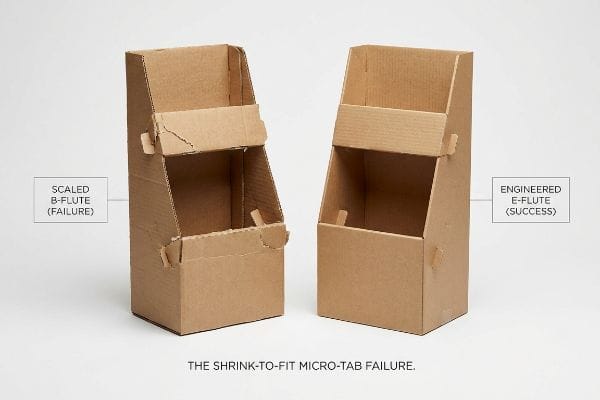
لكن الفخ القاتل يحدث عندما تحاول العلامات التجارية أخذ شكل عرض ناجح واحد وتقليصه رياضياً ليناسب فئة أخرى دون تحديث الركيزة المادية.
فشل اللسان الصغير القابل للانكماش
في منشأتي، أرى باستمرار فرق المشتريات تحاول أخذ ملف تصميم بمساعدة الحاسوب (CAD) لعرض أرضي متين، ثم تصغيره بنسبة 50% ليُستخدم كوحدة عرض على سطح الطاولة. إنه فخ شائع يقع فيه حتى المشترون ذوو الخبرة الذين يفترضون أن ملف المتجهات الموحد يعمل بسلاسة مع جميع أبعاد متاجر التجزئة. إنهم يتجاهلون تمامًا السماكة الفعلية للكرتون المموج الخامعند تصغير أنصاف أقطار الطي وعلامات التعشيق إلى أبعاد متناهية الصغر.
هذا ليس مجرد كلام نظري، فقد رأيت هذا يحدث على أرض الواقع عندما يتم إدخال لوح قياسي من نوع B-flute بسمك 3.04 مم (0.12 بوصة) في فتحات تثبيت مصغرة مصممة لصينية تسجيل صغيرة. عندما قمنا بتشغيل وحدة أرضية مصغرة بنسبة 50% على طاولة القطع CNC (التحكم الرقمي بالحاسوب)، لم تتمكن التموجات الكثيفة من الانحناء بسلاسة على هذا الحجم المصغر. انكسرت الورقة العلوية على الفور على طول خطوط الطي، وتمزقت الألسنة لأن المقاومة الفيزيائية للوح السميك تغلبت على الهندسة الصغيرة. علمتني خبرتي التي تمتد لعشرين عامًا في هذا المجال أنه لا يمكنك إجبار مادة أرضية على التكيف مع مساحة نقاط البيع. تدخلتُ بإجراء ترقية إلزامية للمواد، حيث قمت بتغيير التصميم إلى لوح رقيق من نوع E -flute بسمك 1.52 مم (0.06 بوصة) وأعدت هندسة أقفال الاحتكاك بمسافات أضيق. من خلال التحول إلى ركيزة ذات تجاويف دقيقة، حققنا تجميعًا بدون احتكاك أدى إلى القضاء تمامًا على تمزق الطبقة العلوية، مما وفر على فريق التعبئة المشتركة حوالي 45 ثانية من المعاناة لكل وحدة وحماية القيمة البصرية للعلامة التجارية.
| المقياس/الميزة | مزمار سي ذو مقياس | ألياف E-Flute مصممة هندسيًا |
|---|---|---|
| سُمك الفرجار | 3.04 مم11 (كثيف جدًا) | 1.52 مم12 (دقة متناهية) |
| نصف قطر الطي | تمزق الغلاف العلوي | تنظيف الزوايا القائمة (90 درجة)13 |
| سرعة التعبئة المشتركة | احتكاك قوي | قفل تجميع بدون احتكاك |
لا أسمح أبدًا باستخدام قالب وحدة أرضية كصينية سطح طاولة. إن تحويل الركيزة إلى قالب دقيق ذي تموجات صغيرة يضمن بقاء هيكلك المصغر سليمًا أثناء عملية الطي.
🛠️ مكتب هارفي: هل تصميم عرض منتجاتك الحالي على المنضدة هشٌّ للغاية بسبب تصغيرك العشوائي لوحدة أرضية ثقيلة؟ 👉 اطلب تدقيقًا هيكليًا للتصميم ↗ — سريٌّ تمامًا. تصاميمك غير المنشورة في مجال البيع بالتجزئة في أمان معي.
كم تبلغ تكلفة عروض البيع بالتجزئة؟
نادراً ما يتم تحديد السعر بناءً على الكرتون الخام وحده؛ فالتكلفة الحقيقية تتحدد من خلال مدى توازن قدرات التحميل الهيكلية مقابل التشطيبات التجميلية باهظة الثمن.
تختلف تكاليف عرض المنتجات في متاجر التجزئة اختلافًا جذريًا تبعًا لحجم المنتج ونوعه، بدءًا من صواني العرض الرخيصة ذات الإنتاج المحدود وصولًا إلى منصات العرض الأرضية عالية التصميم. ويتعين على فرق المشتريات الموازنة بين مقاومة التلف الناتج عن احتكاك الحواف الخام، والتشطيبات التجميلية، وتكاليف أدوات الإنتاج الضخم، إذ أن إعطاء الأولوية للمظهر الجذاب على حساب السلامة الهيكلية يؤدي حتمًا إلى زيادة التكاليف.
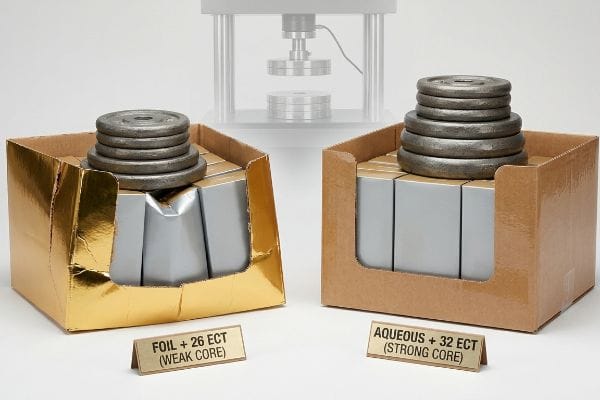
إن أخطر خطأ مالي يمكن أن ترتكبه العلامة التجارية هو تخفيض جودة المواد الهيكلية الأساسية غير المرئية لمجرد تمويل ترقية بصرية براقة.
فخ التدهور في علاجات ECT التجميلية
عند مراجعة وثائق طلبات عروض الأسعار من العملاء، ألاحظ باستمرار قيام المشترين بتخفيض تصنيف مقاومة حواف الكرتون المموج الأساسي لضغط الحواف سرًا لتعويض التكاليف الباهظة للتغليف الكامل برقائق معدنية. فهم يفترضون أن توفير بضعة سنتات على التموجات الداخلية لن يكون مهمًا طالما أن المظهر الخارجي يبدو فاخرًا. هذا يُفقد الهيكل الأساسي كثافة الألياف الأساسية ، تاركًا صندوقًا جميلًا ولكنه مجوف تمامًا وغير مُجهز لتحمل الصدمات الحركية في سلسلة التوريد .
هذا ليس مجرد كلام نظري، فقد تعلمت هذا الدرس بطريقة قاسية العام الماضي عندما طلب أحد العملاء تخفيض جودة اللوحة لتوفير تكلفة طبقة معدنية باهظة الثمن. أتذكر تحديدًا مشاهدتي لمهندس التغليف الرئيسي، مارك، وهو يضع النموذج الأولي المغلف برقائق معدنية على مكبس الضغط الهيدروليكي. ولأن التموجات الداخلية قد تم تقليصها إلى ما يعادل 26 ECT لتوفير المال، افتقر الهيكل إلى القوة الهندسية اللازمة لتحمل الحمل العلوي. عند قوة ضغط لأسفل مقدارها 187.5 رطل (85.04 كجم)بالضبط، انبعجت الجدران الجانبية الجميلة المغلفة برقائق معدنية بشكل كارثي تحت محاكاة جهاز اختبار مولين، مما أدى إلى انفصال الطبقة النهائية الممتازة بشكل كبير. كان الفشل قائمًا على قوانين الفيزياء. أمرت مارك على الفور بإعادة معايرة آلة القطع الدوارة وإعادة الركيزة إلى معيار 32 ECT الأصلي.أزلنا طبقة الرقائق المعدنية الثقيلة باهظة الثمن واستبدلناها بطبقة مائية لامعة عالية المتانة والصلابة توفر نفس الانعكاس الممتاز. أستثمر الوقت والمال في مختبري للاختبارات حتى لا تتأثر أرباحك في المتجر. من خلال استعادة قوة اللوح الخام وتعديل التركيب الكيميائي للسطح، تمكّنا من القضاء على خطر السحق الكارثي مع خفض تكاليف الصيانة بشكل كبير، مما أدى إلى إلغاء مسؤولية النقل للمشروع تمامًا.
| المقياس/الميزة | رقائق معدنية مصفحة + 26 ECT | لمعان مائي + 32 ECT |
|---|---|---|
| حمل الضغط | فشل عند وزن 187.5 رطل18 | نجت من الأحمال العلوية الثقيلة |
| تكلفة المواد | انتفاخ تجميلي مبالغ فيه | الاستثمار الهيكلي الرشيق |
| مخاطر سلسلة التوريد | خطر كبير لانفصال الطبقات19 | نجاة الشحنات دون أي ضرر |
أقوم بإزالة طبقات التغليف التجميلية السميكة التي تُضعف متانة قاعدة القارب. كما أن ترقية الأخاديد الداخلية باستخدام طلاءات مائية ذكية تُضفي مظهرًا جماليًا فاخرًا دون المساس بسلامة الشحنة.
🛠️ مكتب هارفي: هل تخفي طبقات التغليف المعدنية باهظة الثمن لوحًا مجوفًا هيكليًا سيتعرض للكسر أثناء النقل البحري؟ 👉 احصل على التحقق من مواصفات المواد ↗ — بدون وسطاء. تتحدث مباشرةً مع مهندسي الإنشاءات.
كيفية عرض المنتجات في متجر بوتيك؟
تتطلب المتاجر الراقية تجربة لمس فاخرة، مما يدفع العلامات التجارية إلى تغليف صواني نقاط البيع الخاصة بها بأغشية ناعمة الملمس عالية الجودة تغير بشكل جذري فيزياء الضوء المطبوع.
يتطلب عرض المنتجات في المتاجر المتخصصة إعطاء الأولوية للتشطيبات الملموسة والتصميم الهندسي البسيط على حساب الفوضى البصرية الشائعة في الأسواق التجارية. تستخدم العبوات الفاخرة طبقات تغليف حرارية ناعمة الملمس وألواحًا دقيقة محفورة بدقة لخلق مظهر جمالي فاخر عالي التباين، مما يضمن للبائع تعزيز قيمة المنتج تحت الأضواء الكاشفة في متاجر التجزئة.
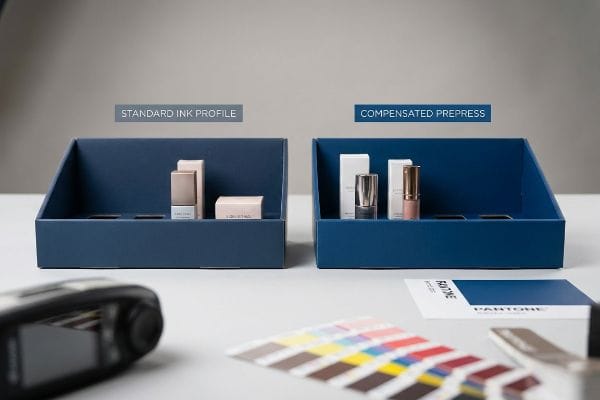
ومع ذلك، فإن تغليف الشاشة ببوليمرات فاخرة ذات ملمس مخملي يُدخل فخًا كيميائيًا خطيرًا يمكن أن يدمر تمامًا لوحة الألوان التي تم معايرتها بعناية لعلامتك التجارية.
تأثير التعتيم البصري اللمسي
في منشأتي، أرى باستمرار وكالات تصميم تطلب تغليفًا حراريًا فاخرًا ناعم الملمس لعلب المنتجات، ظنًا منها خطأً أن هذه الطبقة الملموسة لن تؤثر بصريًا على أصباغ CMYK (السماوي، والأرجواني، والأصفر، والمفتاح). إنه فخ شائع يقع فيه حتى فرق التصميم الجرافيكي المخضرمة التي تصمم حصريًا على شاشات بإضاءة خلفية. إنهم يتجاهلون تمامًا البنية البوليمرية ثنائية المحور المجهرية للغشاء الناعم الملمس،والتي تعمل فعليًا كطبقة ماصة للضوء تعمل على تشتيت إضاءة المتاجرالمحيطة.
هذا ليس مجرد كلام نظري، بل أراه يحدث فعلاً في قسم الاختبارات عندما نسحب عينات الألوان المادية لعلامات تجارية فاخرة لمستحضرات التجميل. مؤخراً، قدم فريق المشتريات لوناً مطابقاً تماماً لألوان بانتون لعرضه في أحد المتاجر، لكنه رفض تعديله بسبب التغليف الحراري. عندما قمت بقياس الطيف الضوئي للعينات الأولية، تبين أن الفيلم قد أدى إلى تغميق الألوان المطبوعة بنسبة 4.8% بالضبط، مما تسبب في فشل كبير في مطابقة الألوان (Delta-E) مع العينات الرقمية المعتمدة. بعد أن سمح لي فريق المشتريات بتعديل برنامج معالجة الصور النقطية (RIP) قبل الطباعة، قمت بتصحيح دقيق قائم على البيانات. قمت بتعديل اللون بشكل جذري من خلال إضافة 11% من اللون السماوي إلى لون الحبر الأساسي قبل تطبيق التغليف. من خلال تطبيق منحنى تعديل الألوان الصارم هذا في مرحلة ما قبل الطباعة، ضمنّا دقة مثالية لألوان البيع بالتجزئة، مما حال دون إعادة طباعة مكلفة للإنتاج الضخم، وضمن أن عرض المتجر يطابق تماماً هوية العلامة التجارية الفاخرة.
| المقياس/الميزة | ملف تعريف الحبر القياسي | ما قبل الطباعة المدفوع الأجر |
|---|---|---|
| التأثير البصري | يصبح اللون أغمق بنسبة 5% تقريباً22 | مخرج متوازن تمامًا |
| مطابقة دلتا-إي23 | فشل ذريع في الامتثال | استنساخ دقيق لألوان بانتون |
| تأثير الإنتاج | مخاطر إعادة الطباعة الجماعية المكلفة | الموافقة الصحفية الأولية |
لا أسمح أبدًا للتغليف الفاخر أن يُخفي ألوان علامتك التجارية. يضمن استخدام معايرة دقيقة باستخدام جهاز قياس الطيف الضوئي في مرحلة ما قبل الطباعة أن تظل شاشات العرض الخاصة بك خالية من العيوب البصرية تحت أي إضاءة.
🛠️ مكتب هارفي: هل يؤدي التغليف الفاخر ذو الملمس الناعم إلى تغميق ألوان شركتك بشكل ملحوظ والتسبب في مشاكل كبيرة في معايرة الألوان؟ 👉 اطلب تدقيقًا لمعايرة الألوان قبل الطباعة ↗ — أقوم بمراجعة كل ملف هيكلي شخصيًا خلال 24 ساعة.
خاتمة
الاعتماد على افتراضات عامة دون حساب التكاليف اللوجستية الحقيقية للعروض الدائمة مقابل المؤقتة سيؤدي في النهاية إلى تدمير أرباح حملتك. كشفت مراجعة هندسية دقيقة مؤخرًا عن خطأ فادح في التفاوت المسموح به (2 مم) في عملية طرح وطنية واسعة النطاق قبل بدء الإنتاج. بدلًا من إهدار الميزانية على تكاليف الشحن غير الضرورية أو مشاكل في تصميم الألواح الصغيرة، دعني أُجري شخصيًا تدقيقًا مجانيًا لملفاتك الهيكلية من خلال تحليل لوجستي وكثافة الشحن ↗ لضمان تحقيق التوازن الأمثل بين التأثير البصري وكثافة الحاويات المربحة في حملة الترويج التالية.
"العروض الدائمة في متاجر التجزئة مقابل العروض المؤقتة"، https://www.tuscomfg.com/permanent-retail-displays-vs-temporary-retail-displays/. تأكيد فني على أن تجهيزات متاجر التجزئة المعدنية الملحومة تفتقر إلى ميزات الطي الموجودة في العروض الكرتونية المموجة أو المعيارية. دور الدليل: التحقق الفني؛ نوع المصدر: دليل تصنيع تجهيزات متاجر التجزئة. يدعم: القيد المادي الذي يؤدي إلى عدم كفاءة الشحن. ملاحظة النطاق: ينطبق على الوحدات الفولاذية الملحومة غير المعيارية. ↩
"الوزن الحجمي: ما هو وكيف يُسهم في توفير تكاليف الشحن؟"، https://shipperhq.com/blog/volumetric-weight. تحليل لكيفية زيادة تسعير الوزن الحجمي (وزن الأبعاد) في الشحن الدولي لتكاليف الأجهزة غير القابلة للطي. دور الدليل: برهان اقتصادي؛ نوع المصدر: معايير صناعة الخدمات اللوجستية. يدعم: التكلفة المالية لشحن وحدات العرض الصلبة. ملاحظة النطاق: يتعلق تحديدًا بتكاليف الشحن البحري والجوي. ↩
[ملف PDF] مواصفات الكرتون المموج - رابطة صناديق الألياف، https://www.fibrebox.org/assets/2025/09/Walmart_Corrugated-Board_Specifications_Automation_Packaging_Standards.pdf. يشرح هذا الملف المعيار الصناعي لقياس قوة الضغط للكرتون المموج لتحديد مدى ملاءمته للأحمال الثقيلة. دور الدليل: مواصفات فنية؛ نوع المصدر: معيار صناعة التغليف. يدعم: جدوى استخدام مواد ذات مقاومة ضغط عالية كبدائل هيكلية للتركيبات الدائمة. ملاحظة: القياس بالرطل لكل بوصة. ↩
"دراسة تأثير صلابة سطح المنصة على الكرتون المموج..."، https://pmc.ncbi.nlm.nih.gov/articles/PMC8585293/. يصف هذا البحث المبدأ الهندسي الذي يُحسّن فيه توجيه التموجات عموديًا مقاومة السحق وقدرة تحمل الأحمال للعرض. دور الدليل: مبدأ تقني؛ نوع المصدر: دليل في علم المواد. يدعم البحث الادعاء بأن إعادة تصميم الهيكل يمكن أن تحاكي قوة المعدن. ملاحظة: يركز البحث على الضغط المحوري. ↩
"أرفف حاويات التخزين، والخزائن، والمزيد - أي تعديل تحتاجه"، https://www.advancedcontainer.com/shipping-container-modification/storage-container-shelving/. التحقق من العدد النموذجي للتركيبات المعدنية الدائمة المُجمَّعة بالكامل والتي تتسع في حاوية شحن قياسية لتحديد عدم كفاءة الشحن. دور الدليل: التحقق الكمي؛ نوع المصدر: معيار صناعة الخدمات اللوجستية. يدعم: كثافة الحاويات للتركيبات المعدنية. ملاحظة النطاق: يختلف بناءً على أبعاد التركيبات. ↩
"تخطيط التغليف والخدمات اللوجستية لعروض البيع بالتجزئة - فرانك ماير"، https://www.frankmayer.com/blog/packaging-and-logistics-planning-for-retail-displays/. التحقق من العدد النموذجي للوحدات في كل حاوية من عبوات الكرتون المموج المسطحة لإثبات كفاءة الحجم. دور الدليل: التحقق الكمي؛ نوع المصدر: بيانات سلسلة التوريد. يدعم: كثافة الحاويات للكرتون المموج المسطح. ملاحظة النطاق: يخضع لسمك المادة والتصميم. ↩
"عروض البيع بالتجزئة المؤقتة وشبه الدائمة والدائمة"، https://www.tphinc.com/custom-point-of-purchase-pop-pos-retail-store-displays-packaging-blog/temporary-semi-permanent-permanent-pallet-displays/. التحقق من المدة القياسية في الصناعة لحملات عروض الكرتون المؤقتة في نقاط البيع. دور الدليل: التحقق من معايير السوق؛ نوع المصدر: تحليل تسويق التجزئة. يدعم: مواءمة الحملة مع الألواح الكرتونية المموجة. ملاحظة النطاق: يختلف باختلاف ذروة الموسم. ↩
"التصميم الأمثل لتغليف الكرتون المموج ذي الجدار المزدوج - PMC"، https://pmc.ncbi.nlm.nih.gov/articles/PMC8950760/. تشرح مصادر هندسة التغليف الموثوقة كيف أن سُمك المادة (الفرجار) يمنع تغيير أبعاد نصف قطر الطي وأبعاد اللسان في تصاميم CAD بشكل خطي. دور الدليل: التحقق الفني؛ نوع المصدر: دليل هندسة التغليف. يدعم: الادعاء بأن تغيير أبعاد التصاميم ببساطة يفشل بسبب القيود الفيزيائية للمادة. ملاحظة النطاق: ينطبق تحديدًا على ركائز الكرتون المموج. ↩
"الكرتون المموج وأنواع المواد - استراتيجيات التغليف"، https://www.packagingstrategies.com/articles/96269-corrugated-board-and-material-grades. التحقق من سُمك الكرتون المموج من النوع B القياسي في الصناعة لتأكيد المواصفات الفنية. دور الدليل: المواصفات الفنية؛ نوع المصدر: معيار صناعة التغليف. يدعم: خصائص مادة الكرتون المموج من النوع B. ملاحظة: قد توجد اختلافات طفيفة بين الشركات المصنعة. ↩
[ملف PDF] مواصفات الورق المقوى المموج - الأرشيف الوطني، https://www.archives.gov/files/preservation/storage/pdf/corrugated-board.pdf. التحقق من سُمك الورق المقوى المموج من نوع E (الورق المموج الدقيق) وفقًا لمعايير الصناعة لتأكيد المواصفات الفنية. دور الدليل: المواصفات الفنية؛ نوع المصدر: معيار صناعة التغليف. يدعم: خصائص مادة الورق المقوى المموج من نوع E. ملاحظة: قد توجد اختلافات طفيفة بين الشركات المصنعة. ↩
"الدليل الشامل لصناديق الكرتون المموج - شور باكيدجينج"، https://www.shorr.com/resources/blog/ultimate-guide-corrugated-boxes/. المواصفات الفنية لسمك سماكة الكرتون المموج من النوع B القياسي للتحقق من كثافة المادة. دور الدليل: التحقق؛ نوع المصدر: معيار صناعي؛ يدعم: ادعاء سمك المادة. ملاحظة: قد تختلف القيم النموذجية قليلاً حسب الشركة المصنعة. ↩
شرح أنواع تموجات الكرتون المضلع: أ، ب، ج، هـ، و، https://www.onyxpackaging.com/blog/corrugated-box-flute-types.php. المواصفات الفنية لسمك التموجات من النوع هـ القياسي للتحقق من دقة القياسات. دور الدليل: التحقق؛ نوع المصدر: معيار صناعي؛ يدعم: ادعاء سمك المادة. ملاحظة: قد تختلف القيم النموذجية قليلاً باختلاف الشركة المصنعة. ↩
"تغليف ذو تموجات دقيقة | علب كرتونية EF N-Flute - نتباك"، https://www.netpak.com/en/packaging-resources/industry-articles/micro-flute-packaging-efn-flute/. تحليل مقارن لحجم التموجات بالنسبة لدقة الطي وحدّة الزوايا في عروض البيع بالتجزئة. دور الدليل: التحقق الفني؛ نوع المصدر: دليل هندسة التغليف؛ يدعم: أداء نصف قطر الطي. ملاحظة النطاق: يعتمد على طريقة التقييم. ↩
"تقدير مقاومة سحق الحواف للكرتون المموج باستخدام..."، https://pmc.ncbi.nlm.nih.gov/articles/PMC9961700/. توضح الوثائق الفنية الخاصة بمعايير الكرتون المموج كيفية ارتباط مقاومة سحق الحواف بكثافة الألياف وقدرة تحمل الأحمال الرأسية. دور الدليل: التحقق الفني؛ نوع المصدر: معيار صناعي/دليل هندسي. يدعم: العلاقة بين انخفاض مقاومة سحق الحواف والخسائر الهيكلية. ملاحظة النطاق: ينطبق على ركائز الكرتون المموج أحادية الجدار وثنائية الجدار. ↩
[ملف PDF] تغليف الكرتون المموج بتصميم مبتكر لتحسين...، https://bioresources.cnr.ncsu.edu/wp-content/uploads/2026/01/BioRes_21_1_2229_Tworzydlo_PSMPGG_Corrugated_Packaging_Design_Durability_Transport_25399.pdf. تُظهر دراسات هندسة اللوجستيات والتغليف أن انخفاض تصنيفات مقاومة الصدمات الكهربائية (ECT) يزيد من معدلات الفشل أثناء الصدمات والضغط أثناء النقل. دور الدليل: إثبات سببي؛ نوع المصدر: دراسة لوجستية مُحكّمة. يدعم: الادعاء بأن التخفيضات الهيكلية تؤدي إلى فشل الشحن. ملاحظة النطاق: التركيز على قوى الضغط والصدمات. ↩
"تقدير قوة الضغط لصناديق الكرتون المموج..."، https://pmc.ncbi.nlm.nih.gov/articles/PMC8467740/. توفر المواصفات الفنية للكرتون المموج 26 ECT (اختبار سحق الحافة) عتبات قوة الضغط اللازمة للتحقق من صحة نقطة الفشل هذه. دور الدليل: التحقق؛ نوع المصدر: دليل هندسي. يدعم: حدود الفشل الهيكلي للركائز ذات اختبار سحق الحافة المنخفض. ملاحظة النطاق: تختلف نقاط الفشل الدقيقة بناءً على شكل التموج وأبعاد الصندوق. ↩
شرح تصنيفات ECT: ما تعنيه لتغليف الكرتون المموج...، https://epackagesupply.com/blogs/packaging-guide/ect-ratings-explained-what-they-mean-for-your-corrugated-packaging?srsltid=AfmBOoqfyuvd260qdCf7XBLP2cYcuM60THMYBEHcWQKPT9VI420yl4WK. تُعرّف معايير صناعة التغليف 32 ECT كمعيار للسلامة الهيكلية في شاشات العرض التجارية الحاملة للأحمال. دور الدليل: المقارنة المعيارية؛ نوع المصدر: معيار صناعي. يدعم: الحد الأدنى لقوة الركيزة في بيئات البيع بالتجزئة. ملاحظة النطاق: ينطبق بشكل أساسي على ألواح الكرتون المموج أحادية الجدار. ↩
"طرق اختبار وتأثيرات انبعاج الحواف - BioResources"، https://bioresources.cnr.ncsu.edu/resources/overview-of-recent-studies-at-ipst-on-corrugated-board-edge-compression-strength-testing-methods-and-effects-of-interflute-buckling/. بيانات اختبار فنية تُثبت نقطة الفشل الهيكلي للكرتون المموج 26 ECT عند معالجته برقائق معدنية. دور الدليل: التحقق التجريبي؛ نوع المصدر: تقرير اختبار هندسي. يدعم: عتبة قدرة التحميل المحددة للمواد. ملاحظة النطاق: خاص بتركيبة المواد الموصوفة. ↩
"منع انفصال الطبقات في التغليف المرن"، https://www.packagingimpressions.com/post/building-strong-bonds-preventing-delamination-flexible-packaging/. شرح فني لفشل الالتصاق بين طبقات الرقائق المعدنية والركائز المموجة في عروض البيع بالتجزئة. دور الدليل: المواصفات الفنية؛ نوع المصدر: دليل صناعة التغليف. يدعم: العلاقة بين تشطيبات الرقائق المعدنية التجميلية وعدم استقرار المواد. ملاحظة النطاق: يتعلق بقوة ترابط الرقائق. ↩
"تأثيرات المعالجة الحرارية على مورفولوجيا الأغشية في البوليمر ثنائي المحور..."، https://pmc.ncbi.nlm.nih.gov/articles/PMC12174661/. التحقق التقني من اتجاه البوليمر في الصفائح الناعمة الملمس لتأكيد الخصائص الهيكلية للمادة. دور الدليل: المواصفات الفنية؛ نوع المصدر: كتاب في علم المواد أو ورقة بيانات فنية من الشركة المصنعة. يدعم: التركيب الفيزيائي للغشاء. ملاحظة النطاق: يتعلق تحديدًا بمتغيرات البولي بروبيلين ثنائي المحور (BOPP). ↩
"إدراك المحفزات اللونية في وجود تشتت الضوء - PubMed"، https://pubmed.ncbi.nlm.nih.gov/16962002/. شرح علمي لكيفية تسبب الأسطح غير اللامعة في انعكاس منتشر، مما يقلل من السطوع والتشبع الظاهريين للأصباغ الأساسية. دور الدليل: مبدأ فيزيائي؛ نوع المصدر: دليل في الفيزياء البصرية أو علم الألوان. يدعم: الادعاء بأن الأغشية الملموسة تُغير بصريًا أصباغ CMYK. ملاحظة النطاق: يركز على الانتقال من الانعكاس المرآوي إلى الانعكاس المنتشر. ↩
"ما هي تقنية التغليف الناعم في صناعة العبوات؟ دليل مفصل"، https://shoprigidboxes.com/what-is-soft-touch-lamination/?srsltid=AfmBOoqB_02CQX16yEUQIsr1TAGMbbcr3zf-tv_vDorETd6KXOYQa8_A. التحقق الفني من كيفية تأثير التغليف الناعم على انكسار الضوء وكثافة اللون المُدركة. دور الدليل: المواصفات الفنية؛ نوع المصدر: دليل صناعة الطباعة. يدعم: التغير الكمي في درجة التعتيم البصري. ملاحظة: قد يختلف النطاق حسب سُمك الفيلم. ↩
"ما هي دقة الألوان في التغليف؟ مطابقة ألوان بانتون، دلتا إي..."، https://3dcolor.com/what-is-color-accuracy-in-packaging-pantone-matching-delta-e-and-why-brand-color/. شرح لمقاييس دلتا إي المستخدمة لتحديد فرق اللون في طباعة التغليف الفاخر. دور الدليل: معيار فني؛ نوع المصدر: مجلة علمية متخصصة في الألوان. يدعم: متطلبات التعويض قبل الطباعة لتحقيق دقة ألوان بانتون. ملاحظة النطاق: يتعلق تحديدًا بفرق اللون المُدرَك. ↩