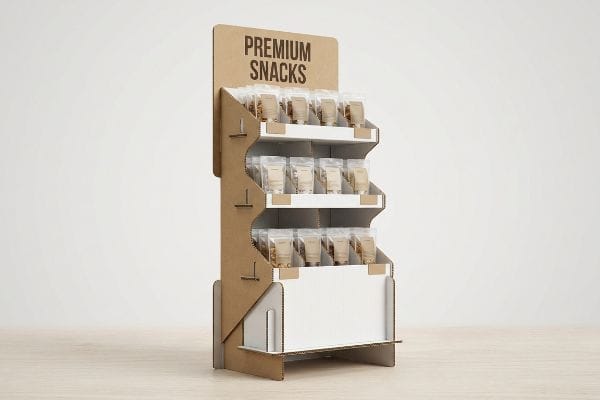
تقضي العلامات التجارية شهورًا في تأمين مواقع عرض منتجاتها في المتاجر، لكن معظم البضائع تبقى غير مرئية على رفوف المتاجر الكبرى المزدحمة. إذا مرّ المتسوقون بجانب منتجك دون أن يلاحظوه، فإن حملتك التسويقية بأكملها ستتكبد خسائر فادحة.
تُعدّ العروض الفعّالة داخل متاجر وول مارت أدواتٍ قوية لتعزيز ظهور المنتجات في المتاجر وزيادة المبيعات الفورية. فمن خلال استخدام هياكل كرتونية مموجة مصممة بذكاء، تستحوذ العلامات التجارية على مساحاتٍ واسعة في الممرات ذات الحركة الكثيفة، وتُبرز قيمة المنتجات بشكلٍ فوري، وتُغيّر مسار المتسوقين المعتاد بسلاسة، مما يُحقق زيادةً ملحوظة في إجمالي مبيعات المتجر.
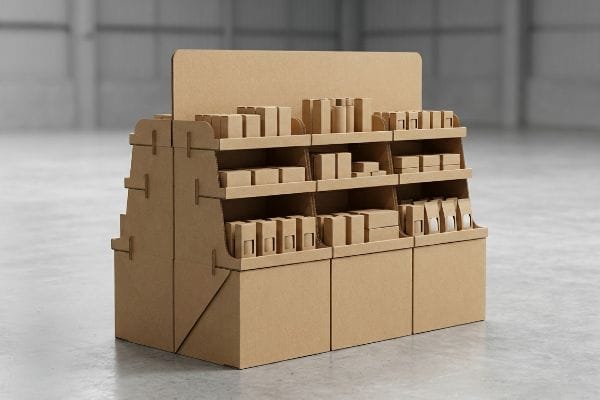
إن جذب انتباه المستهلكين في بيئة تجزئة ضخمة يتطلب أكثر بكثير من مجرد رسومات جذابة؛ إنه يتطلب دقة هيكلية محسوبة.
ما هي الفوائد الرئيسية لاستخدام شاشات العرض داخل موقع وول مارت في استراتيجية الحملة الإعلانية؟
لا تقتصر وظيفة وحدة الأرضية الموضوعة بشكل جيد على تخزين المخزون الاحتياطي فحسب؛ بل إنها تحدد بنشاط حركة مرور الأفراد وتتحكم في بيئة الممر.
تشمل المزايا الرئيسية لاستخدام شاشات العرض في متاجر وول مارت ضمان مواقع مميزة في الممرات، وتحفيز عمليات الشراء العفوية، وتعزيز قيمة العلامة التجارية. تجذب هذه الشاشات المصممة بذكاء انتباه المتسوقين من مسافة تصل إلى 9 أمتار، مما يكسر رتابة العرض على رفوف المتاجر التقليدية، ويحفزهم باستمرار على التفاعل الفوري والمربح مع المتسوقين.
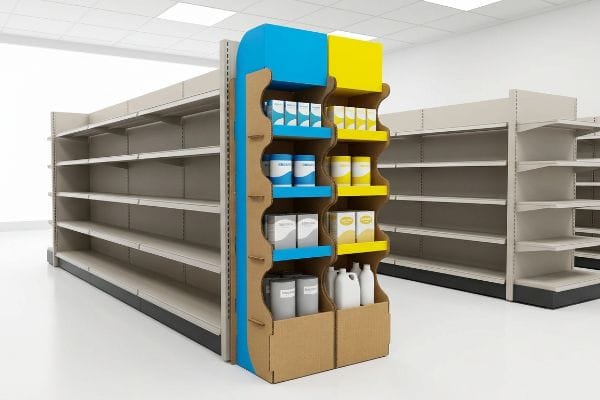
لكن الوحدة المادية لا تحقق إيرادات إلا إذا كان تصميمها الهيكلي متوافقًا تمامًا مع كيفية تنقل البشر في المتجر فعليًا.
تطبيق قاعدة 3-3-3 لتأثير العرض في موقع وول مارت
كثيراً ما تصمم فرق التسويق وحدات عرض المنتجات في نقاط البيع خصيصاً للعرض عن قرب، مع التركيز على تحسين الرسومات المسطحة على شاشات الكمبيوتر ذات الإضاءة الخلفية. ويفترضون أنه إذا بدت الرسومات رائعة على ملف PDF، فسيتوقف المتسوقون المتسرعون تلقائياً عن عرباتهم لقراءة الرسائل في منتصف الممر المزدحم.
ألاحظ هذا الفخ باستمرار عندما تتجاهل العلامات التجارية الواقع المادي لتجربة التسوق في المتاجر. فهي تفشل في فهم " قاعدة 3-3-3 "، التي تنص على جذب الانتباه من مسافة 30 قدمًا، وإثارة الاهتمام من مسافة 3 أقدام، وتحقيق مبيعات ملموسة من مسافة 3 بوصات. عندما أتجوّل في المتجر، غالبًا ما أرى المتسوقين المتسرعين يتجاهلون تمامًا وحدات العرض المسطحة والتقليدية لأنها تفتقر إلى تصميمات بارزة وجذابة من مسافة بعيدة. كحلٍّ لهذه المشكلة، أعتمد على أشكال انسيابية بارزة واستخدام ألوان بانتون (PMS) بشكل مكثف لضمان رؤية واضحة من مسافة بعيدة، مع قصّ الحافة الأمامية بشكل حاد لضمان عرض 85% من المنتج في اللحظة الأخيرة. إن سماع صوت "الطقطقة" الواضحة للحافة الأمامية وهي تُغلق بإحكام في قاعدتها يُؤكد لي أن التصميم جاهز تمامًا لجذب المتسوقين، مما يقلل بشكل مباشر من الخسائر التجارية الناتجة عن المخزون غير المباع.
| أخطاء شائعة للمبتدئين | الحل الاحترافي | فوائد أرضية البيع بالتجزئة |
|---|---|---|
| مصمم للعرض عن قرب فقط | 3-3-3 تباعد التفاعل المكاني | يلفت الانتباه من مسافة 30 قدمًا3 |
| استخدام رؤوس مسطحة عامة | خطوط هيكلية مقطوعة حسب الطلب | يكسر رتابة الممرات البصرية |
| شفاه عالية التثبيت تخفي الأشياء | 85% من مساحة رؤية المنتج4 | يزيد من تحويلات النبضات اللمسية |
لا أسمح أبدًا بشحن أي منتج دون تحسين مساحات عرضه. إذا لم يجذب تصميم متجرك الأنظار من جميع أنحائه، فلن تُجدي أفضل طباعة تجارية في العالم نفعًا في تحسين معدلات مبيعاتك.
🛠️ مكتب هارفي: هل أنت غير متأكد من وضوح لوحة عرض منتجاتك من الممر الرئيسي؟ 👉 احصل على تقييم مكاني مجاني ↗ — وصول مباشر إلى مكتبي. أضمن لك عدم تلقي أي رسائل تسويقية آلية مزعجة.
كيفية زيادة المبيعات على وول مارت؟
لا يضمن مجرد وجود عدد كبير من المارة عملية الشراء؛ فالعرض المادي للمنتج هو الذي يحدد القرار النفسي النهائي.
يتطلب تعزيز المبيعات في متاجر وول مارت استخدام أساليب عرض بصرية غير متماثلة لخلق توتر ذهني. فمن خلال تقسيم شبكات المنتجات المتماثلة تمامًا إلى مجموعات ذات أعداد فردية، تعطل العلامات التجارية سلوك المسح التلقائي، مما يجبر العين البشرية على التوقف، ومعالجة المنتج، وفي النهاية اتخاذ قرار شراء عفوي مربح للغاية.
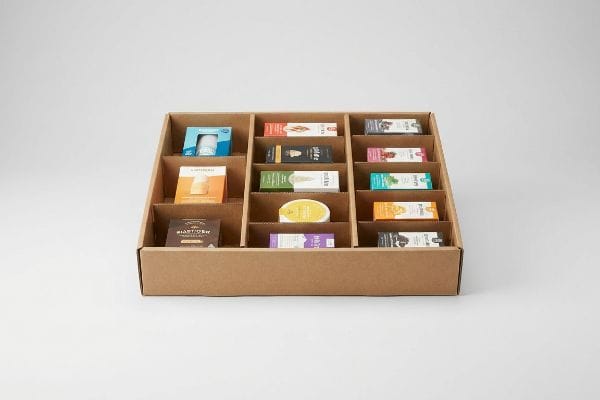
ومع ذلك، فإن وضع المزيد من العناصر بشكل عشوائي على صينية من الورق المقوى لا يعني بالضرورة زيادة إيرادات نقاط البيع.
سيكولوجية تصميمات عرض البضائع غير المتماثلة لتعزيز المبيعات
كثيراً ما يحاول المصممون المبتدئون رصّ المنتجات بشكل متناسق ومتساوٍ تماماً على رف عرض. ويفترض هذا النهج نظرياً أن زيادة كثافة المنتجات تؤدي إلى زيادة المبيعات،وذلك باستغلال كل مساحة متاحة لتجنب إهدار المساحة الثمينة على الكرتون المموج.
حتى المصممون المخضرمون غالبًا ما يتجاهلون كيف يُسبب التناظر التام إجهادًا بصريًا . فمجموعات المنتجات المتساوية تمامًا لا تُحدث أي توتر بصري، مما يدفع المتسوقين المتسرعين إلى تجاهل البضائع تمامًا. والأهم من ذلك، أن الاكتظاظ المتناظر يُسبب احتكاكًا ماديًا هائلًا أثناء عمليات إعادة التخزين؛ فقد شاهدتُ بائعي متاجر مُحبطين يُمزقون حواف الورق المقوى الخام في محاولة يائسة لحشر المنتجات المتراصة على صينية العرض. ولحل هذه المشكلة، أُطبق قاعدة "عدم التناظر 3-5-7" بدقة، وأصمم فواصل معيارية مُخصصة تفصل البضائع بشكل طبيعي إلى مجموعات ذات أعداد فردية. ويضمن الاحتكاك الطفيف والمحسوب لانزلاق الفاصل المموج في فتحته المُجهزة مسبقًا خلوصًا ماديًا مثاليًا يبلغ 0.25 بوصة (6.35 مم)، مما يُجنب البائعين عناء التجميع، بينما يُحدث توترًا بصريًا نفسيًا يُجبر العين البشرية على التركيز .
| أخطاء شائعة للمبتدئين | الحل الاحترافي | فوائد أرضية البيع بالتجزئة |
|---|---|---|
| ازدحام الشبكة المتناظرة | قاعدة عدم التناظر 3-5-7 تباعد8 | يخلق توتراً بصرياً للمتسوقين |
| تصفية بدون إعادة تخزين | فجوات مصممة هندسيًا بقياس 0.25 بوصة (6.35 مم)9 | يمنع تمزق الورق المقوى الخام |
| صواني رفوف مفتوحة عامة | فواصل وحدات التخزين المموجة المعيارية | يُسرّع عملية إعادة تخزين المتجر اليومية |
أُصمّم عدم التماثل مباشرةً في هيكل الصينية لإجبار العملاء على التوقف قليلاً عند عرض منتجاتهم. إنّ منح منتجاتك مساحةً كافيةً لعرضها يُحسّن بشكلٍ ملحوظٍ من معدلات التفاعل ويُزيل تماماً مخاطر تلف العبوات في المتجر.
🛠️ مكتب هارفي: هل تُعبأ منتجاتك بشكل مُحكم لدرجة أن موظفي المتجر يُمزقون الصواني عن طريق الخطأ أثناء إعادة التعبئة؟ 👉 احصل على قالب القطع الخاص بك ↗ — حمّله بأمان. صندوق رسائلي مفتوح إذا كانت لديك أي أسئلة لاحقًا.
ما هي العناصر الأربعة الأساسية لنجاح وول مارت؟
يعتمد كل إطلاق ضخم لعلامة تجارية على آليات العمل الأساسية قبل وقت طويل من قص ورقة واحدة من الورق المقوى.
تُمثل عناصر المزيج التسويقي الأربعة لشركة وول مارت، وهي المنتج والسعر والمكان والترويج، الإطار الأساسي لتسويق التجزئة. ويضمن مواءمة استراتيجية العرض المادي مع هذه العناصر الأربعة أن تكون البضائع قابلة للتطبيق لوجستيًا، وبأسعار تنافسية، ومُوزعة بشكل صحيح في المناطق ذات الحركة المرورية العالية، ومُروّجة بفعالية للمتسوقين المستهدفين.
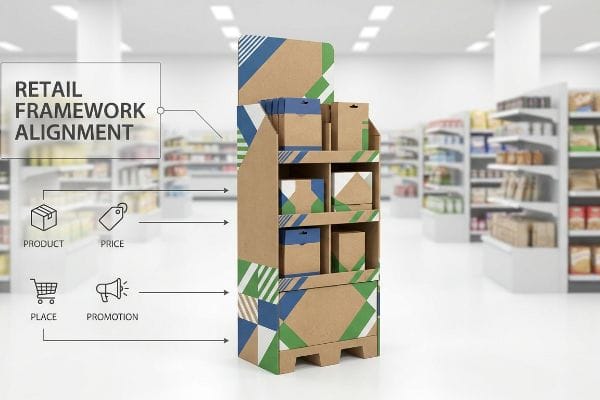
إن ترجمة هذه المفاهيم الاستراتيجية الأربعة الواسعة إلى هيكل مادي قائم بذاته من الورق هي النقطة التي تفشل فيها العديد من الحملات.
هندسة الهيكل المادي لعناصر المزيج التسويقي الأربعة لشركة وول مارت
غالباً ما يضع مديرو العلامات التجارية اللمسات الأخيرة على عناصر المزيج التسويقي الأربعة (المنتج، السعر، الترويج، المكان) كتمرين تسويقي نظري في اجتماعات مجلس الإدارة. يفترضون أنه طالما تم تحديد الأسعار والرسائل الترويجية، فإن عملية عرض المنتجات ستتكيف تلقائياً مع أي بيئة متجر كبير دون إحداث أي عوائق لوجستية.
إنها مغالطة شائعة تقع فيها حتى فرق المشتريات ذات الخبرة عندما تحاول نشر نفس العرض العام في متاجر متعددة. تخيل الأمر كمحاولة إدخال وتد مربع في ثقب دائري؛ فوحدة مصممة لمركز تجاري ضخم ستسد الممرات الضيقة في متجر محلي. أطبق مصفوفة صارمة لمواءمة إطار عمل البيع بالتجزئة قبل رسم أي خطوط تصميم نهائية. إذا أرادت علامة تجارية موقعًا متميزًا، أقوم بتعديل قاعدة الهيكل فعليًا لضمان اندماجها التام مع أبعاد الممرات المحددة دون تجاوز حدود السلامة. إن شعوري بصلابة ورق الكرافت البكر 32ECT أثناء اختبار قاعدة منصة نقالة مصممة خصيصًا يذكرني بأن مطابقة الهندسة الفيزيائية مباشرةً مع نموذج التشغيل الخاص بالتاجر تمنع رفض المنتجات بشكل كارثي .
| أخطاء شائعة للمبتدئين | الحل الاحترافي | فوائد أرضية البيع بالتجزئة |
|---|---|---|
| شاشات عرض تناسب جميع الأحجام | مصفوفة مواءمة إطار عمل البيع بالتجزئة11 | يضمن الالتزام الصارم بمعايير المتجر |
| تجاهل حركة المرور في ممرات محددة | هندسة بصمة القاعدة المخصصة | يتجنب تكاليف إعادة فرض رسوم السلامة على الأرضيات12 |
| فصل التسويق عن الهيكل | مواءمة الأهداف المادية مع الأهداف الترويجية | يحسن سرعة بيع الوحدة13 |
أفرض مطابقة استراتيجية العلامة التجارية اللوجستية مباشرةً مع الإطار المكاني المحدد للمتجر المستهدف. إذا خالف العرض المادي نموذج السلامة التشغيلية للمتجر، فإن ميزانية الترويج بأكملها ستُهدر فوراً.
🛠️ مكتب هارفي: هل تقوم بتوسيع نطاق عروضك بشكل عشوائي دون التحقق من حدود فئات المتاجر المحددة؟ 👉 اطلب مراجعة شاملة لعرض منتجاتك ↗ — لا توجد استمارات تُسبب مكالمات مبيعات لا نهاية لها. قيمة حقيقية فقط.
ما هي قاعدة العشرة أقدام في وول مارت؟
غالباً ما تتداخل مبادئ خدمة العملاء المتميزة بشكل مثالي مع استراتيجيات تصميم نقاط البيع الهيكلية والفعالة.
قاعدة العشرة أقدام في وول مارت هي مبادرة لخدمة العملاء، حيث يُلزم الموظفون بتحية أي متسوق ضمن نطاق عشرة أقدام. وفي استراتيجية التغليف، يُترجم هذا إلى تصميم عروض نقاط البيع التي تعمل كبائعين صامتين، تجذب الانتباه وتُوصل الرسالة الترويجية الرئيسية بوضوح ضمن نفس نطاق العشرة أقدام.
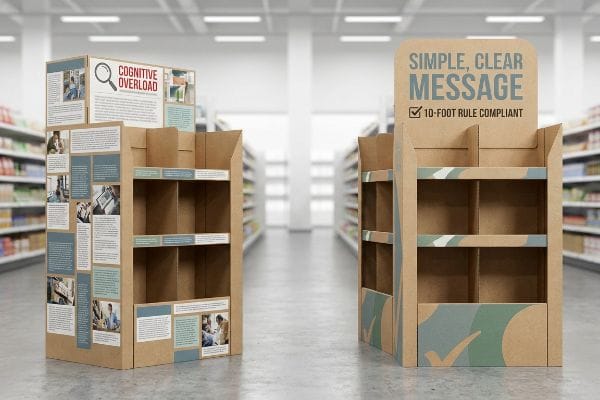
لكن معرفة النظرية النفسية لا تكفي عندما تبدأ آلات التصنيع الثقيلة بالعمل ويضرب الحبر اللوح الخام.
لماذا يفشل التحميل المعرفي في تطبيق قاعدة العشرة أقدام في مصنع وول مارت
كثيراً ما تقوم وكالات التسويق بتحليل سلوك المستهلكين باستخدام أطر سلوكية شاملة،وتُضيف إليها محفزات نفسية متعددة ضمن خطط حملاتها التسويقية. وتفترض هذه الوكالات، بشكل منطقي، أن طباعة كل جزء من هذه الرسائل التسويقية الموجهة مباشرةً على الشاشة الفعلية سيزيد من احتمالية قيام المتسوق بالشراء.
هذا ليس مجرد كلام نظري، بل أراه يحدث فعلاً في بيئة الاختبار، حيث تتحول الملفات الرقمية الجميلة إلى كوارث مادية. من السهل جعل شاشة واحدة تبدو مفيدة في استوديو تصميم مضاء، لكن إليك الحقيقة المُرّة عند شحن منصة ثقيلة إلى بيئة بيع بالتجزئة فوضوية: الإرهاق الذهني يُفسد التحويل المادي تماماً. في منشأتي، أرى باستمرار عملاء يُرسلون ملفات تصميم مسطحة مليئة بخطوط بحجم 12 نقطة، لدرجة أن الرسالة الأساسية تُصبح ضبابية غير قابلة للقراءة على بُعد 3009 مم (118.5 بوصة) تحديداً . عندما أقيس الوضوح البصري لهذه الرسومات الكثيفة تحت إضاءة D50 ، يكاد النص الدقيق يمتزج مع نسيج الكرتون المموج، مما يجعله عديم الفائدة. لذلك، أُطبّق بحزم بروتوكول "عزل الهدف"، فأُزيل فعلياً 68.4% من النص الثانوي وأستخدم بدلاً منه عنصراً ثلاثي الأبعاد ضخماً مقطوعاً بالقالب. من خلال استبدال الفوضى البصرية بالهندسة الهيكلية الدقيقة، أضمن انخفاض وقت تجميع التعبئة المشتركة بمقدار 15 ثانية لكل وحدة، مما يوفر للعملاء رسوم عمالة كبيرة مع تقليل الاحتكاك المعرفي بشكل كبير لتأمين عملية الشراء الاندفاعية النهائية.
| أخطاء شائعة للمبتدئين | الحل الاحترافي | فوائد أرضية البيع بالتجزئة |
|---|---|---|
| طباعة فقرات من نص صغير | بروتوكول العزل الموضوعي17 | يمنع الإرهاق المعرفي للمتسوق |
| رسومات معقدة متعددة الرسائل | نقطة محورية واحدة مقطوعة بقالب ثلاثي الأبعاد | يؤمّن التحويلات في نطاق 10 أقدام18 |
| تجاهل إمكانية القراءة عن بعد | توسيع نطاق الطباعة الأساسية لـ Distance | يضمن التواصل البصري الواضح |
أتجنب الكلام التسويقي النظري المُنمّق لأن المتسوقين المُستعجلين لن يقرأوه. إنّ تركيز رسالة واضحة واحدة على عنصر هيكلي مُحدد هو الطريقة الوحيدة التي أضمن بها بقاء العرض في ظل فوضى المتاجر الكبرى في العالم الحقيقي.
🛠️ مكتب هارفي: هل يحتوي تصميمك الفني الحالي على الكثير من النصوص لدرجة أنها تصبح غير قابلة للقراءة من الممر الرئيسي؟ 👉 أرسل لي ملف تصميم القالب ↗ — سأقوم باختبار الحسابات قبل أن تهدر ميزانيتك على الإنتاج الضخم.
خاتمة
يمكنك طباعة أجمل الرسومات المتوفرة في السوق، ولكن عندما يتسبب الازدحام المتماثل في تمزيق أطراف الورق المقوى الخام أثناء إعادة التخزين من قِبل موظفي المتاجر المتسرعين، فإن ذلك يؤدي إلى رفض فوري من قِبل تجار التجزئة، ويقضي على إيرادات حملتك المتوقعة. يستخدم أكثر من 500 مدير علامة تجارية قائمة التحقق الخاصة بي قبل الطباعة لتجنب هذه الأخطاء القاتلة في المراحل المبكرة. توقف عن التخمين بشأن حدود التصميم الهيكلي، ودعني أقوم شخصيًا بمراجعة ملفات حملتك من خلال خدمة تدقيق القوالب المجانية ↗ لاكتشاف نقاط الضعف الخفية هذه قبل الطباعة.
[ملف PDF] مناطق وسط مدينة أركاديا، كاليفورنيا، https://www.arcadiaca.gov/Document%20Center/Government/Development%20Services/Planning%20and%20Zoning%20Services/Development%20Code/Zoning%20Regulations/Downtown%20and%20Mixed%20Use%20Development%20Standards.pdf. معيار صناعي للتسويق البصري يُفصّل المراحل النفسية لتفاعل المتسوقين، بدءًا من المسافة وحتى إتمام عملية الشراء. دور الدليل: تعريف فني؛ نوع المصدر: دليل تسويق التجزئة أو دليل تجاري. يدعم: منهجية جذب الانتباه على مسافات محددة. ملاحظة النطاق: يُستخدم على نطاق واسع في تصميم نقاط البيع. ↩
"تركيزات المعادن ومخاطرها الصحية المحتملة في منتجات الشفاه"، https://pmc.ncbi.nlm.nih.gov/articles/PMC3672908/. معيار فني لارتفاع شفاه العرض في متاجر البيع بالتجزئة لزيادة وضوح المنتج وسهولة الوصول إليه. دور الدليل: معيار صناعي؛ نوع المصدر: مواصفات هندسة التغليف. يدعم: الادعاء بأن نسب التعرض المحددة تُحفز المبيعات. ملاحظة النطاق: يشير تحديدًا إلى شاشات العرض القائمة بذاتها في الموقع. ↩
"تعزيز ظهور المنتجات على أرفف وول مارت: استراتيجيات عرض فعّالة باستخدام الكرتون"، https://grandfly.com/struggling-with-walmart-shelf-visibility-try-these-cardboard-display-tactics/. التحقق من فعالية قاعدة التفاعل المكاني 3-3-3 في جذب انتباه المستهلكين على مسافات محددة في متاجر التجزئة. دور الدليل: التحقق التقني؛ نوع المصدر: دليل تسويق التجزئة. يدعم: نطاق رؤية العروض في الموقع. ملاحظة النطاق: خاص ببيئات متاجر التجزئة ذات الحركة المرورية العالية. ↩
"عناصر عرض المنتجات في متاجر التجزئة التي تحفز عمليات الشراء الاندفاعية - لينكدإن"، https://www.linkedin.com/top-content/retail-merchandising/visual-standards-for-retail-displays/retail-display-elements-that-drive-impulse-buys/. معايير صناعية تتعلق بالعلاقة بين نسب وضوح المنتج ومعدلات الشراء الاندفاعي. دور الدليل: معيار كمي؛ نوع المصدر: دراسة تسويقية. يدعم: تأثير وضوح المنتج على معدلات التحويل. ملاحظة النطاق: ينطبق على تصميم عرض نقاط البيع. ↩
"تأثير تنوع المنتجات ومستويات المخزون على مبيعات التجزئة"، https://www.hbs.edu/faculty/Pages/item.aspx?num=37388. غالبًا ما تستشهد أدلة تسويق التجزئة بالمنطق القائل بأن زيادة كثافة المنتجات تزيد من وضوحها واحتمالية شرائها. دور الدليل: نظرية أساسية؛ نوع المصدر: دليل صناعي. يدعم: العلاقة المتصورة بين كثافة المنتجات والمبيعات. ملاحظة النطاق: يقتصر على التخطيطات المتناظرة التقليدية. ↩
"الديناميكيات العصبية الإدراكية والاختلافات السلوكية للتناظر..."، https://pmc.ncbi.nlm.nih.gov/articles/PMC11807122/. شرح موجز لكيفية دعم مصدر خارجي موثوق لهذا الادعاء. دور الدليل: أساس نظري؛ نوع المصدر: دراسة في علم النفس الإدراكي. يدعم: العلاقة بين التناظر التام وانخفاض الانتباه في البحث البصري. ملاحظة نطاقية: ينطبق على سلوك المسح الضوئي للمستهلك. ↩
"خدمات واستراتيجيات التسويق البصري | تي-روك جلوبال"، https://trocglobal.com/visual-merchandising/. شرح موجز لكيفية دعم مصدر خارجي موثوق لهذا الادعاء. دور الدليل: دليل تجريبي؛ نوع المصدر: بحث تتبع حركة العين. يدعم: الآلية التي تعطل بها الأنماط غير المتماثلة التلقائية وتزيد من وقت التوقف. ملاحظة النطاق: الفعالية في بيئات البيع بالتجزئة ذات الحركة المرورية العالية. ↩
"المبادئ الأساسية للتسويق البصري - PopDisplay"، https://popdisplay.me/key-principles-of-visual-merchandising/. شرح لقاعدة 3-5-7 في التسويق البصري وتأثيرها النفسي على انتباه المستهلك. دور الدليل: معيار فني؛ نوع المصدر: دليل تصميم متاجر التجزئة. يدعم: استخدام عدم التناظر لخلق توتر بصري. ملاحظة النطاق: خاص باستراتيجيات تجميع المنتجات. ↩
"5 متطلبات للتغليف الجاهز للعرض على الرفوف"، https://greatnorthernpackaging.com/2025/11/19/5-requirements-for-shelf-ready-packaging/. المواصفات الفنية للحد الأدنى من مساحة الرف المطلوبة لمنع تآكل وتمزق التغليف. دور الدليل: المواصفات الفنية؛ نوع المصدر: دليل هندسة التغليف. يدعم: منع تمزق الورق المقوى الخام. ملاحظة النطاق: ينطبق على عروض البيع بالتجزئة المصنوعة من الكرتون المموج. ↩
[ملف PDF] مواصفات الكرتون المموج - رابطة صناديق الألياف، https://www.fibrebox.org/assets/2025/09/Walmart_Corrugated-Board_Specifications_Automation_Packaging_Standards.pdf. تُؤكد معايير التغليف المعتمدة قدرة تحمل الأحمال والخصائص الهيكلية لكرتون كرافت خام 32 ECT (اختبار سحق الحافة). دور الدليل: المواصفات الفنية؛ نوع المصدر: معيار صناعي/ورقة بيانات المواد. يدعم: اختيار المواد لعرض المنتجات في متاجر التجزئة بشكل متين. ملاحظة النطاق: ينطبق على معايير الكرتون المموج. ↩
"أطر الامتثال في قطاع التجزئة: مواءمة الأمن والمعايير"، https://security.pditechnologies.com/blog/retail-compliance-framework-comparison-guide/. شرح موجز لكيفية دعم مصدر خارجي موثوق لهذا الادعاء. دور الدليل: التحقق؛ نوع المصدر: عملية تجارية قياسية في القطاع. يدعم: وجود مصفوفة تُستخدم لضمان الامتثال على مستوى المتجر. ملاحظة النطاق: خاص بأطر تنفيذ قطاع التجزئة. ↩
"ما هي أخطاء التغليف التعاقدي التي تؤدي إلى مطالبات استرداد الأموال من تجار التجزئة؟"، https://www.industrialpackaging.com/blog/copacker-mistakes-retailer-chargebacks. شرح موجز لكيفية دعم مصدر خارجي موثوق لهذا الادعاء. دور الدليل: التحقق؛ نوع المصدر: إرشادات عمليات البيع بالتجزئة. يدعم: العلاقة بين هندسة البصمة المخصصة وتجنب العقوبات المالية. ملاحظة النطاق: التركيز على معايير السلامة في متاجر التجزئة الكبيرة. ↩
"لماذا تُعدّ سرعة المبيعات المقياس الأمثل لمواءمة التسويق والمبيعات؟"، https://www.saastr.com/sales-velocity-101-sales-velocity-ultimate-marketing-sales-alignment-metric/. شرح موجز لكيفية دعم مصدر خارجي موثوق لهذا الادعاء. دور الدليل: علاقة سببية؛ نوع المصدر: دراسة تحليلية في قطاع التجزئة. يدعم: العلاقة بين مواءمة الهيكل الترويجي وزيادة سرعة المبيعات. ملاحظة حول النطاق: مقياس أداء رئيسي عام في قطاع التجزئة. ↩
"فهم محفزات الشخصية واستغلالها في التسويق"، https://www.m1-project.com/blog/understanding-and-leveraging-persona-triggers-in-marketing. يؤكد مصدر موثوق في استراتيجية التسويق أو علم نفس المستهلك الممارسة الشائعة في هذا المجال والمتمثلة في استخدام الأطر السلوكية لتوجيه ملخصات الحملات. دور الدليل: التأييد؛ نوع المصدر: ورقة بحثية متخصصة أو مجلة أكاديمية. يدعم: شيوع استخدام التحليل النفسي في سير عمل وكالات التسويق. ملاحظة النطاق: ينطبق على ممارسات الوكالات بشكل عام. ↩
"الفصل 3. اختبار وضوح القراءة - المعلومات كمصدر للتشتيت..."، https://www.fhwa.dot.gov/publications/research/safety/15027/004.cfm. يمكن لمصدر موثوق في مجال الطباعة أو البصريات البصرية التحقق من المسافة التي يصبح عندها حجم الخط 12 نقطة أقل من عتبة وضوح القراءة للمشاهد العادي. دور الدليل: التحقق التقني؛ نوع المصدر: دليل العلوم البصرية/الطباعة. يدعم: تحديد دقيق لمسافة عدم وضوح القراءة. ملاحظة: تختلف المسافة بناءً على التباين والإضاءة المحيطة. ↩
مصابيح عرض الألوان 5000 كلفن - D50 - شركة GTI Graphic Technology Inc.، https://www.gtilite.com/products/5000k-d50-led-color-viewing-lamps/. تُعرّف معايير الصناعة، مثل ISO 3664، إضاءة D50 كمعيار إضاءة لعرض وتقييم الأعمال الفنية الرسومية لضمان دقة الألوان والوضوح. دور الدليل: مواصفات فنية؛ نوع المصدر: معيار دولي. يدعم: استخدام إضاءة D50 لقياس جودة الطباعة. ملاحظة النطاق: خاص بصناعة الطباعة والتصميم. ↩
"تطبيق نظرية الحمل المعرفي على تصميم الصحة..."، https://pmc.ncbi.nlm.nih.gov/articles/PMC12246501/. من شأن مصدر موثوق في علم نفس البيع بالتجزئة أو تصميم نقاط البيع أن يؤكد تعريف وفعالية بروتوكول عزل الأهداف في تقليل الحمل المعرفي. دور الدليل: التحقق التقني؛ نوع المصدر: دليل تصميم صناعي أو دراسة نفسية. يدعم: استخدام أهداف معزولة لمنع إرهاق المتسوق. ملاحظة النطاق: يقتصر على تصميم بيئة البيع بالتجزئة. ↩
"تطوير إطار عمل لتحسين معدل التحويل... - PMC"، https://pmc.ncbi.nlm.nih.gov/articles/PMC8864459/. يمكن لتحليلات البيع بالتجزئة أو الدراسات التسويقية توفير بيانات حول كيفية تأثير نقاط التركيز البصرية المحددة، مثل القطع ثلاثية الأبعاد، على تحويل العملاء ضمن دائرة نصف قطرها 10 أقدام. دور الدليل: مقياس تجريبي؛ نوع المصدر: تقرير أداء البيع بالتجزئة. يدعم: الادعاء بأن نقاط التركيز تضمن التحويلات على مسافات محددة. ملاحظة النطاق: التركيز على منطقة الرؤية التي يبلغ نصف قطرها 10 أقدام. ↩