يشهد قطاع التجميل تحولاً سريعاً نحو المواد المستدامة، ولكن تحقيق الامتثال للمعايير البيئية دون التضحية بالجماليات المتميزة قد يكون أمراً شاقاً بالنسبة لمديري العلامات التجارية.
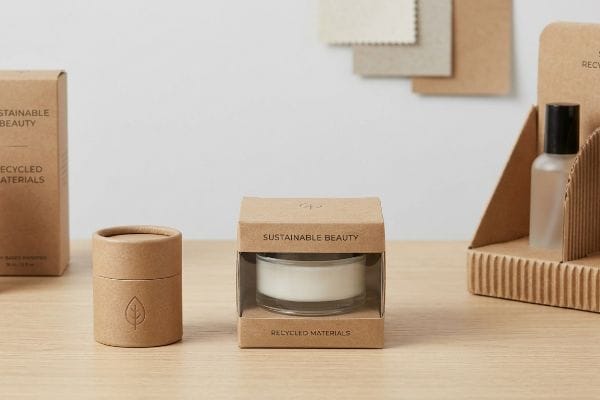
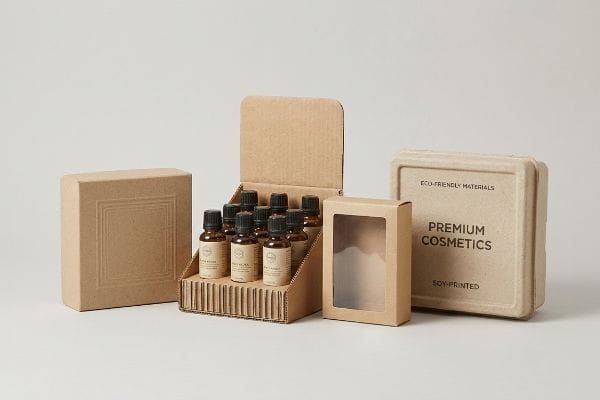
تشمل أنواع التغليف الصديق للبيئة لمستحضرات التجميل الورق المقوى المعاد تدويره، والهياكل المموجة ذات الطلاءات المائية، والنوافذ المصنوعة من حمض البولي لاكتيك القابل للتحلل، وشاشات العرض المطبوعة بألياف الصويا. تساعد هذه الأشكال المستدامة العلامات التجارية في قطاع التجزئة على التخلص من البلاستيك مع الحفاظ على سلامة الهيكل وجودة العرض المرئي المتميز اللازم لأرفف المتاجر الراقية.
إن معرفة الفئات الأساسية هي بداية رائعة، لكن تطبيقها بنجاح في بيئة تجارة التجزئة الضخمة والقاسية يتطلب هندسة هيكلية.
ما هي بعض خيارات التغليف الصديقة للبيئة لمستحضرات التجميل؟
عند تقييم الخيارات الصديقة للبيئة لعرض مستحضرات التجميل، تميل العلامات التجارية غالبًا إلى استخدام البلاستيك الحيوي الرائج. ومع ذلك، فإن افتراض أن جميع المواد الحيوية قابلة لإعادة التدوير في عمليات إعادة التدوير التقليدية يُعدّ ثغرة كبيرة.
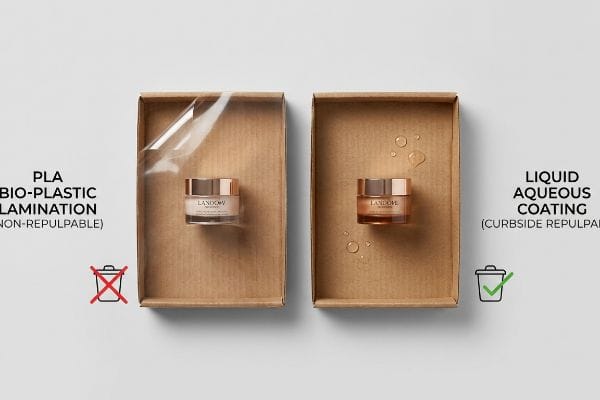
تتميز بعض خيارات التغليف الصديقة للبيئة لمستحضرات التجميل باستخدام ورق مقوى مموج معالج بطبقات مائية سائلة بدلاً من التغليف البلاستيكي الصلب. يضمن هذا الاستبدال تحديداً إمكانية إعادة تدوير هذه المنتجات بالكامل في عمليات إعادة التدوير البلدية القياسية، مما يلغي مسؤوليات التخلص اللاحقة المرتبطة عادةً بالأغشية البلاستيكية الحيوية الصلبة.
يبدو اختيار المواد المناسبة أمراً بسيطاً على جدول البيانات، لكن تطبيقه في أرضية متجر تجزئة سريعة الخطى يكشف عن صراعات هيكلية خفية.
فخ التسميد للبلاستيك الحيوي
يلجأ العديد من المصممين المبتدئين إلى استخدام أغشية بلاستيكية حيوية من نوع PLA لإضفاء لمسة نهائية أنيقة ومستدامة على عروض مستحضرات التجميل. ويفترضون أن هذه المادة المصنوعة من الذرةتلقائيًا الامتثال للمعايير البيئية لحملاتهم التسويقية. ولأنها تبدو صديقة للبيئة، توافق فرق المشتريات على هذه الأغشية دون التحقق من واقعها اللوجستي.
أرى هذا الفخ باستمرار عندما تحاول العلامات التجارية إدخال عبوات مستحضرات التجميل المطلية بمادة PLA في مسارات إعادة تدوير الكرتون المموج القديم (OCC). في الواقع، تُشكّل مادة PLA طبقة صلبة طاردة للماء، مما يتطلب مرافق تسميد تجارية متخصصة لتحليلهافيالمتجر بإلقاء علبة مستحضرات التجميل المطلية بمادة PLA في مكبس كرتون عادي، أكاد أسمع صوت طقطقة تلك الطبقة البلاستيكية الحادة وهي تسد أحواض مصنع الورق لاحقًا، مما يؤدي إلى تحويل الدفعة بأكملها مباشرة إلى مكبالنفايات.
بدلاً من البلاستيك الحيوي، أقوم فوراً بتحويل عملائي إلى طلاء مائي سائل. يذوب هذا الطلاء بسلاسة في الماء دون ترك أي رواسب بلاستيكية ثقيلة،مما يزيل تماماً أي عوائق أمام إعادة التدوير،ويضمن تحقيق علامتك التجارية لأهدافها المتعلقة بالاستدامة.
| أخطاء شائعة للمبتدئين | الحل الاحترافي | فوائد أرضية البيع بالتجزئة |
|---|---|---|
| تحديد أغشية PLA لإعادة التدوير6 | الترقية إلى الطلاءات المائية السائلة | يضمن إمكانية إعادة التدوير على جانب الطريق7 |
| بافتراض أن البلاستيك الحيوي يتصرف مثل الورق | التوافق مع تدفقات OCC القياسية8 | يمنع غرامات التخلص من النفايات في متاجر التجزئة |
| تجاهل حدود إعادة التدوير البلدية | التخلص من الصفائح البلاستيكية الصلبة | تسريع عملية تفكيك المتاجر |
أرفض السماح للعلامات التجارية بتخريب مبادراتها البيئية عن غير قصد. بالتحول إلى استخدام التشطيبات المائية، تحافظون على سجلكم البيئي وتمنعون وصول منتجاتكم التجميلية إلى مكب النفايات.
🛠️ مكتب هارفي: هل أنت غير متأكد من مدى توافق طلاء العرض الحالي لديك مع معايير الاستدامة لدى متاجر التجزئة؟ 👉 احصل على تقييم مجاني للمواد ↗ — تواصل مباشر مع مكتبي. أضمن لك عدم تلقي أي رسائل تسويقية آلية مزعجة.
ما هي بعض أنواع التغليف الصديق للبيئة؟
إلى جانب علب الكرتون الأساسية، يستخدم قطاع التجميل بكثافة العبوات ذات النوافذ لعرض المنتجات الفاخرة. ويتطلب تحقيق التوازن بين هذه الرؤية الواضحة والالتزام الصارم بمعايير الاستدامة اختيارًا دقيقًا للمواد.
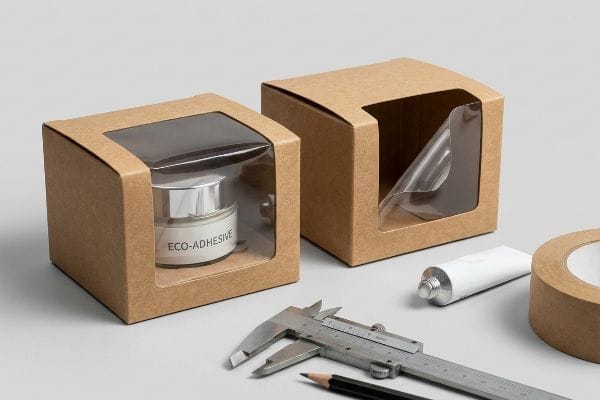
تشمل أنواع التغليف الصديق للبيئة علب الكرتون القابلة للطي المصنوعة من ورق الكرافت، والمزودة بنوافذ عرض شفافة من السليلوز أو حمض البولي لاكتيك (PLA). ومن خلال استبدال بلاستيك البولي إيثيلين تيريفثالات (PET) المشتق من البترول بهذه الأغشية الشفافة النباتية، تحافظ العلامات التجارية لمستحضرات التجميل على وضوح منتجاتها الأساسي، مع ضمان امتثال هيكل التغليف الأساسي بالكامل للمعايير البيئية.
يُعد استبدال النوافذ البلاستيكية ببدائل نباتية خطوة ذكية، بشرط أن تفهم التوتر الميكانيكي الذي تُحدثه هذه المواد الجديدة.
إدارة شد رقعة النافذة في علب الكرافت
تطلب العلامات التجارية عادةً صناديق عرض مصنوعة من ورق الكرافت الخام لتوفير رؤية مباشرة للمستهلكين لزجاجات مستحضرات التجميل مع الحفاظ على مظهر طبيعي وبسيط. ويكفي أن تطلب من المصنع لصق غشاء شفاف صديق للبيئة على فتحة مقطوعة مسبقًا. يتجاهل هذا الأسلوب التقليدي الاختلافات الكيميائية والفيزيائية الجوهرية بين ألياف الورق المسامية والأغشية الشفافةالملساء.
من الأسئلة الشائعة التي يطرحها المشترون: لماذا تصل صناديق النوافذ الصديقة للبيئة مشوهة أو مقوسة؟ يكمن الجواب في التوتر السطحي والرطوبة المحيطة. فعند لصق غشاء PLA مسطح على ورق مقوى رقيق من نوع كرافت، يتمدد وينكمش المادتان بمعدلات مختلفة تمامًاأثناء النقل البحري.
حتى فرق تمدد مجهري لا يتجاوز 1 مم (0.04 بوصة) قد يتسبب في تلف المنتج . شاهدتُ بنفسي موظفي المتاجر وهم يفتحون علب مستحضرات التجميل، حيث انكسر اللاصق الصلب تحت هذا الضغط، مُصدرًا صوت فرقعة عالٍ عند انفصال النافذة الشفافة تمامًا عن إطار الكرتون . ولإصلاح ذلك، يجب التواصل مع المصنع لتحديد نوع لاصق عالي المرونة ومقاوم للظروف المناخية. يتمدد هذا اللاصق المرن ديناميكيًا مع تمدد ألياف الورق، مما يحافظ على استواء العلبة تمامًا مع ضمان إمكانية إعادة تدويرها بنسبة 100% .
| أخطاء شائعة للمبتدئين | الحل الاحترافي | فوائد أرضية البيع بالتجزئة |
|---|---|---|
| استخدام الغراء الصلب على الأغشية الصديقة للبيئة | تطبيق مواد لاصقة مرنة ومقاومة للظروف المناخية13 | يمنع انفصال النافذة |
| تجاهل معدلات تمدد المواد | مطابقة المادة اللاصقة مع متغيرات الرطوبة14 | يحافظ على صناديق البيع بالتجزئة مسطحة تمامًا |
| خلط بلاستيك PET مع ورق الكرافت الخام | مصادر نوافذ السليلوز النباتية15 | يضمن إعادة التدوير أحادية التدفق |
أحرص دائماً على استخدام مواد لاصقة مرنة عند لصق النوافذ الشفافة على الورق المقوى الخام. تضمن هذه التفاصيل الهندسية الدقيقة وصول علب مستحضرات التجميل إلى رفوف المتاجر بحالة ممتازة ومتانة عالية.
🛠️ مكتب هارفي: هل تتشوه علب الكرتون الصديقة للبيئة ذات النوافذ أثناء الشحن الدولي بسبب استخدام مواد لاصقة غير مناسبة؟ 👉 تحقق من مواصفات اللاصق ↗ — حمّل الملف بأمان. صندوق رسائلي مفتوح إذا كانت لديك أي أسئلة لاحقًا.
ما هي أنواع التغليف المختلفة المستخدمة لمستحضرات التجميل؟
تتطلب ماركات مستحضرات التجميل تجربة لمس فاخرة لتبرير أسعارها المرتفعة. ويُعدّ تحقيق هذا الشعور الراقي دون الاعتماد على مواد التغليف السامة وغير القابلة لإعادة التدوير تحدياً كبيراً في هذا القطاع.
تشمل أنواع التغليف المختلفة المستخدمة لمستحضرات التجميل علبًا صلبة، وعلب عرض مموجة دقيقة، وعلب كرتونية قابلة للطي مطلية بطبقات مائية ناعمة الملمس. توفر هذه الهياكل تجربة لمس فاخرة تشبه المخمل دون استخدام طبقات البوليمر الحراري غير القابلة لإعادة التدوير والتي غالبًا ما تخالف معايير الاستدامة لدى متاجر التجزئة الكبرى.
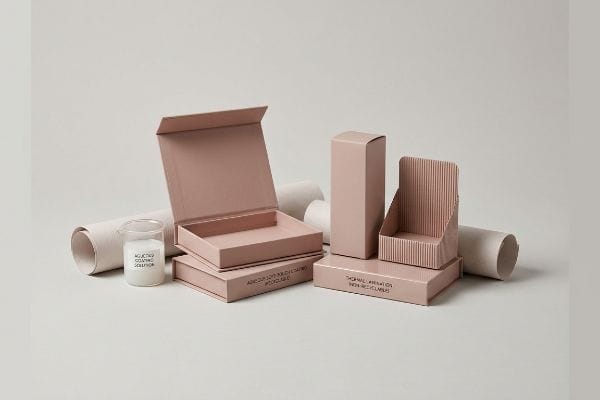
في حين أن الملمس المخملي يضفي قيمة على العلامة التجارية، فإن استخدام الطلاء الكيميائي الخاطئ سيؤدي إلى تدمير قابلية إعادة تدوير العبوة تمامًا في نهاية عمرها الافتراضي.
الحصول على ملمس مخملي بدون تغليف بلاستيكي
كثيراً ما تطلب فرق التسويق تغليفاً حرارياً فاخراً ناعم الملمس لإضفاء لمسة نهائية غير لامعة على علب مستحضرات التجميل وعروضها. ويفترضون أن تقنية الطباعة التجارية القياسية هذه مناسبة تماماً للتغليف الجاهز للبيع بالتجزئة. إلا أن هذا التركيب البوليمري المجهري يجعل الورق المقوى بأكمله غير قابل لإعادة التدوير ، مما يخالف المعايير البيئية الصارمة لكبرى شركات التجزئة العالمية .
تخيّل التغليف الحراري كتغليف قطعة فاكهة بالبلاستيك؛ فمهما كانت جودة لبّها، يبقى غلافها الخارجي مغلفًا بالبلاستيك بشكل دائم. أرى باستمرار علامات تجارية تُرفض عروضها من قِبل الامتثال في قطاع التجزئة لأن طبقة البوليمر الملساء هذه لا يمكن فصلها أثناء عملية إعادة التدوير.إذا مررت ظفرك على عرض مرفوض، ستشعر بملمس مطاطي غير طبيعي للغشاء البلاستيكي يُفسد تقييمه البيئي.
أفضّل منع استخدام الأغلفة الحرارية تمامًا في الحملات البيئية، والتحول إلى طلاء مائي ناعم الملمس. يوفر هذا الطلاء المائي نفس الملمس المخملي الفاخر، ولكنه يذوب تمامًا في أحواض مصانع الورق ، مما يجعل عبواتك قابلة لإعادة التدوير بالكامل ومتوافقة مع إرشادات تجار التجزئة .
| أخطاء شائعة للمبتدئين | الحل الاحترافي | فوائد أرضية البيع بالتجزئة |
|---|---|---|
| فرض استخدام أغشية البوليمر الحراري | الترقية إلى الطلاءات المائية ذات الملمس الناعم21 | يجتاز بطاقات الأداء البيئي لتجار التجزئة |
| تجاهل إمكانية إعادة التدوير في نهاية العمر الافتراضي | استخدام تشطيبات لمسية مائية22 | يمنع رفض الامتثال |
| التضحية بالرفاهية من أجل الاستدامة | مطابقة الأهداف اللمسية مع الكيمياء الخضراء | يعزز صورة العلامة التجارية |
أقول دائمًا لمؤسسي شركات مستحضرات التجميل إنهم ليسوا مضطرين للاختيار بين تجربة فتح علبة فاخرة وبين الاستدامة. فالطلاء المائي الدقيق يوفر كليهما، مما يضمن الحفاظ على قيمة علامتك التجارية.
🛠️ مكتب هارفي: هل تواجه صعوبة في الحصول على لمسة نهائية مطفية فاخرة دون مخالفة معايير الاستدامة الصارمة في قطاع التجزئة؟ 👉 اطلب عينة من اللمسة النهائية ↗ — لا توجد استمارات تُسبب مكالمات مبيعات لا تنتهي. فقط قيمة حقيقية.
ما هي أنواع التغليف السبعة مع أمثلة؟
يساعد تصنيف أشكال التغليف المستدامة على تبسيط عملية الشراء، لكن تجميع المواد دون فهم تفاعلاتها الكيميائية يخلق نقاط ضعف خطيرة أثناء عمليات التصنيع ذات الأحجام الكبيرة.
تشمل أنواع التغليف السبعة الشائعة الزجاجات الأولية، والكرتون القابل للطي، وصناديق الشحن الرئيسية المموجة، وحشوات اللب، ووحدات العرض على الرفوف، ووحدات عرض المنتجات على الأرضيات، والأكياس المرنة. وعند تصميمها بشكل مستدام، تستخدم هذه المنتجات أحبارًا نباتية، ومواد لاصقة مائية، وورق مقوى معتمد من مجلس رعاية الغابات (FSC) لضمان الامتثال البيئي الشامل في جميع مراحل سلسلة التوريد.
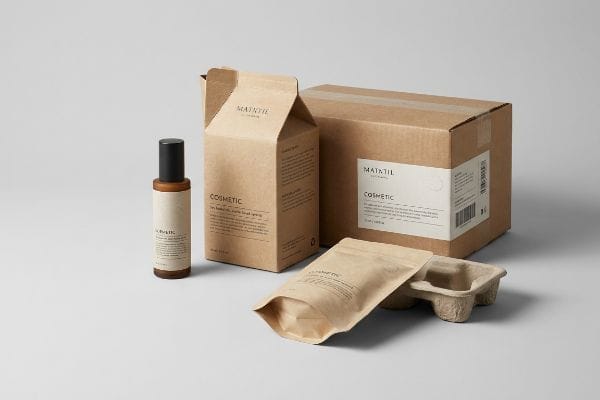
لكن معرفة النظرية لا تكفي عندما تبدأ الآلات بالعمل؛ فخلط المكونات الصديقة للبيئة الخاطئة سيؤدي على الفور إلى حدوث عطل كيميائي مكلف.
لماذا تفشل الطلاءات القياسية في أرضيات المصانع؟
كثيراً ما تُصرّ فرق المشتريات على استخدام أحبار الصويا الزيتية الثقيلة لألوان العلامات التجارية لمستحضرات التجميل الزاهية، بينما تُلزم في الوقت نفسه باستخدام الورنيشات المائية لتلبية معايير الجودة البيئية الصارمة في قطاع التجزئة. ويفترضون أن الجمع بين مادتين صديقتين للبيئة سيُنتج تلقائياً عرضاً تجارياً مستداماً وجميلاً. إلا أن هذا الافتراض الذي يبدو منطقياً يتجاهل الفيزياء الأساسية للتوتر السطحي الكيميائي .
في منشأتي، أرى باستمرار النتائج الكارثية لخلط أنواع مختلفة من الحبر والورنيش دون استخدام تركيبة كيميائية موحدة. ولأن الماء بطبيعته طارد للزيت، فإن رش طبقة علوية مائية مباشرة فوق طبقة كثيفة من حبر الصويا غير المعالجيتسبب في تجمع السائل على شكل قطرات وعدم التصاقه.
عندما أجريتُ اختبارًا أوليًا لالتصاق الشريط اللاصق على هذه المواصفات المعيبة، تقشّرت الطبقة الرقيقة الضعيفة بشدة، تاركةً بقايا فوضوية وغبارية على يديّ، مما أفسد مظهر العرض تمامًا في ممرات البيع بالتجزئة. عالجتُ هذه المشكلة بقياس مستوى الطاقة السطحية (داين) ومطابقة طاقة سطح الطبقة العلوية المائية(25) مع معدل أكسدة الحبر الزيتي. من خلال ضمان هذه المطابقة الكيميائية الدقيقة، تخلصتُ من مشكلة رفض التوتر السطحي، مما وفّر على العملاء ما يُقدّر بنحو 15% من نفايات المواد المُعاد طباعتها(26) ، وضمنتُ رابطة دائمة تصمد أمام ظروف سلسلة التوريد القاسية.
| أخطاء شائعة للمبتدئين | الحل الاحترافي | فوائد أرضية البيع بالتجزئة |
|---|---|---|
| خلط حبر الصويا مع الطلاءات المائية بشكل أعمى | مستويات طاقة السطح الكيميائية المتطابقة27 | يمنع تقشر الطبقة العلوية |
| تجاوز حسابات أكسدة الحبر28 | هندسة مصفوفة كيميائية موحدة | يتحمل الاحتكاك الشديد من قبل المتسوقين |
| بافتراض أن جميع المواد الصديقة للبيئة متوافقة | فرض اختبارات الالتصاق قبل الإنتاج29 | يزيل العيوب الجمالية القبيحة |
لا أسمح أبدًا باستخدام تركيبات كيميائية غير مختبرة في مطابعي. إنّ مطابقة التوتر السطحي الدقيق بين الأحبار والطلاءات هي الطريقة الوحيدة لضمان عبوات مستحضرات تجميل زاهية الألوان، متينة، ومستدامة.
🛠️ مكتب هارفي: هل تعرف مستوى الداين ومعدل الأكسدة الدقيقين للأحبار الصديقة للبيئة المستخدمة حاليًا في عروض مستحضرات التجميل لديك؟ 👉 أرسل لي ملف تصميم القالب ↗ — سأقوم باختبار الحسابات بدقة قبل أن تُهدر ميزانيتك على الإنتاج الضخم.
خاتمة
يمكنك اختيار مورد أرخص لطباعة حملاتك الإعلانية لمستحضرات التجميل المستدامة دون معرفة مسبقة، ولكن عندما تتسبب أحبار الصويا غير المتوافقة والطلاءات المائية في تقشر الطبقة العلوية بشدة تحت إضاءة المتجر القوية، فإن ذلك يؤدي إلى رفض فوري من قبل تجار التجزئة، مما يقضي على هامش ربح مشروعك بالكامل. يستخدم أكثر من 500 مدير علامة تجارية قائمة التحقق الخاصة بي قبل الطباعة لتجنب هذه الأخطاء القاتلة في المراحل المبكرة. توقف عن التخمين بشأن التفاوتات الكيميائية، ودعني شخصيًا أراجع ملفاتك الهيكلية من خلال خدمة تدقيق القوالب المجانية ↗ لاكتشاف نقاط الضعف الخفية هذه قبل أن تدفع تكاليف الإنتاج بكميات كبيرة.
"تطوير وتوصيف مواد أساسها نشا الذرة..."، https://pmc.ncbi.nlm.nih.gov/articles/PMC8539400/. وثيقة فنية توضح أن حمض البوليلاكتيك (PLA) هو بوليستر لدن بالحرارة، يُستخلص عادةً من نشا نباتي مُخمر، وأكثرها شيوعًا الذرة. دور الدليل: التحقق من الحقائق؛ نوع المصدر: منشور في علوم المواد. يدعم: الأصل البيولوجي لحمض البوليلاكتيك. ملاحظة: قد يُستخلص أيضًا من قصب السكر أو الكسافا. ↩
"بدائل قابلة للتحلل الحيوي والتسميد للمواد التقليدية..."، https://pmc.ncbi.nlm.nih.gov/articles/PMC2873018/. إثبات أن حمض البوليلاكتيك (PLA) يتطلب درجات حرارة وظروف التسميد الصناعية، وليس التسميد المنزلي أو إعادة التدوير التقليدية، ليتحلل. دور الدليل: التحقق التقني؛ نوع المصدر: مجلة علوم المواد أو هيئة إدارة النفايات. يدعم: ضرورة وجود مرافق متخصصة لحمض البوليلاكتيك. ملاحظة النطاق: يتعلق تحديدًا بأغشية حمض البوليلاكتيك المستخدمة في الطلاءات. ↩
"المواد القابلة لإعادة التدوير والعناصر القابلة لإعادة التدوير التي نجمعها | إنترناشونال بيبر"، https://www.internationalpaper.com/recycling/recycling-materials. دليل يُثبت أن الأغشية البلاستيكية غير القابلة لإعادة التدوير في تيارات ورق الكرتون المموج (OCC) تُسبب تلوثًا يؤدي إلى رفض الدفعات في مصانع الورق. دور الدليل: التحقق من العملية؛ نوع المصدر: معيار صناعة إعادة التدوير أو تقرير النفايات البلدية. يدعم: الادعاء بأن تلوث حمض البولي لاكتيك (PLA) يؤدي إلى تحويل النفايات عن مكبات النفايات. ملاحظة النطاق: يركز على استجابة مصنع الورق للملوثات. ↩
"طلاء ورقي قابل لإعادة التدوير والتحلل الحيوي باستخدام بولي لاكتيك وظيفي..."، https://pmc.ncbi.nlm.nih.gov/articles/PMC11948148/. وثائق فنية تُثبت أن الطلاءات المائية تتحلل أثناء عملية إعادة تدوير الورق دون تلويثه. دور الدليل: التحقق الفني؛ نوع المصدر: دليل هندسة التغليف. يدعم: الخصائص الفيزيائية للطلاءات المائية أثناء إعادة التدوير. ملاحظة النطاق: خاص بطلاءات البوليمر المائية على الورق. ↩
"الطلاء المائي للتغليف - PopDisplay"، https://popdisplay.me/aqueous-coating-for-packaging/. بيانات صناعية تُثبت أن المواد المطلية بالطلاء المائي متوافقة تمامًا مع أنظمة إعادة التدوير البلدية القياسية، على عكس الرقائق البلاستيكية. دور الدليل: التحقق من صحة العملية؛ نوع المصدر: تقرير من قطاع إدارة النفايات. يدعم: الادعاء بأن الطلاءات المائية تُزيل عوائق إعادة التدوير. ملاحظة النطاق: ينطبق على أنظمة إعادة التدوير البلدية المنزلية. ↩
"تأثير التلوث بالبلاستيك الحيوي على الخصائص الميكانيكية..."، https://pubmed.ncbi.nlm.nih.gov/38815529/. دليل على أن أغشية حمض البوليلاكتيك (PLA) تُعد ملوثات في مسارات إعادة تدوير البولي إيثيلين تيريفثالات/البولي إيثيلين عالي الكثافة التقليدية، وتتطلب معالجة صناعية للتسميد. دور الدليل: التحقق من الحقائق؛ نوع المصدر: جهة إدارة النفايات. يدعم: الادعاء بأن استخدام حمض البوليلاكتيك لإعادة التدوير خطأ. ملاحظة النطاق: يستثني مرافق التسميد الصناعية المتخصصة. ↩
"طلاء حاجز بديل للشمع خالٍ من مركبات PFAS حيوي المنشأ لـ..."، https://www.canr.msu.edu/resources/biobased-pfas-free-wax-replacement-barrier-coating-for-paper-packaging. إثبات تقني بأن الطلاءات المائية قابلة للتحلل الحيوي وتسمح باستعادة ألياف الورق أثناء عملية صناعة اللب. دور الدليل: التحقق التقني؛ نوع المصدر: دراسة في علم المواد. يدعم: فعالية الطلاءات المائية على الأغشية البلاستيكية. ملاحظة نطاق البحث: يعتمد على التركيب الكيميائي المحدد للطلاء. ↩
"ما هو تلوث إعادة التدوير؟ | في طبيعتنا - الاستدامة بجامعة واشنطن"، https://sustainability.uw.edu/blog/recycling-contamination. تحليل لمعايير الحاويات الكرتونية القديمة (OCC) وكيفية تداخل المواد الحيوية غير الورقية مع عملية إعادة تدوير الكرتون. دور الدليل: معيار صناعي؛ نوع المصدر: رابطة تجارية لإعادة التدوير. يدعم: ضرورة مواءمة التغليف مع مسارات OCC لتجنب الغرامات. ملاحظة النطاق: ينطبق على استعادة الكرتون المموج. ↩
"نظرة عامة على الورق ومواد تغليف المواد الغذائية الورقية"، https://pmc.ncbi.nlm.nih.gov/articles/PMC6801293/. شرح تقني لاختلافات طاقة السطح والمسامية التي تؤثر على قوة الترابط اللاصق بين ألياف السليلوز وأغشية البوليمر. دور الدليل: التحقق التقني؛ نوع المصدر: مجلة علوم المواد أو دليل هندسة التغليف. يدعم: الادعاء بأن اللصق القياسي يفشل بسبب عدم توافق المواد. ملاحظة النطاق: يركز على التوتر السطحي وقوة الترابط. ↩
دراسة مقارنة لمقاومة بخار الماء لبولي (حمض اللاكتيك..."، https://pmc.ncbi.nlm.nih.gov/articles/PMC8705587/. من شأن مصدر موثوق في علم المواد أن يوفر معاملات التمدد الحراري أو الاسترطابي لبولي (حمض اللاكتيك) والورق المقوى السليلوزي للتحقق من اختلاف تفاعلاتهما. دور الدليل: التحقق التقني؛ نوع المصدر: مجلة علمية متخصصة في علم المواد. يدعم: العلاقة السببية بين عدم تطابق المواد والتشوه الهيكلي. ملاحظة النطاق: خاص بمركبات البلاستيك الحيوي والورق المقوى. ↩
"عيوب الجودة الشائعة في تصنيع الصناديق الصلبة و..."، https://www.cnhorda.com/industry-news/common-quality-defects-in-rigid-box-manufacturing-and-their-root-causes. التحقق من عتبة القياس المحددة لفشل المادة اللاصقة نتيجة لتمدد المادة في العبوات ذات النوافذ. دور الدليل: المواصفات الفنية؛ نوع المصدر: دراسة في علم المواد أو دليل هندسي. يدعم: الادعاء بأن فروق التمدد الطفيفة تسبب الانفصال. ملاحظة النطاق: ينطبق على المواد اللاصقة الصلبة في العبوات الورقية. ↩
"هذه الأنواع الستة من المواد اللاصقة المستدامة تلعب دورًا كبيرًا في..."، https://www.adhesivesmag.com/articles/100375-these-six-sustainable-adhesive-types-play-a-big-role-in-sustainable-packaging. التحقق من أن أنواعًا محددة من المواد اللاصقة المرنة والمقاومة للظروف المناخية لا تتعارض مع عملية إعادة تدوير ورق الكرافت. دور الدليل: التحقق من الامتثال؛ نوع المصدر: إرشادات إدارة النفايات أو جهة منح الشهادات. يدعم: الادعاء بأن المواد اللاصقة المرنة متوافقة مع عمليات إعادة التدوير. ملاحظة النطاق: يعتمد على إمكانيات مرافق إعادة التدوير الإقليمية. ↩
"هل يلبي لاصقك احتياجات أغشية النوافذ؟ | Bostik US"، https://www.bostik.com/us/en_US/blog/post/advanced-packaging/tapes-labels/nam/window-film-adhesives-sustainability-optical-durability-benefits/. شرح موجز لكيفية استيعاب المواد اللاصقة المرنة للتمدد التفاضلي للأغشية الصديقة للبيئة لمنع انفصال الطبقات. دور الدليل: التحقق التقني؛ نوع المصدر: مجلة علوم المواد. يدعم: اختيار المواد اللاصقة لرقع النوافذ. ملاحظة النطاق: خاص بالأغشية المرنة. ↩
"تأثير الرطوبة ودرجة الحرارة على الخواص الميكانيكية لـ..."، https://bioresources.cnr.ncsu.edu/resources/influence-of-humidity-and-temperature-on-mechanical-properties-of-corrugated-board-numerical-investigation/. شرح موجز للعلاقة بين مرونة المادة اللاصقة وطبيعة ورق الكرافت الاسترطابية لمنع تشوه الصناديق. دور الدليل: المواصفات الفنية؛ نوع المصدر: دليل هندسة التغليف الصناعي. يدعم: إدارة تمدد المواد. ملاحظة النطاق: يركز على الركائز القائمة على السليلوز. ↩
"إعادة التدوير أحادية المسار للمطبخ"، https://www.brevardfl.gov/SolidWaste/Recycling/SingleStreamRecyclingForTheKitchen. شرح موجز لسبب توافق أغشية السليلوز مع مسارات إعادة تدوير الورق، بينما يُسبب البولي إيثيلين تيريفثالات (PET) التلوث. دور الدليل: شهادة الاستدامة؛ نوع المصدر: معيار إدارة النفايات. يدعم: ادعاء قابلية إعادة التدوير. ملاحظة النطاق: يعتمد على إمكانيات المرافق البلدية. ↩
"التغليف ذو الملمس الناعم: شرح اللمسة النهائية الفاخرة"، https://easyboxpackaging.com/blog/soft-touch-lamination/. تأكيد فني من مصادر إدارة النفايات أو علوم المواد على أن الأغشية البلاستيكية الحرارية تمنع انفصال ألياف الورق أثناء إعادة التدوير. دور الدليل: التحقق الفني؛ نوع المصدر: معيار صناعي أو دراسة أكاديمية. يدعم: الادعاء بأن التغليف يجعل الورق المقوى غير قابل لإعادة التدوير. ملاحظة النطاق: يشير إلى عمليات إعادة التدوير البلدية القياسية. ↩
"في تغليف مستحضرات التجميل، الاستدامة جمال."، https://www.billerud.com/trends-and-cases/all/the-power-of-print/in-cosmetics-packaging-sustainability-is-beautiful. توثيق لبطاقات أداء الاستدامة أو التوجيهات البيئية الصادرة عن كبرى شركات التجزئة العالمية فيما يتعلق بإمكانية إعادة تدوير العبوات. دور الدليل: التحقق التنظيمي؛ نوع المصدر: سياسة الاستدامة المؤسسية. يدعم: التأكيد على أن المواد غير القابلة لإعادة التدوير تنتهك توجيهات قطاع التجزئة. ملاحظة النطاق: يركز على إرشادات قطاع التجزئة التجارية واسعة النطاق. ↩
"انفصال طبقات التغليف المرن متعدد الطبقات: واعد..."، https://www.sciencedirect.com/science/article/pii/S0921344925003714. يؤكد مصدر موثوق في مجال إعادة تدوير الورق أو التغليف المستدام أن طبقات البوليمر الحراري تُلوث عملية إعادة التدوير ولا يمكن إزالتها بسهولة. دور الدليل: التحقق التقني؛ نوع المصدر: معيار صناعي أو دراسة بيئية. يدعم: عدم قابلية طبقات البوليمر الحراري لإعادة التدوير. ملاحظة النطاق: ينطبق تحديدًا على أغشية البوليمر الحراري التقليدية. ↩
"ما هو الطلاء المائي؟"، https://midatlanticpackaging.com/blog/what-is-aqueous-coating/?srsltid=AfmBOoqyunn81xUZSrJKNpT5_MAOFL-p7h7OYHbc6_QEopg-_KLlZTZE. التحقق الفني من قابلية ذوبان وإزالة الطلاءات المائية ذات الملمس الناعم أثناء عملية تحويل اللب إلى لب، مقارنةً بالأغشية البلاستيكية. دور الدليل: التحقق الفني؛ نوع المصدر: معيار صناعة إعادة التدوير. يدعم: إمكانية إعادة تدوير التشطيبات المائية. ملاحظة النطاق: خاص بالتركيبات المائية. ↩
"تغليف الأغشية | لامع، مطفي، ناعم الملمس"، https://www.netpak.com/en/packaging-resources/industry-articles/gloss-matte-soft-touch-lamination-packaging/. تحليل مقارن يُظهر أن الطلاءات المائية لا تعيق عملية إعادة التدوير، على عكس التغليف الحراري بالبوليمر. دور الدليل: التحقق من الحقائق؛ نوع المصدر: شهادة استدامة أو دراسة إدارة النفايات. يدعم: ادعاء قابلية إعادة التدوير. ملاحظة النطاق: يفترض وجود بنية تحتية قياسية لإعادة تدوير الورق. ↩
"اعتبارات تأثير الاستدامة: طلاءات الورق المقوى"، https://www.zenpack.us/blog/paperboard-coatings-sustainability-impact/. التحقق من أن الطلاءات المائية معترف بها من قبل بطاقات الأداء البيئي لتجار التجزئة كبديل مستدام للتغليف البلاستيكي. دور الدليل: التحقق التقني؛ نوع المصدر: معيار استدامة الصناعة. يدعم: الادعاء بأن الطلاءات المائية تجتاز بطاقات الأداء البيئي لتجار التجزئة. ملاحظة النطاق: خاص بمعايير تغليف مستحضرات التجميل. ↩
"الإدارة المستدامة لنهاية عمر البلاستيك - وكالة حماية البيئة الأمريكية (epa nepis)"، https://nepis.epa.gov/Exe/ZyPURL.cgi?Dockey=P101C0IO.TXT. دليل على أن التشطيبات المائية تحافظ على قابلية إعادة تدوير العبوات الورقية لتجنب رفضها لعدم الامتثال. دور الدليل: التحقق التنظيمي؛ نوع المصدر: دليل إدارة النفايات. يدعم: الادعاء بأن التشطيبات المائية تمنع رفض العبوات لعدم الامتثال. ملاحظة النطاق: يعتمد على البنية التحتية المحلية لإعادة التدوير. ↩
"(ملف PDF) أحبار الصويا المائية للتغليف"، https://www.academia.edu/145028395/Water_Based_Soy_Inks_for_Packaging. شرح تقني لكيفية تسبب اختلاف طاقة السطح بين الأحبار الزيتية والطلاءات المائية في ضعف الالتصاق أو انفصال الطبقات. دور الدليل: التحقق التقني؛ نوع المصدر: دليل تقني في علم المواد أو صناعة الطباعة. يدعم: عدم توافق الجمع بين هذه المواد المستدامة المحددة. ملاحظة النطاق: التركيز على التوتر السطحي والتوتر البيني. ↩
"التقييم المختبري للطلاءات غير اللاصقة للحد من التصاق الحبر..."، https://nepis.epa.gov/Exe/ZyPURL.cgi?Dockey=P1010V20.TXT. شرح موجز لكيفية دعم مصدر خارجي موثوق لهذا الادعاء. دور الدليل: التحقق التقني؛ نوع المصدر: دليل الطباعة الصناعية. يدعم: عدم التوافق الكيميائي وتضارب التوتر السطحي بين الطلاءات المائية والأحبار الكارهة للماء القائمة على فول الصويا. ملاحظة نطاق البحث: خاص بالحالات غير المعالجة. ↩
"عوامل الالتصاق لطاقة السطح والتوتر السطحي"، https://corkindustries.com/adhesion-factors-of-surface-energy-surface-tension/. التحقق التقني من كيفية منع فشل الالتصاق في أنظمة الحبر والطلاء عن طريق محاذاة طاقة السطح (مستويات داين). دور الدليل: التحقق التقني؛ نوع المصدر: مجلة علوم المواد. يدعم: الآلية الكيميائية للقضاء على رفض التوتر السطحي. ملاحظة النطاق: ينطبق على واجهات الطباعة المائية والزيتية. ↩
"الحاويات والتغليف: بيانات خاصة بالمنتج"، https://www.epa.gov/facts-and-figures-about-materials-waste-and-recycling/containers-and-packaging-product-specific. معايير صناعية لتقليل نفايات المواد تم تحقيقها من خلال اختبارات الالتصاق قبل الإنتاج ومطابقة طاقة السطح. دور الدليل: التحقق الكمي؛ نوع المصدر: تقرير من قطاع الصناعات التحويلية. يدعم: معيار خفض النفايات بنسبة 15%. ملاحظة النطاق: تقدير مبني على عمليات تغليف بكميات كبيرة. ↩
"طاقة السطح | مفهوم هام في الطباعة ثلاثية الأبعاد..."، https://www.voltera.io/blog/what-surface-energy?srsltid=AfmBOooQrU1moYJk9xNKCIyfBU2RJb4PqKCp9qkuRmt8IJVOlZw4k9RE. شرح تقني لكيفية منع انفصال الطبقات عن الأحبار القائمة على فول الصويا والطلاءات المائية من خلال مواءمة التوتر السطحي والطاقة. دور الدليل: التحقق التقني؛ نوع المصدر: مجلة علوم المواد. يدعم: منع تقشر الطبقة العلوية. ملاحظة النطاق: خاص بركائز التغليف المرنة. ↩
"تقييم مقاومة مطبوعات التغليف المتغيرة اللون حراريًا للأشعة فوق البنفسجية..."، https://pmc.ncbi.nlm.nih.gov/articles/PMC10007136/. تحليل لكيفية ضمان حسابات الأكسدة الدقيقة للبلمرة الكاملة لمصفوفة الحبر لمقاومة الاحتكاك الميكانيكي. دور الدليل: التحقق من العملية؛ نوع المصدر: دليل فني لصناعة الطباعة. يدعم: المتانة ضد احتكاك المتسوق. ملاحظة النطاق: يركز على أوقات المعالجة للأحبار المستدامة. ↩
"اختبار الالتصاق"، https://www.intertek.com/polymers-plastics/adhesive-testing/. التحقق من ضرورة إجراء اختبارات التصاق موحدة (مثل اختبارات التهشير المتقاطع أو التقشير) لضمان التوافق بين مختلف المواد الصديقة للبيئة. دور الدليل: بروتوكول ضمان الجودة؛ نوع المصدر: معيار اختبار دولي. يدعم: إزالة العيوب الجمالية. ملاحظة النطاق: ينطبق على الركائز القابلة للتحلل الحيوي والمعاد تدويرها. ↩